
Mogadishu, Somalia’s Stunning Resilience, History & Untamed Coastlines (2026)
Sunrise over the Indian Ocean paints the crumbling facades of the Old City in gold, a daily reminder of a history that stretches back to the 10th century. The call to prayer echoes from the Arba’a Rukun Mosque, one of Africa’s oldest, while the scent of frankincense and cardamom-scented *shaah* (tea) fills the morning air. This is Mogadishu, a city of profound resilience where every restored building and bustling market stall tells a story of revival. While international arrivals are measured in the hundreds annually, those who come discover a capital reclaiming its narrative, offering a raw, unfiltered connection to Somali culture and history found nowhere else.
Why Mogadishu, Somalia Stands Out

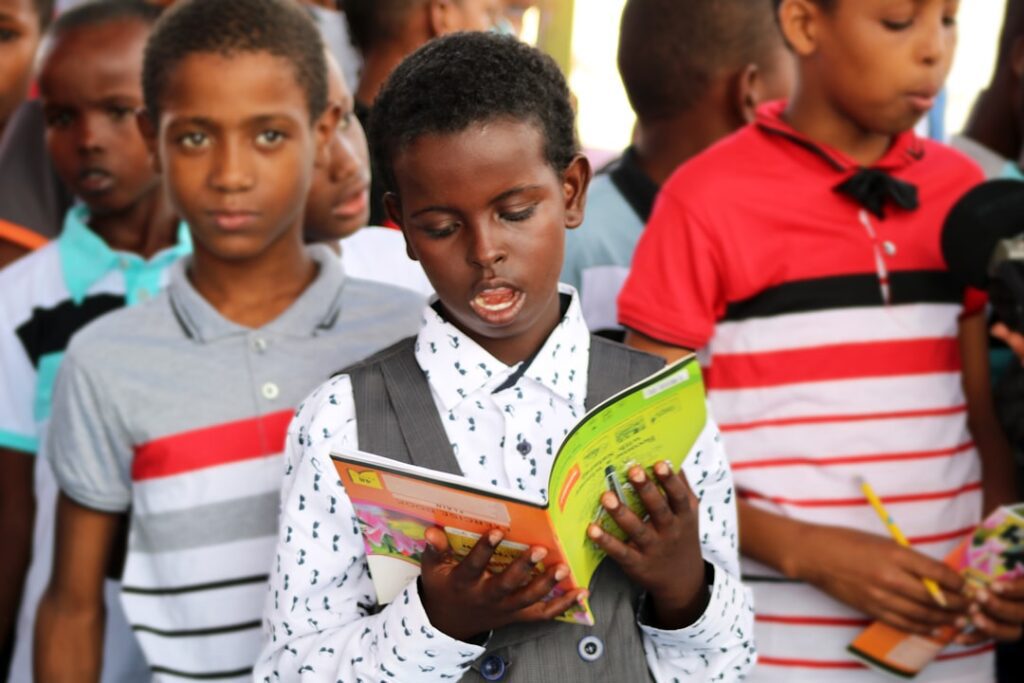
Boy in blue and white plaid shirt reading book, Mogadishu, Somalia
- Historic Architecture: The 13th-century Fakr ad-Din Mosque, built from coral stone and marble, stands as Somalia’s oldest mosque and a testament to the city’s ancient Islamic heritage.
- Cultural Scene: The annual Mogadishu Book Fair, a powerful symbol of intellectual revival, draws authors and thinkers from across the Somali diaspora to celebrate literature and ideas.
- Local Specialties: You must try *bariis iskukaris*, a fragrant, spiced rice dish with goat meat, raisins, and caramelized onions that is the centerpiece of Somali hospitality.
Pro Tip: Your best bet for a visit is during the dry seasons, from December to March or June to September. The weather is hot but less humid, and key cultural events like the book fair often align with these periods. Always, without exception, arrange your visit through a reputable, vetted local security and tourism operator—this is non-negotiable for safety and access.
Map of Mogadishu, Somalia
Use these interactive maps to explore Mogadishu, Somalia and plan your route:
📍 View Mogadishu, Somalia on OpenStreetMap
🗺️ Open Mogadishu, Somalia in Google Maps
Planning Your Trip: Practical Essentials
Getting There and Around
- By Air: Aden Adde International Airport (MGQ) is the main gateway, served by Somali carriers like Jubba Airways and Daallo Airlines, plus Turkish Airlines. Secure airport transfers are always pre-arranged with your ground operator. Book flights at Skyscanner for best deals.
- By Train: There are currently no functional passenger rail services into or within Mogadishu. All travel is by road.
- By Car: Independent driving is strongly discouraged. All movement within the city is conducted in secured vehicles provided by your local operator. Compare car rentals at RentalCars.com for other destinations.
- Local Transport: For locals, minibuses (*kateen*) are the primary public transport. For visitors, secure, private transport with a driver is the only recommended method. Your operator will handle all logistics.
Best Time to Visit
Mogadishu has a hot, arid climate with two main dry seasons. The timing of your visit is crucial for comfort and coincides with periods of relative climatic ease.
| Season | Weather | Highlights |
|---|---|---|
| Jilaal (Dry Season: Dec–Mar) | Hot, dry, and sunny (28-32°C / 82-90°F). The most pleasant time to visit. | Ideal for exploring historical sites. The Mogadishu Book Fair often occurs in this window. |
| Gu (Rainy Season: Apr–Jun) | Humid with sporadic, heavy rainfall. Higher temperatures (30-35°C / 86-95°F). | Lush, green landscapes. Fewer visitors, but movement can be disrupted by rains. |
| Hagaa (Dry Season: Jul–Sep) | Hot, windy, and dusty (27-30°C / 81-86°F). The *Khamsin* wind blows. | Good for coastal visits. A second dry window for cultural exploration. |
| Deyr (Short Rains: Oct–Nov) | Shorter, less intense rainy period. Variable conditions. | Shoulder season; activities are possible between showers. |
Budgeting for Mogadishu, Somalia

A beach with people and cars, Mogadishu, Somalia
| Category | Budget | Mid-range | Luxury |
|---|---|---|---|
| Accommodation | $80-120/night (basic secure hotel) | $150-250/night (better security, amenities) | $300+/night (high-security compound, best available service) |
| Meals | $5-10 (local eateries, *kabab* stalls) | $15-30 (hotel restaurants, better cafes) | $40+ (private dining, imported ingredients) |
| Transport | N/A (Part of mandatory operator package) | $100-200/day (included in secure car/driver package) | $200+/day (armored vehicle, dedicated team) |
| Activities | Free (beach walks in secure areas, viewing architecture) | $50-100 (guided tours, entry fees, cultural performances) | $150+ (private guides, exclusive access, bespoke itineraries) |
| Daily Total | $200-300/day* | $400-600/day* | $800+/day* |
*Crucially, this must include the non-negotiable cost of a professional security and logistics operator, which forms the bulk of transport and planning expenses.
Top Attractions and Must-See Sights
| Attraction | Description | Hours | Entry Fee |
|---|---|---|---|
| Hamar Weyne (Old Town) | Wander the historic heart of Mogadishu with its Ottoman and Italian-influenced architecture, though access is strictly controlled. | Daylight hours only, with guide | Part of tour package |
| The Tomb of the Unknown Soldier | A poignant monument and public square that is a focal point for national pride and remembrance. | 24/7 (viewable from perimeter) | Free |
| Mogadishu Cathedral | The haunting, bomb-damaged ruins of the former Cathedral of Mogadishu, a relic of the Italian colonial era. | Exterior viewing only | Free |
| Lido Beach | A stunning stretch of white sand where locals gather on Fridays; a symbol of normalcy and community. | Daylight hours, Fri most popular | Free |
| Bakaara Market | The city’s largest and most famous market, a sprawling, vibrant hub of commerce where you can find everything from spices to textiles. | 7 AM – 5 PM (with security escort) | Free (goods for purchase) |
3-Day Itinerary: Mogadishu, Somalia’s Highlights & Hidden Gems
Day 1: History & The Old City
- Morning (7-9 AM): Start early with a guided walk through the **Hamar Weyne district**. Your guide will point out the intricate details of the **Arba’a Rukun Mosque** (c. 1269) and the coral stone buildings. The morning light is perfect for photography.
- Afternoon (12-3 PM): Visit the symbolic **Tomb of the Unknown Soldier** and see the **Mogadishu Cathedral** ruins. For lunch, your best bet is a secure hotel restaurant like **Jazeera Palace Hotel** for a safe and delicious serving of *suqaar* (diced beef stir-fry) with *anjeero* (Somali pancake).
- Evening (6-8 PM): Enjoy a sunset view from a secure location, followed by dinner at your hotel or a pre-arranged private venue, sampling *bariis iskukaris*.
Day 2: Markets, Culture & The Coast
- Morning (8 AM): With your security team, explore **Bakaara Market**. This is not for the faint of heart but offers an authentic sensory overload. Haggle for frankincense (*lubaan*), traditional *macawiis* (sarongs), and spices. Budget $20-50 for souvenirs.
- Afternoon (1 PM): Experience a cultural lunch at a place like **The Village Restaurant**. Try grilled *mishkaki* (skewers) and *basto* (Somali pasta). Afterwards, visit a local **women’s cooperative** if access can be arranged, to see crafts like basket weaving.
- Evening (5 PM): Head to **Lido Beach** on a Friday afternoon/evening to witness it transform into a social hub. Families picnic, young men play soccer, and the atmosphere is uniquely vibrant. Stay for a fresh coconut water from a vendor.
Day 3: Institutions & Modern Revival
- Morning (9 AM): Visit the **National Museum of Somalia**, which has reopened with recovered artifacts telling the nation’s long history. Entry is typically a small donation (~$5).
- Afternoon (12 PM): Have lunch at a cafe in the **KM4 area**, a commercial hub. Then, drive past modern institutions like the **Somali Parliament** and the **Turkish Embassy compound**, seeing the international investment in rebuilding.
- Evening (6 PM): Your final dinner should feature **camel meat**, a Somali specialty, often prepared as a stew or steak. Conclude with a final walk along a secure promenade, reflecting on the city’s complex, resilient spirit.
Cultural Insights & Etiquette
- Language: Somali is the official language. Arabic is widely used in religious contexts. Key phrases: *Salaam alaykum* (Hello), *Mahadsanid* (Thank you), *Fadlan* (Please). English is understood in business and government circles.
- Customs: Greetings are important and often lengthy. Use your right hand for eating, shaking hands, and giving/receiving items. Public displays of affection are frowned upon. Always accept an offer of tea or water—it’s a sign of hospitality.
- Tipping: Not universally expected but appreciated for good service. For a dedicated driver/guide, a tip of $10-20 per day is a generous gesture. Round up bills at cafes.
- Dress Code: Modesty is key. For both men and women, clothing should cover shoulders and knees. Loose, lightweight fabrics are best for the heat. Women often wear a *hijab* (headscarf) in public.
- Business Hours: Government hours: Sat-Thu, 8 AM – 2 PM. Shops and markets open earlier (7 AM) and may reopen from 4 PM – 7 PM. Friday is the holy day, with most things closed in the morning.
Where to Eat: Mogadishu, Somalia’s Best Bites
Somali cuisine is a flavorful fusion of indigenous traditions with Arabic, Indian, and Italian influences. Meals are often communal, centered around a shared platter of rice or pasta. The staple is *canjeero* or *laxoox* (a spongy flatbread), eaten with stews for breakfast. Food is a central part of Somali social life.
Must-Try Local Specialties
- Bariis Iskukaris: The national dish. Fragrant basmati rice cooked with meat (goat, lamb, or chicken), raisins, peas, cumin, cardamom, and caramelized onions. Best tried at a local restaurant like **Muna Hotel** or as a guest in a home.
- Mishkaki: Marinated beef or goat skewers, grilled over charcoal until tender and smoky. Found at street-side grills in the evening, especially near the beach.
- Sambuusa: Somalia’s version of the samosa, a triangular pastry filled with spiced meat, lentils, or vegetables. The perfect snack, available at most cafes and tea shops.
Restaurant Recommendations by Budget
| Type | Restaurant | Specialty | Price Range |
|---|---|---|---|
| Budget | Local *kabab* stalls near Lido Beach | Fresh *mishkaki*, *sambuusas*, and roasted corn | $3-7 per person |
| Mid-range | The Village Restaurant (KM4 Area) | Somali grilled meats, *basto* (pasta), good for groups | $15-25 per person |
| Fine dining | Jazeera Palace Hotel Restaurant | International & Somali dishes in a secure, upscale setting | $30-50+ per person |
Where to Stay
Accommodation in Mogadishu is defined primarily by security level. Most options are fortified hotels or compounds catering to diplomats, aid workers, and business visitors. Location is less about neighborhoods and more about proximity to the airport and secure zones. Compare prices and book at Booking.com (limited listings) or Airbnb for apartments in other destinations.
Best Areas for Accommodation
- Airport Road Area: Hotels here, like the **Jazeera Palace** or **SYL Hotel**, offer high-security compounds. The primary advantage is quick access to Aden Adde Airport. The area feels insular but is the standard for most international visitors.
- KM4/KM5 Area: This is a major commercial and diplomatic hub. Accommodations here place you closer to restaurants, markets, and government buildings, but still within a secured context. Expect a mix of hotel and compound living.
- Lido Beach Area: A few secured guesthouses exist here, offering the benefit of ocean views and beach access. The atmosphere can be slightly more relaxed on Fridays, but security protocols remain strict.

A view of a city at night from the top of a building, Mogadishu, Somalia
FAQs: Your Mogadishu, Somalia Questions Answered
1. Is Mogadishu, Somalia safe for tourists?
Safety conditions are extremely volatile and can change rapidly. Travel is not advised for independent, casual tourists. Any visit must be undertaken with a professional, vetted security and logistics operator who handles movement, accommodation, and risk assessment. Even then, the threat of terrorism, kidnapping, and violent crime remains high. Extensive pre-travel research and security briefings are mandatory.
2. What currency is used and are credit cards accepted?
The official currency is the Somali Shilling (SOS). U.S. Dollars are widely accepted, especially for larger transactions. Carry crisp, newer bills ($1, $5, $10, $20). Credit cards are not accepted anywhere. You must bring all the cash you will need for your entire trip in USD. ATMs are unreliable and unsafe for foreigners to use.
3. How do I get from the airport to the city center?
Your pre-arranged local operator will meet you inside
Related Guides
Explore more destinations similar to Mogadishu:

