
Maun, Botswana Weekend: Safari Gateway, River Sunsets & Craft Markets Under the Baobab (2026)
Quick Facts Before You Go
- Best Months: May to October (dry season, peak wildlife viewing; midwinter June–July nights get chilly, but days are perfect)
- Currency: Botswana Pula (BWP). Roughly 1 USD = 13 BWP, 1 EUR = 14 BWP. Bring cash for markets; cards accepted at most lodges and upscale restaurants.
- Language: Setswana and English. English is widely spoken, especially in tourism and service industries—you’ll have no trouble communicating.
- Budget: Mid-range traveler: 800–1,200 BWP per day (≈$60–$90) including meals, a basic hotel, and one paid activity. Safari excursions push it higher.
- Getting There: Fly into Maun International Airport (MUB) – direct flights from Johannesburg (2 hours) and connections via Gaborone. Book at Skyscanner.
Day 1: River Rhythms & Craft Market Finds
You start the morning with a gentle thud of your feet on wooden boardwalks at the Maun National Park boundary—a short walk from the airport, but a world away. The Thamalakane River glimmers orange under the early sun. By 8 a.m., you’re already spotting herons and crocodiles without leaving town. This is the side of Maun most safari-goers rush past, but you’ve come for the unhurried pulse.
- Morning (8–11am): Visit the Nhabe Museum (20 BWP entrance) on the main road. It’s small but packed with exhibits on the Bayei people’s mokoro culture and the region’s fossil history. Avoid the midday heat by arriving right at opening. Then walk 10 minutes to Maun Crafts Market (free entry) on Tsaro Road. You’ll find handwoven baskets (80–200 BWP) and carved wooden animals. Bargain politely—locals appreciate a friendly nod.
- Lunch: Head to The Old Bridge Backpackers & Restaurant (on the riverbank). Order the seswaa (shredded beef with pap) for 85 BWP. The outdoor deck overlooks the Thamalakane, and you might spot a hippo yawning mid-bite.
- Afternoon (1–5pm): Two options, not four. First, take a self-guided river walk along the bank from the Sitatunga Camp area to the Maun Education Park—free, flat, and full of birds (red bishops, blacksmith lapwings). Alternatively, book a 60-minute mokoro ride with Delta Wilderness Safaris (450 BWP per person, 2 p.m. departure). You glide through shallow reed channels; the poler will point out water lilies and papyrus. For a quieter afternoon, explore the Thamalakane River Nature Reserve (50 BWP) – a 5km trail that locals use for jogging. Savvy visitors know to bring binoculars.
- Evening: Dinner at The Grill House (plot 1296, behind the shopping centre). Their T-bone steak with pap and chakalaka (180 BWP) is the talk of town. Follow it with a walk to The Deck lounge at the Maun Lodge (free entry, drinks from 40 BWP). The sunset from the wooden terrace—over the river with mango trees silhouetted—is a quiet, unscripted magic.
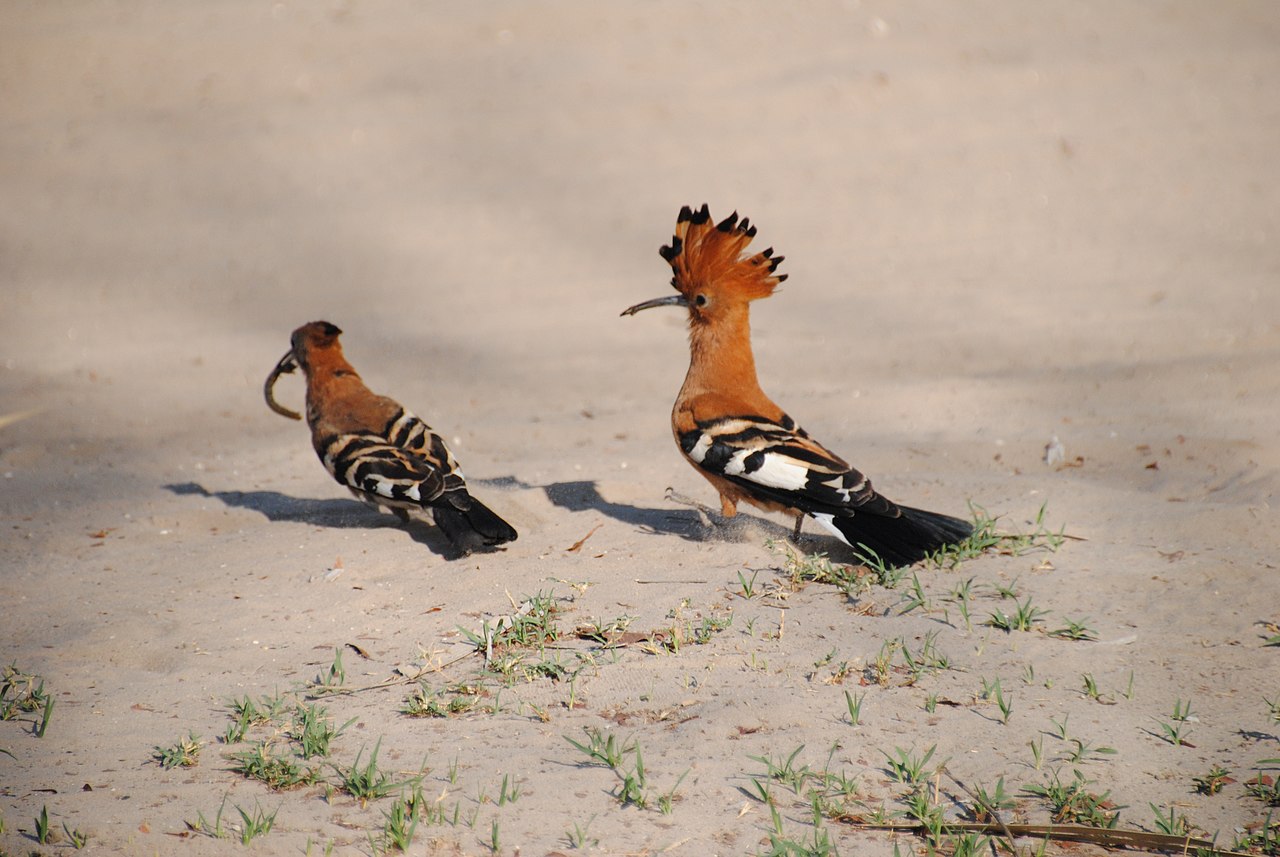
Hoopoes in Maun – Botswana, Maun, Botswana
Day 2: Delta Dust & Market Meat
This morning, the air smells of earth and charcoal. You’re up early because the best parts of Maun happen before the heat crushes the day. Travelers often discover that the real pulse isn’t the safari bookings but the daily rhythm of local life—meat traders at the abattoir, women selling roasted maize on street corners, and the steady drone of scooters carrying people to work.
- Morning (7–10am): Start at Kgosi Bakery (near the Bus Rank) for a vetkoek (fried dough) stuffed with curried mince – 15 BWP. Eat standing at the counter, watching the bus drivers haggle over oranges. Then drive (or take a taxi, 50 BWP) to Thamalakane Bridge for a 45-minute nature walk along the northern bank. You’ll see waterbuck and maybe a shy sitatunga if you’re quiet.
- Midday (10am–1pm): The highlight: Maun’s Livestock Market (Kgotla area) – free to wander, but it’s messy and real. Try to arrive by 9:30 a.m., just before the heat and the crowds. Locals come to buy meat, chat, and drink mokomoto (a fermented porridge). The smell is pungent, but the atmosphere is pure Botswana. Take photos only with permission. Insider tip: the best grilled beef sticks (seswaa skewers) are sold at the eastern gate for 20 BWP each—don’t miss them.
- Afternoon (1–5pm): Head to Maun City Centre Mall (main street) for light souvenir shopping. The African Art Centre near Shoprite sells high-quality baobab seed necklaces (120 BWP) and traditional Tsodilo terracotta pots. Then take a taxi (80 BWP) to Maun Crocodile Farm (admission 60 BWP, open 2–5 p.m.) – it’s an odd but fascinating stop; you’ll see hundreds of crocs sunbathing, and the tour explains the leather trade. Most tourists miss it, which means you’ll have the catwalk to yourself.
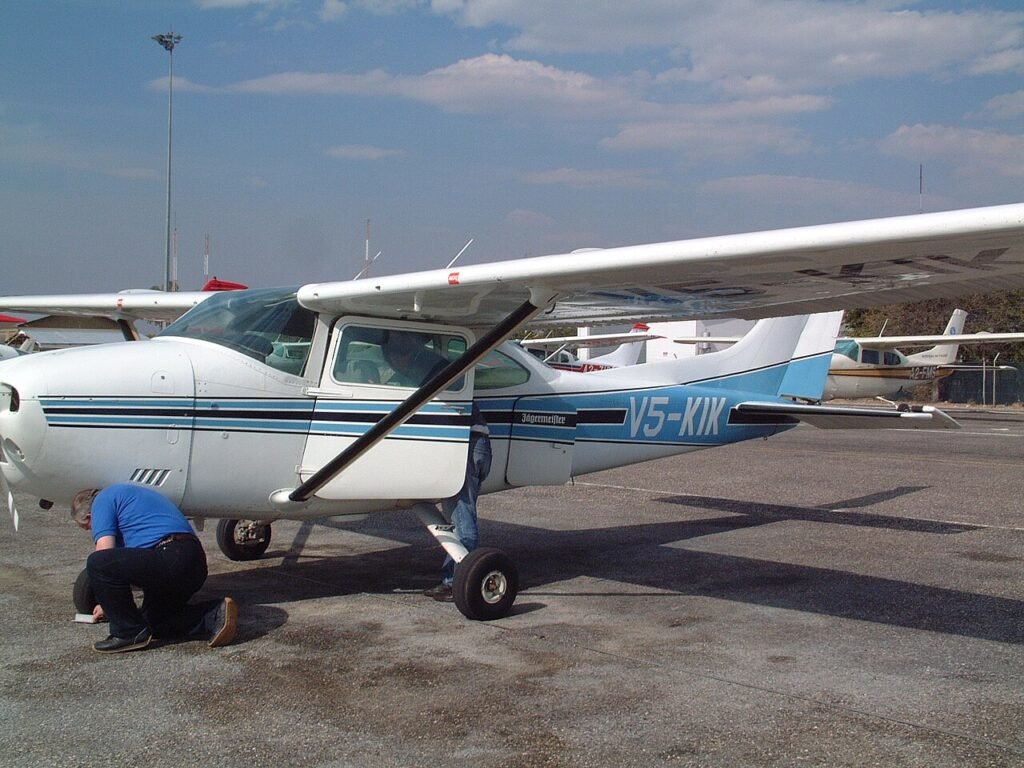
- Final Evening: For a goodbye dinner, book a table at Boma – The Place of Eating (next to the airport runway). Their grilled kudu fillet with morogo (wild spinach) (220 BWP) is exceptional. Arrive by 6:00 p.m. for the airstrip view—Cessnas and bush planes land as you eat, a fitting farewell. End the night with a nightcap at Dusty’s Cocktail Bar at the Indoor Sports Centre (live jazz Thursdays, cocktails 50–70 BWP).

Gray asphalt road between green trees under white clouds during daytime, Maun, Botswana
The Food You Can’t Miss
Maun’s food scene is a delicious collision of Setswana home-cooking and safari lodge luxury. Street food is your window into daily life: follow your nose to the **Braai Stalls** along Sir Seretse Khama Road. From 11 a.m., smoke curls from oil-drum grills serving **seswaa (slow-cooked salted beef)** with **pap and tomato gravy** (30–40 BWP). Don’t forget the **phane (mopane worms)** – dried, then fried until crispy, these protein-packed treats taste like smoky almonds. Locals recommend buying them from the women selling them at Bus Rank for 20 BWP per packet.

A lone tree in a field of dry grass, Maun, Botswana
Vegetarian travelers will find **milk-based stews** and **maize-based pap** most reliable. Try the **kgodu (wild melon)** at the farmer’s market on Saturday mornings – 15 BWP, eaten raw and peeled. The **Craft & Food Market** at the Old Bridge (Sat 9–1) sells homemade chai, roasted nuts, and the best biltong in town (40 BWP for 100g).
Maun Lodge (from 900 BWP/night for a double) sits right on the river with a terrace and pool. It’s a dependable mid-range choice with a small restaurant and free airport shuttle. Book via Booking.com.
For a more intimate stay, Thamalakane River Lodge (from 1,200 BWP/night) offers self-catering chalets with deck chairs overlooking the water. You can hear hippos grunting at night – a sound you’ll never forget. Check Airbnb for similar options.
Budget travelers can try The Old Bridge Backpackers (dorm bed 250 BWP, private room 650 BWP). It’s lively, with a bar and mokoro bookings, but expect noise. The best value for independent explorers: **Sitatunga Camp** (from 800 BWP for a tented room with shared bathroom) – a five-minute walk from the main road, with friendly staff and a real safari feel.
Before You Go: Practical Tips
- Getting Around: The easiest way is to walk in the town centre (distances are small) or take a taxi (fixed rate 50–100 BWP within town, negotiate before you ride). Renting a car from Budget Rent a Car (from 400 BWP/day) is useful if you plan to explore the Delta on your own, but stick to the main roads – the town’s dirt roads can be sandy. For airport pickups, many guesthouses offer free transfers.
- What to Pack: Sunscreen (high SPF, the sun is fierce), a wide-brimmed hat, insect repellent (for mosquitoes at dusk – they carry malaria in the delta, so bring pills if you cross into the park), and a thin scarf (covers shoulders in prostration at traditional villages). Don’t forget binoculars for birding from your terrace.
- Common Tourist Mistakes: The biggest faux pas is photographing people (especially the San bushmen at the craft market) without asking – always gesture for permission first. Another is underestimating the drive times: the Okavango Delta is a day trip, not a two-hour jaunt, so don’t plan a mokoro safari if you only have a weekend. Stick to river walks and town activities.
- Money-Saving Tip: Eat lunch at a local spot (like the Braai Stand) rather than a lodge – you’ll save 100 BWP per meal. Also, the Maun Cultural Trust sells a “Maun Explorer Card” (100 BWP) that gives 15% off at participating businesses (including the Nhabe Museum and some craft stalls). Ask at the Tourist Office (open 8–4, Monday–Friday, behind the mall).

