
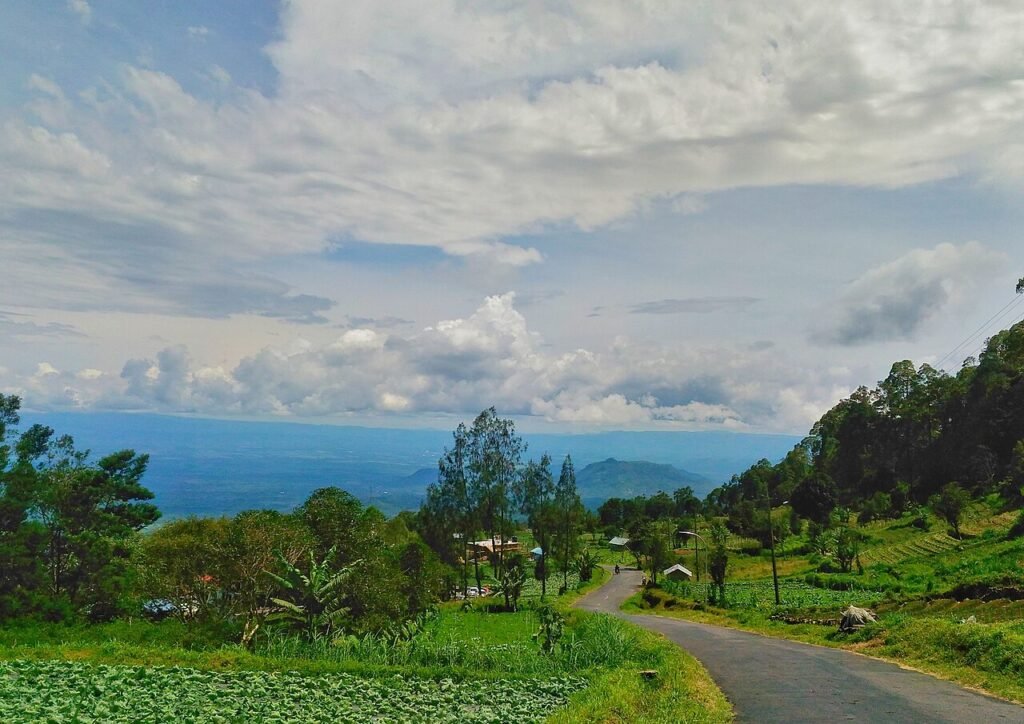
Magetan, Indonesia Weekend: Mountain Lakes, Rabbit Satay & Cool Climates Off the Java Trail (2026)
The morning mist clings to the surface of Telaga Sarangan like cotton wool, broken only by the rhythmic creak of a wooden rowboat. You inhale the crisp, pine-scented air—a startling contrast to the tropical humidity of Jakarta or Surabaya—as the smell of sate kelinci grilling over charcoal drifts from a lakeside warung. This is Magetan: a highland retreat where East Java’s volcanic drama meets quiet village life, and where you rediscover what a real Indonesian weekend feels like.
Quick Facts Before You Go
- Best Months: April to October (dry season). Avoid December-February for relentless downpours that turn mountain roads slippery.
- Currency: Indonesian Rupiah (IDR). As of 2025, $1 USD ≈ 15,500 IDR. Bring cash—ATMs are scarce around Lake Sarangan.
- Language: Javanese and Indonesian. English is minimal outside major tourist spots; locals recommend learning a few Javanese phrases like “Matur nuwun” (thank you).
- Budget: A comfortable weekend costs 500,000–800,000 IDR ($32–$52) per person per day, including food, transport, and mid-range lodging.
- Getting There: Fly into Adi Sumarmo International Airport (SOC) in Solo (SOC), about 2 hours drive from Magetan via winding mountain roads. Direct flights from Jakarta take 1 hour. Book at Skyscanner.
Day 1: Lake Sarangan & The High Country
You start the morning at the edge of Telaga Sarangan, the only natural lake in East Java that sits at 1,200 meters above sea level. Travelers often discover that the best time to arrive is before 8 a.m., when the lake is still, the vendors are just setting up, and the air tastes of eucalyptus. Your first mission: rent a pedal boat (50,000 IDR for 30 minutes) and paddle toward the miniature island in the center—legend says it was a refuge for Princess Dewi Sarangan.
- Morning (8–11am): Explore the lake shore on foot. Walk the paved promenade from the main jetty toward the eastern end, where you’ll find a small waterfall cascading into the lake. Locals recommend stopping at Warung Mbok Yem for a cup of kopi tubruk (10,000 IDR) and a plate of pisang goreng (12,000 IDR)—the bananas are fried in coconut oil until caramelized.
- Lunch: Head to RM Sarangan Indah (Jalan Raya Sarangan No. 1). Your best bet is the nila bakar (grilled tilapia, 45,000 IDR) served with sambal dabu-dabu and warm steamed rice. The open-sided terrace overlooks the lake, so you can watch the afternoon clouds roll in.
- Afternoon (1–5pm): Drive 15 minutes west to Air Terjun Tirtosari, a three-tiered waterfall flanked by ferns and wild orchids. The entrance fee is 15,000 IDR per person. Savvy visitors bring a towel—the plunge pool at the base is deep enough to swim. Afterward, continue to Grojogan Sewu, a 40-meter cascade named “A Thousand Waterfalls” for its multiple streams. The trek down 300 steps is worth it for the rainbows that appear in the spray by 3 p.m. (entry: 10,000 IDR).
- Evening: For dinner, travel 20 minutes down the mountain to Magetan town and find Warung Sate Kelinci Pak Pur (Jalan Pahlawan No. 34). This unassuming spot has been grilling rabbit satay since 1988. Order 10 sticks (35,000 IDR) with thick peanut sauce and lontong. The meat is tender, slightly gamey, and utterly addictive. End the evening with a stroll through Alun-Alun Magetan (town square), where families gather for the animated light-up fountain show at 7:30 p.m.

Pasar Baru Magetan merupakan pasar terbesar di Kabupaten Magetan, Magetan, Indonesia
Day 2: Temples, Tribes & The Road to Lawu
Day two trades lakes for legends. You’ll drive east up the slopes of Mount Lawu, an ancient stratovolcano that locals consider sacred. Travelers often discover that the real magic lies not at the summit but in the small stone temples hidden among pine forests. The air gets cooler with every switchback, and the silence is broken only by the chirping of Javan whistling-thrushes.
- Morning (7–10am): Visit Candi Sukuh, a 15th-century Hindu temple that stands as one of Java’s most enigmatic monuments. The main pyramid-like shrine features explicit fertility reliefs—a rarity in Javanese temple art. Entrance is 50,000 IDR (foreigners) or 15,000 IDR (locals). You’ll want to arrive by 8:30 a.m. before the tour buses from Solo arrive. The temple is perched on a terrace with views over tobacco fields to the coast.
- Midday (10:30am–1pm): Descend to Ceto Temple, just 4 km down the road. Unlike Sukuh, Ceto is still an active place of worship. You’ll see Hindu devotees leaving offerings of flowers and rice at the multi-tiered shrines. The parking attendant will likely offer you a sarong to wear inside—accept it, it’s free. Insider tip: walk past the main temple to the upper garden, where a cluster of bamboo wind chimes creates a hauntingly beautiful sound.
- Afternoon (1–5pm): Drive back toward Magetan town and spend the afternoon in Desa Wisata Nglorog, a traditional Javanese village that has opened its homes to curious travelers. You can join a batik workshop (50,000 IDR, 1 hour) where an elderly woman named Ibu Sari teaches the wax-resist technique using local motifs like the Lawu mountain. Or simply wander the alleys—the village’s irrigation system is a network of bamboo pipes that gurgle constantly.
- Final Evening: For your farewell dinner, reserve a table at Pondok Makan Taman Sari (Jl. Merbabu No. 12, Magetan). The setting is an old colonial-era house with a garden lit by oil lamps. Locals recommend the rawon (beef black soup, 40,000 IDR) and the tumpang—a Javanese curry made from tempeh and coconut milk. End with a glass of wedang uwuh (spiced ginger tea, 12,000 IDR) and listen to the gamelan playing softly from the corner.

Aerial view of green trees near body of water during daytime, Magetan, Indonesia
The Food You Can’t Miss
Magetan’s cuisine is a study in contrasts: cool mountain air meets fiery sambal, and freshwater fish shares the spotlight with an unlikely star—rabbit. The most iconic dish is sate kelinci, a legacy of the Dutch colonial era when rabbits were introduced to the highlands for hunting. Today, you’ll find it at street-side grills near Alun-Alun Magetan, especially on Saturday nights when the evening market (pasar malam) takes over. A skewer of rabbit meat, marinated in kecap manis and grilled over coconut charcoal, costs just 5,000 IDR. Pair it with a wedge of ketupat and a dollop of sambal terasi.

Hand holds a small bouquet of wildflowers., Magetan, Indonesia
For a full meal, RM Dua Putri (Jalan Diponegoro No. 23) serves nasi pecel Magetan—a signature local dish of steamed rice topped with boiled vegetables (spinach, bean sprouts, long beans) and a generous pour of bumbu pecel (spiced peanut sauce). The secret? The peanuts are roasted with kencur (aromatic ginger) and a pinch of salt. A full plate costs 25,000 IDR, including a piece of fried tempeh. Don’t leave without trying jenang Magetan, a sweet, mochi-like cake made from glutinous rice flour and coconut milk. The best jenang is sold at Pasar Pon (the traditional market in the town center), where vendors wrap it in banana leaves for 15,000 IDR per pack. You’ll notice it comes in two colors: white (plain) and brown (palm sugar). The texture is bouncy, almost gelatinous, and it keeps well for a day—perfect for the ride home.
Where to Stay for the Weekend
Your choice of accommodation shapes your entire Magetan experience. If you’re after lake views and mountain tranquility, book a room near Telaga Sarangan. The most reliable option is Hotel Sarangan Indah (from 350,000 IDR/night for a standard double, ≈$22). The rooms are basic but clean, and the wooden balconies overlook the water. Travelers often wake up here to the sound of ducks and the gentle lapping of waves. For a more local experience, try Pondok Wisata Sarangan (250,000 IDR), a homestay run by the Hadi family—you’ll eat dinner with them and learn about the lake’s history.
If you prefer to be closer to town life and the main attractions, stay in Magetan city center. Hotel Grand Setia Kawan (Jalan Ahmad Yani No. 54) offers business-class comfort for 500,000 IDR/night, with a rooftop pool and a restaurant that serves both Indonesian and Western dishes. Budget travelers will appreciate Hotel Merdeka (200,000 IDR), a no-frills spot just off Alun-Alun where the staff remember your coffee order. Book a room now: Booking.com or Airbnb.
Before You Go: Practical Tips
- Getting Around: The roads around Lake Sarangan and Mount Lawu are narrow and winding. Your best bet is to rent a car with a driver (about 600,000 IDR/day including gas). Scooter rental is possible (100,000 IDR/day) but only if you’re experienced with steep mountain roads. Gojek and Grab are available in the town center but not in the highlands. For short trips between lakeside attractions, ojek (motorcycle taxis) charge 20,000 IDR per ride.
- What to Pack: (1) A light fleece or sweater—temperatures drop to 18°C (64°F) at night on the lake. (2) Waterproof hiking sandals for the waterfalls—the rocks are slick and you’ll want to wade. (3) A reusable water bottle—filtered water refills are available at most homestays for 5,000 IDR. (4) Cash in small denominations (2,000, 5,000, 10,000 IDR notes) for warungs and market stalls.
- Common Tourist Mistakes: Many visitors try to “do” Sarangan Lake and Lawu temples in a single day. It’s too much—the drive between them is 90 minutes, and you’ll miss the morning mist. Also, don’t assume English is spoken at street food stalls; locals recommend you learn “Pedes ora?” (Not too spicy?).
- Money-Saving Tip: Buy your lake snacks—roasted corn, peanuts, fresh guavas—from the Pasar Petani Sarangan (farmer’s market) behind the main parking area. A bag of six guavas costs 25,000 IDR, versus 50,000 IDR at the lakeside stalls. The same applies to souvenirs: skip the tourist shops near the jetty and head to Pasar Pon in town for batik and jenang at half the price.

