
Maasai Mara, Kenya: Ultimate The Great Migration, Maasai Culture & Unfiltered Wilderness (2026)
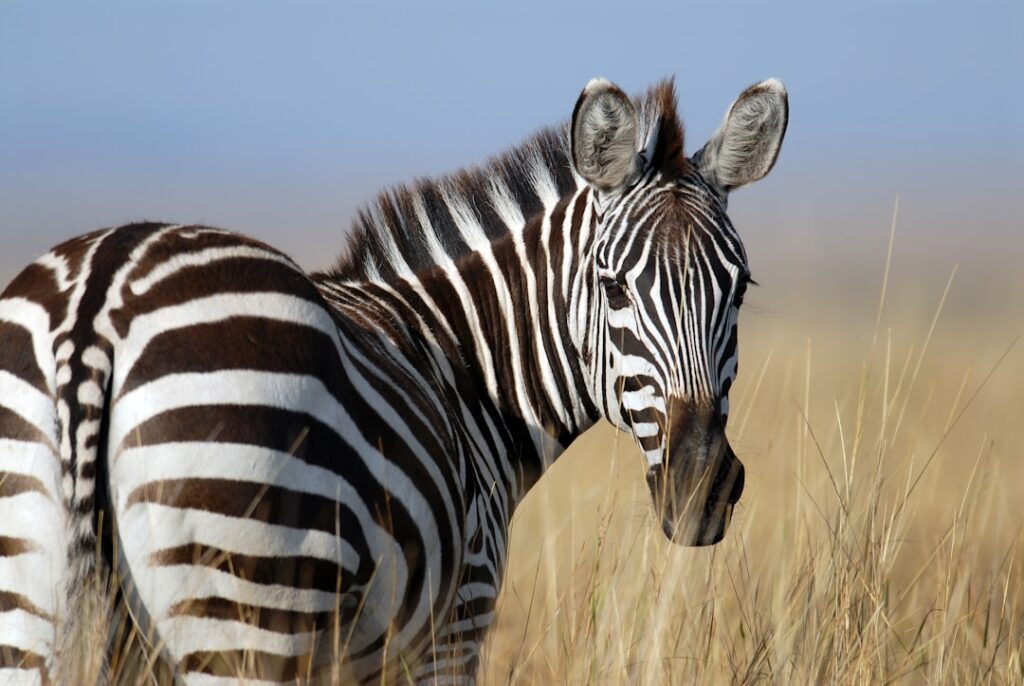
What if the most profound wildlife spectacle on Earth wasn’t a passive viewing but a visceral, ground-shaking experience? Maasai Mara proves it is. From July to October, over 1.5 million wildebeest and 200,000 zebra thunder across the plains in the Great Migration, a primal drama where survival is the only script. This isn’t a zoo; it’s a 1,510-square-kilometer theatre of life and death, where the scent of dust and rain-wet grass fills the air, and the distant roar of a lion isn’t a sound effect—it’s a reminder of where you truly stand in the order of things.
Why Maasai Mara, Kenya Stands Out

Group of people standing on grass field during daytime, Maasai Mara, Kenya
- Historic Architecture: The traditional Maasai Manyatta, a circular homestead of mud, sticks, and cow dung built by the women, represents a centuries-old architectural tradition perfectly adapted to a nomadic pastoral life.
- Cultural Scene: The Eunoto ceremony, a once-in-a-decade warrior graduation ritual involving days of singing, dancing, and the drinking of a sacred mixture of milk and blood, offers a rare glimpse into an enduring way of life.
- Local Specialties: Nyama Choma, simply meaning “roasted meat” (typically goat or beef), is a social staple best enjoyed with a side of Ugali (maize porridge) and a cold Tusker beer at a local butchery.
Pro Tip: For the iconic river-crossing scenes of the Migration, target the Mara River from late July through September. However, savvy travelers know the “secret season” is October—the herds are still present, the landscapes are lush green, the crowds have thinned, and lodge prices can drop by 30-40%.
Map of Maasai Mara, Kenya
Use these interactive maps to explore Maasai Mara, Kenya and plan your route:
📍 View Maasai Mara, Kenya on OpenStreetMap
🗺️ Open Maasai Mara, Kenya in Google Maps
Planning Your Trip: Practical Essentials
Getting There and Around
- By Air: Most international flights land at Jomo Kenyatta International Airport (NBO) in Nairobi. From there, you’ll take a 45-minute scheduled flight on SafariLink or AirKenya to one of several Mara airstrips (Keekorok, Ol Kiombo, Musiara). Book flights at Skyscanner for best deals.
- By Train: No direct rail service to the Mara. The Madaraka Express from Nairobi to Mombasa is for coastal travel, not safari destinations.
- By Car: A 5-6 hour drive from Nairobi on a mix of tarmac and rough roads, best undertaken in a 4×4 with an experienced driver. Self-driving is not recommended for first-timers. Compare car rentals at RentalCars.com for Nairobi pick-up.
- Local Transport: Your transport *is* your safari vehicle. Game drives in pop-top 4×4 Land Cruisers are included with all safari packages. There is no public transport within the reserve.
Best Time to Visit
The Mara offers year-round wildlife viewing, but the experience shifts dramatically with the seasons. The dry seasons (Jun-Oct, Jan-Feb) offer the best game viewing as animals congregate around water sources.
| Season | Weather | Highlights |
|---|---|---|
| Dry Season (Jun–Oct) | Warm days (25°C/77°F), cool nights, very little rain. | The Great Migration peaks (Jul-Oct), exceptional predator action, dense wildlife around rivers, busiest and most expensive period. |
| Dry Season (Dec–Feb) | Warm and dry, with pleasant temperatures. | Excellent general game viewing, great for big cats, lower tourist numbers, ideal for photography with clear skies. |
| Green Season (Mar–May, Nov) | Wetter, with afternoon showers (Apr-May are peak rains). Lush landscapes. | Dramatic scenery, birdwatching paradise (migrant birds present), calving season (Feb-Mar), significantly lower rates and fewer vehicles. |
Budgeting for Maasai Mara, Kenya

Giraffe standing on brown grass field during daytime, Maasai Mara, Kenya
| Category | Budget | Mid-range | Luxury |
|---|---|---|---|
| Accommodation | $150-$250/night (camping or basic tented camps) | $400-$700/night (comfortable lodge or tented camp) | $1,000-$2,000+/night (top-tier safari camp with butler, private guides) |
| Meals | Included in most safari packages | Included in most safari packages | Included, with premium dining experiences |
| Transport | Shared game drives (included) | Private vehicle supplement (~$200-$400/day) | Private vehicle & guide included, helicopter transfers |
| Activities | Game drives (included), park fees (~$80/day) | Hot air balloon (~$450), Maasai village visit (~$25) | Private bush dinners, guided walking safaris, specialist photography drives |
| Daily Total | $250-$350/day | $600-$1,200/day | $1,500-$3,000+/day |
*Note: Safari costs are almost always all-inclusive (accommodation, meals, game drives, park fees). The daily rates above reflect this bundled cost.
Top Attractions and Must-See Sights
| Attraction | Description | Hours | Entry Fee |
|---|---|---|---|
| Great Migration River Crossings | The Mara River is the stage for nature’s most dramatic survival epic, where herds brave crocodile-infested waters. | Daylight hours, peak Jul-Sep | Included in Mara Reserve fee ($80 adult/day) |
| Maasai Village Visit | An authentic cultural immersion into the life of the iconic Maasai people, with dancing, homestead tours, and craft demonstrations. | Arranged by your camp, typically mornings | $20-$30 per person (negotiable, pay to chief) |
| Hot Air Balloon Safari | A serene sunrise flight over the plains, followed by a champagne bush breakfast—the Mara’s most iconic luxury experience. | Pre-dawn launch (approx. 5:30 AM) | $450-$500 per person |
| The Mara Triangle | The western, less-visited section of the ecosystem, known for stunning landscapes, high lion density, and excellent management. | 6:00 AM – 6:30 PM (Reserve hours) | Separate conservancy fee (~$80/day) |
3-Day Itinerary: Maasai Mara’s Highlights & Hidden Gems
Day 1: Arrival & First Game Drive
- Morning: Catch an early scheduled flight from Nairobi Wilson Airport (WSW) to the Mara. You’ll be met by your guide and transfer to your camp, with an immediate game drive en route.
- Afternoon: Settle in with lunch at your camp (like Mara Serena Safari Lodge for mid-range or Elephant Pepper Camp for luxury). Then, embark on your first official afternoon game drive (3:30 PM – 6:30 PM), focusing on the Musiara Marsh area, famous for its resident lion prides.
- Evening: Sundowner drinks overlooking the plains, followed by a campfire dinner under a blanket of stars, listening to the nocturnal sounds of the bush.
Day 2: The Great Migration & Maasai Culture
- Morning: Pre-dawn wake-up for a 6:00 AM game drive. Head directly to the Mara River crossing points (like Lookout Hill or Paradise Plain). With patience, you may witness the chaotic, thrilling river crossing. Pack a picnic breakfast to eat in the vehicle.
- Afternoon: Return to camp for lunch and relaxation. At 4:00 PM, visit a authentic Maasai Manyatta. Engage with the villagers, learn about beadwork, and witness the famous adumu (jumping dance). This is not a staged show but a genuine cultural exchange.
- Evening: Enjoy a themed “bush dinner” arranged by your camp, often in a special clearing lit by lanterns.
Day 3: Balloon Safari & The Mara Triangle
- Morning: 4:45 AM transfer for a hot air balloon safari ($450). Float silently as the sun rises, spotting wildlife from above. Land for a full champagne breakfast in the middle of the plains.
- Afternoon: After returning to camp, check out and take a game drive transfer westward into the Mara Triangle. Have a packed lunch at a scenic spot. The Triangle’s open grasslands and acacia woodlands offer spectacular photography and excellent cheetah sightings.
- Evening: Arrive at your new camp in the Triangle (like Fig Tree Camp). Take a short evening drive before a farewell dinner, recounting the week’s incredible sightings.
Cultural Insights & Etiquette
- Language: Swahili and Maa are the local languages. Key phrases: “Jambo” (Hello), “Asante sana” (Thank you very much), “Sopa” (Hello in Maa). English is widely spoken in tourism.
- Customs: Always ask permission before photographing Maasai people. A polite “Naweza piga picha?” (May I take a picture?) is appropriate, and a small tip is customary if they agree. Handshakes are common, but use your right hand.
- Tipping: Tipping is expected. General guideline: $10-$15 per day for your guide, $7-$10 per day for your spotter, and $5-$7 per day for general camp staff, per guest. Tip in USD or KES at the end of your stay.
- Dress Code: Neutral-colored clothing (khaki, green, beige) is best for game drives. Evenings can be cool—bring a fleece or jacket. When visiting villages, dress modestly (avoid short shorts or revealing tops).
- Business Hours: Safari life runs on dawn and dusk. Shops in gateway towns like Narok keep standard hours. The reserve itself is open from 6:00 AM to 6:30 PM.
Where to Eat: Maasai Mara’s Best Bites
Dining in the Mara is part of the safari adventure. Meals are almost exclusively provided by your lodge or camp, ranging from lavish buffets to intimate plated dinners in the bush. The focus is on fresh, high-quality international and local cuisine.
Must-Try Local Specialties
- Nyama Choma: The ultimate Kenyan social food. While your camp will serve it, the most authentic experience is at a local “butchery” in a town like Narok on your way in/out.
- Ugali with Sukuma Wiki: A taste of everyday Kenya. Ugali is a dense maize porridge used to scoop up Sukuma Wiki, a flavorful collard greens dish sautéed with tomatoes and onions.
- Bush Breakfast: Not a dish, but an experience. After a morning game drive or balloon flight, you’ll feast on eggs, bacon, pastries, and fruit at a table set up in the open savannah.
Restaurant Recommendations by Budget
| Type | Restaurant | Specialty | Price Range |
|---|---|---|---|
| Budget | Your Camp’s Dining Area | All-inclusive buffets featuring soups, grilled meats, pastas, and local dishes. | Included |
| Mid-range | Mara Serena Safari Lodge Dining Room | Stunning views paired with themed dinner nights and extensive dessert stations. | Included for guests |
| Fine dining | Private Bush Dinner (arranged by camp) | A multi-course meal under the stars at a secluded location, with personal waitstaff. | $80-$150+ pp supplement |
Where to Stay
Your choice defines your safari. The main areas are the National Reserve (busier, more vehicle traffic) and the surrounding Private Conservancies (exclusive, fewer vehicles, allowed night drives and walking safaris). Compare prices and book at Booking.com or specialist safari tour operators.
Best Neighborhoods for Accommodation
- Central Mara (Reserve): Ideal for first-timers wanting to see the Migration river crossings. You’ll have more vehicle company, but access to key sites is quick. Suits photographers and those on a tighter timeline.
- Private Conservancies (e.g., Mara North, Olare Motorogi): The choice for exclusivity and flexibility. Fewer vehicles, off-road driving permitted, and activities like night drives and guided bush walks. Perfect for luxury seekers and return visitors.
- The Mara Triangle: Offers a different landscape—more rolling hills and forests. Managed by a non-profit, it’s exceptionally well-run with great roads and high animal densities, especially lions. Feels more remote.

Herd of sheep on brown grass field during daytime, Maasai Mara, Kenya
FAQs: Your Maasai Mara, Kenya Questions Answered
1. Is Maasai Mara, Kenya safe at night?
Within the confines of your fenced lodge or guarded tented camp, yes, it is very safe. You will be escorted after dark by Maasai askaris (guards) as wildlife roams freely. Never walk alone at night outside your tent or room. Follow all camp rules—they are for your protection.
2. What currency is used and are credit cards accepted?
The Kenyan Shilling (KES) is the local currency, but US Dollars (USD) are widely accepted for park fees, tips, and souvenir purchases. Major camps and lodges accept Visa and Mastercard. However, it’s crucial to bring small denomination USD bills ($1, $5, $10) for tipping and market purchases, as change is often scarce.
3. How do I get from the airport to the city center?
From Nairobi’s international airport (NBO), you’ll need a taxi or pre-booked transfer to Wilson Airport (WSW) for your safari flight (a 45-60 minute drive, ~$30-$40). For seamless travel, book a package that includes all transfers. Book airport transfers at GetYourGuide for convenience.
4. Do I need to speak the local language?
No. English is an official language in Kenya and is spoken fluently by all safari guides, camp managers, and staff. Learning a few Swahili greetings like “Jambo” (Hello) and “Asante” (Thank you) is greatly appreciated and adds warmth to your interactions.
5. What’s the appropriate dress code?
{“@context”: “https://schema.org”, “@type”: “FAQPage”, “mainEntity”: [{“@type”: “Question”, “name”: “What is the best time to visit Maasai Mara?”, “acceptedAnswer”: {“@type”: “Answer”, “text”: “The best time to visit Maasai Mara depends on your preferences. Generally, the dry season offers the most pleasant weather for sightseeing and outdoor activities.”}}, {“@type”: “Question”, “name”: “How many days do I need in Maasai Mara?”, “acceptedAnswer”: {“@type”: “Answer”, “text”: “Most travelers spend 3-5 days in Maasai Mara to see the main attractions. A week allows for a more relaxed pace and day trips.”}}, {“@type”: “Question”, “name”: “Is Maasai Mara expensive to visit?”, “acceptedAnswer”: {“@type”: “Answer”, “text”: “Maasai Mara can be visited on various budgets. Accommodation ranges from hostels to luxury hotels, and local restaurants offer affordable dining.”}}]}
Related Guides
Explore more destinations similar to Maasai Mara:
- Leuven, Belgium’s Best Beer, Beguinages & Gothic Grandeur (2025)
- Ankarafantsika National Park, Madagascar: Best Lemurs, Lakes & Ancient Forests (2026)
- Bucharest’s Best Belle Époque Architecture, Vibrant Nightlife & Hearty Cuisine (2025)
- Havasu Falls, USA: Best Turquoise Waters, Ancient Canyons & Indigenous Culture (2025)

