
Lofoten Fishing Villages, Norway: Stunning Dramatic Peaks, Midnight Sun & Stockfish Culture (2025)
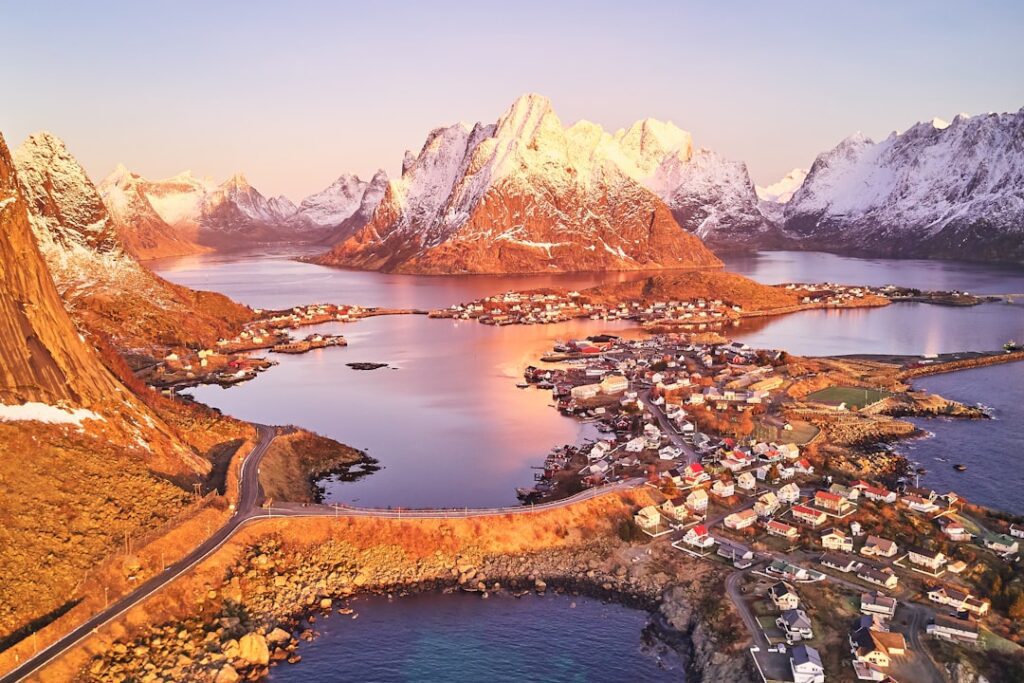
At 2 AM in July, the sun still glows above the red Rorbu cabins in Reine, casting the Lofoten Wall’s jagged silhouette onto glassy fjords. The air carries the sharp, briny scent of cod hung to dry on traditional A-frames, a process unchanged since the Viking Age. This is not a postcard; it’s a living, breathing archipelago where dramatic geology and a tenacious fishing heritage create a landscape found nowhere else on Earth.
Why Lofoten Fishing Villages, Norway Stands Out

A body of water that has a bunch of houses on it, Lofoten Fishing Villages, Norway
- Historic Architecture: The iconic red Rorbu cabins, originally 19th-century fishermen’s lodgings built on stilts over the water, now offer unique accommodation with direct fjord views.
- Cultural Scene: The annual Lofoten International Art Festival (LIAF), held every September in odd-numbered years, transforms warehouses and piers into avant-garde galleries against the epic backdrop.
- Local Specialties: Tørrfisk, or stockfish—wind-dried Arctic cod that has been a staple since medieval times—is a must-try, often served with boiled potatoes and melted butter.
Pro Tip: Visit in late May or early September. You’ll avoid the peak summer crowds and prices, still enjoy long daylight hours (or early Northern Lights in September), and witness the crucial fishing seasons—the tail end of winter cod and the beginning of the autumn harvest.
Map of Lofoten Fishing Villages, Norway
Use these interactive maps to explore Lofoten Fishing Villages, Norway and plan your route:
📍 View Lofoten Fishing Villages, Norway on OpenStreetMap
🗺️ Open Lofoten Fishing Villages, Norway in Google Maps
Planning Your Trip: Practical Essentials
Getting There and Around
- By Air: Fly into Harstad/Narvik Airport (EVE) or Leknes Airport (LKN) via Widerøe. From there, connect by rental car or bus. Book flights at Skyscanner for best deals.
- By Train: No direct trains to Lofoten. The closest major rail terminus is Bodø. From there, take a 3-4 hour ferry to Moskenes. Reserve tickets at Trainline or the national railway website.
- By Car: The E10 highway connects the islands via bridges and tunnels. A car is essential for exploration. Book rentals well in advance, especially in summer. Compare car rentals at RentalCars.com.
- Local Transport: Public buses run along the E10 but are infrequent. The “Lofoten” travel pass offers limited flexibility. For true freedom, a car is your best bet.
Best Time to Visit
Your experience in Lofoten is profoundly shaped by the season. Summer offers endless light and vibrant activity, while winter provides a stark, dramatic beauty and auroral displays, with shoulder seasons offering a balance of accessibility and atmosphere.
| Season | Weather | Highlights |
|---|---|---|
| Summer (Jun–Aug) | 7°C to 15°C (45°F to 59°F), mild but changeable with rain. | Midnight Sun, all attractions open, hiking, fishing tours. Very crowded. |
| Winter (Dec–Feb) | -2°C to 4°C (28°F to 39°F), snow, storms, polar night. | Northern Lights, serene landscapes, cozy Rorbu stays. Limited services. |
| Shoulder (Apr–May/Sep–Oct) | 2°C to 10°C (36°F to 50°F), unpredictable mix of sun, rain, and snow. | Fewer crowds, lower prices, active fishing culture, potential for both Northern Lights and long days. |
Budgeting for Lofoten Fishing Villages, Norway

Brown and white wooden houses near body of water and mountain during daytime, Lofoten Fishing Villages, Norway
| Category | Budget | Mid-range | Luxury |
|---|---|---|---|
| Accommodation | Hostel/camping: 300-600 NOK | Rorbu cabin/hotel: 1200-2500 NOK | Design hotel/suite: 3000+ NOK |
| Meals | Self-catering/simple cafe: 200-400 NOK | Restaurant lunch/dinner: 500-800 NOK | Fine dining tasting menu: 1200+ NOK |
| Transport | Bus passes: 200 NOK/day | Rental car: 800-1200 NOK/day | Private guided tours: 1500+ NOK/day |
| Activities | Hiking, beach visits: Free | Boat tour/museum: 400-700 NOK | Private fishing/photo safari: 2000+ NOK |
| Daily Total | 700-1200 NOK | 2900-5200 NOK | 7700+ NOK |
Top Attractions and Must-See Sights
| Attraction | Description | Hours | Entry Fee |
|---|---|---|---|
| Reinebringen Hike | The iconic, steep 448-meter ascent for the single most photographed view over Reinefjorden and surrounding peaks. | 24/7 (summer), daylight hours only | Free |
| Lofotr Viking Museum | A reconstructed 83-meter-long Viking Chieftain’s longhouse at Borg, offering immersive historical experiences. | 10:00-18:00 (Jun-Aug), shorter off-season | 200 NOK |
| Nusfjord Fishing Village | A UNESCO-listed, perfectly preserved 19th-century fishing village, now a living museum and resort. | Village always open; museum 10:00-18:00 | 150 NOK (museum) |
| Henningsvær Football Pitch | The famous “football field at the end of the world,” perched dramatically on an island at the edge of the sea. | Always viewable (check for matches/training) | Free |
3-Day Itinerary: Lofoten Fishing Villages, Norway’s Highlights & Hidden Gems
Day 1: Southern Archipelago & Iconic Views
- Morning (7-9 AM): Start early with the Reinebringen hike. The stone steps make it accessible but still strenuous. Your reward is a 360-degree panorama without the midday crowds.
- Afternoon (12-3 PM): Drive to the charming village of Å (yes, just one letter). Explore the Norwegian Fishing Village Museum (100 NOK), then have lunch at Brygga Restaurant in nearby Hamnøy for their signature fish soup (185 NOK).
- Evening (6-8 PM): Take a late evening RIB boat tour from Reine (750 NOK) to see sea eagles and the fjords in the golden “midnight” light. Dine at Gammelbua in Sakrisøy for a hearty bacalao (stockfish) stew.
Day 2: History, Culture & Coastal Charm
- Morning (9 AM): Drive north to the Lofotr Viking Museum. Participate in a Viking-age activity like archery. Allow 3 hours to fully explore the impressive longhouse and surrounding area.
- Afternoon (1 PM): Head to the stunning white-sand beach at Uttakleiv. Walk along the shore framed by dramatic peaks. For lunch, stop at the cozy Himmel og Havn cafe in nearby Leknes for open-faced shrimp sandwiches.
- Evening (6 PM): Continue to the picturesque fishing village of Nusfjord. Wander the historic wharves before a dinner of locally caught cod at Nusfjord Arctic Resort’s restaurant, Reservatet.
Day 3: Art, Islands & Northern Lights
- Morning (10 AM): Take the scenic drive to Henningsvær, the “Venice of Lofoten.” Visit the KaviarFactory contemporary art gallery (120 NOK), housed in a former fish roe processing plant.
- Afternoon (1 PM): Enjoy a leisurely lunch at Fiskekrogen in Henningsvær, famed for its fish burgers. Afterwards, explore the narrow alleys and browse for local knitwear.
- Evening (From 8 PM): In winter, join a guided Northern Lights chase from Svolvær (approx. 1200 NOK). In summer, take the late ferry from Svolvær to Skrova island for a quiet, atmospheric dinner at Skrova Fiskehus.
Cultural Insights & Etiquette
- Language: Norwegian is official, but English is widely spoken. Learn “Takk” (Thank you) and “Unnskyld” (Excuse me). Locals appreciate the effort.
- Customs: Norwegians value personal space, quietness, and punctuality. It’s customary to remove your shoes when entering someone’s home or a Rorbu cabin.
- Tipping: Not mandatory as service is included. For exceptional service, rounding up the bill or leaving 5-10% is a generous gesture.
- Dress Code: Practical, weatherproof layers are essential year-round. Even in summer, pack a waterproof jacket, fleece, and sturdy hiking shoes. For fine dining, smart-casual is perfectly acceptable.
- Business Hours: Shops typically open 10:00-17:00 weekdays, with shorter hours Saturday and closed Sunday. Supermarkets have longer hours. Many smaller museums and cafes have reduced hours or close entirely from October to April.
Where to Eat: Lofoten Fishing Villages, Norway’s Best Bites
Dining in Lofoten is a celebration of the sea. The cuisine is straightforward, fresh, and deeply connected to the environment. From humble fish shacks to innovative kitchens, the star is always the local catch, prepared with respect for centuries of tradition.
Must-Try Local Specialties
- Tørrfisk (Stockfish): Wind-dried cod, a historic export. Try it rehydrated in a stew (bacalao) or as a snack. Sample it at the Stockfish Museum in Å or any traditional restaurant.
- Røkt Laks (Smoked Salmon): Cold-smoked over alder wood, it’s silky and delicate. Best bought from small smokehouses like Lofoten Gårdsysteri in Vikten.
- Mølje: A traditional fisherman’s dish of boiled cod liver, roe, and fresh cod, served with potatoes. An acquired taste but a true cultural experience, often found at seasonal “Mølje dinners.”
Restaurant Recommendations by Budget
| Type | Restaurant | Specialty | Price Range |
|---|---|---|---|
| Budget | Anita’s Sjømat, Ballstad | Fresh seafood sandwiches and fish cakes to take away. | 80-150 NOK |
| Mid-range | Børsen Spiseri, Svolvær | Modern takes on local seafood in a historic stock exchange building. | 300-500 NOK (main) |
| Fine dining | Hurtigruten Svolvær, Svolvær | Exquisite multi-course menus featuring foraged and fared ingredients with panoramic views. | 900+ NOK (tasting menu) |
Where to Stay
Your choice of accommodation defines your Lofoten experience. The classic Rorbu cabin offers the most authentic feel, while modern hotels provide comfort. Booking many months in advance is non-negotiable for summer. Compare prices and book at Booking.com or Airbnb for apartments.
Best Neighborhoods for Accommodation
- Reine & Moskenes Area: The poster-child location with iconic mountain views. Perfect for photographers and hikers, but can feel remote and is very busy in summer.
- Svolvær: The “capital.” Offers the most services, restaurants, and tour operators. A practical base, though less quaint than the smaller villages.
- Kabelvåg & Henningsvær: A great middle ground—charming, historic fishing communities with good amenities and stunning coastal settings, central for exploring.

Coastal village nestled at the base of a large mountain., Lofoten Fishing Villages, Norway
FAQs: Your Lofoten Fishing Villages, Norway Questions Answered
1. Is Lofoten Fishing Villages, Norway safe at night?
Extremely safe. Violent crime is exceptionally rare. The primary concerns are natural: rapidly changing weather, steep hiking trails, and driving on narrow roads, especially in winter. Always check forecasts, hike prepared, and drive cautiously.
2. What currency is used and are credit cards accepted?
The Norwegian Krone (NOK) is used. Credit and debit cards (Visa, Mastercard) are accepted virtually everywhere, even for tiny purchases. It’s wise to carry a small amount of cash for rural farm stalls or parking meters, but you can largely operate cash-free.
3. How do I get from the airport to the city center?
From Leknes Airport (LKN), a taxi to Leknes town costs about 300 NOK. From Harstad/Narvik (EVE), you’ll need a 90-minute bus or taxi to Svolvær (bus ~250 NOK, taxi very expensive). The most seamless option is renting a car at the airport. Book airport transfers at GetYourGuide for convenience.
4. Do I need to speak the local language?
No. English proficiency is very high. Most Norwegians speak excellent English. Learning a few basic Norwegian phrases is a polite gesture but not necessary for communication.
5. What’s the appropriate dress code?
Think functional, not fashionable. The key is layering: a moisture-wicking base, an insulating mid-layer (fleece/wool), and a waterproof/windproof outer shell. Sturdy, waterproof hiking boots are essential. Even for a nice dinner, the same practical layers are perfectly appropriate.
Final Thoughts: Lofoten Fishing Villages, Norway Awaits
Lofoten is more than a destination; it’s a profound encounter with elemental forces. Here, human resilience is written in the weathered wood of Rorbuer and the lines of drying cod, set against a backdrop of mountains that erupt from the sea. It challenges you with its weather, rewards you with its light, and leaves an indelible mark with its stark, honest beauty. For your final morning, skip the famous viewpoint and simply sit on a quiet dock. Watch the fishing boats head out, breathe the crisp air, and listen to the cry of gulls—this timeless rhythm is
Related Guides
Explore more destinations similar to Lofoten Fishing Villages:
- Congo Basin, Democratic Republic of Congo: Ultimate Primates, Pygmies & Primeval Forests (2026)
- Seringapatam Reef, Australia: Ultimate Shipwrecks, Sharks & Untouched Coral Kingdoms (2026)
- Tweed Heads, Australia: Hidden Coastal Walks, Fishing Culture & Border Town Charm (2025)
- Stunning Ferrara (italy) Secrets’s Amazing Best Places to Visit (2025)

