
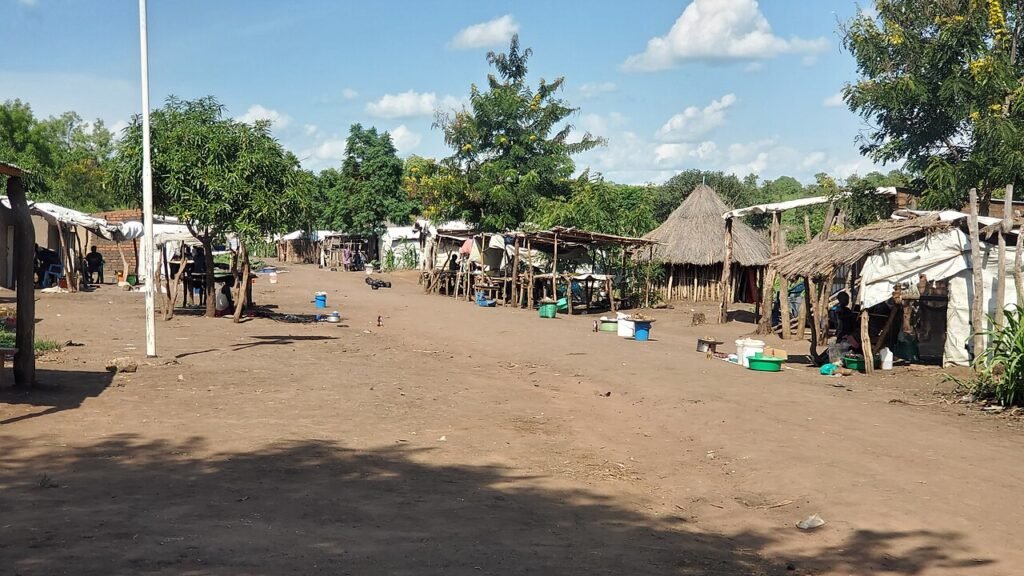
Lamwo, Uganda Weekend: The Acholi Heartland, Hidden Waterfalls & Forgotten Forts (2026)
You step off the dusty bus into the dry, fragrant air of Lamwo town—the scent of smoked fish and simmering groundnut stew drifts from a roadside stall. A chorus of Acholi greetings, children’s laughter, and the rhythmic thud of mortars pounding millet sets the rhythm. For two days, you leave paved roads behind and sink into a landscape of rolling grasslands, ancient baobabs, and a borderlands culture shaped by war and resilience.
Quick Facts Before You Go
- Best Months: June to August (dry, cool) and December to February (drier still). Avoid April–May and October–November when rains turn dirt roads to mud.
- Currency: Ugandan shilling (UGX). At press time, $1 ≈ 3,700 UGX. ATMs exist only in Gulu, so bring cash.
- Language: Acholi is the local tongue; English is spoken by officials, teachers, and younger people, but you’re wise to learn a few Acholi greetings (“Itye?” – How are you? – “Atye” – I am fine).
- Budget: UGX 150,000–300,000 per day ($40–$80) covering transport, meals, and basic lodging. Luxury isn’t here—authenticity is.
- Getting There: Fly into Gulu Airport (ULU) from Entebbe (1.25 hours, about $80–$120 one-way). From Gulu town, take a shared taxi or private hire (2–3 hours, UGX 30,000–80,000). Book flights at Skyscanner.
Day 1: Borderlands & the Baobab Market
You start the morning in Lamwo town centre, where the weekly market spills from a row of tin-roofed stalls into a field of red earth. Travelers often arrive by 8am to catch the best produce: sun-dried okra, wild honey in plastic bottles, and smoked fish stacked like firewood. The bargaining is gentle; locals smile as you try to say “tek tek” (just a little) in Acholi. By 9am the heat is building, and the scent of charcoal-grilled maize draws you toward the food section.
- Morning (8–11am): Lamwo Town Market – free to wander. Buy a bunch of sweet bananas for UGX 2,000. Watch women weave palm-frond baskets (UGX 10,000–20,000). Chat with a local elder about the Acholi traditions—many speak some English. Tip: bring small notes; vendors rarely have change for large bills.
- Lunch: Otoo’s Restaurant & Lounge – on the main road, a short walk from the market. Order the malakwang (a sour vegetable stew) with posho (maize porridge) and grilled tilapia for UGX 15,000. The fish is caught from the nearby Aswa River—smoky, flaky, perfect.
- Afternoon (1–5pm): Visit the Lamwo Cultural Museum (donation UGX 5,000) in a restored colonial-era building. Then drive 30 minutes north to the abandoned fort at Padibe—a relic of the 1970s Uganda-Tanzania war. Most tourists overlook this site; you’ll find only goats and a rusted flagpole. At 3pm head to the banks of the Aswa River, where you can see crocodiles sunning on rocks (dry season only). Hire a local guide (UGX 20,000) to tell you about the river’s role in the Lord’s Resistance Army conflict—a sobering but essential history.
- Evening: Dinner at Acholi Kitchen, a family-run restaurant near Lamwo Central. The specialty is luwombo (groundnut stew steamed in banana leaves) – UGX 18,000. Afterward, join the impromptu dance circle at the nearby community hall (Friday nights only, free). You’ll hear the drum rhythm of the otigam, and locals will pull you in to learn the shuffling Acholi step. Savvy visitors bring a scarf to wipe sweat; dancing in 28°C heat is no joke.

Zone 6 block 8 Lamwo, Lamwo, Uganda
Day 2: Waterfall Secrets & the Lost Forest
Day two calls for an early start. You wake to roosters and the soft sound of women sweeping courtyards. The air is cool—a blessing before the sun bakes the earth. Today you leave the main roads behind, following a dirt track toward the Karuma escarpment. Travelers who make the effort are rewarded with one of northern Uganda’s most underrated sights: a triple-tier waterfall hidden among fig trees.
- Morning (6:30–9am): Breakfast at your lodge or at Mama Grace’s stall (UGX 5,000 for chapati, eggs, and sweet milky tea). Then hire a local boda-boda (motorcycle) to take you to Lapono Hill – UGX 40,000 round trip including waiting time. The climb takes 45 minutes; from the top you see all of Lamwo district stretching into South Sudan. Locals say the hill was a hideout during the insurgency—you can still see cave entrances. Bring water and a hat.
- Midday (10am–1pm): The real prize: Lapono Waterfalls. Ask your boda-boda driver to continue 10 km past the hill to a turnoff marked by a large mango tree. You’ll walk 20 minutes through farmland (ask permission—a simple greeting is enough). The falls drop 15 metres into a cool pool. Insider tip: arrive at 11:30, when the sun is high enough to light the spray. You’ll likely have the place to yourselves—most visitors come with organised groups, never solo. Swim if you want; the water is clean but cold. Free admission.
- Afternoon (1–5pm): Return to Lamwo town for a late lunch at Lira’s Spot, a roadside grill known for nyama choma (goat meat) with crispy pork skin – UGX 12,000 for a generous plate. Afterward, explore the craft market near the bus park where you’ll find hand-carved wooden figurines and Acholi thumb pianos (adungu) priced at UGX 15,000–30,000. Haggling is okay but keep it friendly—the craftspeople rely on these sales.
- Final Evening: Your farewell dinner should be at The Acacia Inn’s rooftop terrace (booking advised, call +256-782-456-789). Order the beef stew with sweet potatoes and gnut sauce (UGX 20,000). As the sun sets, the sky turns orange and purple over the plains. You’ll hear the call to prayer from a distant minaret, blending with the lowing of cattle. It’s a moment that captures Lamwo: quiet, layered, resilient.
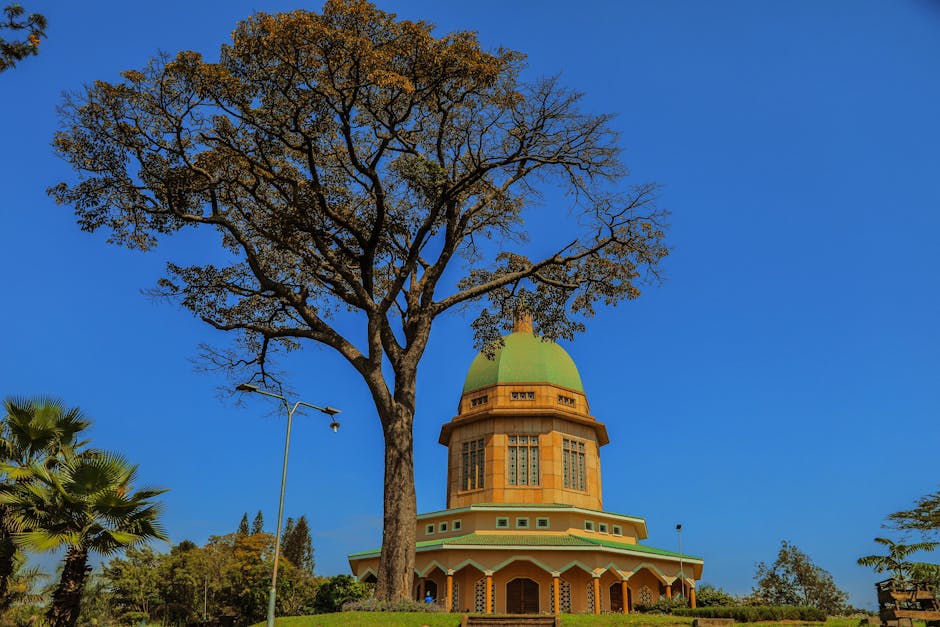
Stunning architecture of a religious building with a distinctive dome near …, Lamwo, Uganda
The Food You Can’t Miss
Lamwo’s cuisine is Acholi home cooking at its most honest. You’ll find no tourist menus—only what the season and the land provide. The staple is millet bread (kwon), often served with a smooth, nutty groundnut sauce (odii). Street vendors sell this at the market for UGX 3,000 per plate. For a true breakfast, seek out agu – a thick porridge made from sorghum, often taken with a drizzle of local honey. It’s earthy, filling, and sticks with you through a morning walk.
Travelers quickly develop a loyalty to one dish: smoked tilapia from the Aswa River, grilled until the skin crackles and served with chopped onions and chili. The best version is found at Otoo’s Restaurant (see Day 1 lunch) – they smoke their fish in a steel drum behind the kitchen. The price, UGX 12,000–15,000, includes a heap of posho or rice. For a street-food thrill, stop at the junction near Lamwo Health Centre after 5pm, where a woman named Aciro sells roasted grasshoppers (nsenene) in paper cones for UGX 2,000 – crunchy, salty, and surprisingly addictive. Locals recommend adding a squeeze of lemon.
If you only sit down to one meal, make it a luwombo. This steamed banana-leaf parcel of meat or fish in peanut sauce is the region’s festive dish. The family-run Acholi Kitchen (Day 1 evening) makes a version with mutton so tender it falls apart with a spoon. Cost: UGX 18,000–22,000. Bring a healthy appetite and an open mind—the cooking is simple but profound.
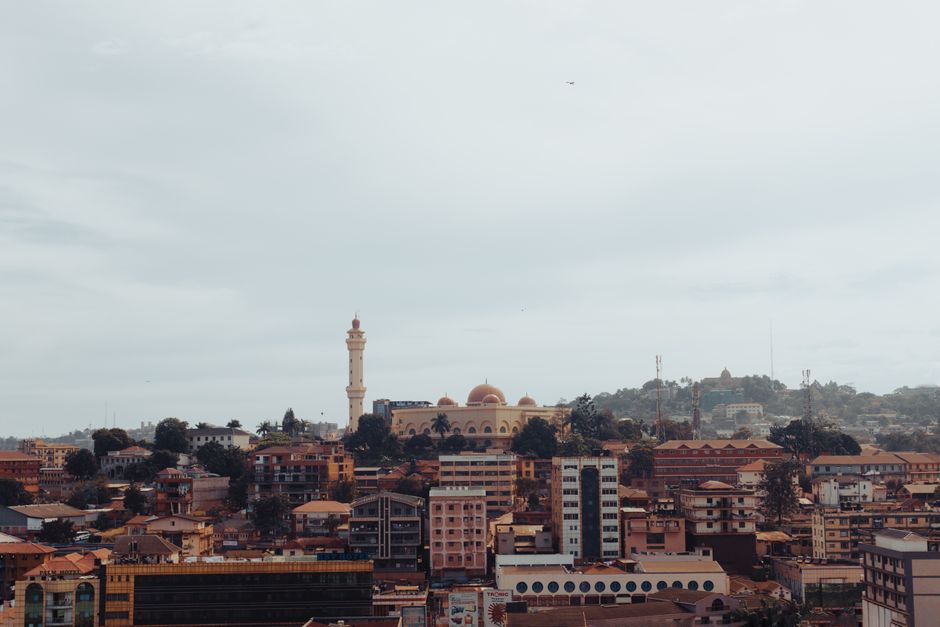
Scenic aerial view of Kampala with a beautiful mosque and urban landscape., Lamwo, Uganda
Where to Stay for the Weekend
Lamwo has no luxury lodges; you choose character over comfort. The most atmospheric option is Acholi Rest Inn (c. 2010, UGX 80,000 per night for a private room with mosquito net and fan) near the town’s main junction. The rooms are simple but clean, and the garden is planted with lemongrass and marigolds. Owners Mary and Joseph can organise guides and transfers. A cheaper alternative is Lamwo Guesthouse (UGX 50,000 per night), a no-frills hostel with shared bathrooms—best for backpackers on a tight budget. Both are within walking distance of the market.
For a unique experience, book a homestay in the village of Padibe through Airbnb (search “Lamwo cultural homestay” – prices UGX 120,000 including meals). You’ll sleep in a round hut with a thatched roof, eat with the family, and wake to birdsong. It’s immersive and safe—the welcomes are genuine. If you prefer a slightly more standard setup, use Booking.com to find Gulu-based lodges such as Bomah Inn (a 40-minute drive away) for around UGX 200,000, but that defeats the purpose of a weekend in Lamwo itself.
Before You Go: Practical Tips
- Getting Around: The main option is boda-boda – UGX 5,000–10,000 for short town trips (negotiate beforehand). For longer distances (e.g. Lapono), hire a boda for the half-day at UGX 40,000–60,000. There are no car rentals in Lamwo, but you can arrange a private driver from Gulu for around UGX 200,000 per day. Shared taxis (“taxis” – minibuses) run between Gulu and Lamwo town, departing every hour until 4pm, cost UGX 20,000.
- What to Pack: A lightweight long-sleeved shirt (for sun and mosquitoes); sturdy sandals or boots for rocky trails; a headlamp (power outages are common); and a small first-aid kit with oral rehydration salts – the heat can sap energy quickly. Also bring wet wipes; dust gets everywhere.
- Common Tourist Mistakes: Taking photos without asking – always seek permission, especially of people. Another error is assuming everyone speaks English. Learn “Apwoye” (thank you) and “Ber” (good) – even halting attempts earn big smiles. Also, avoid wearing shorts in villages; locals prefer modest dress, though you won’t be scolded.
- Money-Saving Tip: Eat at market stalls for lunch – a plate of kwon and odii with greens costs UGX 3,000 instead of UGX 15,000 at a restaurant. Buy a 5-litre jerry can of filtered water from the town’s borehole for UGX 2,000 rather than plastic bottles (UGX 1,000 each). You’ll save at least UGX 8,000 per day and reduce plastic waste.

