
Lalibela Rock-Hewn Churches, Ethiopia: Stunning Faith, Architecture & Timeless Wonder (2025)
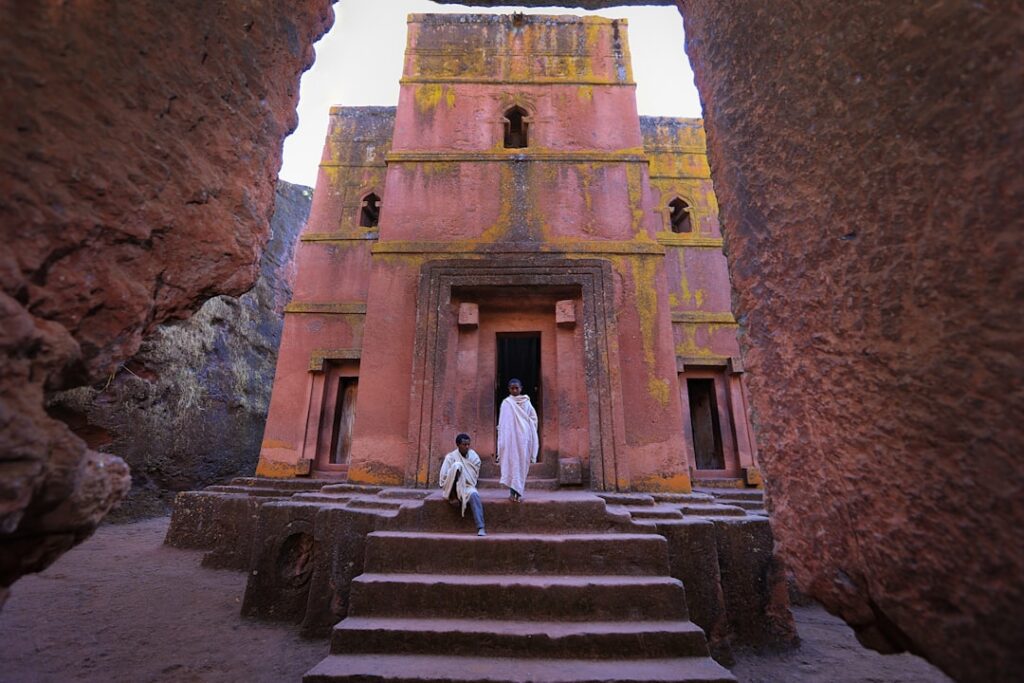
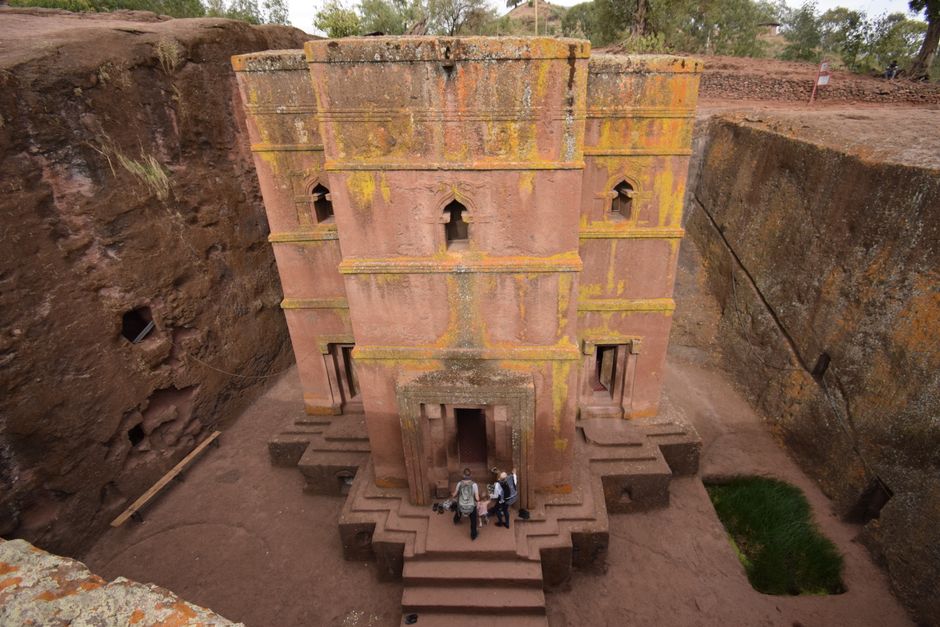
At dawn, the scent of frankincense drifts from the subterranean entrance of Bet Giyorgis, the Church of St. George. The first rays of sun illuminate the 40-foot-tall cruciform monolith, carved entirely from a single block of volcanic rock in the 12th century. The silence is broken only by the soft chants of white-robed priests beginning their daily prayers. This is not a museum; it’s a living, breathing spiritual epicenter where devotion has echoed off these hand-hewn walls for over 800 years.
Why Lalibela Rock-Hewn Churches, Ethiopia Stands Out

Mountain photograph, Lalibela Rock-Hewn Churches, Ethiopia
- Historic Architecture: The 13th-century Bet Medhane Alem is the world’s largest monolithic rock-hewn church, a colossal structure supported by 36 pillars, both inside and out.
- Cultural Scene: Experience Genna, the Ethiopian Christmas celebration on January 7th, when thousands of pilgrims fill the complex for all-night services under a canopy of stars.
- Local Specialties: You must try *tibs*, sizzling spiced lamb or beef sautéed with onions, rosemary, and awaze (a fiery red pepper paste), best enjoyed with *injera*.
Pro Tip: Arrive at the churches by 6:30 AM, right as they open. You’ll have the most atmospheric sites nearly to yourself for an hour before the day’s tour groups arrive, and you can witness the mystical morning rituals of the priests.
Map of Lalibela Rock-Hewn Churches, Ethiopia
Use these interactive maps to explore Lalibela Rock-Hewn Churches, Ethiopia and plan your route:
📍 View Lalibela Rock-Hewn Churches, Ethiopia on OpenStreetMap
🗺️ Open Lalibela Rock-Hewn Churches, Ethiopia in Google Maps
Planning Your Trip: Practical Essentials
Getting There and Around
- By Air: Lalibela Airport (LLI) is served by Ethiopian Airlines with daily flights from Addis Ababa (approx. 1 hour). A shared van to town costs about 50 ETB ($1 USD), while a private taxi is 300-400 ETB ($5-7 USD). Book flights at Skyscanner for best deals.
- By Train: There is no direct train service to Lalibela. The nearest major hub is Kombolcha, accessible by long-distance bus from Addis. Reserve tickets at Trainline or the national railway website for planning other legs of your Ethiopian journey.
- By Car: A 4×4 is recommended for the 2-day scenic drive from Addis Ababa via Dessie. Roads are challenging but rewarding. Compare car rentals at RentalCars.com for pick-up in Addis.
- Local Transport: The compact town is easily walkable. For churches further out, like Yemrehanna Kristos, hire a local guide with a 4×4 for about 1500-2000 ETB ($26-35 USD) for a half-day trip.
Best Time to Visit
The ideal time to visit Lalibela is during the dry seasons, when the skies are clear, and the famous rock-hewn trenches and tunnels are free of mud. The climate is pleasant year-round due to the high altitude (2,500 meters), but timing your visit around major festivals can be a profound cultural experience.
| Season | Weather | Highlights |
|---|---|---|
| Dry Season (Oct–Mar) | Sunny days, cool nights (10-25°C / 50-77°F). No rain. | Perfect for exploration. Includes Genna (Jan 7) and Timkat (Jan 19) festivals—peak spiritual energy but also peak crowds. |
| Rainy Season (Jun–Sep) | Regular afternoon showers, lush greenery (12-20°C / 54-68°F). | Dramatic skies, significantly fewer tourists, and lower prices. Some paths can be slippery. |
| Shoulder (Apr–May) | Warm, with increasing chance of rain (15-27°C / 59-81°F). | A sweet spot with good weather, manageable tourist numbers, and vibrant landscapes. |
Budgeting for Lalibela Rock-Hewn Churches, Ethiopia

Aerial view of the iconic rock-hewn Church of Saint George in Lalibela, Lalibela Rock-Hewn Churches, Ethiopia
| Category | Budget | Mid-range | Luxury |
|---|---|---|---|
| Accommodation | Guesthouse: 400-800 ETB ($7-14 USD) | Comfortable Hotel: 1,500-2,500 ETB ($26-44 USD) | Boutique Lodge: 4,000+ ETB ($70+ USD) |
| Meals | Local eatery: 80-150 ETB ($1.5-3 USD) | Hotel restaurant: 200-400 ETB ($3.5-7 USD) | Fine dining (limited): 600+ ETB ($10+ USD) |
| Transport | Walking, shared van from airport | Private taxi trips, hired 4×4 for sites | Private car & driver for entire stay |
| Activities | Church entry: 50 USD for 5-day pass | Guided tour: 800-1200 ETB/day ($14-21 USD) | Private expert guide, special access tours |
| Daily Total | ~$40-60 USD | ~$80-120 USD | ~$200+ USD |
*Note: The UNESCO site entry fee is a separate, mandatory cost of $50 USD for a 5-day pass for all foreign non-African nationals. Pay this at the official ticket office near the site entrance.
Top Attractions and Must-See Sights
| Attraction | Description | Hours | Entry Fee |
|---|---|---|---|
| Bet Giyorgis (St. George) | The iconic, perfectly symmetrical cross-shaped church, isolated in a deep pit, is Lalibela’s masterpiece. | 6:30 AM – 5:30 PM | Included in $50 pass |
| Bet Medhane Alem | The largest monolithic rock-hewn church in the world, resembling a Greek temple with its colonnades. | 6:30 AM – 5:30 PM | Included in $50 pass |
| The Northern Group (Bet Maryam, Bet Maskal, Bet Danaghel) | A cluster of interconnected churches featuring ancient frescoes and the symbolic Tomb of Adam. | 6:30 AM – 5:30 PM | Included in $50 pass |
| Yemrehanna Kristos | A stunning 11th-century built-up church in a cave, 42km from Lalibela, predating King Lalibela’s works. | Daylight Hours | ~200 ETB ($3.5 USD) |
3-Day Itinerary: Lalibela Rock-Hewn Churches, Ethiopia’s Highlights & Hidden Gems
Day 1: The Northern Group & Ancient Tunnels
- Morning (7:00 AM): Start at the ticket office to buy your $50 pass. Head directly to the Northern Group. Enter Bet Maryam first, admiring its 800-year-old frescoes and the pillar covered in cloth that locals believe holds the secrets of the church’s construction. Your best bet is to find a quiet corner and watch pilgrims kiss the ancient stones.
- Afternoon (12:30 PM): Explore the labyrinthine tunnels connecting the churches. Pass through the symbolic “Gate of Heaven” and the dark, narrow “Tunnel of Hell.” For lunch, walk to Ben Abeba Restaurant for its spectacular cliffside views and unique fusion of Ethiopian and Scottish food (try the spicy lamb shanks for ~350 ETB).
- Evening (6:00 PM): Attend the sunset ceremony at Bet Maryam if one is scheduled. For dinner, enjoy traditional fare at Unique Restaurant in town for excellent *tibs* and *kitfo* (minced raw beef) in a cozy setting (~250 ETB per person).
Day 2: Bet Giyorgis & The Eastern Group
- Morning (6:30 AM): Be the first at Bet Giyorgis. The morning light is magical. Descend the trench and circle the church before entering. Hire a local site guide for 300 ETB here—they’ll point out details like the “footprint of St. George’s horse” in the roof.
- Afternoon (1:00 PM): Visit the Eastern Group of churches, including the dual-level Bet Gabriel-Rufael, accessed by a nerve-testing rock-hewn bridge. For lunch, try Lal Hotel’s restaurant for reliable local dishes and fresh juice (~200 ETB).
- Evening (5:00 PM): Hike up to the Asheten Mariam Monastery (a 2-hour round trip) for a panoramic sunset view over the entire church complex. It’s a steep climb but a favorite secret spot for photographers. Return for a relaxed dinner at your hotel.
Day 3: Yemrehanna Kristos & Local Life
- Morning (7:30 AM): Hire a 4×4 and guide (approx. 2000 ETB total) for the 90-minute drive to Yemrehanna Kristos. The church, nestled in a dramatic cave, is architecturally distinct and houses the mummified remains of pilgrims. The drive itself through rural villages is unforgettable.
- Afternoon (12:30 PM): Enjoy a packed lunch near the site. Return to Lalibela and visit the local market (not the tourist market by the churches) to see everyday life. You can find beautiful hand-woven cotton scarves (*netela*) for around 150-300 ETB.
- Evening (7:00 PM): For your final night, savor a celebratory dinner at Seven Olives Hotel. Dine in their garden and reflect on your journey over a glass of *tej* (honey wine). Ask about traditional music and dance performances, often held here.
Cultural Insights & Etiquette
- Language: The local language is Amharic. Learn “Selam” (Hello), “Ameseginalehu” (Thank you), and “Ishi” (Okay). English is understood by most guides and hotel staff, but not widely spoken in the market.
- Customs: Always remove your shoes before entering a church. It is respectful to walk clockwise around holy objects. Never point the sole of your foot towards an altar, priest, or another person.
- Tipping: Not mandatory but appreciated. Tip guides 200-500 ETB per day depending on service. For small services, 20-50 ETB is suitable. Round up taxi fares.
- Dress Code: Modesty is crucial at religious sites. Shoulders and knees must be covered for both men and women. Women should wear a skirt or dress below the knee; trousers are often frowned upon inside churches.
- Business Hours: Government hours are 8:30 AM – 12:30 PM and 1:30 PM – 5:30 PM, Sunday-Thursday. Shops open earlier and close later. Churches follow their own ritual schedule.
Where to Eat: Lalibela Rock-Hewn Churches, Ethiopia’s Best Bites
Dining in Lalibela is about hearty, flavorful Ethiopian cuisine. You’ll eat with your hands, using *injera* (a spongy sourdough flatbread) to scoop up stews and salads. Most restaurants are family-run, offering generous portions and warm hospitality.
Must-Try Local Specialties
- Doro Wat: Ethiopia’s famous spicy chicken stew, simmered with berbere spice and served with a hard-boiled egg. Best tried at a local home during a holiday, but Unique Restaurant makes a solid version.
- Tibs: Sizzling chunks of meat (beef, lamb, or goat) sautéed with onions, rosemary, and peppers. Lal Hotel serves an excellent *tibs bega* (beef tibs).
- Shiro: A delicious, creamy stew made from ground chickpeas or broad beans, a staple fasting food. Found at virtually every local eatery for a quick, cheap, and filling meal.
Restaurant Recommendations by Budget
| Type | Restaurant | Specialty | Price Range |
|---|---|---|---|
| Budget | Blue Lal Restaurant (Town Center) | Authentic local stews and great coffee ceremony | 80-150 ETB ($1.5-3 USD) |
| Mid-range | Ben Abeba (On the cliff road) | Stunning views, fusion cuisine, and fresh juices | 250-450 ETB ($4-8 USD) |
| Fine dining | Seven Olives Hotel Restaurant | The most refined traditional multi-course meals in town | 500+ ETB ($9+ USD) |
Where to Stay
Accommodation ranges from basic guesthouses to a few beautiful boutique lodges. Most hotels are within a 15-minute walk of the church complex. Staying closer to the site means easier early morning access. Compare prices and book at Booking.com or Airbnb for apartments.
Best Neighborhoods for Accommodation
- Near the Church Complex: The most convenient area. You can roll out of bed and be at the gates at opening time. It can be slightly noisier with tourist traffic. Ideal for serious photographers and those with limited mobility.
- Upper Town/Ridge Area: Offers spectacular views and a quieter, more residential feel. Requires a short walk or taxi ride downhill to the sites. Perfect for travelers seeking peace and panoramic vistas, like at the Mountain View or Tukul Village hotels.
- Market Area: Immersive and bustling, placing you in the heart of local daily life. Accommodation here is often more basic but incredibly authentic. Best for adventurous budget travelers who want to experience the town’s rhythm.
Stunning view of a rock-hewn church in Lalibela, Lalibela Rock-Hewn Churches, Ethiopia
FAQs: Your Lalibela Rock-Hewn Churches, Ethiopia Questions Answered
1. Is Lalibela Rock-Hewn Churches, Ethiopia safe at night?
Lalibela is generally very safe. The town is small and community-oriented. As in any destination, exercise common sense: avoid poorly lit, isolated areas at night, keep valuables secure, and use a hotel taxi if returning late. Petty theft is rare but can occur in crowded spaces.
{“@context”: “https://schema.org”, “@type”: “FAQPage”, “mainEntity”: [{“@type”: “Question”, “name”: “What is the best time to visit Lalibela Rock-Hewn Churches?”, “acceptedAnswer”: {“@type”: “Answer”, “text”: “The best time to visit Lalibela Rock-Hewn Churches depends on your preferences. Generally, the dry season offers the most pleasant weather for sightseeing and outdoor activities.”}}, {“@type”: “Question”, “name”: “How many days do I need in Lalibela Rock-Hewn Churches?”, “acceptedAnswer”: {“@type”: “Answer”, “text”: “Most travelers spend 3-5 days in Lalibela Rock-Hewn Churches to see the main attractions. A week allows for a more relaxed pace and day trips.”}}, {“@type”: “Question”, “name”: “Is Lalibela Rock-Hewn Churches expensive to visit?”, “acceptedAnswer”: {“@type”: “Answer”, “text”: “Lalibela Rock-Hewn Churches can be visited on various budgets. Accommodation ranges from hostels to luxury hotels, and local restaurants offer affordable dining.”}}]}
Related Guides
Explore more destinations similar to Lalibela Rock-Hewn Churches:

