
Kuito, Angola: Restoration, Highland Culture & Untouched Traditions (2026)
Only about 4,000 international travelers visit Kuito annually, yet this central Angolan city offers a raw journey into Ovimbundu culture and post-war resilience that Luanda can’t match. While the coast draws beachgoers, Kuito delivers genuine cultural immersion at a fraction of the cost—expect to spend just $35–50 daily including meals and lodging. Here’s what savvy travelers are discovering in the heart of Bié Province.
Why Kuito, Angola Stands Out
- Historic Architecture: The Igreja de São João Baptista (built 1925) survived the civil war’s worst shelling and now anchors the city’s central plaza, a powerful symbol of endurance.
- Cultural Scene: The annual Festival de Música do Bié, held each August, showcases traditional Umbundu dance troupes and local folk musicians you won’t hear anywhere else.
- Local Specialties: Funge de angu de milho com galinha à cabidela—a hearty maize porridge served with chicken in blood-based sauce—is the must-try dish that locals eat by hand.
Pro Tip: Plan your visit between May and August, the dry season’s sweet spot. Arrive on a Thursday to catch the sprawling Feira Municipal market, which vendors from across the highlands attend, and bring a Portuguese phrasebook—English is rarely spoken beyond hotel lobbies.
Map of Kuito, Angola
Use these interactive maps to explore Kuito, Angola and plan your route:
📍 View Kuito, Angola on OpenStreetMap
🗺️ Open Kuito, Angola in Google Maps
Planning Your Trip: Practical Essentials

Beautiful Kuito, Angola scenery
Getting There and Around
- By Air: Kuito Airport (SVP) receives 2–3 weekly flights from Luanda’s Quatro de Fevereiro Airport on TAAG Angola Airlines. The 1-hour flight costs roughly 45,000–70,000 kwanza (AOA) one-way. Book flights at Skyscanner for best deals, though TAAG’s own site is more reliable for domestic routes.
- By Train: The Benguela Railway once connected Kuito to the coast, but civil war damage left the line non-operational. For now, your best bet is road or air—check Trainline only for background, as service remains suspended.
- By Car: The EN250 highway from Luanda to Kuito is roughly 600 km and takes 8–10 hours. Rental cars start around 15,000 AOA/day, but you’ll want a 4×4 for the battered stretches. Compare options at RentalCars.com, though local agencies in Luanda are often cheaper.
- Local Transport: Blue-and-white candongueiros (shared minibuses) run the main routes for 150–300 AOA per ride. Motorcycle taxis called “moto-táxis” offer faster hops at 200–500 AOA for short trips around the city center.
Best Time to Visit
Kuito sits at 1,700 meters on the Bié Plateau, giving it a subtropical highland climate that’s cooler than coastal Angola. The dry season from May to August brings clear skies and comfortable temperatures—your ideal window for exploring. Rains peak between November and March, turning dirt roads to mud and making some war ruins difficult to access.
Budgeting for Kuito, Angola
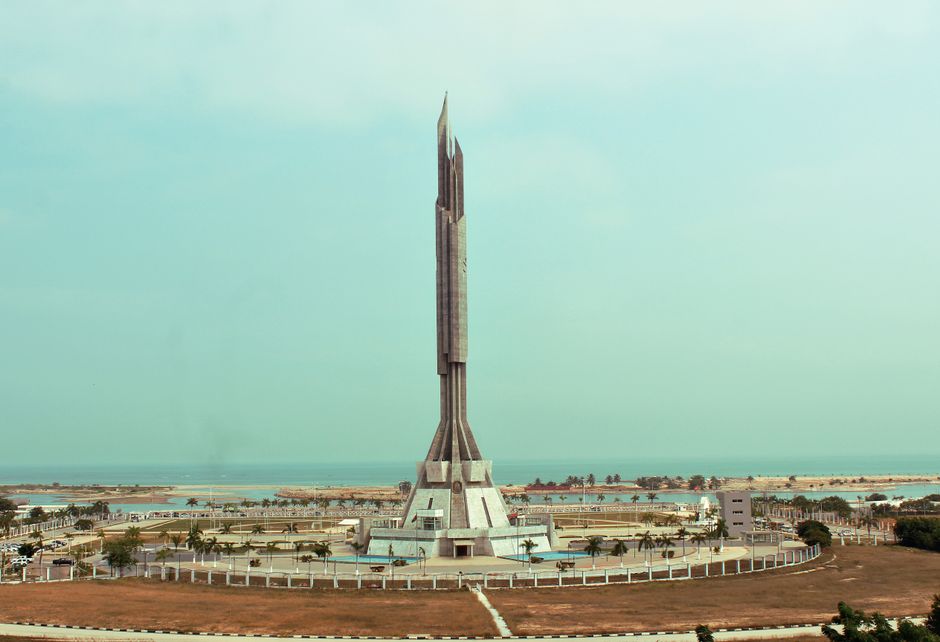
A striking view of the Mausoleum of Neto in Luanda, Kuito, Angola
| Category | Budget | Mid-range | Luxury |
|---|---|---|---|
| Accommodation | 5,000–8,000 AOA/night ($6–10) | 10,000–20,000 AOA ($12–24) | 25,000–40,000 AOA ($30–48) |
| Meals | 1,000–2,000 AOA per meal ($1.20–2.40) | 3,000–6,000 AOA ($3.50–7) | 8,000–15,000 AOA ($9–18) |
| Transport | 300–1,000 AOA daily (candongueiros) | 3,000–5,000 AOA (moto-táxi + longer rides) | 10,000–20,000 AOA (private driver) |
| Activities | Free market visits and church tours | 1,000–3,000 AOA for guided ruins walk | 8,000–12,000 AOA for day trip to Cuito River Valley |
| Daily Total | $12–18/day | $25–40/day | $50–80/day |
Top Attractions and Must-See Sights
| Attraction | Description | Hours | Entry Fee |
|---|---|---|---|
| Praça do Município & Igreja de São João Baptista | Central plaza with the 1925 stone church, surrounded by war-scarred but rebuilding colonial buildings | Always open; church mass Sundays at 9 AM | Free |
| War Ruins & Memorial Walk | Shelled-out buildings and a self-guided trail through the city’s civil war history, with plaques in Portuguese | Daylight hours | Free; guided tour 2,000 AOA |
| Feira Municipal Market | Sprawling daily market with highland produce, traditional woven baskets, and clay pottery from local artisans | 6 AM–5 PM, busiest Thursdays | Free |
| Miradouro da Serra da Chela | 20-minute drive south to a escarpment viewpoint overlooking the Cuito River valley and surrounding plains | Best at sunrise (5:30 AM) or sunset (5:45 PM) | Free; moto-táxi round trip 1,500 AOA |
3-Day Itinerary: Highlights & Hidden Gems of Kuito, Angola

Aerial view of Lubango city with a prominent church in Huíla, Kuito, Angola
Day 1: Walking Through History
- Morning: Start at Praça do Município at 7 AM to catch the city waking up. Locals recommend arriving before the heat sets in—you’ll see vendors setting up around the Igreja de São João Baptista, and the light hits the church’s weathered stone beautifully for photos.
- Afternoon: Visit the War Ruins & Memorial Walk from 12–2 PM—download a Portuguese translation app first since plaques lack English. For lunch, head to Restaurante Central on Rua dos Combatentes for funge com galinha à cabidela (1,800 AOA), a dish travelers consistently call unforgettable.
- Evening: Watch sunset from the Miradouro da Serra da Chela at 5:30 PM, then dine at Churrasqueira Kuito on Avenida 28 de Maio, where grilled cabrito (goat) with piripiri sauce runs about 2,500 AOA.
Day 2: Markets & Highland Crafts
- Morning: Hit the Feira Municipal by 7 AM—Thursday is best. Bring small bills (200–500 AOA notes) for bargaining on handwoven baskets and clay pots. Experienced travelers suggest starting at the back stalls where quality is higher.
- Afternoon: Visit the small but moving Museu Regional do Bié (10:30 AM–1 PM, entry 500 AOA) on Avenida da Independência for artifacts from Ovimbundu kingdoms and civil war relics. Lunch at Pastelaria Bié (caldo de peixe for 1,200 AOA).
- Evening: Join locals at Bar Esplanada Kuito from 6 PM for a cold Cuca beer (350 AOA) and watching the city’s evening parade—you’ll see families, vendors closing up, and the community’s genuine warmth.
Day 3: Countryside Escape
- Morning: Hire a candongueiro (3,000 AOA round trip) to the Cuito River, 12 km east. Locals recommend arriving by 7:30 AM to see women washing clothes and fishermen using traditional woven traps. The morning mist over the river valley is something seasoned travelers rave about.
- Afternoon: Return to town for a cooking experience—ask at your hotel to arrange a funge-making session with a local family (around 5,000 AOA including lunch). You’ll learn why this dish is the soul of Ovimbundu cuisine.
- Evening: End at Restaurante São João on Rua do Comércio for a farewell dinner—try the moamba de ginguba (peanut chicken stew, 3,200 AOA) and raise a glass to Kuito’s resilience.
Cultural Insights & Etiquette
- Language: Portuguese is the official language; Umbundu is spoken among Ovimbundu locals. Learn “bom dia” (good morning), “obrigado” (thank you), and “kwandu” (a local greeting). English is very limited—download offline Portuguese on Google Translate.
- Customs: Always greet people with a handshake before a conversation—it’s seen as fundamental respect. Elders are held in high esteem; let them order first at meals or enter a room ahead of you.
- Tipping: Not mandatory, but leaving 10% at restaurants is appreciated. For moto-táxi drivers, rounding up 100–200 AOA is standard.
- Dress Code: Modest clothing is essential—long pants for men, skirts or dresses below the knee for women. Shorts and sleeveless tops are only acceptable at your hotel. The highland evenings can be cool, so bring a light jacket.
- Business Hours: Shops open 7 AM–6 PM Monday–Saturday. Sundays are quiet—most places close except markets and a few restaurants. Government offices operate 8 AM–3 PM on weekdays.
Where to Eat: The Best Bites in Kuito, Angola
Kuito’s dining scene centers on hearty Ovimbundu cooking—funge, moamba, and grilled meats dominate menus. Street food is limited to grilled corn and fried mandioca snacks, so your best bets are family-run restaurants called “cantinas” and a handful of sit-down spots. Portions are generous; plan to share or take leftovers.
Must-Try Local Specialties
- Funge de angu de milho com galinha: A maize porridge served with chicken in tomato-onion sauce. The trick is eating it with your right hand—roll the funge into a ball, make an indent, and scoop the chicken. Best at Restaurante Central.
- Moamba de ginguba: Peanut-based chicken stew with okra and palm oil, slow-cooked until rich. You’ll find exceptional versions at Restaurante São João.
- Calulu de peixe seco: Dried fish cooked with vegetables, palm oil, and gimboa (a local leaf green). Try it at Pastelaria Bié for an authentic taste of highland cooking.
Restaurant Recommendations by Budget
| Type | Restaurant | Specialty | Price Range |
|---|---|---|---|
| Budget | Cantina da Maria, Rua 4 de Setembro | Funge caseiro with fish or chicken | 800–1,500 AOA |
| Mid-range | Restaurante Central, Praça do Município | Moamba and grilled cabrito | 1,800 |

