
Kudus, Indonesia on a Budget: How to Savor Java’s Hidden Gem for $25/Day (2026)
While a bowl of soto in Semarang costs you $3.50 and a basic guesthouse in Yogyakarta runs $18 a night, Kudus, Indonesia flips the script. Here, you will find the same legendary soto Kudus for just $0.80, and a clean, fan-cooled homestay within walking distance of the iconic Menara Kudus mosque sets you back a mere $8. Travelers discover that this historic kretek (clove cigarette) capital offers an authentic Central Javanese experience at roughly half the price of its more famous neighbors—without sacrificing a single spoonful of flavor.
7 Free Things to Do in Kudus, Indonesia
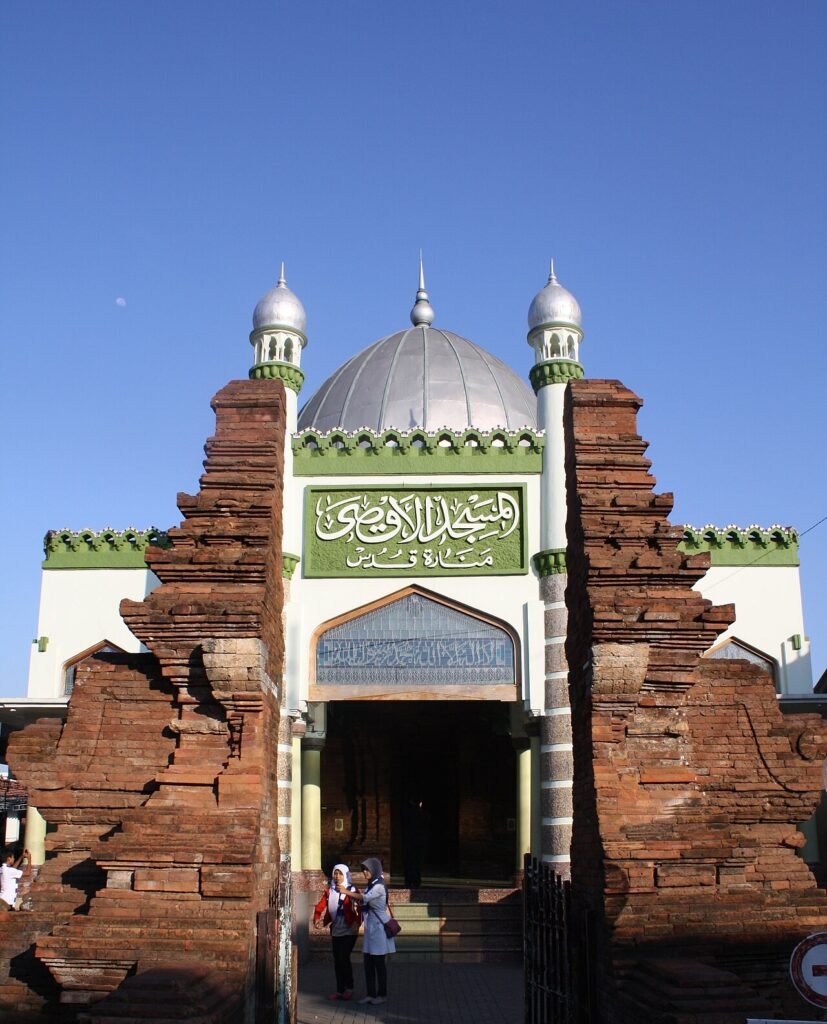
- Explore the Menara Kudus Mosque Complex: You can wander the grounds of this 16th-century masterpiece, built in 1549 by Sunan Kudus, one of the nine Islamic saints of Java. The towering red-brick minaret, which strikingly resembles a Hindu-Balinese temple, is entirely free to view from the outside. Locals recommend visiting just before Maghrib prayer (around 5:15 PM) when the call to prayer echoes through the old quarter and the sandstone glows amber. You will also find the sacred tomb of Sunan Kudus adjacent—entry is free, though a small donation is appreciated. Savvy visitors note that the kerbau (water buffalo) tethered nearby, known as Kebo Gumarang, is considered sacred and central to the mosque’s founding legend.
- Stroll the Traditional Tobacco Warehouses of Dukuh: Kudus is the heart of Indonesia’s kretek industry, and travelers often discover the aging godowns along Jalan Dukuh. These towering bamboo-and-brick structures, some dating back to the 1920s, are where tobacco leaves are dried and fermented before being rolled into clove cigarettes. You can walk through the narrow lanes between 8:00 AM and 11:00 AM, when workers are most active, and observe the entire process without spending a cent. The earthy, sweet aroma of curing tobacco is an experience in itself.
- Visit Alun-Alun Kudus (City Square): Every evening from around 4:30 PM until 9:00 PM, the main square transforms into a free community carnival. You will see families flying kites, children pedaling brightly lit bicycle carts, and impromptu football matches. The square is also where you can people-watch and soak up the laid-back local vibe. On Sunday mornings, the square hosts a free car-free day with traditional sports and exercise groups.
- Hike the Bukit Gajah Mungkur Viewpoint: A 30-minute walk or short ojeg ride from the city center brings you to this hilltop lookout offering panoramic views of Kudus and the surrounding Muria mountain range. There is no entry fee, and the best time to go is at sunrise (around 5:30 AM), when the mist hangs low over the tobacco fields and the city slowly wakes. Bring water and wear sturdy shoes—the path can be muddy after rain.
- Wander the Kretek Museum (Free Entry Day): While the Museum Kretek at Jalan A. Yani No. 11 normally charges a modest $0.30, it is free to enter every first Sunday of the month. You can explore exhibits on the history of the clove cigarette industry, see antique rolling machines, and learn how kretek fueled Kudus’s economy. Even on paid days, the museum is a steal, but travelers on a true shoestring can plan around the free Sunday.
- Photograph the Old Dutch Colonial Buildings: Kudus retains a surprising number of colonial-era structures from the Dutch East Indies period, particularly along Jalan Pemuda and around the train station. You can spend an hour or two simply walking these streets, photographing the faded yellow-and-white façades, shuttered windows, and rusting wrought-iron balconies. Look for the former KPM office (now a government building) and the old post office—both free to admire from the sidewalk.
- Visit Pasar Bitingan Traditional Market: This sprawling morning market, open from 5:00 AM to 9:00 AM daily, costs nothing to wander. You will see piles of fresh chilies, porcelain bowls of jamu (herbal medicine), live poultry in bamboo cages, and women balancing enormous baskets of rice on their heads. It is a sensory overload in the best way, and locals are usually happy to let you photograph their wares. Bring small denominations—you might not be able to resist a $0.20 bag of fried cassava chips.
Cheap Eats: Where Locals Actually Eat
Soto Kudus Pak Denut at Jalan Sunan Kudus No. 12 is where you must start your culinary tour. For just $0.80 (IDR 12,000), you get a steaming bowl of clear chicken broth with shredded meat, glass noodles, bean sprouts, and a quartered hard-boiled egg, topped with crispy fried shallots and a squeeze of lime. The stall opens at 7:00 AM and usually sells out by 10:30 AM—seasoned travelers arrive before 8:00 AM to secure a seat at the worn wooden benches. Add a side of pergedel (mashed potato fritters) for another $0.25.

Location map of Kudus Regency, Kudus, Indonesia
For lunch, head to Warung Sate Kerbau Pak Kumis on Jalan K.H. Wahid Hasyim, just behind the main mosque. This open-air spot specializes in sate kerbau (water buffalo satay), a local specialty born from Sunan Kudus’s decree that followers should not eat cow—so buffalo became the substitute. A portion of five skewers with thick peanut sauce and rice cakes costs $1.50 (IDR 23,000). The meat is tender, slightly gamey, and utterly addictive. Locals recommend washing it down with es dawet, a sweet pandan-coconut drink from a passing vendor for $0.30.
Jenang Kudus Mbok Turah on Jalan Dukuh is your go-to for the city’s signature dessert, a sticky, sweet glutinous rice pudding flavored with palm sugar and coconut milk. A small bowl costs $0.50 (IDR 8,000). The stall has been operating since the 1970s and uses a family recipe that includes a pinch of salt to balance the sweetness. You can also buy takeaway tubs for $1.00—they keep well for a day if you are traveling onward.
For dinner on a budget, Nasi Kucing Pak Muji at Jalan Wahid Hasyim No. 45 offers the classic street food of Central Java: nasi kucing, or “cat rice,” a tiny portion of rice with sambal, tempeh, and a sliver of fried chicken or fish, wrapped in banana leaf. Each portion is just $0.20 (IDR 3,000), and most travelers eat three or four to make a meal, bringing the total to under $1.00. It is served from dusk until around 10:00 PM from a simple bamboo cart lit by a kerosene lamp.
Getting There Without Going Broke
- Cheapest Route from Jakarta: Take the executive bus from Kampung Rambutan terminal in Jakarta directly to Kudus. Multiple operators, including Sumber Selamat and Budiman, run overnight and daytime services. A one-way ticket costs $8–$12 (IDR 120,000–180,000) depending on the class. The journey takes approximately 8–10 hours. You can book via Traveloka or directly at the terminal. An even cheaper alternative is the economy bus for $6, but you will endure cramped seats and frequent stops.
- Cheapest Route from Yogyakarta: Local buses from Yogyakarta’s Jombor Terminal to Kudus run every hour from 5:00 AM to 5:00 PM. The trip costs $4–$6 (IDR 60,000–90,000) and takes roughly 4–5 hours. For an extra $1.50 you can take a shared shuttle van (Elf) which is faster (3.5 hours) and more comfortable.
- Pro Tip: For the best price on intercity buses, book through RedBus Indonesia at least two days in advance. You will save 10–15% compared to walk-up fares, and you can reserve specific seats. Avoid booking through third-party kiosks at the terminal, which add hidden fees.
- From the Airport: The nearest airport is Ahmad Yani International Airport in Semarang (SRG). From the airport, take a Damri shuttle bus to Semarang’s Terboyo Bus Terminal for $1.00, then board a local bus to Kudus for $3.00. Total transfer time: about 2.5 hours. A direct taxi from the airport to Kudus costs $25–$35 and takes 1.5 hours—you are better off with the bus combination, saving over $20.
Compare flights at Skyscanner

Brown and white concrete building, Kudus, Indonesia
Budget Accommodation Guide
For the best value, you should base yourself near Alun-Alun Kudus or along Jalan Sunan Kudus, within walking distance of the main mosque and market. Homestay Griya Kudus (Jalan Sunan Kudus No. 27) is the top budget pick, with clean fan rooms from $8 per night and AC rooms with hot water at $14. Guests rave about the friendly owner who gives free tea and local advice. Book via Booking.com—look for properties in the “Kudus City Center” area.

The sun is setting through the windows of a restaurant, Kudus, Indonesia
For rock-bottom prices, Losmen Mbah Karto on Jalan Pemuda offers dormitory-style rooms with a shared mandi bath for just $5 per night. It is a no-frills, basic setup—think concrete floors, a ceiling fan, and a prayer mat in the corner—but it is safe and located near the night market. Solo travelers and backpackers on extreme budgets use it as a crash pad. You can find listings through Airbnb for private rooms in family homes starting at $10 per night, which often include breakfast and laundry access.
The safest and cheapest midrange option is Hotel Griptha (Jalan A. Yani No. 9), a historic property built in the 1920s with Dutch colonial bones. Rooms start at $18 per night with breakfast, AC, and a pool. It is a splurge by Kudus standards but a steal compared to similar colonial hotels in Semarang or Solo. The cheapest areas—and safest for solo travelers—are the Alun-Alun district and the area around Jalan K.H. Wahid Hasyim, where you are never far from a warung or mosque.
Money-Saving Tips Specific to Kudus, Indonesia
- Eat Soto for Breakfast, Not Lunch: Soto Kudus is typically served until late morning, but prices rise by $0.20–$0.30 after 9:00 AM as demand peaks. Arrive between 7:00 AM and 8:00 AM for the freshest bowls at the lowest price—you will save around $0.90 per week just by shifting your schedule.
- Use Bemo for All In-City Transport: Angkot (public minivans) cost just $0.15 (IDR 2,500) per ride within the city. You will find them at terminal points near Alun-Alun and Pasar Bitingan. A single ojeg ride costs $0.50–$1.00, so taking three angkot rides per day instead of three ojeg rides saves you over $2.00 daily. Learn the route numbers—angkot 01 goes to the mosque, angkot 03 to the museum, and angkot 05 to Bukit Gajah Mungkur.
- Bring Your Own Water Bottle: Tap water in Kudus is not potable, but most guesthouses and homestays offer free refills from their galon (large dispenser bottles). Buying bottled water at street stalls costs $0.20 per 600ml, which adds up to $1.40 per week. A reusable bottle eliminates that cost entirely and reduces plastic waste—a win for your wallet and the environment.
- Skip the Tour Buses to Colo Dam: Many hotels offer a day trip to the reservoir and recreational area at Colo Dam for $15–$20 per person. Instead, you can take a bemo from the city center to the dam for $1.00 round trip. The park surrounding the dam charges a $0.30 entrance fee, and you can walk the perimeter for free. The same view, the same fresh mountain air, for a fraction of the price.
- Shop for Souvenirs at Pasar Bitingan, Not Tourist Stalls: Tourist-facing shops near Menara Kudus charge $3.00–$5.00 for a pack of local kretek cigarettes. At Pasar Bitingan, you can buy the exact same brands for $1.50–$2.00. Similarly, batik scarves and woven bags are 40–60% cheaper at the market. Bring cash in small denominations (IDR 5,000 and IDR 10,000 notes) for easier bargaining.
Is Kudus, Indonesia Worth It on a Budget?
Honestly, yes—if you are willing to trade curated tourist experiences for raw, unfiltered local life. By going cheap in Kudus, you miss out on air-conditioned tour buses and English-speaking guides, and you will navigate menus written in Javanese script. But what you gain is access to a city that moves at its own pace, where a $0.80 bowl of soup is a generational recipe and a $5 losmen puts you in the heart of

