
Kindia, Guinea’s Best Waterfalls, Pineapples & Mountain Serenity (2026)
While travelers flock to Guinea’s capital, Conakry, for its frenetic coastal energy, just 85 miles northeast, Kindia offers a breath of fresh, mountain air. Here, the scent of citrus and pineapples from vast plantations fills the breeze, and the thunder of the Voile de la Mariée waterfall echoes through lush valleys. For under $40 a day, you can explore colonial-era architecture, hike to panoramic viewpoints, and savor some of West Africa’s sweetest fruit, a world away from the tourist trail.
Why Kindia, Guinea Stands Out

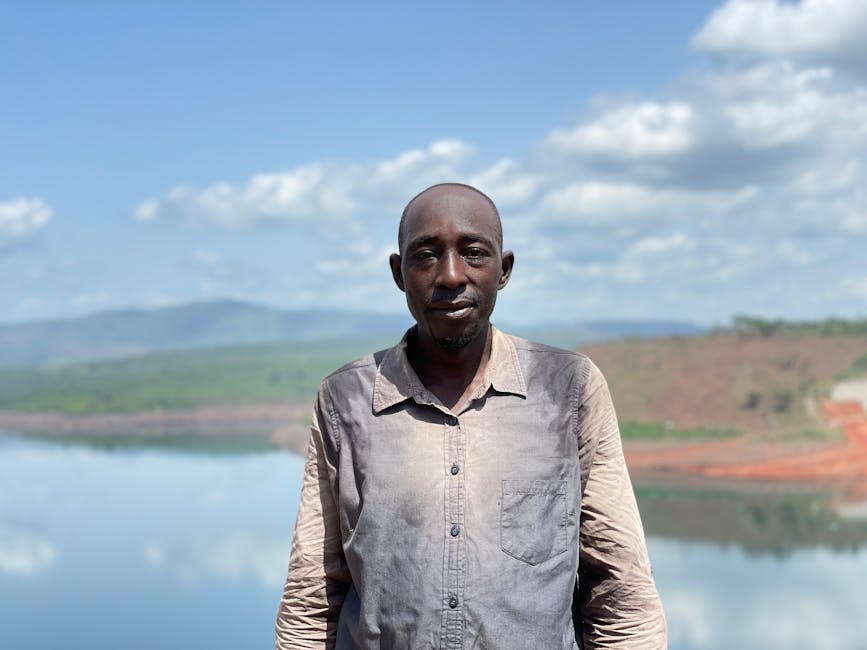
Portrait of a smiling African man in a striped jersey with a scenic outdoor…, Kindia, Guinea
- Historic Architecture: The 1920s Kindia Railway Station, a faded yellow Art Deco gem, stands as a monument to the colonial-era Conakry-Niger railway that once fueled the region’s economy.
- Cultural Scene: The vibrant Fête de l’Ananas (Pineapple Festival), though its dates vary, is a local celebration of the region’s most famous crop with music, dance, and, of course, endless pineapple tastings.
- Local Specialties: You must try freshly grilled *brochettes de capitaine* (Nile perch skewers) served with *attiéké* (fermented cassava couscous) at a roadside *maquis* (local eatery).
Pro Tip: The absolute best time to visit is between November and February, during the dry season. The skies are clear, the hiking trails are dry, and the waterfalls are still flowing strong from the preceding rains, without the intense humidity of other months.
Map of Kindia, Guinea
Use these interactive maps to explore Kindia, Guinea and plan your route:
📍 View Kindia, Guinea on OpenStreetMap
🗺️ Open Kindia, Guinea in Google Maps
Planning Your Trip: Practical Essentials
Getting There and Around
- By Air: You’ll fly into Conakry International Airport (CKY). From there, your best bet is a pre-arranged taxi or a shared minibus (“taxi-brousse”) for the 2.5-3 hour drive to Kindia. Book flights at Skyscanner for best deals.
- By Train: The historic railway is currently not operational for regular passenger service. Savvy travelers check locally for any special tourist or cargo train rides, but don’t rely on it for transport.
- By Car: The RN1 highway from Conakry is the main route. Driving is for the experienced, with unpredictable road conditions. Hiring a local driver is highly recommended. Compare car rentals at RentalCars.com if you’re adventurous.
- Local Transport: Within Kindia, shared taxis (yellow cars) are the lifeblood. A short ride costs about 2,000 GNF ($0.23). For attractions outside town, you’ll need to negotiate a day rate with a taxi driver, which is often the most efficient way to explore.
Best Time to Visit
Kindia’s climate is tropical but moderated by its elevation. The dry season offers the most comfortable exploration, while the rainy season brings intense greenery but challenging mobility.
| Season | Weather | Highlights |
|---|---|---|
| Dry Season (Nov–Feb) | Warm, 75-90°F (24-32°C), low humidity, no rain. | Ideal for hiking, clear views, comfortable city exploration. Peak season for local travel. |
| Rainy Season (Jun–Oct) | Hot, 80-95°F (27-35°C), very humid, daily heavy downpours. | Lush, vibrant landscapes, powerful waterfalls. Few visitors, but some roads may be impassable. |
| Shoulder (Mar–May) | Increasing heat and humidity, sporadic rain. | Good for photography with green scenery, lower prices. Pineapple harvest begins. |
Budgeting for Kindia, Guinea

Two adorable guinea pigs playing in a wood chip enclosure with toys., Kindia, Guinea
| Category | Budget | Mid-range | Luxury |
|---|---|---|---|
| Accommodation | $15-25 (basic guesthouse) | $40-70 (comfortable hotel with AC) | $100+ (only a few premium options exist) |
| Meals | $5-8 (street food, local maquis) | $10-20 (restaurant meals) | $25+ (hotel restaurant dining) |
| Transport | $2-5 (shared taxis) | $30-50/day (private taxi for touring) | $80+/day (private car & driver) |
| Activities | $0-5 (hiking, market visits) | $10-20 (guided hikes, site entries) | $50+ (private guided tours) |
| Daily Total | $25-40 | $80-150 | $200+ |
Top Attractions and Must-See Sights
| Attraction | Description | Hours | Entry Fee |
|---|---|---|---|
| Voile de la Mariée Waterfall | A stunning 80-meter cascade in a serene, forested setting, perfect for a refreshing swim. | Daylight Hours | ~5,000 GNF ($0.60) for local guide/access |
| Mount Gangan | The iconic flat-topped mountain offering a challenging hike and breathtaking 360° views of the Kindia region. | Start by 7 AM | Free, but a local guide is recommended (~20,000 GNF / $2.30) |
| Kindia Botanical Garden & Research Station | Founded in 1904, this historic garden is a peaceful haven of tropical flora, including coffee, rubber, and citrus trees. | 8 AM – 4 PM (Mon-Fri) | ~2,000 GNF ($0.23) |
| Central Market (Marché Central) | The bustling heart of town, where you’ll find piles of famous Kindia pineapples, spices, textiles, and local crafts. | 7 AM – 6 PM daily | Free |
3-Day Itinerary: Kindia, Guinea’s Highlights & Hidden Gems
Day 1: City Pulse & Historic Echoes
- Morning (7-9 AM): Start early with a walk to the Kindia Railway Station to see the architecture in the soft morning light. Then, dive into the Central Market as it wakes up; your best bet is to try a fresh, sweet pineapple slice (about 500 GNF) from a vendor.
- Afternoon (12-3 PM): Visit the tranquil Kindia Botanical Garden. For lunch, head to Maquis Le Délicieux near the market for a massive plate of *riz gras* with chicken (approx. 15,000 GNF).
- Evening (6-8 PM): Take a shared taxi to the “Vue sur Kindia” viewpoint for sunset over the city. Enjoy dinner at Restaurant La Paillote, known for its grilled fish and friendly atmosphere.
Day 2: Mountain Majesty & Cascading Waters
- Morning (7 AM): Hire a taxi for the day (approx. 250,000 GNF / $29) for the 30-minute drive to the Voile de la Mariée waterfall. The hike down to the base is moderate and leads to a spectacular swimming hole.
- Afternoon (1 PM): Have a packed lunch by the falls or stop at a village *maquis* on the return route. Ask your driver to take you to a local pineapple plantation for a quick, insightful stop.
- Evening (6 PM): Return to Kindia. For a relaxed evening, savor *brochettes* and a local Flag or Guiluxe beer at a streetside grill near the main roundabout.
Day 3: Cultural Immersion & Panoramic Views
- Morning (6 AM): An early start is essential for hiking Mount Gangan. Arrange a local guide the day before (approx. 20,000 GNF). The 3-4 hour round-trip hike rewards you with unforgettable views.
- Afternoon (12 PM): Descend and have a well-earned late lunch at Le Wafou, popular for its *poulet yassa* (lemony marinated chicken).
- Evening (5 PM): Spend your final evening exploring the quieter residential streets, observing daily life. Pick up some local coffee or spices from the market as souvenirs before a farewell dinner.
Cultural Insights & Etiquette
- Language: French is the official language. Learning a few phrases in Susu or Pular (like “*I ni ce*” for hello in Susu) will earn you warm smiles. English is not widely spoken.
- Customs: Greetings are essential. Always shake hands and ask about family and health before business. Use your right hand for eating and giving/receiving items.
- Tipping: Not mandatory but appreciated. Round up taxi fares, leave 5-10% at sit-down restaurants if service was good, and tip guides 5,000-10,000 GNF for a half-day.
- Dress Code: Modesty is key. For both men and women, avoid very short shorts or sleeveless tops in town. Pack lightweight, breathable fabrics that cover shoulders and knees.
- Business Hours: Shops typically open 8 AM – 6 PM, with a long break from 1 PM – 3 PM. Government offices and banks keep shorter hours (8 AM – 4 PM). Friday afternoons are quiet for Muslim prayers.
Where to Eat: Kindia, Guinea’s Best Bites
Dining in Kindia is an informal, communal affair centered around shared plates of flavorful, hearty staples. The *maquis* is king here—simple, open-air spots where the day’s catch or stew simmers over charcoal. Don’t look for fancy menus; instead, point at what looks good in the pot.
Must-Try Local Specialties
- Poulet Fumé à la Kindia: Smoked chicken with a distinctive, woody flavor, often served with a spicy peanut sauce. Find it at any bustling *maquis* in the evening.
- Fouti: A thick, savory porridge made from corn or millet, typically served with *sauce feuille* (a rich, green leaf sauce). A local breakfast or lunch staple.
- Fried Plantains (Aloko) with Chili: The perfect street snack—sweet, ripe plantains fried until caramelized and served with a fiery pili-pili sauce.
Restaurant Recommendations by Budget
| Type | Restaurant | Specialty | Price Range |
|---|---|---|---|
| Budget | Maquis Le Délicieux (Central Market area) | Massive, flavorful plates of *riz gras* and daily stews. | 10,000 – 20,000 GNF ($1.15-$2.30) |
| Mid-range | Restaurant La Paillote (Route de Mamou) | Reliable for grilled capitaine fish and French-Guinean dishes in a garden setting. | 25,000 – 40,000 GNF ($2.90-$4.60) |
| Fine dining | Hotel Villa Syli Restaurant (in the hotel) | The most upscale option in town, offering international and local cuisine in an air-conditioned space. | 40,000 GNF+ ($4.60+) |
Where to Stay
Accommodation in Kindia ranges from very basic guesthouses to a handful of comfortable hotels. Most options are centrally located. It’s wise to book your first night in advance, especially in the dry season. Compare prices and book at Booking.com or Airbnb for apartments (though listings are sparse).
Best Neighborhoods for Accommodation
- City Centre: The most convenient area, close to the market, taxi stands, and main restaurants. Can be noisy. Best for first-time visitors who want to be in the heart of the action.
- Along the Route de Mamou: Slightly removed from the downtown bustle, this road hosts several of the better hotels (like Villa Syli). It’s quieter and offers easier road access for day trips.
- Residential Areas (e.g., near Botanical Garden): Offers a more authentic, local living experience. Options are limited to local guesthouses; you’ll need French language skills and a sense of adventure.

Adorable guinea pigs nestled inside a cardboard box, Kindia, Guinea
FAQs: Your Kindia, Guinea Questions Answered
1. Is Kindia, Guinea safe at night?
Kindia is generally a peaceful city. As in any unfamiliar place, exercise common sense. Avoid walking alone in poorly lit, deserted areas at night. Stick to main roads, use taxis after dark, and keep valuables discreet. Petty theft can occur in crowded markets, so stay alert.
2. What currency is used and are credit cards accepted?
The Guinean Franc (GNF) is the currency. Cash is absolutely king in Kindia. Very few places, if any, accept credit cards. Bring enough Euros or USD to exchange (banks or official *bureaux de change* are best), as ATMs are unreliable and may not accept foreign cards. Plan to operate entirely on cash.
3. How do I get from the airport to Kindia?
You’ll land in Conakry. The most reliable option is to pre-book a private transfer through your Kindia hotel or a tour operator (approx. $80-$120). The cheaper alternative is to take a taxi to Conakry’s main minibus station (“gbessia”) and find a shared “taxi-brousse” to Kindia (approx. 30,000 GNF / $3.50 per seat, but be prepared for delays). Book airport transfers at GetYourGuide for convenience, though options may be listed under Conakry.
4. Do I need to speak the local language?
French is essential for independent travel here. Very little English is spoken outside of perhaps a hotel receptionist. Learning basic French phrases for greetings, directions, prices, and food will dramatically improve your experience. A phrasebook or translation app is highly recommended.
5. What’s the appropriate dress code?
Dress modestly and for the climate. Lightweight, loose-fitting trousers or long skirts and shirts that cover the shoulders are perfect. For hiking, sturdy shoes are a must. While at your hotel or at the waterfall, more relaxed wear is fine, but when in town, respectful covering is the norm.
Final Thoughts: Kindia, Guinea Awaits
Kindia offers a rare and authentic slice of Guinea beyond the capital—a place where nature’s grandeur meets daily life in a slow, rhythmic flow.
Explore More Destinations
Ready to Visit Kindia?
Start planning your trip today. Compare hotels, find the best tours, and get insider tips.
Your adventure in Kindia starts here →
{“@context”: “https://schema.org”, “@type”: “FAQPage”, “mainEntity”: [{“@type”: “Question”, “name”: “What is the best time to visit Kindia?”, “acceptedAnswer”: {“@type”: “Answer”, “text”: “The best time to visit Kindia depends on your preferences. Generally, the dry season offers the most pleasant weather for sightseeing and outdoor activities.”}}, {“@type”: “Question”, “name”: “How many days do I need in Kindia?”, “acceptedAnswer”: {“@type”: “Answer”, “text”: “Most travelers spend 3-5 days in Kindia to see the main attractions. A week allows for a more relaxed pace and day trips.”}}, {“@type”: “Question”, “name”: “Is Kindia expensive to visit?”, “acceptedAnswer”: {“@type”: “Answer”, “text”: “Kindia can be visited on various budgets. Accommodation ranges from hostels to luxury hotels, and local restaurants offer affordable dining.”}}]}
Related Guides
Explore more destinations similar to Kindia:
- Omsk, Russia: Best Siberian History, Architectural Grandeur & Riverfront Serenity (2026)
- Kandi, Benin: Best Cotton Fields, Traditional Kingdoms & Authentic Northern Culture (2025)
- Orange Walk, Belize’s Hidden Ruins, Rivers & Rum (2026)
- Kurdistan, Iraq’s Best Mountains, Mesopotamian History & Unmatched Hospitality (2026)


Pingback: Ialibu, Papua New Guinea's Hidden Highlands, Huli Culture & Untamed Nature (2026) - tangyOcean