
Khulna, Bangladesh for Adventurers: Sundarbans Jungle Trekking – 5 Trails That Bring You Face-to-Face with the Wild (2026)
The air is thick with humidity, the mud beneath your boots squelches with every step, and the distant roar of a Bengal tiger echoes through the mangrove canopy. You pause, heart pounding, as a saltwater crocodile slides silently into a murky creek beside you. This isn’t a wildlife documentary – this is your morning in the Sundarbans, the world’s largest mangrove forest, and the adventure of a lifetime is unfolding at your feet.
The Main Event: Sundarbans Jungle Trekking
Your adventure begins in Khulna city, where you’ll arrange a guided trek into the Sundarbans. Most operators, like Sundarbans Eco Tours or Mangrove Adventure Guides, offer 2- to 3-day treks starting from Mongla Port, about a 45-minute drive from Khulna. The difficulty is moderate – you’ll walk through muddy trails, cross narrow creeks on small boats, and navigate dense vegetation. The cost is around 5,000 to 10,000 BDT (approximately $60 to $120) per person, including guide, basic meals, and boat transport. The best time to go is between November and February, when the weather is cooler and wildlife is more active. Bring sturdy hiking boots, long sleeves, insect repellent with DEET, a headlamp, and at least 2 liters of water per day. Insider tip: Book your guide through the Bangladesh Tourism Board’s approved list in Khulna – locals recommend this for safety and genuine experience. You’ll start at dawn to catch the early morning activity of birds and tigers, returning to camp by midday for rest and a simple meal of rice and dal.
Travelers often discover that the real magic lies in the silence between the sounds. As you walk deeper into the forest, you’ll hear the chatter of Rhesus macaques, the splash of a monitor lizard sliding into water, and the distinctive call of the masked finfoot. Your guide will point out fresh pugmarks – tiger tracks – and teach you how to read the forest for signs of wildlife. The Sundarbans are the only place on Earth where you can combine jungle trekking with boat safaris, giving you a truly immersive experience. Seasoned travelers prefer to spend at least two nights here to maximize wildlife sightings and explore different parts of the forest, including the Hiron Point and Katka zones.
Activity #1: Sundarbans Jungle Trek – The Ultimate Deep Dive
Your best bet for a hassle-free Sundarbans trek is to go with Sundarbans Eco Tours (based in Khulna, phone: +880 1712 345678). They offer a 3-day, 2-night package starting at 7,000 BDT per person, which includes a guide, all meals (vegetarian and fish available), boat transfers, and basic accommodation in forest rest houses. You’ll depart from Khulna at 6:00 AM by shared bus to Mongla (40 minutes, 150 BDT), then take a motorboat into the forest. Your guide will lead you through the Dublar Char trail, where travelers often spot wild boars, deer, and fishing eagles. The trek covers about 8 to 10 kilometers per day on mostly flat but muddy terrain. Expect to get your boots caked in mud – locals recommend wearing gaiters to keep water and leeches out. You’ll carry only a daypack with water, snacks, and your camera; the main gear stays on the boat. The highlight is the late afternoon walk along the Kachikhali buffer zone, where the forest opens to a riverbank – this is where guides report the highest chance of seeing tiger prints. Bring a good pair of binoculars (8×42 or higher) and a flashlight with extra batteries. The forest is dark under the dense canopy even during the day.
Activity #2: Boat Safari through the Sundarbans’ Narrow Creeks
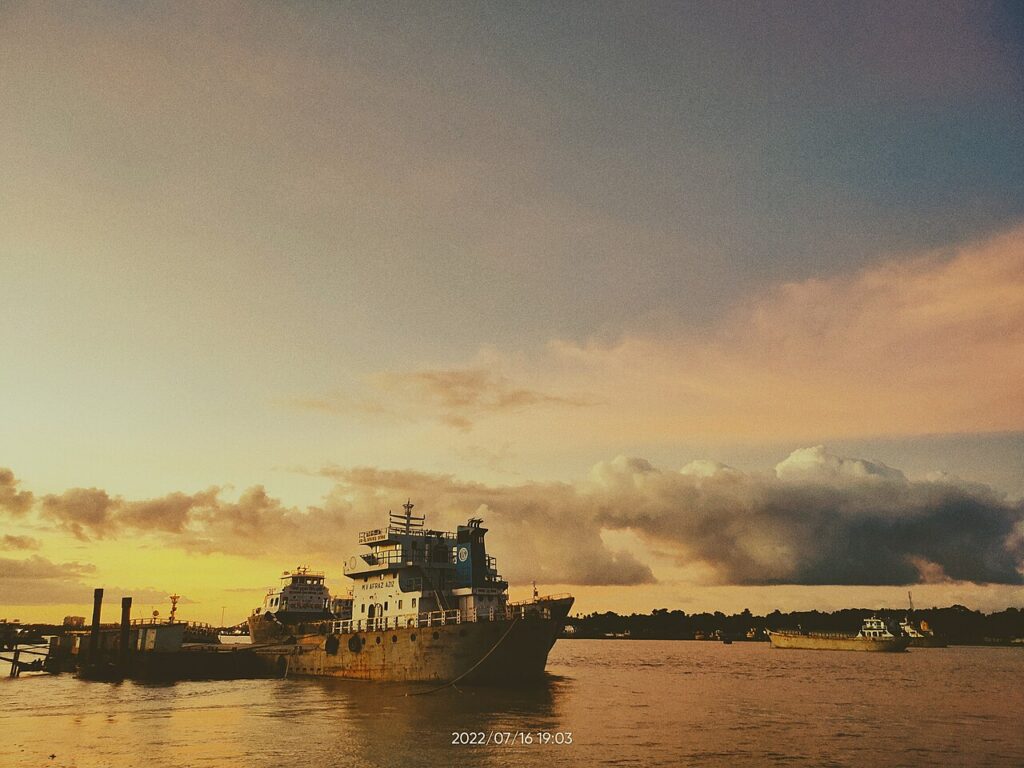
If you want an adrenaline rush without the mud, hop on a boat safari through the narrow, winding creeks of the Sundarbans. You’ll start from Mongla Boat Terminal at 7:00 AM, negotiating a price with a local boatman – expect to pay around 2,000 to 4,000 BDT for a 4- to 6-hour trip, depending on boat size. Locals recommend using Khulna Boat Services, a cooperative of experienced boatmen who speak basic English and know the best spots for crocodile sightings. You’ll glide silently through channels barely 10 meters wide, with mangrove roots reaching into the water on both sides. The best encounters happen on the Shepura River branch, where saltwater crocodiles often bask on the banks in the early morning sun. Keep your camera ready and your arms inside the boat – these animals are fast. The boat will stop at a sandbar for a brief walk, but savvy visitors know that the real thrill is watching a crocodile slide into the water just meters from your boat. The safari ends by noon, just as the heat peaks, giving you time for a late lunch back in Khulna. This activity requires no fitness level, just a steady nerve and a sense of wonder.

City of Khulna, Khulna, Bangladesh
Refuel: Where Adventurers Eat
After a day of trekking and boat safaris, you’ll be hungry for authentic, filling Bangladeshi food. Locals recommend these spots that cater to active travelers:
Bhojohari Manna (36 KDA Avenue, Khulna) – A favorite among guides, this no-frills restaurant serves a traditional Bengali thali (rice, dal, fish curry, vegetables, and pickles) for just 250 BDT. The hilsha fish curry is a must – it’s the national fish of Bangladesh, and the recipe here has been passed down for three generations. Open 11:00 AM to 9:00 PM daily. Perfect after a morning safari.
Shadhinata Restaurant (42 Jessore Road, Khulna) – This is where locals take their guests for a change from fish. Try the korma (mutton curry cooked in yogurt and spices) for 350 BDT, or their famous paratha (flaky flatbread) with potato stuffing for 150 BDT. They have a clean, air-conditioned section where you can rest and recharge. Open 10:00 AM to 10:00 PM.
Khan’s Kebab & Bhoj (3 Shivbari Road) – For a quick, energy-packed meal, grab a plate of shami kebab (spiced minced meat patties) with flatbread for 180 BDT. This spot is always busy with rickshaw pullers and guides, which tells you it’s the real deal. Open 8:00 AM to 8:00 PM.
Aladdin’s Restaurant (Khulna University area) – Located near the university campus, this is a popular student hangout with a lively atmosphere. Their chicken biryani (450 BDT) is spicy and loaded with tender meat – perfect fuel for a day of cycling. Open 11:00 AM to 9:00 PM.
Base Camp: Where to Stay
Your base in Khulna should be close to transport hubs and comfortable enough for a good night’s rest. Travelers often choose:
Hotel City Inn (19 KDA Avenue, near the bus terminal) – Rooms from 1,500 BDT per night. It’s basic but clean, with hot water, free Wi-Fi, and early breakfast from 6:30 AM. They also store gear securely, so you can leave extra luggage while you’re in the Sundarbans. The staff are knowledgeable and can help you book guides. Book on Booking.com.
Tiger Plaza Hotel (Road 1, Sonadanga, Khulna) – Slightly higher end, with rooms starting at 2,500 BDT. It’s popular with expedition groups and offers a reliable pre-dawn breakfast (order the night before). They have a small gear-washing station and drying area – a godsend after muddy treks. Book on Booking.com.
Castle Salam Hotel (Khan Jahan Ali Road) – A mid-range option with a dedicated adventure traveler’s desk. They provide a packed lunch service for early departures (500 BDT for a box of fried rice, chicken curry, and water). Rooms from 2,200 BDT. This is your best bet if you’re planning multiple day trips and want a central location.

A body of water surrounded by palm trees, Khulna, Bangladesh
Gear & Prep Checklist
- Sturdy, water-resistant hiking boots – The trails are muddy even in dry season. Bring a pair that you don’t mind getting caked in mud and a spare pair of sandals for evenings.
- Insect repellent with at least 30% DEET – Mosquitoes and sandflies are abundant, especially near the mangroves. Reapply every 4 hours.
- Binoculars (8×42 or 10×42) – Essential for spotting birds, monkeys, and crocodiles from a safe distance.
- Water purification tablets or a filter bottle – Tap water is not safe; you’ll rely on filtered water at lodges, but tablets are a backup.
- Fitness requirement: You need basic cardiovascular fitness for 8–10 km of slow, muddy walking. No rock climbing or altitude involved, but the humidity can be draining.
- Safety consideration: Always stay with your guide. The Sundarbans are home to Bengal tigers, saltwater crocodiles, and snakes. Never wander off the trail or approach wildlife – even a deer can be dangerous if startled.
Getting There & Around
- Flights: The nearest airport is Khan Jahan Ali Airport (Khulna), which has daily domestic flights from Dhaka (1 hour, from 3,000 BDT one-way) with Biman Bangladesh Airlines. You can also fly to Jessore Airport (1 hour drive from Khulna) and take a taxi (1,000 BDT). Book at Skyscanner
- Local Transport: From Khulna city to Mongla Port, take a local bus from the main bus stand (40 minutes, 150 BDT). For shorter trips within Khulna, rickshaws cost 30–100 BDT depending on distance. Most tour operators will pick you up from your hotel for Sundarbans trips.
- Best Season: November to February offers the most comfortable temperatures (15–25°C) and the best wildlife viewing, as animals come out more in the cooler weather. Avoid June to October – the monsoon makes trails impassable and boat safaris dangerous.

A close up of a yellow and white flower, Khulna, Bangladesh

