
Kasungu, Malawi for Adventurers: Walking Safaris That Bring the Wild to Your Senses (2026)
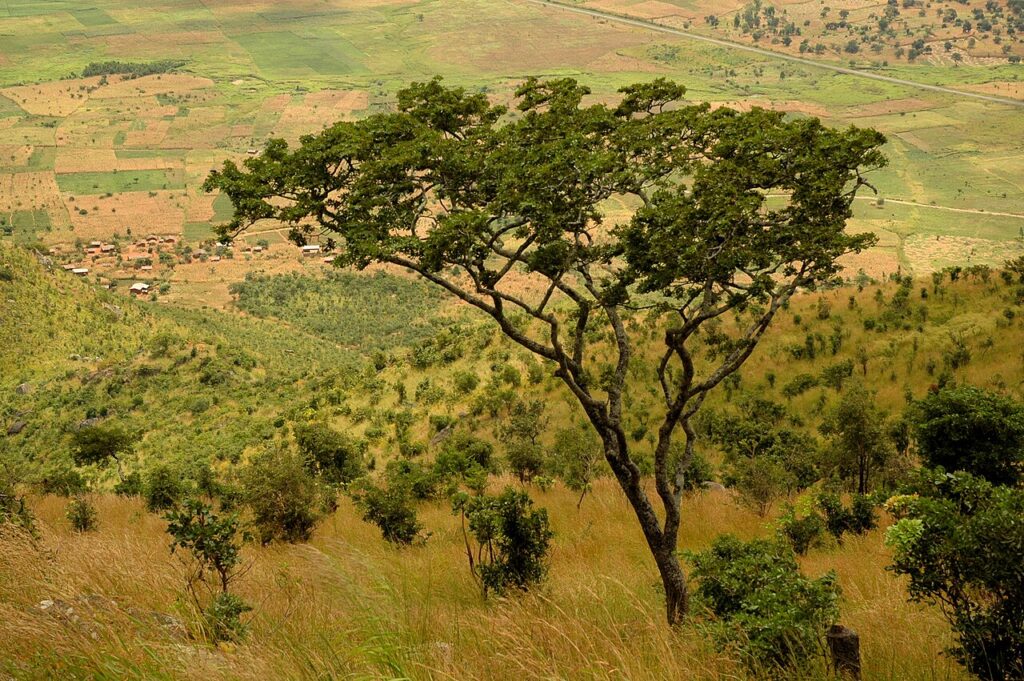
Your boots hit the dry red earth at 5:45 AM, and the only sound is the crunch of leaves underfoot as you step onto the game path. The air is cool, carrying the scent of acacia and wild sage. Ahead, a herd of elephants emerges through the miombo mist—their slow, deliberate movements barely disturbing the morning silence. Your heart hammers, but you hold still. You are in Kasungu National Park, and this is real Africa.
The Main Event: Kasungu National Park Walking Safari
Forget the Land Rover—your best bet in Kasungu is on foot. The park spans 2,316 square kilometers of undisturbed miombo woodland, and travelers often discover that walking here offers the most intimate wildlife encounters in Southern Africa. You will meet your armed ranger guide at the park headquarters by 6 AM sharp. Book through the Malawi Department of National Parks and Wildlife (DNPMW) at the gate—there are no third-party apps here, just raw authenticity. The cost is 5,000 MWK (about $5 USD) per person for the walking permit, plus a mandatory ranger fee of 10,000 MWK ($10 USD) per group. Duration is 3–4 hours, covering about 6 kilometers of moderate terrain. What to bring: sturdy boots (break them in first), a long-sleeved shirt in olive or khaki, 2 liters of water, and binoculars. The secret? Go in late September when the bush is thinnest and the animals gather around shrinking waterholes at Mwalesi and Lifupa. You will spot elephants, zebras, roan antelopes, and if you are very lucky, the elusive sable antelope. The rangers here are among the best in Malawi—they grew up tracking these animals and know every pangolin den in the park. Listen carefully; they will show you how to read a broken twig or a fresh dung pile like a newspaper.
The walking safari is not about distance—it is about presence. You will pause often to let a herd of impala pass, to identify bird calls, or to simply breathe in the wild. The guides recommend you arrive the evening before and stay at Lifupa Lodge inside the park so you can start at first light. Remember: no bright colors, no perfume, and absolutely no running. The terrain is mostly flat with gentle undulations, making it accessible for moderately fit travelers. Your tired legs will thank you when you return to the lodge for a cold pint of Carlsberg by 10 AM, the morning’s adrenaline still buzzing under your skin.
Activity #1: Night Game Drive – The Bush After Dark
When the sun drops behind the miombo trees, a different world wakes up. Savvy visitors know that a guided night game drive is the most adrenaline-packed activity in Kasungu. You will depart from Lifupa Lodge at 6:30 PM sharp in an open-topped park vehicle fitted with a spotlight. The ranger-driver will sweep the beam across the bush, catching the glowing eyes of bushbabies, genets, and hyenas. The cost is 20,000 MWK ($20 USD) per person, and you must book by 3 PM the same day at the park reception desk. The drive lasts exactly 2 hours, taking you along the Mwalesi Loop and down to the Dwangwa floodplains. Bring a warm jacket—the temperature drops surprisingly fast after dark. Travelers often discover that the most dramatic moment comes when the spotlight catches a leopard slinking through the grass near the dam wall. The rangers will douse the light and let you sit in total darkness, listening to the grunt of a hippo or the cough of a leopard. Your best bet for a sighting is during the dry months of August to October, when the animals concentrate around water sources. This is not a Disney ride—this is raw, unfiltered Africa, and you will feel every heartbeat.
Activity #2: Canoeing on the Bua River – A Paddler’s Escape
If you want to reset after the intensity of the walking safari, glide onto the Bua River. This is the park’s lifeline, flowing lazily through the southern sector, and locals recommend a canoe trip as the single best way to see aquatic birds and crocodiles up close. You will launch from a sandy bank near the Lifupa picnic site, about a 10-minute drive from the lodge. No motorboats allowed—just you, a paddle, and a 4-meter fiberglass canoe. Rent one from the park office for 8,000 MWK ($8 USD) per hour, including life jackets. Most travelers opt for a 2-hour trip (16,000 MWK/$16 USD) heading upstream toward the Mwalesi confluence. You will drift past basking crocodiles that slide silently into the water as you approach, while African fish eagles watch from dead branches overhead. The best time is mid-morning, between 9:30 AM and 11:30 AM, when the light is golden and the birds are most active. Paddling is easy—the current is gentle—but you need to watch for submerged logs. Seasoned travelers bring a dry bag for their camera and a wide-brimmed hat. The deep silence of the river, broken only by your paddle dipping into the water, is the kind of peace that stays with you long after you leave.

Vozilo programa PAO v Kasungu, Kasungu, Malawi
Refuel: Where Adventurers Eat
After a day of tracking elephants and paddling past crocodiles, you will need serious fuel. The best spot in Kasungu town is Mkwichi Restaurant on M1 Road. Locals rave about the nsima with grilled chambo (the local tilapia from Lake Malawi) and a side of kholowa (pumpkin leaves in peanut sauce). A full plate costs 4,500 MWK ($4.50 USD). For a heartier post-game-drive meal, head to Kasungu Inn Restaurant just off Kamuzu Road—try the goat stew with rice and mandasi (fried dough) for dessert, all for under 6,000 MWK ($6 USD). For a quick pre-dawn breakfast before your 6 AM safari, stop at Baobab Kitchen at the Lifupa Lodge. The kitchen opens at 5:30 AM for early risers, and you will want the “Adventurer’s Breakfast”: two eggs, grilled sausage, fried plantains, toast, and a bottomless thermos of Malawian tea (2,500 MWK/$2.50 USD). Travelers also recommend grabbing a packed lunch from Baobab Kitchen for 3,000 MWK ($3 USD)—the chicken-and-vegetable samosas are legendary. On Friday nights, the lodge hosts a barbecue known as braai night where guides and travelers share stories over sizzling meat and cold beers—don’t miss it.
Base Camp: Where to Stay
For adventurers, proximity to the action is everything. Lifupa Lodge is the only accommodation inside Kasungu National Park, and it is where you will want to base yourself. The rooms are simple but clean—en-suite with solar-powered showers and mosquito nets. A double room costs 35,000 MWK ($35 USD) per night. The lodge offers early breakfasts (as early as 5:30 AM if you request the night before), secure gear storage, and a small bar where guides often gather after dark. Book directly through the Malawi Parks website or via Booking.com. For a budget option, Kasungu Inn in town (about 20 minutes from the park gate) offers clean dorm beds for 10,000 MWK ($10 USD) and private rooms for 20,000 MWK ($20 USD). They also rent mountain bikes and can arrange transport to the park. For those tackling the Mwalesi Wilderness Trail, basic camping is available at the park headquarters for 5,000 MWK ($5 USD) per person per night—you will need your own tent and stove, and you must register with the park office by 3 PM. The camping experience is rugged but rewarding: you will fall asleep to the sound of hyenas calling in the distance.

Aerial view of a historic brick church with Gothic architecture, Kasungu, Malawi
Getting There & Around
- Flights: The nearest international airport is Lilongwe’s Kamuzu International Airport (LLW), about 175 km south of Kasungu. From Lilongwe, you can rent a 4×4 or take a shuttle. Book flights at Skyscanner
- Local Transport: From Kasungu town, minibuses run to the park gate (20 km north) for about 1,500 MWK ($1.50 USD) per person. They leave from the main bus stand on M1 Road. For the early-morning walking safari, your best bet is to hire a taxi from Kasungu Inn for 8,000 MWK ($8 USD) one way—negotiate the price in advance. Most guides recommend renting a 4×4 in Lilongwe for maximum flexibility.
- Best Season: The dry season from August to November is optimal for wildlife viewing and all outdoor activities. The bush is thin, animals gather at waterholes, and the trails are firm. Avoid December to March—heavy rains make the dirt roads impassable, and the park often closes for weeks at a time.
Is Kasungu, Malawi Worth It?
Honestly? If you want polished lodges and guaranteed sightings of the Big Five, go to South Africa’s Kruger National Park or Botswana’s Chobe. But if you want a raw, untamed, off-the-beaten-path wilderness where you can walk through ancient forests without hearing another engine for hours—Kasungu is extraordinary. Travelers who love it are the ones who embrace the unpredictability: the morning you spend tracking a herd of elephants only to lose their trail in the heat haze, the afternoon you sit by Lifupa Dam and watch storks and herons while a pod of hippos grumbles nearby. You will not find luxury here. What you will find is a place where the wild still rules, where the guides remember your face and share stories over a fire, and where the only schedule is the rhythm of the sun and the animals. For the cost of a single dinner in a famous safari destination, you can spend an entire week in Kasungu. If that sounds like your kind of adventure, book your flight to Lilongwe tonight.

Aerial shot of a traditional rural village surrounded by natural landscape …, Kasungu, Malawi

