
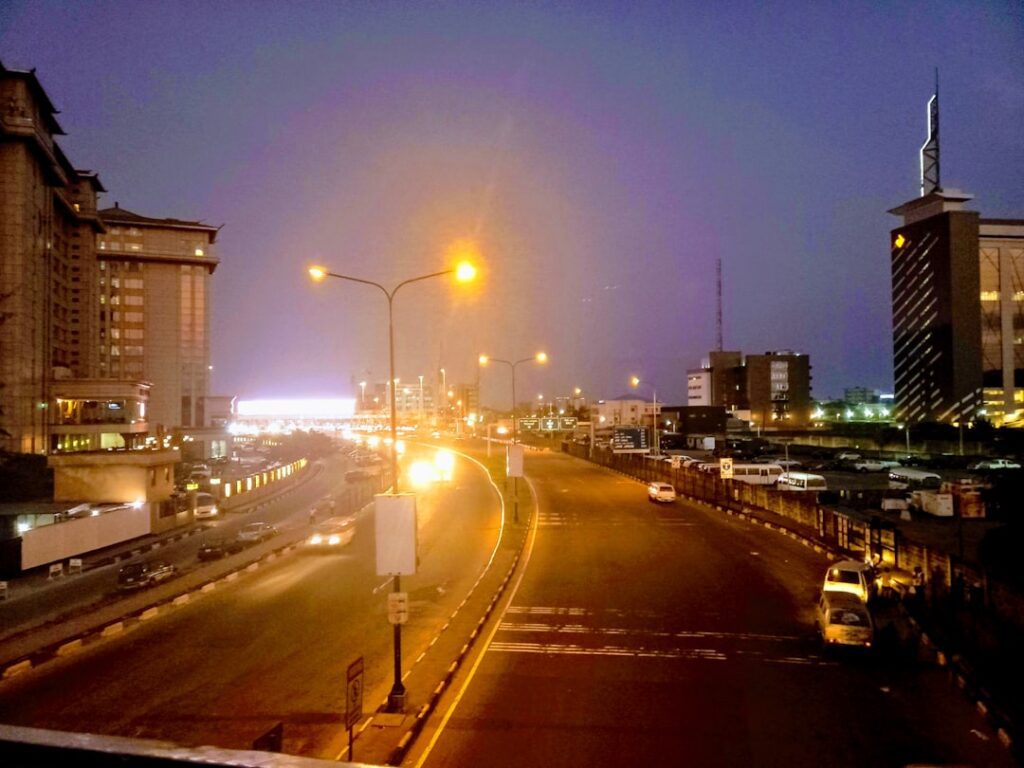
Kano, Nigeria’s Stunning Ancient Walls, Dye Pits & Market Magic (2025)
While crowds flock to Lagos for its beaches and nightlife, Kano, Nigeria delivers a profound, centuries-deep connection to West Africa’s pre-colonial soul without the frantic pace. Here, the scent of indigo and leather hangs in the air, and the 14th-century city walls still stand as a testament to its legacy as a terminus of the Trans-Saharan trade. This is where you walk through living history, not just read about it.
Why Kano, Nigeria Stands Out

Person riding on motorcycle, Kano, Nigeria
- Historic Architecture: The Great Mosque of Kano, rebuilt in the 1950s on a 15th-century foundation, is a stunning example of Sudano-Sahelian architecture with its distinctive mud-brick minarets.
- Cultural Scene: The Durbar festival, a spectacular, centuries-old parade of thousands of colorfully adorned horsemen and musicians marking the end of Ramadan, is a cultural spectacle unlike any other.
- Local Specialties: You must try Suya, the legendary spicy, skewered beef grilled over an open flame and served with sliced onions and tomatoes—it’s Nigeria’s iconic street food at its best.
Pro Tip: The absolute best time to visit is during the cool, dry Harmattan season from November to February. Not only are temperatures pleasant, but this period avoids the heavy rains and often coincides with major cultural events. For markets, go early in the morning (by 8 AM) to see them come to life and avoid the midday heat.
Map of Kano, Nigeria
Use these interactive maps to explore Kano, Nigeria and plan your route:
📍 View Kano, Nigeria on OpenStreetMap
🗺️ Open Kano, Nigeria in Google Maps
Planning Your Trip: Practical Essentials
Getting There and Around
- By Air: Mallam Aminu Kano International Airport (KAN) is well-connected domestically. International flights often connect through Lagos or Abuja. Airlines like Air Peace and Arik Air serve major routes. Pre-book a taxi to the city center (about 20-30 mins, ₦3,000-₦5,000). Book flights at Skyscanner for best deals.
- By Train: The modern Abuja-Kaduna-Kano railway line offers a scenic and comfortable journey from Abuja (approx. 3-4 hours). It’s a fantastic way to see the countryside. Reserve tickets at Trainline or the national railway website.
- By Car: Driving from Abuja takes about 5-6 hours on the A2 highway. Road conditions vary. Parking is available at major hotels. Compare car rentals at RentalCars.com.
- Local Transport: Your best bets are ride-hailing apps like Bolt (very reliable) or traditional yellow taxis (always negotiate the fare before entering). For the adventurous, try a *keke* (auto-rickshaw) for short trips. There’s no formal public transport pass system.
Best Time to Visit
Kano has a hot, semi-arid climate with two main seasons: a long, intensely hot dry season and a shorter, humid rainy season. Savvy travelers target the cooler, dustier Harmattan period within the dry season.
| Season | Weather | Highlights |
|---|---|---|
| Dry & Hot (Mar–May) | Very hot, 30°C–40°C (86°F–104°F), low humidity | Clear skies, vibrant market life in the early mornings and evenings, fewer tourists. |
| Rainy (Jun–Sep) | Hot, 25°C–35°C (77°F–95°F), high humidity, heavy afternoon showers | Lush, green landscapes; lower dust; some attractions may be less accessible due to rain. |
| Dry & Cool (Harmattan) (Nov–Feb) | Pleasant, 20°C–30°C (68°F–86°F), dusty haze from the Sahara | The ideal time. Perfect for exploration, cultural festivals like Durbar (timing varies), and outdoor activities. |
Budgeting for Kano, Nigeria

A lot of cars that are sitting in the dirt, Kano, Nigeria
| Category | Budget | Mid-range | Luxury |
|---|---|---|---|
| Accommodation | ₦8,000 – ₦15,000 per night (guesthouses) | ₦25,000 – ₦45,000 per night (3-4 star hotels) | ₦60,000+ per night (5-star international chains) |
| Meals | ₦1,500 – ₦3,000 (street food, local canteens) | ₦4,000 – ₦8,000 (restaurant meals) | ₦15,000+ (hotel fine dining) |
| Transport | ₦2,000/day (Bolt, *keke*) | ₦5,000 – ₦8,000/day (hired taxi for half-day) | ₦15,000+/day (private car & driver) |
| Activities | ₦0 – ₦2,000 (markets, walking old city) | ₦5,000 – ₦10,000 (museum entries, guided tours) | ₦20,000+ (private cultural experiences) |
| Daily Total | ₦12,000 – ₦20,000 | ₦35,000 – ₦65,000 | ₦100,000+ |
Top Attractions and Must-See Sights
| Attraction | Description | Hours | Entry Fee |
|---|---|---|---|
| Kurmi Market | One of Africa’s oldest markets, a labyrinthine hub for everything from spices and textiles to antique brassware. | 8 AM – 6 PM daily | Free (budget for goods!) |
| Gidan Makama Museum | Housed in a 15th-century emir’s palace, it offers a brilliant chronological journey through Kano’s history and culture. | 9 AM – 6 PM, Closed Fridays | ₦500 |
| Kano City Walls & Gates | The ancient, 14km-long defensive walls with 15 gates; the best-preserved section is near Kofar Mata Gate. | Always viewable (exterior) | Free |
| Kofar Mata Dye Pits | Watch artisans use a 500-year-old technique to create stunning, indigo-dyed fabrics in deep, open pits. | 8 AM – 5 PM (M-Sat) | ₦1,000 (often includes a demo) |
3-Day Itinerary: Kano, Nigeria’s Highlights & Hidden Gems
Day 1: The Ancient City & Market Labyrinth
- Morning (7-9 AM): Start at the **Kofar Mata Dye Pits**. Arriving early lets you see the master dyers at work without crowds. Watch the hypnotic process of tying, dipping, and oxidizing cloth.
- Afternoon (12-3 PM): Dive into the sensory overload of **Kurmi Market**. Get lost in the alleys, haggle for spices, and find the leatherworkers’ section. For lunch, grab legendary **Suya** from a stall like *Mai Suya* near the market entrance.
- Evening (6-8 PM): Take a sunset walk along a visible section of the **Old City Walls** near Kofar Na’isa. Follow with dinner at **Captain’s Lounge** in the Nasarawa GRA area for excellent Nigerian and continental dishes in a relaxed setting.
Day 2: History, Culture & Royalty
- Morning (9 AM): Spend 2-3 hours at the **Gidan Makama Museum** (₦500). Don’t miss the gallery on the Kano Kingdom and the stunning traditional architecture of the palace itself.
- Afternoon (1 PM): Visit the majestic **Great Mosque** (view from outside if non-Muslim). Then, explore the **Kano Emir’s Palace** (Gidan Rumfa) area—the seat of power for centuries. Lunch at **Arizona Restaurant** nearby for fantastic local rice dishes and chilled drinks.
- Evening (6 PM): Experience a local favorite: **Fura da Nono** (millet balls with fresh milk) from a vendor. Then, head to the **Kano Club** area (if accessible with a guest) or enjoy people-watching and tea at an open-air cafe in the GRA.
Day 3: Crafts, Modernity & Departure
- Morning (8 AM): Take a Bolt (₦1,500) to the **Kano State History and Culture Bureau** for a quieter look at artifacts. Then, visit the **Kano Craft Village** to see and buy direct from woodcarvers, weavers, and calabash makers.
- Afternoon (12 PM): Enjoy a farewell lunch at **Chicken Capitol** for their famous spicy grilled chicken. Do last-minute shopping for leather goods (bags, slippers) at **Kantin Kwari Market**, known for textiles.
- Evening (6 PM): For your final night, savor a more upscale dinner at **Miami Restaurant** in the GRA, known for its superb Lebanese and Nigerian fusion, before preparing for departure.
Cultural Insights & Etiquette
- Language: The main local language is Hausa. English is widely understood in business and tourism. Learn a few phrases: “Sannu” (Hello), “Na gode” (Thank you), “Yaya dai?” (How are you?).
- Customs: Always use your right hand for eating, greeting, and giving/receiving items. A respectful, slightly bowed handshake is common. Public displays of affection are frowned upon.
- Tipping: Not mandatory but appreciated. In restaurants, 5-10% is fine if no service charge. Tip hotel porters ₦200-₦500 and tour guides 10% of the tour cost.
- Dress Code: Modesty is key. For both men and women, clothing that covers shoulders and knees is recommended, especially in the old city and around religious sites. Women may consider a light headscarf.
- Business Hours: Typical hours are 8 AM – 5 PM, Monday-Friday. Many businesses close for Friday prayers (12 PM – 2 PM). Markets operate seven days a week but are quieter on Sundays.
Where to Eat: Kano, Nigeria’s Best Bites
Kano’s food scene is a hearty celebration of Northern Nigerian flavors—think rich, spicy stews, grilled meats, and filling starches. Dining is a social affair, and you’ll find everything from bustling *bukas* (local canteens) to upscale hotel restaurants.
Must-Try Local Specialties
- Suya: Thinly sliced, spice-rubbed beef or chicken grilled on skewers. Best enjoyed fresh from a street-side *Mai Suya* stall with raw onions and tomatoes.
- Miyan Kuka: A savory, tangy soup made from powdered baobab leaves, often cooked with meat and served with *Tuwo* (a stiff porridge made from maize or sorghum). Try it at a local restaurant like **Dawanau Restaurant**.
- Fura da Nono: A refreshing drink/light meal of millet dough balls mixed with fresh, fermented cow’s milk. A popular breakfast or evening snack sold by street vendors.
Restaurant Recommendations by Budget
| Type | Restaurant | Specialty | Price Range |
|---|---|---|---|
| Budget | Mai Suya stalls (various, near markets) | Freshly grilled Suya with all the fixings | ₦500 – ₦1,500 per stick |
| Mid-range | Arizona Restaurant (BUK Road) | Excellent Jollof Rice, Fried Rice, and assorted Nigerian stews | ₦2,500 – ₦5,000 per meal |
| Fine dining | Miami Restaurant (GRA) | Lebanese-Nigerian fusion, superb grilled seafood and kebabs | ₦7,000 – ₦15,000+ per meal |
Where to Stay
Accommodation clusters in the more modern Government Residential Area (GRA) and along major roads like Club Road. The GRA offers more amenities and security, while staying closer to the Old City provides immersive atmosphere. Compare prices and book at Booking.com or Airbnb for apartments.
Best Neighborhoods for Accommodation
- Nasarawa GRA: The top choice for most travelers. You’ll find international hotels, embassies, upscale restaurants, and a quieter, greener environment. It’s secure and well-connected by taxi. Best for first-time visitors and those seeking comfort.
- Bompai/Club Road Area: A bustling commercial zone with a mix of business hotels, local restaurants, and shops. It’s lively and central, offering good value and proximity to some attractions. Ideal for mid-range business or leisure travelers.
- Near the Old City (with caution): Offers the most authentic experience, waking up to the sounds of the ancient city. Options are limited to guesthouses. Recommended only for very adventurous travelers comfortable with basic amenities and who prioritize cultural immersion over convenience.

Brown wicker baskets, Kano, Nigeria
FAQs: Your Kano, Nigeria Questions Answered
1. Is Kano, Nigeria safe at night?
As with any major city, caution is advised. The Nasarawa GRA and main hotel areas are generally safe at night. Avoid walking alone in poorly lit areas or the Old City after dark. Always use registered taxis or ride-hailing apps like Bolt for evening transport. Keep valuables discreet and follow local advice.
2. What currency is used and are credit cards accepted?
The currency is the Nigerian Naira (₦). While major hotels and some upscale restaurants in the GRA accept credit cards (Visa/Mastercard), cash is king in Kano. You’ll need Naira for markets, transport, street food, and most local restaurants. ATMs are widely available in the GRA and commercial areas.
3. How do I get from the airport to the city center?
Mallam Aminu Kano International Airport is about 8km from the city center. The most convenient options are pre-booked taxis (₦3,000-₦5,000) or using the Bolt app upon arrival (similar price). There is no official airport shuttle bus. The journey takes 20-30 minutes depending on traffic. Book airport transfers at GetYourGuide
Related Guides
Explore more destinations similar to Kano:

