
Kamanjab, Namibia Weekend: Dusty Roads, Desert Rhinos & Star-Filled Skies (2026)
You step off the jeep into a silence so deep the crunch of gravel sounds like thunder. The air smells of dry grass, wood smoke from a distant Himba fire, and the faint sweetness of wild sage. Here, in the heart of Damaraland, Saturday morning means one thing: the start of a weekend that will leave red dust in your boots and the Milky Way in your memory. Travelers often discover that Kamanjab isn’t a town you visit—it’s a town you surrender to.
Quick Facts Before You Go
- Best Months: May to October (dry season, clear skies, mild days; wildlife gathers at waterholes). Avoid December–February unless you enjoy 40°C heat.
- Currency: Namibian Dollar (NAD), pegged 1:1 to South African Rand. ZAR accepted everywhere. Current rate: 1 USD ≈ 18 NAD. Bring cash—ATMs are scarce.
- Language: Afrikaans, Herero, Otjiherero. English is widely spoken at lodges, shops, and tourist sites. Locals appreciate a greeting in Herero: “Mura poro” (good morning).
- Budget: NAD 700-1,200 per person per day for mid-range (accommodation, meals, activities). Budget camping can drop to NAD 400 daily.
- Getting There: Fly to Windhoek’s Hosea Kutako International Airport (1.5 hr from Johannesburg). Then 5-hour drive north via B1 and C41. Charter flights to Outjo (45 min, around NAD 3,000) cut drive time. Book flights at Skyscanner.
Day 1: Arrival and Damara Encounters
You wake early in Windhoek, coffee in hand, already feeling the heat building. The drive north is hypnotic—endless gravel plains, a lone oryx silhouetted against a hazy sun. By mid-morning you reach Outjo, and the tar road gives way to a dust track. Kamanjab appears as a cluster of corrugated-iron roofs, a single petrol pump, and a diesel generator humming under a willowy camel thorn. This is the frontier, and you love it instantly.
- Morning (8-11am): Arrive in Kamanjab from Windhoek (or Outjo). Check into your accommodation, then head to the Damara Living Museum (just 3 km south of town). Open 9am–4pm; entry NAD 100 per person. This open-air museum recreates a 19th-century Damara village. You’ll watch traditional fire-making, leather-working, and taste home-brewed omahangu porridge. Guides explain the matriarchal structure—locally, women own the homes.
- Lunch: Kamanjab Tuck Shop on the main street. Don’t be fooled by the name. Their game burger (zebra or oryx) with spicy relish and hand-cut fries is NAD 80. Pair it with a cold Windhoek Lager (NAD 20). Locals recommend sitting on the porch bench to watch the town shuffle by.
- Afternoon (1-5pm): Drive 45 minutes west to the Petrified Forest (entry NAD 150). Walk among 200-million-year-old tree trunks turned to stone—some 30 metres long. Then continue to Twyfelfontein, a UNESCO World Heritage site with over 2,500 rock engravings dating back 6,000 years. A guided walk (NAD 120, 1-hour) shows you a giraffe carved into a sandstone boulder, a lion with a tufted tail, and the famous “Dancing Kudu.” The secret is to arrive after 3pm when tour groups have left; you’ll have the site nearly to yourself.
- Evening: Oppi-Koppi Country Hotel for dinner. This 1930s farmhouse offers real Namibian hospitality. Order the potjiekos (slow-cooked oxtail stew in a cast-iron pot, NAD 120) and a slice of malva pudding (NAD 40). The patio overlooks a waterhole—if you’re lucky, a gemsbok drinks while you eat. Afterwards, pull a chair to the bonfire. With zero light pollution, the Milky Way spills across the sky like spilled flour. You’ll meet fellow travellers from Germany, South Africa, and all over.

Kamanjab (Namibie)., Kamanjab, Namibia
Day 2: Rhino Tracking and Hidden Valley
Your second day begins with a pre-dawn knock on your door. A ranger is waiting with a flask of coffee and a tracker’s grin. You climb into a safari vehicle and rumble into the dusty savannah, scanning for movement among the euphorbias. The air is cool, the stars still fading. Then a shape emerges: a black rhino, massive and prehistoric, grazing as if you don’t exist. You hold your breath. This is why you came.
- Morning (6-10am): Rhino Tracking in Palmwag Concession. Book through Palmwag Lodge (NAD 850 per person, includes guide, vehicle, and coffee). The guides use radio telemetry to locate the endangered black rhino—travelers often spot three or four. You’ll learn about conservation efforts and the local Save the Rhino Trust. Comfortable walking shoes and a hat are essential; the tracker might even let you hold the antenna. After the drive, breakfast at Palmwag Lodge (buffet with fresh bread, local cheese, game sausage, NAD 150).
- Midday (10:30am-12pm): On the way back to Kamanjab, detour to Burnt Mountain and the Organ Pipes. The mountain glows in shades of purple, red, and black—the result of volcanic eruptions 120 million years ago. The Organ Pipes are dolerite columns rising 5 metres, like a natural cathedral. Entry to both is free, but you’ll need a 4×4 for the last 2 km of gravel. Insider tip: park at the gate and walk; it’s only 10 minutes and you’ll spot geckos.
- Afternoon (1-4pm): Explore Kamanjab town itself. The main street has a craft market (NAD 20 entry, mostly Himba women selling jewelry, carved ostrich eggs, and goat-hide bags). Locals recommend buying directly from the artisans—bargaining is expected, but keep it friendly. A woven bracelet might cost NAD 30; a carved giraffe NAD 80. Next, visit the Himba Village (just north of town, ask at your lodge for directions; NAD 50 donation per person). Here, a Himba elder shows you how they make cow-dung floors, tend goats, and use ochre for skin and hair. You’ll taste maas (sour milk) and hear stories of their semi-nomadic life. Most tourists rush through; slow down and let the children show you their skipping-rope games.
- Final Evening: End your weekend at Kamanjab Rest Camp’s outdoor restaurant. The braai (barbecue) is legendary: huge chunks of kudu and oryx grilled over camel thorn coals, served with pap (maize porridge) and tomato relish (full plate NAD 100). The atmosphere is pure Africa—lanterns flickering, laughter from the bar, a hyena who occasionally calls from the rocky hills beyond. Order a “Sunset Sundowner”: Amarula and ice (NAD 45) and watch the sky turn coral. You’ll find yourself promising to return before you’ve even left.

Explore the majestic rock formations of Spitzkoppe under clear blue skies i…, Kamanjab, Namibia
The Food You Can’t Miss
Namibian food is about fire and patience. In Kamanjab, the star is game meat—free-range oryx, kudu, and springbok that roam the gravel plains. Locals say the secret is marinating in vinegar and spices overnight, then grilling slowly over coals until the outside is crisp and the centre blushing pink. You’ll find this at the Kamanjab Rest Camp braai every evening. A full plate costs around NAD 100, with two sides.
Don’t miss kapana, Namibia’s answer to street food. On Saturdays, a vendor named Paul sets up a fold-out table near the Agra co-op. He sells thin strips of grilled beef with chili garlic sauce and thick slices of white bread—all for NAD 25. You eat standing, wiping your fingers on a napkin, surrounded by the hum of conversation. In 2023, he claimed to sell 200 servings on a busy day. Hedge your bets and get there before noon; he often runs out by 1pm.
For a sit-down meal, head to Oppi-Koppi Country Hotel on the town’s western edge. Their menu changes with the season, but the potjiekos (NAD 120) is always available—a slow-cooked stew of oxtail, root vegetables, and herbs, served with rice and a side of steamed pumpkin. The owner, Marius, learned the recipe from his grandmother. “The pot must be three legged and the fire must be steady,” he says. For vegetarians, the pizza (NAD 70) is surprisingly good—thin crust, loaded with local cheese and roasted vegetables.

A scenic view of charming colonial-style architecture in an arid desert village, Kamanjab, Namibia
Where to Stay for the Weekend
Kamanjab’s charm lies in its small scale. You won’t find chain hotels—instead, choose from camps, guesthouses, and one historic lodge. For a full immersion, stay at Kamanjab Rest Camp (book at Booking.com). Camping pitches cost NAD 150 per person; self-catering chalets start at NAD 600 per night. The campsite has hot showers, a bonfire pit, and a thatched lapa where travelers swap stories until midnight. It’s basic but clean, and the views of the sunset over the savannah are free.
For more comfort, Oppi-Koppi Country Hotel (also on Booking.com) offers ten en-suite rooms in a historic farmhouse (NAD 800 per night double, breakfast included). The rooms are simple but cosy—crisp white linen, mosquito nets, a stoep where you can sip coffee and watch wild guinea fowl strut across the lawn. It’s the most central option and the dinner here is excellent.
If you can stretch the budget, consider Palmwag Lodge (book via Airbnb) about 90 km west of Kamanjab. This eco-lodge sits on a private concession and offers tented chalets (NAD 2,200 per night half-board). You’ll have a plunge pool, a viewing deck overlooking a floodlit waterhole, and a library of wildlife books. The rhino tracking experience starts right from the lodge—no extra driving. Savvy visitors know that booking an Airbnb in Namibia often includes flexible cancellation, which is handy if the gravel roads are rough.
Before You Go: Practical Tips
- Getting Around: You need a 4×4 vehicle—sedans can manage the main B1 highway but not the gravel roads (C39, D3726). Rent from Windhoek: budget NAD 500-700 per day for a Toyota Hilux. Book in advance through Skyscanner for best rates. Fuel: available in Kamanjab at the Engen station (credit card works, but cash is safer). The station closes at 7pm, so fill up before dusk.
- What to Pack: A wide-brimmed hat and high-SPF sunscreen (the sun at 20° latitude is punishing); a fleece or down jacket (desert nights drop to 5°C in winter); binoculars for wildlife spotting (rhinos can be far away); a headlamp (after sunset, the camp paths are unlit and stones are sharp). Professional guides also pack a refillable water bottle—tap water is safe but tastes of minerals; buy bottled water at the tuck shop (NAD 10 for 1.5L).
- Common Tourist Mistakes: Driving after dark. Wildlife—particularly kudu and warthogs—often cross gravel roads at night. Accidents are frequent; locals avoid night driving altogether. Also, assuming you can use a mobile phone data network. Free Wi-Fi is available at Oppi-Koppi and the Rest Camp, but mobile data (MTC or Telecom) is spotty. Download offline maps before you leave Windhoek. Another faux pas: photographing Himba people without asking. Always ask permission first and offer a small tip (NAD 10-20). They’ll appreciate the respect.
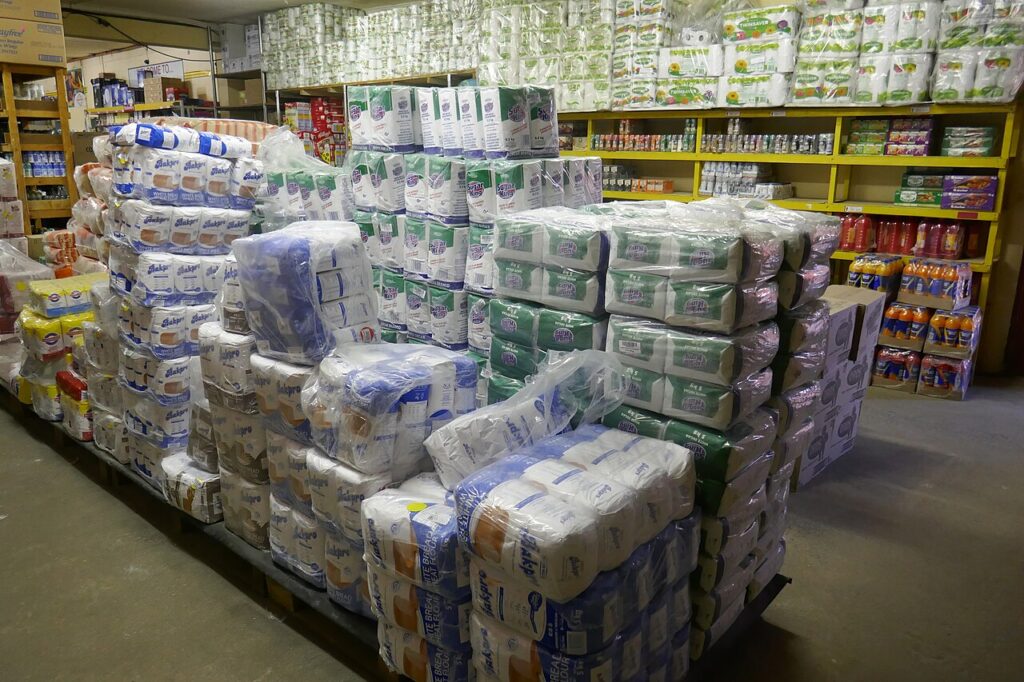
- Money-Saving Tip: Self-cater your lunches. The Kamanjab Supermarket (on the main street, open 8am-6pm weekdays, 8am-1pm Saturday) sells fresh produce: tomatoes, onions, bread, eggs, and local butter. You can make a picnic for two for under NAD 60. Also, buy your firewood from the corner vendor (NAD 20 for a bundle) instead of buying the pre-packaged bags at camp (NAD 40). If you camp, that saves NAD 20 per meal—enough for an extra Windhoek Lager.
By Sunday evening, as you load the jeep and head south, you already miss the

