
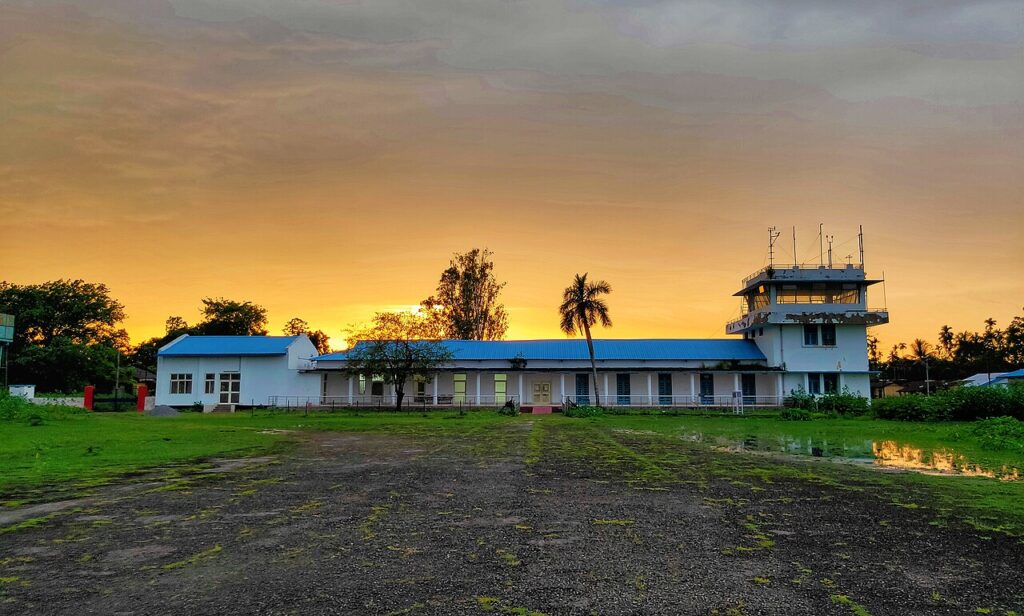
Kailashahar, India for Adventurers: 7 Treks & Rapids That Rival the Himalayas (2026)
You feel the spray of the monsoon-fed cascade before you see it—a cool mist against your face as you scramble over moss-covered sandstone. Below, the Manu River churns through a gorge carved over millennia. Your heart pounds as you grip the rock, the ancient whispers of Unakoti’s thousands of stone deities pressing in from every direction. This is Kailashahar, Tripura’s best-kept adventure secret, and you’re about to discover why savvy travelers are swapping crowded Himalayan trails for this wild northeastern frontier.
The Main Event: The Unakoti Trek & Canyoning Expedition
You’ll start your day before dawn—4:30 a.m. sharp—when the air is still cool and the jungle sounds are just waking up. Head to the Unakoti hills, about 8 kilometers from Kailashahar town. This isn’t a casual stroll; it’s a full-on adventure that combines a moderate 5-kilometer trek with rock scrambling and seasonal canyoning through monsoon-fed waterfalls. The trail begins at the main Unakoti archaeological site, where you’ll pass over 9,999 ancient rock-cut images of Shiva, Ganesha, and Durga—each one carved into the hillside between the 7th and 9th centuries. Locals recommend starting early to beat the heat and the crowds; by 7 a.m., you’ll have the site almost to yourself. Expect to spend 4–5 hours on the full circuit. Difficulty is moderate to hard—you’ll need a decent fitness level for the steep sections and slippery rock. Cost: entry is ₹20 for Indians, ₹100 for foreigners (plus a ₹200 guide fee, which you should absolutely hire—the stories are incredible). Bring sturdy hiking boots with good grip, at least 2 liters of water, snacks, and a waterproof bag for your phone. Insider tip: after the main carvings, ask your guide to take you to the hidden “Cascade Shrine”—a seasonal waterfall that flows directly over a reclining Shiva figure. It’s off the official trail and most tourists miss it entirely.
The canyoning part is best attempted between July and October, when the monsoon swells the waterfalls. You’ll rappel down two 15-meter cascades using basic climbing gear provided by local guides from the Tripura Adventure Collective (book through their Facebook page or call +91 381 235 0002 at least 3 days in advance). The water is shockingly cold—around 18°C—so you’ll want a wetsuit if you have one (they rent for ₹300). The feeling of descending through mist and thunderous water while ancient stone gods watch from the cliffs is something you’ll remember long after you’ve dried off. Your guide, usually a local Kuki or Chakma man who has been climbing these hills since childhood, will show you the safe routes. Seasoned travelers often bring a GoPro or waterproof camera—the spray and light create surreal rainbow effects around the carvings.
Activity #1: Manu River White-Water Rafting (Class II–III)
You’ll meet your rafting crew at 7 a.m. at the Manu River Put-in Point, about 12 kilometers south of Kailashahar town (the exact GPS coordinates are 24.2816° N, 92.0089° E—save them before you go). The season runs from July through February, with the best rapids during the monsoon months of July to October. You’ll navigate 8 kilometers of Class II and III rapids with names like “Elephant’s Trunk” and “Monk’s Drop”—local guides named them after the rock formations you’ll pass. The trip takes 3 hours, including a 20-minute break at a sandbar where you can swim in the surprisingly clear water. Cost is ₹1,200 per person, which includes a life jacket, helmet, paddle, and a safety kayaker. Book through Tripura River Adventures (WhatsApp +91 98625 77890). You’ll want to bring a dry bag for your phone and sunglasses (they sell basic ones for ₹100 at the put-in). Locals recommend the early morning run—the water is calmer, the light is golden, and you’ll spot kingfishers and maybe even a river otter if you’re lucky. After the trip, you’ll be bused back to the starting point, where a simple lunch of rice, dal, and fried fish awaits at the riverside dhaba—₹150 for a thali that will fill you up perfectly.
Activity #2: Dumboor Lake Kayaking & Birding
From Kailashahar town, you’ll drive 35 kilometers northeast to Dumboor Lake—a stunning 41-square-kilometer reservoir dotted with 48 small islands. You’ll launch your kayak from the Dumboor Lake Eco-Tourism Centre (open 6 a.m. to 4 p.m.; entry ₹50). Kayak rental is ₹600 for 3 hours, and you don’t need any experience—the water is calm except for a mild chop in the afternoon. Paddle from island to island through channels lined with water lilies and lotus flowers. The birding here is exceptional: you’ll spot lesser adjutant storks, Oriental darters, and if you’re quiet, the rare white-winged wood duck. Locals recommend going with a birding guide from the centre (₹300 extra) who knows the nesting spots. The best time is early morning, 6–9 a.m., when the birds are most active. Bring binoculars (you can rent them for ₹100) and a hat—the sun gets intense by 10 a.m. You’ll pack a simple picnic of pitha (rice cakes) and chai from the small stall at the launch point—costs about ₹80. Travelers often discover that the northernmost island, “Heron Island,” has a small watchtower with panoramic views of the entire lake—perfect for photography.

The Sabhadhipati of Unakoti Zilla Parishad, Kailashahar, India
Refuel: Where Adventurers Eat
Pankaj Bhojnalaya (Near Kailashahar Bus Stand, open 7 a.m.–9 p.m.)—This no-frills spot is the go-to for every guide in town. You’ll refuel with a massive thali of rice, dal, three seasonal vegetables, and fried papad for just ₹120. Order the macher jhol (fish curry) if it’s available—the local Rohu fish is caught fresh from the Manu River. After a morning of trekking, this is the meal that brings you back to life.
Tea Garden Café (Inside Kailashahar Tea Estate, 10 a.m.–5 p.m.)—Perched on a hill overlooking rolling tea gardens, this café serves the town’s best chai (₹20) and homemade pakoras (₹60). Owners Rajib and Mili are former tea garden managers who now cater to adventurers. Try their special chicken momos (₹150) with a fiery red chutney made from local bhut jolokia peppers—it’ll clear your sinuses after a dusty bike ride.
River View Dhaba (Manu River banks, 1 km from Put-in Point, open 11 a.m.–7 p.m.)—After rafting, you’ll head straight here. The specialty is smoked pork with bamboo shoots (₹250), cooked in banana leaves over an open fire. The owner, a retired river guide named Bikram, will tell you stories of rescue missions during the monsoon. Wash it down with a cold Kingfisher (₹120) as you watch the sun set over the rapids you just conquered.
Hotel Unakoti Restaurant (Main Road, Kailashahar, open 6 a.m.–10 p.m.)—For a hearty breakfast before an adventure, this is your spot. The aloo paratha (₹60) with fresh curd comes in portions that could fuel a full day of hiking. Locals recommend the chicken curry with luchi (fried bread, ₹180)—it’s the same recipe the kitchen has been using since 1982.
Base Camp: Where to Stay
Hotel Hill View (Near Kailashahar Police Station, +91 381 234 5678, doubles from ₹1,200)—This is the most adventure-friendly hotel in town. They have a secure gear storage room, offer early breakfast from 5 a.m. (order the night before), and the owner, Mr. Deb, is a former trekking guide who can arrange any activity you need. Rooms are basic but clean, with hot water and fans. Ask for a room on the top floor facing east—you’ll wake up to sunrise over the Unakoti hills.
Eco-Tourism Camp Dumboor (Dumboor Lake, 35 km from town, ₹1,500 per tent, book via Booking.com)—For the full adventure experience, you’ll sleep in a pre-pitched tent 50 meters from the lake. You get a cot, mosquito net, and a campfire dinner included. The real appeal: you’re on the water by 5:30 a.m., kayaking before any other visitors arrive. There’s no WiFi, but that’s the point.
Paradise Inn (Main Road, Kailashahar, doubles from ₹800)—Budget travelers choose this for its rooftop terrace where you can dry your gear after rafting. The staff will store your kayak or trekking poles overnight. It’s basic—shared bathrooms, limited hot water—but the location is central and you’ll meet other adventurers on the rooftop. The in-house restaurant serves a decent thali for ₹100.

Ancient Shore Temple, a UNESCO World Heritage site in Mahabalipuram, India., Kailashahar, India
Gear & Prep Checklist
- Sturdy hiking boots with aggressive tread—the sandstone at Unakoti gets slick as glass after rain; you’ll need grip that won’t quit
- Dry bag (10–15L)—essential for keeping phone, wallet, and dry clothes safe during rafting and canyoning
- Quick-dry clothing—100% cotton is a mistake in this humidity; synthetic or merino will save you from chafing
- Fitness prep: You should be comfortable with 5 kilometers of uneven terrain and able to climb 10-meter sections using handholds. Do stair climbs for 30 minutes, 4 times a week, for 2 weeks before you go
- Safety consideration: Leech socks are non-negotiable from June to October. The leeches here are small but aggressive. Buy them at any trekking shop in Kailashahar for ₹150—or order eco-friendly ones online before you leave
Getting There & Around
- Flights: The nearest airport is Agartala (Maharaja Bir Bikram Airport, IXA), 135 kilometers from Kailashahar. Direct flights from Kolkata, Delhi, and Guwahati. Book a seat on IndiGo or Air India at Skyscanner—round-trip from Kolkata starts at ₹6,000. From Agartala, you’ll take a shared taxi (₹300 per person, 3.5 hours) or a state bus (₹150, 4 hours) to Kailashahar
- Local Transport: From Kailashahar town, you’ll get to most activities by local auto-rickshaw (₹50–₹200 depending on distance) or by hiring a motorcycle from Rider’s Point on Main Road (₹500 per day, including helmet and basic insurance). For Unakoti and the river put-in, your guesthouse can arrange a pick-up at reasonable rates. Savvy visitors book a local driver for the entire day (₹1,500) to cover multiple activities efficiently
- Best Season: October to March is optimal—temperatures range from 12°C to 28°C, humidity is low, and all trails are open. July to September offers the best white-water but risks trail closures after heavy rain. Avoid April to June—the heat (35–40°C) and humidity make trekking genuinely dangerous
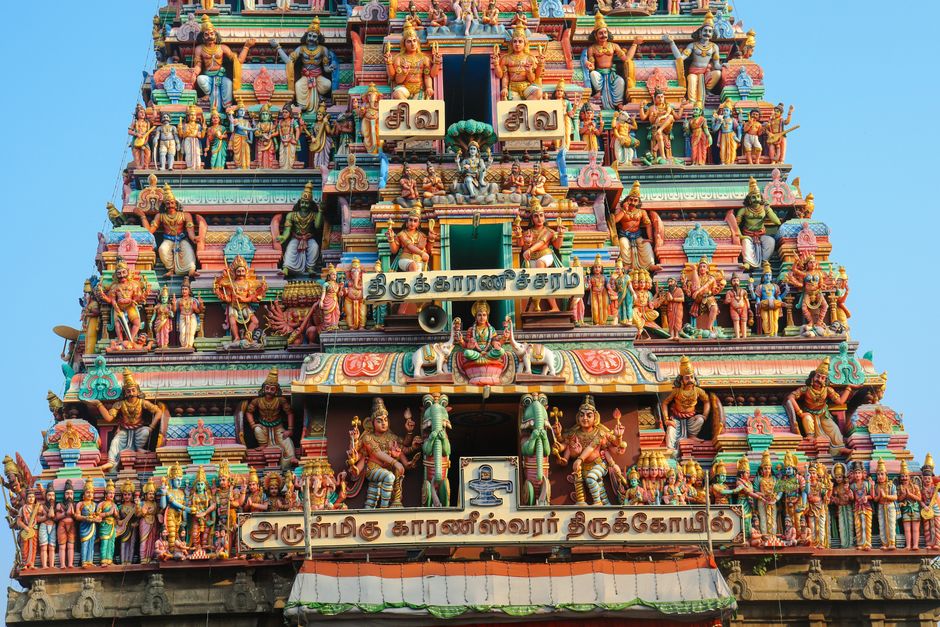
Intricately ornamented facade of a Hindu temple in Chennai, Kailashahar, India
Is Kailashahar, India Worth It?
Honestly? It depends on what you’re after. If you’re a seasoned trekker looking for technical climbs or Class IV rapids, Kailashahar will feel mild—the Unakoti trek is more cultural adventure than physical challenge, and the rafting is fun but not extreme. You’ll find bigger thrills in Rishikesh or Ladakh. But if

