
Kaffa, Ethiopia on a Budget: the Birthplace of Coffee for $25/Day (2026)
While a single cup of specialty pour-over coffee in Brooklyn sets you back $6, in Kaffa, Ethiopia—the actual birthplace of Coffea arabica—you’ll sip the same legendary beans for less than 20 cents, straight from the forest where they first grew wild. For the price of one latte in London, you can eat three full meals, sleep in a local guesthouse, and still have change for a bag of green coffee beans. Travelers discovering Kaffa find that their budget stretches further here than almost anywhere else in East Africa.
7 Free Things to Do in Kaffa, Ethiopia
- Walk the Birthplace of Coffee Trail: Start at the small signpost near Bonga’s main square (just off the main road by the old market) and follow the 3-kilometer loop through wild coffee forests. Locals recommend going early—around 7:00 a.m.—when the mist still hangs over the canopy and you’ll spot Colobus monkeys swinging overhead. The entire trail is free, and you’ll see the original Coffea arabica plants growing in their natural understory habitat.
- Visit the Bonga Coffee Museum (Free on Sundays): This modest but fascinating museum on Bonga’s main street (near the post office) is free every Sunday. You’ll learn how coffee made its journey from Kaffa to the world, see traditional roasting pans, and hear the story of Kaldi and his dancing goats. On weekdays, the entry fee is just $1, but Sunday is your best bet for a free experience with a local guide who often volunteers.
- Hike to the Bonga Waterfalls: About 4 kilometers northeast of town, you’ll find a series of small but powerful waterfalls along the Bonga River. Your best bet is to ask any local shopkeeper for directions to “Bonga Falls”—everyone knows them. The hike takes about 45 minutes each way, passes through farmland and eucalyptus groves, and ends at a cool swimming hole. Pack your swimsuit; locals bathe here every afternoon.
- Explore the Kafa Biosphere Reserve on Foot: The UNESCO-recognized Kafa Biosphere Reserve covers over 760,000 hectares of montane rainforest. You don’t need a guide or permit to walk the perimeter trails near the village of Gojeb, about 12 kilometers south of Bonga. Savvy visitors catch a shared minibus to Gojeb (50 cents) and then walk the forest edges for hours, spotting birds, butterflies, and wild coffee. The reserve’s biodiversity is staggering—you might see the endangered Bale monkey or hear the call of the yellow-fronted parrot.
- Attend a Village Coffee Ceremony: In Kaffa, coffee isn’t a drink; it’s a ritual. If you walk through any village in the morning (especially around 9:00–10:00 a.m.), you’ll be invited into a home for a coffee ceremony. Locals consider it rude not to offer coffee to a guest. You’ll watch the beans be roasted over an open flame, ground with a mortar and pestle, and brewed in a clay pot called a jebena. The entire ceremony takes about an hour, and you can stay for all three rounds. Your only cost is your time and conversation.
- Bonga Local Market (Saturday Mornings): Every Saturday from 6:00 a.m. to noon, the Bonga market fills the town center with the chaos of livestock, spices, textiles, and, of course, coffee beans. This is not a tourist market—it’s where farmers from the surrounding villages come to trade. You can wander for hours among the stalls, sniffing berbere spice piles and watching coffee beans change hands in burlap sacks. Photography is free, but always ask permission with a smile.
- Sunset at the Bonga Viewpoint: At the end of the road past the hospital (about a 20-minute walk uphill from the town center), you’ll find a rocky outcrop with panoramic views over the Godere Valley. Travelers often bring a small flask of Ethiopian coffee and watch the sun sink behind the forested hills. This is the best free viewpoint in Kaffa, and on a clear day you can see all the way to the Omo River basin.
Cheap Eats: Where Locals Actually Eat
1. Merkato Corner (Bonga Market Area): Look for the blue-and-white awning near the main market entrance. This tiny stall sells the best kitfo in town—Ethiopia’s classic minced raw beef seasoned with mitmita pepper and clarified butter—for just $1.50 per plate, served with fresh injera. The family behind the counter has been selling here for 30 years, and you’ll see half of Bonga eating here at lunchtime (11:30 a.m.–2:00 p.m.). If raw meat isn’t your thing, they also do a stellar shiro (chickpea stew) for $0.80 with a heap of rice or injera.
2. Yeshi’s Tukul Cafe (Bonga Main Road, across from the bus station): Yeshi runs this six-table tukul-style cafe with her daughters, and it’s where you’ll find the most authentic coffee ceremony in town. A full ceremony with popcorn costs $0.60, but you should also order the ful medames—fava beans stewed with tomato, onion, and jalapeño—for $1.20. It’s served with fresh sourdough bread from the bakery next door (just another 15 cents). Yeshi’s opens at 6:00 a.m. and closes around 8:00 p.m., but the coffee ceremony stops by 11:00 a.m., so get there early.
3. Gojeb Forest Camp (12 km south of Bonga, near the Biosphere village): This is technically a camp for hikers, but their kitchen welcomes walk-ins for lunch. For $2.50, you’ll get a massive plate of genfo (toasted barley porridge) with a side of spiced lentils and sauteed greens, all made from ingredients foraged or grown within the reserve. The camp also offers free refills of shai (spiced tea) if you buy a meal. It’s worth the minibus ride just for the view—you eat on a wooden deck overlooking the forest canopy.
4. Night Food Stalls (Bonga Bus Station, 6:00 p.m.–10:00 p.m.): When the sun sets, a dozen women set up portable stalls around the bus station, each with a charcoal grill. Your best bet is the stall with the longest queue—usually the one run by Worknesh, recognizable by her yellow apron. She sells sambusa (spiced lentil triangles) for $0.10 each, shish kebab skewers for $0.50, and roasted corn on the cob for $0.15. Three sambusas and a skewer cost you $0.75 total. Travelers often stock up here before overnight bus journeys.

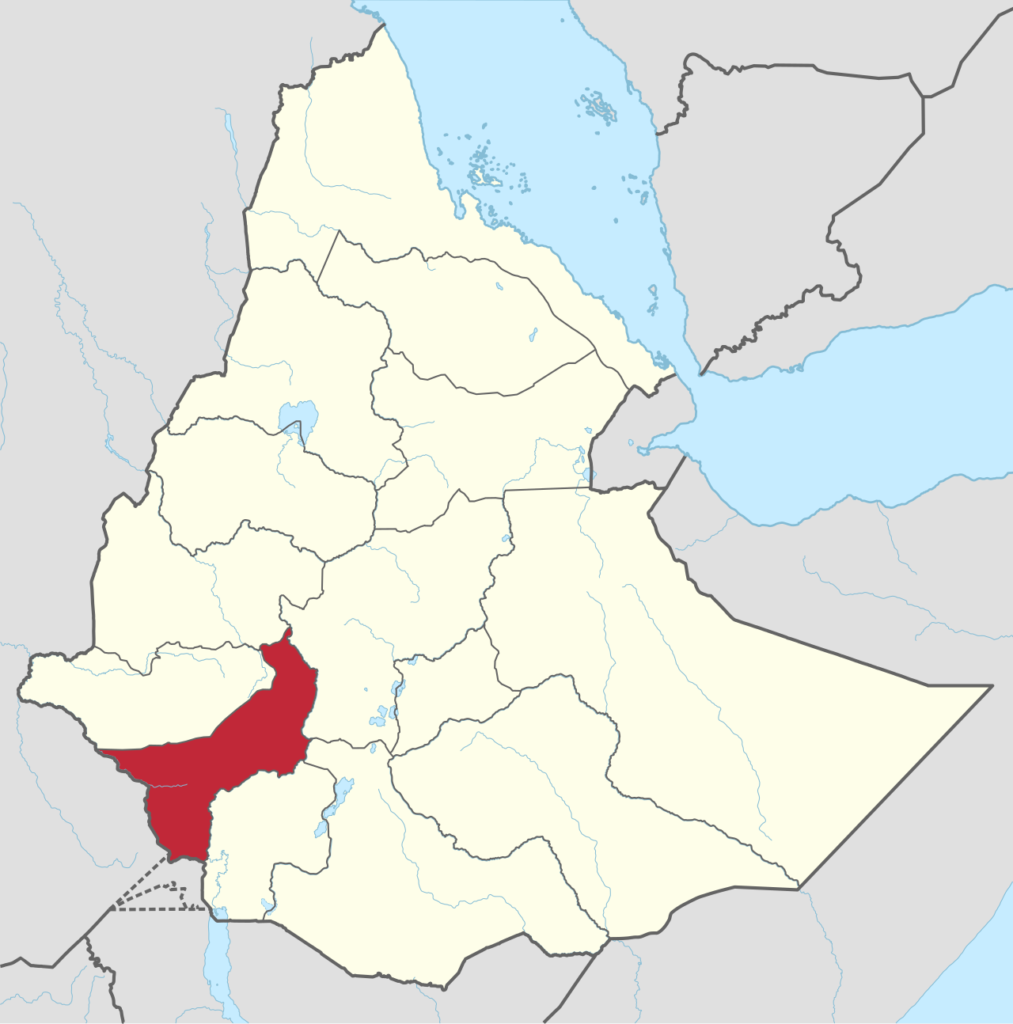
Locator map of Kaffa province in Ethiopia, Kaffa, Ethiopia
Getting There Without Going Broke
- Cheapest Route: Fly from Addis Ababa to Jimma with Ethiopian Airlines ($45 one-way, 45 minutes), then take the shared minibus from Jimma to Bonga ($4, 3 hours). Total: $49. The minibus leaves Jimma’s main station every hour from 6:00 a.m. to 4:00 p.m. Alternatively, the direct bus from Addis Ababa to Bonga costs $12 but takes 12 hours—your cheapest option if you have time and a strong back. The bus departs Addis from the Ras Mekonnen Terminal at 5:00 a.m. daily.
- Pro Tip: Book your Ethiopian Airlines flight at least 21 days in advance for the lowest fare. Use the “Self Service” option on their website to avoid booking fees. The Jimma–Bonga minibus fare drops to $3 if you bargain in Amharic—learn “Sint new?” (How much?) and “Wodin new” (It’s expensive) to get the local price.
- From the Airport: Jimma Airport is 3 kilometers from the city center. The cheapest transfer is the shared minibus that meets every flight (it waits just outside the arrival gate) for $0.50 to the central bus station, compared to $8 for a private taxi. The minibus fills up quickly, so grab a seat immediately after landing.
Compare flights at Skyscanner
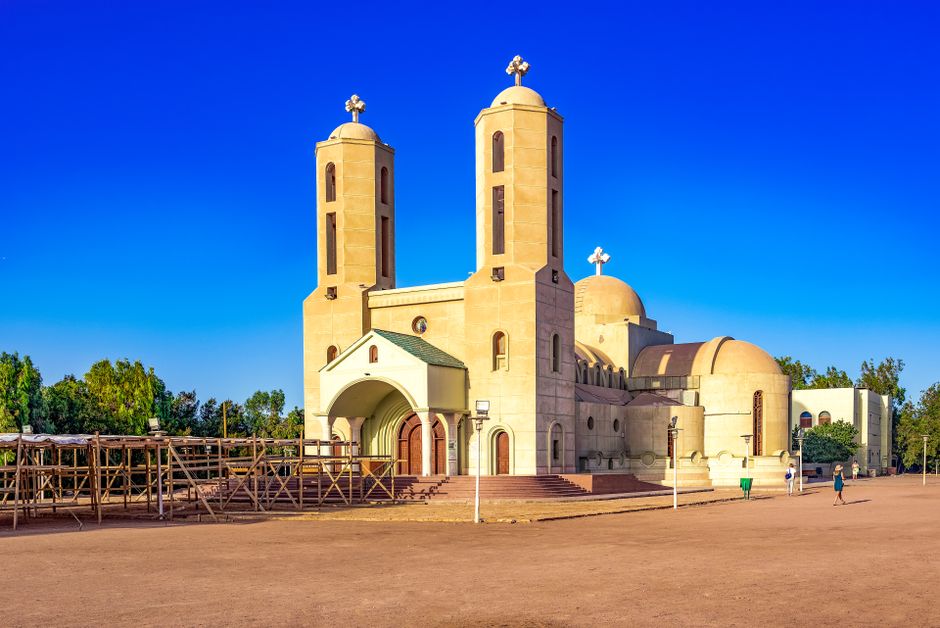
Ethiopian Orthodox church with distinct twin towers under a clear blue sky., Kaffa, Ethiopia
Budget Accommodation Guide
Your best bet for budget lodging is in Bonga town itself. Bonga Backpackers Lodge (off the main road, behind the hospital) offers dorm beds for $8 per night and private rooms for $15. The owner, Tesfaye, is a former coffee farmer who leads free walking tours every Tuesday and Thursday. The lodge has a shared kitchen and a small garden where you can roast your own coffee beans. Just down the street, Ras Kassa Guesthouse (main road, near the bus station) charges $10 for a single room with shared bathroom—ask for Room 7, which has a balcony overlooking the market. For eco-lodge feels on a budget, Afro-Alpine Retreat (4 km outside Bonga, near the Biosphere) has simple tukul-style huts for $18 per night including breakfast and unlimited coffee. The safest area to stay is within three blocks of the bus station—Bonga is generally safe, but stick to well-lit streets after dark. For pre-booking, check Booking.com for Bonga properties (though many budget places aren’t listed online) or Airbnb for homestays in nearby villages starting at $12 per night.

A captivating view of Gondar, Kaffa, Ethiopia
Money-Saving Tips Specific to Kaffa, Ethiopia
- Buy coffee at the source: You can buy fresh-roasted green coffee beans directly from farmers in the weekly market for $1.50 per kilogram—compared to $15 per kilogram in Addis Ababa. The sack of 5 kilos will last you months and makes an incredible gift. Just avoid the “coffee traders” near the bus station, who charge triple the price.
- Learn “Ishe” and “Ameseginallehu”: Saying “OK” (Ishe) and “Thank you” (Ameseginallehu) in Amharic will reduce your prices by 20–30% in markets and minibuses. Locals respect visitors who make an effort, and you’ll find that the price for a minibus ride drops from 50 cents to 30 cents just by greeting the driver in Amharic.
- Eat lunch at the market, not in restaurants: The Bonga market (Saturday) and the smaller daily market near the bus station offer injera with wat (stew) for $0.50–$0.80 per serving. You can assemble a balanced meal of injera, lentils, vegetables, and sauce for under $1. Just bring your own spoon or use the injera as your utensil, as locals do.
- Use public transport, not organized tours: A guided day trip into the Biosphere Reserve costs $40–$50 from any lodge. Instead, take the shared minibus to Gojeb (50 cents), and hire a local guide for $5 at the village entrance. You’ll get a better, more personal experience and directly support the community.
- Bring a reusable water bottle and purification tablets: Bottled water costs $0.60 per liter in Bonga—fine for a day, but expensive over a week. The lodges allow you to refill from their filtered tanks for free if you ask. Travelers who bring purification tablets save $4–$5 per week. Plus, every shop in Bonga sells fresh sugar cane juice for $0.15, which is both safer and tastier than tap water.
Is Kaffa, Ethiopia Worth It on a Budget?
Honestly? Kaffa is one of the best-value destinations in East Africa, especially if you’re a coffee lover, a hiker, or someone who wants to go well off the beaten path. What you miss by going cheap is essentially nothing—the best experiences in Kaffa are free: the forest walks, the coffee ceremonies, the Saturday market, the waterfall swims. The main thing you sacrifice is comfort: bare-bones accommodation means cold-water bucket showers and squat toilets, and the shared minibuses are cramped and hot. But travelers discover that these very “sacrifices” are what make the trip memorable. You’ll find that the $15/day experience connects you more deeply with local life than a $150/day safari ever could. Compared to neighboring destinations like Arba Minch or Bahir Dar, where budget tourism is more developed but also more expensive, Kaffa offers a raw, authentic version of Ethiopia that fewer travelers experience. If you’re willing to sleep in a basic guesthouse, eat street food, and walk the forest trails on your own two feet, you’ll leave Kaffa richer—not poorer—than when you arrived. The coffee alone is worth the trip, and at $25/day, you can afford to stay for weeks.

