
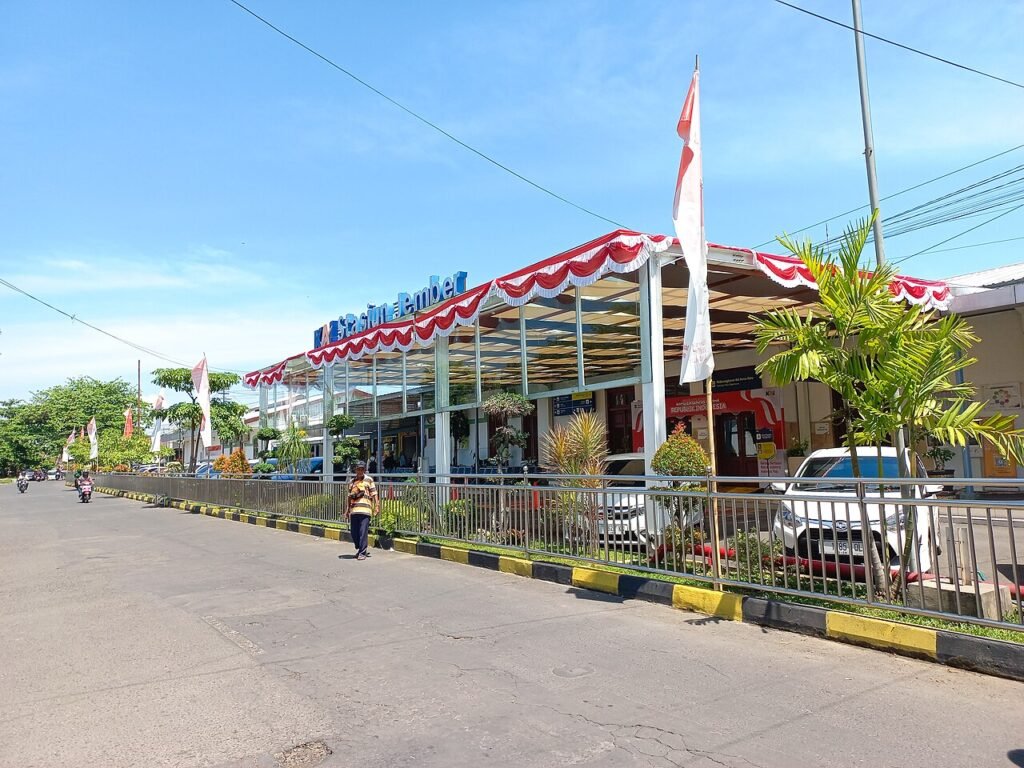
Jember, Indonesia Weekend: Coffee Plantations, Tobacco Heritage & The Best Soto in East Java (2026)
The first thing you notice is the sweet, earthy aroma of clove cigarettes mingling with the damp exhaust of a passing bemo – Jember hits your senses like a slow, fragrant wave. It’s a Saturday morning. The sun is already strong over the low-rise town, but the air carries a hint of mountain coolness from the slopes of Argopuro. Locals sip thick black coffee at roadside stalls, and the clatter of a kentongan (bamboo drum) echo from a nearby village. This is Jember: not a tourist poster, but the real, breathing East Java.
Quick Facts Before You Go
- Best Months: May to October (dry season; Jember Fashion Carnaval in August gives an extra cultural spark)
- Currency: Indonesian Rupiah (IDR) – around 1 USD = 15,500 IDR (check latest rates at XE)
- Language: Indonesian (Bahasa Indonesia) – English is spoken at hotels and some cafés, but learning “Terima kasih” (thank you) and “Berapa harganya?” (how much?) goes a long way
- Budget: $25–$40/day per person (mid-range) – $15 if you stick to warungs and homestays, $60+ for nicer hotels and guided tours
- Getting There: Fly to Juanda International Airport in Surabaya (SUB) – about 1 hour from Jakarta or Bali – then take a 4-hour bus or car to Jember. Book flights at Skyscanner. Alternatively, take the train from Surabaya’s Gubeng station to Jember station (economy class ~$5, executive ~$12). Check Tiket.com for train tickets.
Day 1: The Scent of Tobacco & Coffee – A Colonial Morning
You wake to the lowing of a cow and the crow of a rooster – a soundscape that feels centuries old. The air is thick with dew and the promise of a caffeine kick. You start your morning at the legendary Warung Kopi Kaliwining, a wooden shack that has served Jember’s coffee since the Dutch era. The owner, a third-generation brewer, nods as you sit on a worn stool. “Kopi tubruk,” you say – thick, muddy, sweet. You sip it as trucks loaded with tobacco leaves rumble past. This is Jember’s heartbeat: agriculture, history, and a heavy dose of everyday life.
- Morning (8–11am): Head straight to Kebun Kopi Kaliwining, a working coffee estate 15 minutes south of town. For 25,000 IDR ($1.60) you get a guided tour through the plantation with a local farmer who explains the whole process from berry to cup. You’ll see the original Dutch drying sheds and taste a fresh roast right there. Bring a hat – the sun can be fierce among the rows of Arabica.
- Lunch: Drive to Warung Lesehan Bu Lilik on Jalan Gajah Mada. Order the rawon (black beef soup with fermented nut) – 20,000 IDR ($1.30) – served with a mountain of rice, a boiled egg, and a side of oseng kacang panjang (long beans sautéed with coconut). The dark, savory broth is unlike anything you’ll find in Surabaya.
- Afternoon (1–5pm): Explore the Jember Fashion Carnaval Museum, housed in an old colonial building on Jalan Sultan Agung. Entry is 10,000 IDR. You’ll see costumes from past carnivals and learn how this small town became an international fashion stage. Then wander the Pasar Tanjung (the traditional market) – the chaos of colors, spices, and vendors is photogenic. Don’t miss the “lemet” sellers: banana leaf bundles filled with steamed cassava and grated coconut – 5,000 IDR for a pack.
- Evening: Dinner at Rumah Makan Lembah Hijau on Jalan Kalimantan – a legendary spot for ayam goreng jogja (fried chicken with sambal) – 30,000 IDR. The place is an open-air garden with reed roofs and fairy lights. After, walk to Taman Alun-Alun, the town square, where you’ll find families flying kites and teens playing sepak takraw. Grab an es teler (avocado and jackfruit in coconut milk) from a street vendor – 8,000 IDR – and sit on the grass watching the evening breeze.
Jember is part of regency in East Java, Jember, Indonesia
Day 2: Into the Hills – Waterfalls & the Spirit of Argopuro
Today you trade the town for the mountains. The morning fog clings to the tea gardens as your ojek (motorcycle taxi) climbs the winding road to Air Terjun Tancak. The roar of water grows louder. You park near a small mosque and follow a path through bamboo groves. A local boy tells you the waterfall is 35 meters high and drops into a deep, jade-green pool. You strip down to your swim trunks (bring quick-dry towel!) and plunge into the cold. The spray on your face feels like a baptism. Travelers often discover that this is the real Jember – not a museum, but a living, breathing landscape.
- Morning (7:30–11am): Breakfast at a small warung on the side of the road: nasi pecel (steamed rice with peanut-sauce-drenched vegetables) – 10,000 IDR – served with a raw egg yolk on top and a handful of rempeyek (crispy peanut crackers). Then head to Air Terjun Tancak (Tancak Waterfall). Entry fee is 10,000 IDR. Hike is 20 minutes, moderate. Bring water and a plastic bag for wet clothes.
- Midday (11am–1pm): Drive deeper into the hills to Desa Wisata Kampung Pitu, a village where locals still use traditional techniques to make brown sugar from palm trees (called gula merah). For 30,000 IDR you get a workshop and a tasting. The secret is to visit before noon – after that the heat sends workers home, and you’ll have the place to yourself.
- Afternoon (1:30–5pm): Explore Kampung Batik Jelita in the village of Tanggul. You’ll see artisans hand-stamping cloth with natural dyes. Buy a scarf for 50,000 IDR ($3.20) – it’s a fraction of what you’d pay in Yogyakarta. The neighborhood itself is a maze of tiny alleys covered in batik murals.
- Final Evening (6pm onward): Farewell dinner at Pendopo Kabupaten – a colonial-era hall now used as an upscale restaurant. Order the nasi langgi (a Jember specialty: spiced rice with chicken, eggs, and shredded coconut) – 40,000 IDR. The dhows of the breeze and the soft light from vintage lamps create a nostalgic mood. End with a durian ice cream from a street cart near the square – 5,000 IDR – and watch the last red streaks of sunset behind the Argopuro mountains.

A gold and black box with a gold ring on a wooden surface, Jember, Indonesia
The Food You Can’t Miss
Jember’s food is humble but fiercely proud. You haven’t really been here until you’ve eaten soto babat (tripe soup) at Warung Soto Pak Eko in Kaliwates. For 15,000 IDR you get a bowl of turmeric-yellow broth swimming with rice noodles, bean sprouts, and thin slices of beef tripe. The sambal is a dangerous mix of bird’s eye chili and lime – you’ll sweat and love it. Locals recommend asking for “sedang” (medium spicy) unless you’re a chili veteran.
Street food rules Jember after dark. Near the Alun-Alun, you’ll find carts selling lontong sayur (rice cakes in coconut milk with vegetables) and pisang goreng (fried bananas). The best pisang goreng is at Bu Tatik’s cart – she uses ripe raja sereh bananas and serves them with a dusting of sugar and a drizzle of honey – 7,000 IDR for five pieces. For a sit-down meal, you can’t miss Rumah Makan Nyonya Suharti on Jalan Wahid Hasyim. Their ayam bekakak (spice-marinated chicken grilled over charcoal) is legendary – a full meal with rice and vegetables costs about 35,000 IDR and you’ll see locals ordering it by the bucket on weekends.
Don’t leave without trying lemet – the cassava-and-coconut snack – and the local robusta coffee. Travelers often discover that the best coffee is not in fancy cafés but in the angkringan (street coffee stalls) that open after 5pm. Sit on a short wooden stool, sip your kopi tubruk, and watch the town unwind.

Woman in red and gold traditional dress, Jember, Indonesia
Where to Stay for the Weekend
For a weekend break, you want to be close to the action but also have a retreat from the heat. The Jalan Sultan Agung area (around Alun-Alun) is perfect for walkability – you’re steps from the market, warungs, and the museum. Mid-range options include Hotel Dafam Lotus Jember (from $35/night) and Hotel Mahkota (from $25/night) – both have pools and air-con. Budget travelers love Homestay Ibu Dina on Jalan Kalimantan (from $12/night) with basic but clean rooms and a friendly owner who can arrange transport. For a more immersive stay, try Villa di Kaliwining nestled among coffee plantations (from $50/night, includes breakfast and a plantation tour). Book your accommodation through Booking.com or Airbnb.
Before You Go: Practical Tips
- Getting Around: Your best bet is to hire an ojek (motorcycle taxi) for the day – expect 150,000–200,000 IDR ($10–13) for 8 hours. Negotiate first. For shorter trips, bemo (minivans) cost 5,000 IDR per ride, but you’ll need to know the routes. Download Gojek or Grab (the local ride-hailing apps) – car rides within town are 20,000–50,000 IDR.
- What to Pack: A light rain jacket (tropical showers can appear suddenly), comfortable walking sandals, a sarong (for mosque visits and waterfalls), and insect repellent with DEET – the mosquitoes in the plantations are aggressive. Also bring a small cloth bag for market finds – plastic bags are discouraged.
- Common Tourist Mistakes: Many visitors assume Jember is just a transit point – don’t. You need at least two days. Also, skipping the local food and eating at hotel restaurants is a shame. The real flavors are in the warungs. And never flash expensive jewelry in the market – it attracts unwanted attention.
- Money-Saving Tip: ATMs are plentiful in town (Bank Mandiri, BCA) but charge a fee of ~25,000 IDR per withdrawal – take out a large sum once and save. Eat at nasi padang warungs for lunch – 15,000 IDR gets you rice with three sides. A cup of kopi tubruk at a street stall is only 3,000 IDR – one-fifth of what you pay at a café.

