
Islamabad, Pakistan’s Incredible Mountains, Modernity & Mughal Echoes (2026)
While crowds flock to the bustling chaos of Lahore, Islamabad delivers serene, planned beauty without the sensory overload. Designed in the 1960s by Greek architect Constantinos Doxiadis, the city unfolds in a precise grid of sectors against the dramatic backdrop of the Margalla Hills. Here, you’ll find wide, jasmine-scented boulevards, world-class museums housing 5,000-year-old artifacts, and a pace of life where the call to prayer mingles with the rustle of pine trees. This is Pakistan’s polished capital, a green oasis where ancient history and contemporary ambition meet.
Why Islamabad, Pakistan Stands Out

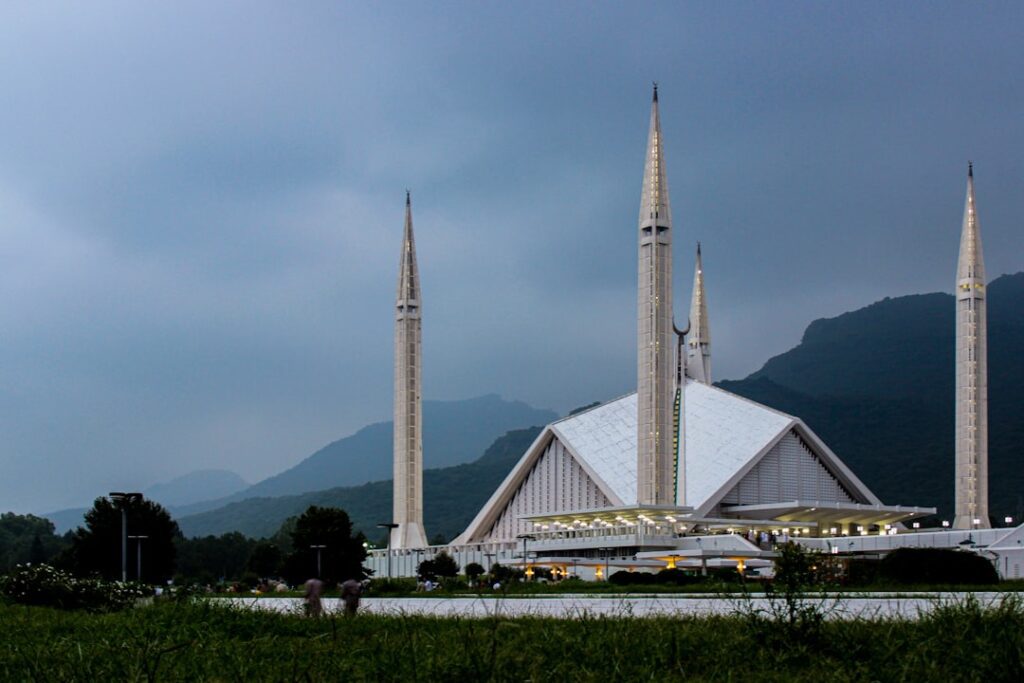
White and brown concrete building under blue sky during daytime, Islamabad, Pakistan
- Historic Architecture: The iconic Shah Faisal Mosque, completed in 1986, is a breathtaking fusion of modern design and traditional tent structure, capable of holding 100,000 worshippers.
- Cultural Scene: The annual Lok Virsa Mela in October is a vibrant folk festival where you can see artisans from across Pakistan demonstrating centuries-old crafts like truck art and pottery.
- Local Specialties: You must try a plate of succulent Chapli Kebabs, a spiced minced meat patty from the nearby Khyber region, best enjoyed with fresh naan and mint chutney.
Pro Tip: For the perfect blend of pleasant weather and cultural activity, visit during the shoulder months of October to November. The summer heat has faded, the winter chill hasn’t set in, and you’ll catch the tail end of the autumn festivals. Avoid Friday afternoons for visiting major mosques, as they are reserved for congregational prayers.
Map of Islamabad, Pakistan
Use these interactive maps to explore Islamabad, Pakistan and plan your route:
📍 View Islamabad, Pakistan on OpenStreetMap
🗺️ Open Islamabad, Pakistan in Google Maps
Planning Your Trip: Practical Essentials
Getting There and Around
- By Air: Islamabad International Airport (ISB) is the main gateway, served by airlines like PIA, Emirates, and Qatar Airways. A pre-booked taxi to the city center takes 30-40 minutes and costs around PKR 2,500. Book flights at Skyscanner for best deals.
- By Train: The Islamabad Railway Station connects to major cities like Lahore (4-5 hours) and Karachi (18+ hours). The modern “Green Line” express offers a comfortable option. Reserve tickets at Trainline or the national railway website.
- By Car: Driving from Lahore via the M-2 Motorway takes about 4 hours. Parking is generally easy in the city’s sectors. Compare car rentals at RentalCars.com.
- Local Transport: Ride-hailing apps like Careem and InDrive are affordable and reliable. Metered taxis are also available. For a local experience, try the colorful “Wagons” (shared vans) on fixed routes for under PKR 50.
Best Time to Visit
Islamabad’s climate is defined by hot summers, a monsoon season, and a crisp, cool winter. The ideal windows are the shoulder seasons, offering clear skies and comfortable temperatures for exploration.
| Season | Weather | Highlights |
|---|---|---|
| Summer (Jun–Aug) | Hot (30-40°C/86-104°F) with monsoon rains in July/August. | Lush green landscapes; fewer tourists. Best for early morning hikes before the heat. |
| Winter (Dec–Feb) | Cool to cold (5-18°C/41-64°F), with occasional frost. | Crisp, clear views of the snow-capped Margallas; perfect for daytime sightseeing. Pack a warm jacket. |
| Shoulder (Apr–May/Sep–Oct) | Pleasant and mild (20-30°C/68-86°F), low rainfall. | The absolute best time for all activities: hiking, city tours, and outdoor dining. Minimal crowds. |
Budgeting for Islamabad, Pakistan

People walking on brown concrete building during daytime, Islamabad, Pakistan
| Category | Budget | Mid-range | Luxury |
|---|---|---|---|
| Accommodation | PKR 3,000-5,000/night (guesthouses, budget hotels) | PKR 8,000-15,000/night (3-4 star business hotels) | PKR 20,000+/night (5-star resorts like Serena) |
| Meals | PKR 500-800 (street food, local cafes) | PKR 1,500-2,500 (sit-down restaurants) | PKR 4,000+ (fine dining, international cuisine) |
| Transport | PKR 500/day (Wagons, local buses) | PKR 1,500-2,000/day (ride-hailing apps, taxis) | PKR 5,000+/day (private car with driver) |
| Activities | PKR 0-1,000 (hiking, free museums, parks) | PKR 2,000 (guided tours, entry fees) | PKR 5,000+ (private guides, special tours) |
| Daily Total | PKR 4,000-7,000 (~$15-$25) | PKR 12,000-20,000 (~$45-$75) | PKR 30,000+ (~$110+) |
Top Attractions and Must-See Sights
| Attraction | Description | Hours | Entry Fee |
|---|---|---|---|
| Shah Faisal Mosque | A stunning contemporary mosque with a unique angular design, set against the Margalla Hills. | 24/7 (non-prayer times for tourists) | Free |
| Pakistan Monument Museum | Shaped like a blooming flower, this museum offers panoramic city views and insightful historical dioramas. | 10:00 AM – 5:00 PM (Closed Mon) | PKR 50 |
| Lok Virsa Museum | An immersive dive into Pakistan’s folk heritage, with exquisite textiles, musical instruments, and handicrafts. | 10:00 AM – 5:00 PM | PKR 200 |
| Daman-e-Koh | The premier viewpoint in the Margalla Hills National Park, offering breathtaking vistas over the entire city. | Sunrise to Sunset | Free |
3-Day Itinerary: Islamabad, Pakistan’s Highlights & Hidden Gems
Day 1: Monuments, Museums & Modernity
- Morning (7-9 AM): Start at the Shah Faisal Mosque. Arrive early to experience the serene morning light on its white marble. Remember to dress modestly (shawls are available).
- Afternoon (12-3 PM): Explore the Pakistan Monument and Museum. Then, head to Monal Restaurant (on the hillside) for lunch with a legendary view. Try their Chicken Malai Boti.
- Evening (6-8 PM): Stroll through the manicured Fatima Jinnah Park (F-9), then enjoy dinner at Savouries in F-6 for authentic Pakistani BBQ and karahi.
Day 2: Culture, Crafts & The Margallas
- Morning (8 AM): Hike Trail 3 in the Margalla Hills (free). It’s a moderate 2-hour round trip where you might spot monkeys. Carry water.
- Afternoon (1 PM): Visit the Lok Virsa Museum. Afterwards, have lunch at the museum’s on-site café or head to Kabul Restaurant in F-7 for superb Afghan cuisine.
- Evening (5 PM): Drive up to Daman-e-Koh for sunset. For dinner, experience the bustling food street in G-10 Markaz for local fare like gol gappay and samosas.
Day 3: History, Bazaars & Day Trip
- Morning (9 AM): Take a 30-minute taxi (PKR 1,500) to the ancient Taxila Museum and Archaeological Sites, a UNESCO World Heritage site dating back to 5th century BCE Gandhara civilization.
- Afternoon (1 PM): Explore the multiple ruins at Taxila. Have a simple lunch at a local dhaba near the museum.
- Evening (5 PM): Return to Islamabad. For a final souvenir, browse the handicraft shops at Jinnah Super Market (F-7). Enjoy a farewell dinner at Des Pardes in F-6 for a refined take on traditional dishes.
Cultural Insights & Etiquette
- Language: Urdu is the national language, but English is widely spoken in official and commercial settings. Learn a few phrases: “Salaam” (Hello), “Shukriya” (Thank you).
- Customs: Always use your right hand for eating and giving/receiving items. Public displays of affection are frowned upon. When invited to a home, it’s polite to bring a small gift like sweets.
- Tipping: Not mandatory but appreciated. In restaurants, 5-10% is standard if service isn’t included. Round up taxi fares.
- Dress Code: Modesty is key. For both men and women, clothing that covers shoulders and knees is advised, especially when visiting religious sites.
- Business Hours: Shops generally open 10:00 AM – 7:00 PM, often closing for an hour in the afternoon. Many close on Sundays. Government offices have shorter hours (9-3).
Where to Eat: Islamabad, Pakistan’s Best Bites
Islamabad’s dining scene ranges from bustling street-side stalls serving sizzling kebabs to upscale restaurants offering regional cuisines from across Pakistan. The city’s sectors (Markaz) each have their own culinary hubs, with F-6, F-7, and F-10 being particularly popular.
Must-Try Local Specialties
- Chapli Kebab: A flavorful, spiced patty from Khyber Pakhtunkhwa. For the best, head to Khyber Shinwari in Melody Market.
- Nihari: A slow-cooked, rich stew of meat, typically eaten for breakfast. Try it at Javed Nihari in F-10.
- Saag with Makai di Roti: Mustard greens served with cornbread, a hearty Punjabi winter dish. Found at traditional dhabas like Butt Karahi in F-11.
Restaurant Recommendations by Budget
| Type | Restaurant | Specialty | Price Range |
|---|---|---|---|
| Budget | Kabul Restaurant (F-7 Markaz) | Authentic Afghan kebabs and rice dishes | PKR 600-1,200 per person |
| Mid-range | Tandoor (F-6 Markaz) | Classic Pakistani curries and freshly baked naan | PKR 1,500-2,500 per person |
| Fine dining | Mah-e-Mir (Serena Hotel) | Exquisite modern Pakistani fine dining in an elegant setting | PKR 4,000+ per person |
Where to Stay
Accommodation in Islamabad is clustered in its numbered sectors and the Blue Area commercial zone. The F-Series sectors (F-6, F-7, F-8) are central, green, and close to dining. For more modern high-rises, look to E-Series. Compare prices and book at Booking.com or Airbnb for apartments.
Best Neighborhoods for Accommodation
- F-6 & F-7 (Super Market/Jinnah Super): The heart of the city. Pros: Walkable, best restaurants, central location. Cons: Can be busy. Ideal for first-time visitors and foodies.
- E-7 (Embassy Sector): Quiet, diplomatic area with wide streets. Pros: Very safe, serene, upscale. Cons: Fewer budget options, less local flavor. Suits business travelers and those seeking tranquility.
- Blue Area: The main commercial artery. Pros: Close to business centers, many hotel chains. Cons: Less residential charm, traffic. Best for business trips and short stays.

Brown and black concrete building, Islamabad, Pakistan
FAQs: Your Islamabad, Pakistan Questions Answered
1. Is Islamabad, Pakistan safe at night?
Islamabad is considered one of Pakistan’s safest cities. The well-lit, planned sectors are generally safe to walk around at night, especially in groups. As in any major city, exercise standard precautions: avoid isolated areas, use reputable ride-hailing services for transport, and keep valuables secure.
2. What currency is used and are credit cards accepted?
The Pakistani Rupee (PKR) is the currency. While major hotels, upscale restaurants, and malls in Blue Area accept credit cards (Visa/Mastercard), cash is king in local markets, taxis, and smaller eateries. ATMs are widely available. It’s wise to carry a mix of cash and cards.
3. How do I get from the airport to the city center?
Islamabad International Airport (ISB) is about 40 km from the city. The most convenient options are pre-booked taxis (approx. PKR 2,500-3,000) or ride-hailing apps like Careem. There is no direct train link. The journey takes 30-45 minutes depending on traffic. Book airport transfers at GetYourGuide for convenience.
4. Do I need to speak the local language?
No, you can manage very comfortably with English, especially in service industries, hotels, and restaurants. Learning a few basic Urdu phrases, however, is greatly appreciated by locals and can enhance your interactions. Most signage is in both Urdu and English.
5. What’s the appropriate dress code?
Dress modestly to respect local norms. For women, loose-fitting clothing that covers shoulders, chest, and knees is recommended. Men should avoid shorts in public places. When visiting mosques, women will need a headscarf, and both genders must remove shoes. Pack a light shawl or pashmina for versatility.
Final Thoughts: Islamabad, Pakistan Awaits
Islamabad offers a uniquely calm and curated
Related Guides
Explore more destinations similar to Islamabad:
- Grande Comore, Comoros: Essential Volcanic Peaks, Spice Markets & Untouched Beaches (2025)
- Koh Lanta, Thailand’s Hidden Beaches, Culture & Untouched Nature (2025)
- Tasiilaq, Greenland’s Best Icebergs, Inuit Culture & Arctic Wilderness (2025)
- Miyajima, Japan’s Essential Torii Gates, Sacred Deer & Mountain Vistas (2026)
{“@context”: “https://schema.org”, “@type”: “FAQPage”, “mainEntity”: [{“@type”: “Question”, “name”: “What is the best time to visit Islamabad?”, “acceptedAnswer”: {“@type”: “Answer”, “text”: “The best time to visit Islamabad depends on your preferences. Generally, the dry season offers the most pleasant weather for sightseeing and outdoor activities.”}}, {“@type”: “Question”, “name”: “How many days do I need in Islamabad?”, “acceptedAnswer”: {“@type”: “Answer”, “text”: “Most travelers spend 3-5 days in Islamabad to see the main attractions. A week allows for a more relaxed pace and day trips.”}}, {“@type”: “Question”, “name”: “Is Islamabad expensive to visit?”, “acceptedAnswer”: {“@type”: “Answer”, “text”: “Islamabad can be visited on various budgets. Accommodation ranges from hostels to luxury hotels, and local restaurants offer affordable dining.”}}]}

