
Ile de Mozambique, Mozambique: Amazing Coral-Stone History, Dhow-Dotted Seas & Swahili Soul (2026)
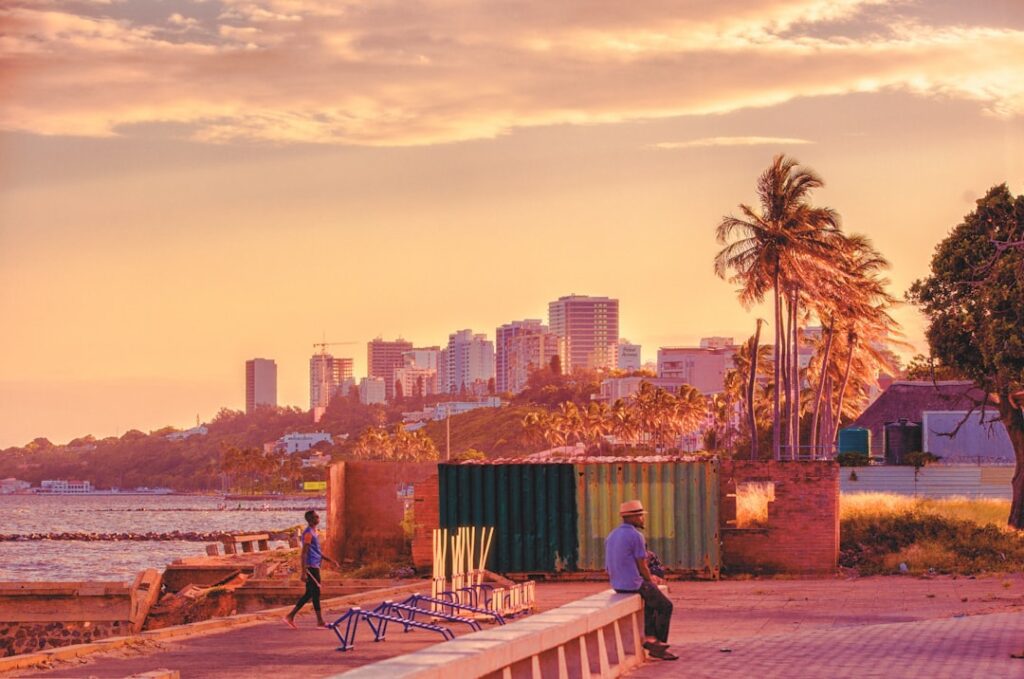
Sunset in Ilha de Moçambique reveals a world painted in ochre and indigo. The 3.5-kilometer-long island, a UNESCO World Heritage site since 1991, glows as the fading light catches the intricate plasterwork of 16th-century Portuguese mansions. The scent of grilling peri-peri prawns mixes with the salt air, while the rhythmic creak of wooden dhows echoes from the harbor. This isn’t just a stop; it’s a living museum where Africa, Arabia, and Europe have conversed in stone and culture for over five centuries.
Why Ile de Mozambique, Mozambique Stands Out

A beach with a boat and palm trees, Ile de Mozambique, Mozambique
- Historic Architecture: The Fort of São Sebastião, completed in 1583 and the oldest complete fort in Sub-Saharan Africa, stands guard with walls that have repelled Dutch invasions.
- Cultural Scene: The annual Festival of the Island in September transforms the streets with traditional Tufo dancing, Makwaya music, and vibrant processions celebrating Swahili heritage.
- Local Specialties: You must try Matapa, a rich, creamy stew of cassava leaves, ground peanuts, coconut milk, and prawns, served with steaming white rice.
Pro Tip: Visit during the shoulder seasons of April-May or September-October. You’ll avoid the peak humidity of the rainy season and the strongest winds of July-August, while enjoying quieter streets and better interactions with local artisans and fishermen.
Map of Ile de Mozambique, Mozambique
Use these interactive maps to explore Ile de Mozambique, Mozambique and plan your route:
📍 View Ile de Mozambique, Mozambique on OpenStreetMap
🗺️ Open Ile de Mozambique, Mozambique in Google Maps
Planning Your Trip: Practical Essentials
Getting There and Around
- By Air: Fly into Nampula International Airport (APL), served by LAM Mozambique Airlines and some regional carriers. From Nampula, it’s a 2.5-hour drive (approx. 200 km) to the mainland port of Cabeceira, then a short ferry or dhow ride to the island. Book flights at Skyscanner for best deals.
- By Train: While there’s no direct train to the island, the Nampula-Cuamba line connects to the national network. From Nampula station, you’ll need a taxi or chapas (minibus) to Cabeceira. Reserve tickets at Trainline or the national railway website.
- By Car: Driving from Nampula on the EN240 is straightforward. Parking is available on the mainland at Cabeceira (about 50 MZN/day). Rental cars are best picked up at Nampula Airport. Compare car rentals at RentalCars.com.
- Local Transport: The island itself is best explored on foot. For the mainland or nearby beaches, use the local ferry (5 MZN) or hire a bicycle (approx. 300 MZN/day). Taxis and tuk-tuks are available at the ferry landing.
Best Time to Visit
The climate is tropical, with a hot, rainy season and a cooler, dry season. Savvy travelers target the dry season for optimal exploration, though the shoulder months offer a wonderful balance of good weather and cultural immersion.
| Season | Weather | Highlights |
|---|---|---|
| Dry Season (May–Oct) | 22°C – 28°C (72°F – 82°F), sunny, low humidity, occasional strong winds | Ideal for photography, historical tours, and dhow sailing; peak tourist period. |
| Wet Season (Nov–Apr) | 26°C – 32°C (79°F – 90°F), hot, humid, with heavy afternoon rains | Lush green landscapes, very few tourists, lower prices, but some activities may be limited. |
| Shoulder (Apr–May/Sep–Oct) | 24°C – 30°C (75°F – 86°F), transitioning weather, less wind | Perfect blend of good weather, manageable crowds, and potential for cultural festivals. |
Budgeting for Ile de Mozambique, Mozambique

A young boy holding a yellow frisbee on a beach, Ile de Mozambique, Mozambique
| Category | Budget | Mid-range | Luxury |
|---|---|---|---|
| Accommodation | 800 – 1,500 MZN (hostel/guesthouse) | 1,800 – 3,500 MZN (boutique hotel) | 4,500+ MZN (heritage palace) |
| Meals | 150 – 300 MZN (street food/local *barraca*) | 400 – 700 MZN (restaurant with seafood) | 1,000+ MZN (fine dining with wine) |
| Transport | 50 MZN (ferry/bicycle) | 500 MZN (taxi tours/tuk-tuk) | 2,000+ MZN (private car & driver) |
| Activities | Free (walking tours, beaches) | 200 – 500 MZN (museum entries, dhow trip) | 1,500 MZN (private guided history tour) |
| Daily Total | 1,000 – 2,150 MZN | 2,900 – 5,200 MZN | 8,000+ MZN |
Top Attractions and Must-See Sights
| Attraction | Description | Hours | Entry Fee |
|---|---|---|---|
| Fort of São Sebastião | A monumental 16th-century fortress with a freshwater cistern and stunning views over the Indian Ocean. | 9 AM – 4 PM Daily | 200 MZN |
| Palace and Chapel of São Paulo | The former Governor’s Palace (1610), now a museum filled with Indo-Portuguese furniture and religious art. | 10 AM – 4:30 PM (Closed Mon) | 150 MZN |
| Museum of Sacred Art | Houses a priceless collection of ivory crucifixes and silverware in the restored Church of the Misericórdia. | 10 AM – 4 PM (Closed Sun AM) | 100 MZN |
| Macuti Town | The vibrant “other half” of the island, with traditional reed houses, local markets, and authentic daily life. | Always open | Free |
3-Day Itinerary: Ile de Mozambique, Mozambique’s Highlights & Hidden Gems
Day 1: Stone Town Immersion
- Morning (7-9 AM): Start with a walk along the Avenida da República as the town wakes up. Pop into the Central Market for the freshest tropical fruits. Your best bet is to find a vendor selling pequenos (small sweet bananas) for a quick breakfast.
- Afternoon (12-3 PM): Tour the Palace and Chapel of São Paulo. For lunch, head to Café-Bar Áncora d’Ouro for their legendary grilled calamari plate (approx. 450 MZN).
- Evening (6-8 PM): Watch the sunset from the fortress walls, then enjoy a dinner of Robalo (sea bass) at Restaurante O Paladar, known for its rooftop terrace.
Day 2: Culture, Crafts & The Coast
- Morning (8 AM): Take a guided walking tour of Macuti Town (approx. 300 MZN per person) to see skilled artisans crafting silver filigree jewelry and weaving palm leaves.
- Afternoon (1 PM): Visit the Museum of Sacred Art, then have a casual lunch at Escondidinho, a local favorite for its hearty prego (steak) rolls.
- Evening (5 PM): Charter a local dhow (around 500 MZN for a small group) for a sail around the island as the golden hour lights up the coral-stone buildings.
Day 3: Island Escape & History
- Morning (9 AM): Catch the local ferry (5 MZN) to the mainland and take a short taxi ride to Chocas Mar beach. Spend the morning swimming in the turquoise lagoon.
- Afternoon (1 PM): Return to the island for a final exploration of the Fort of São Sebastião. Have a late lunch at Café-Bar Relíquias, housed in a historic building.
- Evening (6 PM): For your final night, savor a traditional Matapa feast at a family-run barraca in Macuti Town, followed by a stroll under the stars along the ancient seawall.
Cultural Insights & Etiquette
- Language: Portuguese is official, but Emakhuwa and Swahili are widely spoken. Learn greetings: “Bom dia” (Good day), “Obrigado/a” (Thank you). Locals appreciate the effort.
- Customs: Always ask permission before photographing people, especially in Macuti Town. A polite gesture is to use your right hand for giving and receiving items.
- Tipping: Not mandatory but appreciated. Round up taxi fares, leave 5-10% in sit-down restaurants if service was good.
- Dress Code: Modesty is key, especially in Macuti Town. Cover shoulders and knees. Swimwear is for the beach only.
- Business Hours: Shops open 8 AM – 12 PM and 2 PM – 5 PM. Many close for a long lunch. Government offices and museums often close on Mondays.
Where to Eat: Ile de Mozambique, Mozambique’s Best Bites
Dining here is a journey through its maritime history. Expect supremely fresh seafood, coconut-based sauces, and piri-piri spice. Many of the best meals are found in humble barracas (eateries), not fancy restaurants.
Must-Try Local Specialties
- Matapa: The national dish. For an authentic version, seek out small family kitchens in Macuti Town, often signaled by a large pot simmering out front.
- Camarao Grelhado com Piri-Piri: Giant tiger prawns grilled with fiery piri-piri sauce. Café-Bar Áncora d’Ouro does them to perfection.
- Bolo Polana: A rich, moist cake made with ground cashews and potatoes. Find it at pastelarias like Padaria Moderna.
Restaurant Recommendations by Budget
| Type | Restaurant | Specialty | Price Range |
|---|---|---|---|
| Budget | Barraca Naice (Macuti Town) | Incredible, home-cooked Matapa and stews | 150 – 300 MZN |
| Mid-range | Café-Bar Relíquias (Stone Town) | Fresh seafood platters in a historic setting | 400 – 700 MZN |
| Fine dining | Restaurante O Paladar (Stone Town) | Gourmet Portuguese-Mozambican fusion on a rooftop | 800 – 1,500 MZN |
Where to Stay
Accommodation splits between the historic Stone Town (coral-stone mansions) and the more local Macuti Town (simpler guesthouses). Staying in Stone Town places you amidst history, while Macuti offers deeper cultural immersion. Compare prices and book at Booking.com or Airbnb for apartments.
Best Neighborhoods for Accommodation
- Stone Town (Cidade de Pedra): The UNESCO core. You’ll find beautifully restored colonial mansions turned into boutique hotels. Perfect for history buffs, but dining can be pricier.
- Macuti Town: The lively local quarter with reed houses. Offers fantastic budget guesthouses and immediate cultural connection. It’s a 15-20 minute walk to the main Stone Town sights.
- Mainland (Cabeceira): A few modern hotels near the ferry point. Less atmospheric but practical for very early departures. You’ll need to commute to the island.

A large building sitting on top of a lush green field, Ile de Mozambique, Mozambique
FAQs: Your Ile de Mozambique, Mozambique Questions Answered
1. Is Ile de Mozambique, Mozambique safe at night?
Generally, yes, especially in the well-trafficked areas of Stone Town. As in any destination, take sensible precautions: stick to lit streets, avoid displaying valuables, and consider walking in pairs late at night. Locals are friendly, but petty theft can occur. In Macuti Town, it’s advisable to have a local guide if exploring after dark.
2. What currency is used and are credit cards accepted?
The local currency is the Mozambican Metical (MZN). Carry ample cash, as credit cards are only accepted at a handful of upscale hotels and restaurants in Stone Town. ATMs are available on the island but can be unreliable. Exchange money at banks in Nampula before arriving.
3. How do I get from the airport to the city center?
From Nampula Airport (APL), you have two main options. Pre-book a private transfer (approx. 3,500 MZN one-way) directly to the Cabeceira ferry port, which takes 2.5 hours. Alternatively, take a taxi to Nampula city (300 MZN), then a chapas (shared minibus) to Cabeceira (200 MZN), followed by the public ferry (5 MZN). Book airport transfers at GetYourGuide for convenience.
4. Do I need to speak the local language?
You can manage with basic Portuguese and English in Stone Town’s tourist spots. In Macuti Town, knowledge of basic Portuguese greetings will go a long way. Learning a few phrases in Emakhuwa, like “Yewo” (Thank you), will earn you big smiles.
5. What’s the appropriate dress code?
Dress modestly and comfortably. Light, breathable fabrics that cover shoulders and knees are essential, especially when visiting Macuti Town or religious sites. Sturdy walking shoes are a must for the uneven cobblestone streets. Don’t forget a sun hat, sunglasses, and high-SPF sunscreen.
Final Thoughts: Ile de Mozambique, Mozambique Awaits
Ile de Mozambique is not a destination you simply see; it’s one you feel. It’s in the weight of five centuries of history in its coral walls, the taste of coconut and piri-piri on your tongue, and the sight of lateen sails silhouetted against a burning sunset. Travelers often discover that its true magic lies in the layers—the Portuguese fort atop Swahili foundations, the Makwaya music drifting from a Catholic church square. Your
Related Guides
Explore more destinations similar to Ile de Mozambique:
- Chinhoyi, Zimbabwe on a Budget: How to Live Like a King for $35/Day (2026)
- Iles des Saintes, Guadeloupe: Ultimate Secluded Beaches, Creole Culture & Fortified History (2026)
- Komiam, Papua New Guinea’s Ultimate Rainforests, River Culture & Rare Birdlife (2026)
- Phatthalung, Thailand’s Hidden Limestone Peaks, Shadow Puppets & Lotus Lakes (2026)

