
Hokkaido, Japan’s Best Powder, Pioneers & Pristine Nature (2026)
While crowds flock to Kyoto’s temples and Tokyo’s neon, Hokkaido, Japan’s northernmost island, delivers a vast, wild frontier of powder snow, volcanic calderas, and Ainu heritage across an area larger than Austria. Here, you can ski untracked slopes in the morning, soak in a milky-blue onsen by afternoon, and feast on the world’s freshest seafood at a night market, all in a single day. This is Japan, but not as you know it—a land where nature dictates the rhythm.
Why Hokkaido, Japan Stands Out

Red and blue vending machines, Hokkaido, Japan
- Historic Architecture: The Old Sapporo Clock Tower (1878), one of Japan’s few surviving Western-style buildings from the Meiji era, symbolizes Hokkaido’s rapid development as a pioneer frontier.
- Cultural Scene: The Sapporo Snow Festival each February transforms Odori Park with massive, intricate ice sculptures, drawing over two million visitors into a frozen wonderland.
- Local Specialties: You must try a bowl of Sapporo’s signature miso ramen, a rich, hearty noodle soup born from the island’s cold climate, best enjoyed at the original Ramen Yokocho alley.
Pro Tip: For the perfect balance of good weather, manageable crowds, and stunning scenery, target the shoulder seasons: late September to mid-October for fiery autumn foliage, or May for blooming fields without the summer tour buses. Book accommodations in Furano or Biei a year in advance for the July lavender season.
Map of Hokkaido, Japan
Use these interactive maps to explore Hokkaido, Japan and plan your route:
📍 View Hokkaido, Japan on OpenStreetMap
🗺️ Open Hokkaido, Japan in Google Maps
Planning Your Trip: Practical Essentials
Getting There and Around
- By Air: New Chitose Airport (CTS) is the main international gateway, 40 minutes by rapid train from Sapporo. Direct flights operate from major Asian hubs. Book flights at Skyscanner for best deals.
- By Train: The Hokkaido Shinkansen connects from Tokyo to Hakodate (about 4 hours), then switch to limited express trains to Sapporo (another 3.5 hours). Reserve tickets at Trainline or the national railway website.
- By Car: Renting a car is highly recommended for exploring beyond cities. An International Driving Permit is required. Winter demands snow tires and confidence. Compare car rentals at RentalCars.com.
- Local Transport: Sapporo has an excellent subway system; elsewhere, buses are essential but infrequent. Consider the Sapporo-Otaru Welcome Pass for unlimited subway and train travel. Check official city transport websites for passes and schedules.
Best Time to Visit
Hokkaido’s climate defines its character, offering distinct worlds across four seasons. Your ideal time depends entirely on whether you seek world-class skiing, flower-filled hills, or golden autumn hikes.
| Season | Weather | Highlights |
|---|---|---|
| Summer (Jun–Aug) | Mild, 15-25°C (59-77°F), least humid part of Japan. | Lavender fields in Furano, hiking in Daisetsuzan National Park, and lively summer festivals. Peak domestic tourism. |
| Winter (Dec–Feb) | Very cold, -5 to -15°C (23 to 5°F), heavy snowfall. | Legendary powder skiing in Niseko and Rusutsu, ice festivals, and steaming outdoor onsens. A winter sports paradise. |
| Shoulder (Apr–May/Sep–Oct) | Spring: 5-15°C (41-59°F); Autumn: 10-20°C (50-68°F). | Cherry blossoms in May (later than mainland), stunning autumn foliage in September, fewer crowds, and lower prices. |
Budgeting for Hokkaido, Japan

Malt labeled bottle, Hokkaido, Japan
| Category | Budget | Mid-range | Luxury |
|---|---|---|---|
| Accommodation | ¥4,000-7,000/night (hostel/capsule) | ¥12,000-25,000/night (business hotel/ryokan) | ¥40,000+/night (luxury ski resort/5-star) |
| Meals | ¥2,500/day (convenience store/ramen stalls) | ¥5,000/day (local restaurants, set lunches) | ¥15,000+/day (kaiseki, fine dining seafood) |
| Transport | ¥1,500/day (local bus/subway passes) | ¥4,000/day (intercity trains, occasional taxi) | ¥10,000+/day (private car hire with driver) |
| Activities | Free hikes, temple visits | ¥2,000-5,000 (onsen entry, museum fees) | ¥8,000+ (guided tours, ski passes) |
| Daily Total | ¥8,000-11,000 | ¥23,000-39,000 | ¥73,000+ |
Top Attractions and Must-See Sights
| Attraction | Description | Hours | Entry Fee |
|---|---|---|---|
| Shiroi Koibito Park, Sapporo | A whimsical chocolate factory and theme park, home to the famous white chocolate biscuit, with Tudor-style architecture and sweet-making demonstrations. | 10:00-17:00 (later in summer) | ¥800 (factory tour ¥600 extra) |
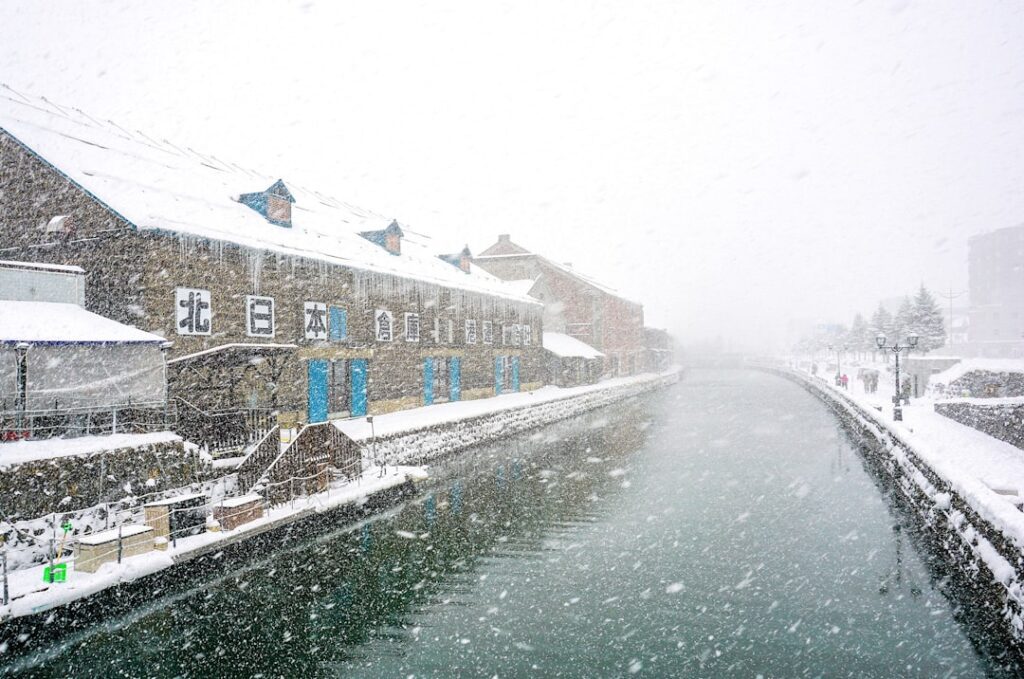
| Otaru Canal | This picturesque historic canal, lined with old stone warehouses now housing cafes and glassblowing studios, is magical under snow or gaslight. | 24/7 (best at dusk) | Free |
| Jigokudani (Hell Valley), Noboribetsu | A dramatic volcanic crater with steaming vents, sulfurous streams, and hiking trails, showcasing Hokkaido’s powerful geothermal activity. | 24/7 (Visitor Center 8:00-17:00) | Free |
| Farm Tomita, Furano | The iconic postcard-perfect lavender farm, with vibrant striped fields of flowers (late July peak) and a fantastic lavender soft-serve ice cream. | 8:30-17:00 (Apr-Oct, varies) | Free (small fee for some greenhouses) |
3-Day Itinerary: Hokkaido, Japan’s Highlights & Hidden Gems
Day 1: Sapporo’s Urban Charms & History
- Morning (7-9 AM): Start at the Sapporo Central Wholesale Market (aka Curb Market) for a fresh, budget-friendly *kaisen-don* (seafood rice bowl) at one of the tiny stalls. Your best bet is to arrive before 8 AM to beat the crowds.
- Afternoon (12-3 PM): Explore the Sapporo Beer Museum (free entry) to learn about Japan’s beer-brewing history, followed by a tasting platter (¥800) in the adjacent garden. For lunch, head to Soup Curry & Dining Suage+ for Hokkaido’s soul-warming, customizable soup curry.
- Evening (6-8 PM): Take the subway to Susukino and wander through Ramen Yokocho, the narrow alley crammed with ramen shops. Choose a busy one and order the miso ramen. Afterwards, stroll through Odori Park, beautifully illuminated at night.
Day 2: Coastal Beauty & Glass Art in Otaru
- Morning (8:30 AM): Catch the 40-minute JR train from Sapporo to Otaru (¥750 one-way). Your first stop is the Otaru Music Box Museum, a multi-story wonderland of intricate music boxes (main hall is free).
- Afternoon (12-3 PM): Walk along the iconic Otaru Canal, then head to Sushi Street. For an unforgettable lunch, try Sushi Zen for incredibly fresh, reasonably priced *nigiri* (set menus from ¥2,500). Afterwards, visit the Kitaichi Glass Sangokan complex to see exquisite local glasswork.
- Evening (6 PM): Return to Sapporo. For dinner, experience *jingisukan* (Genghis Khan), Hokkaido’s famous mutton barbecue, at Daruma, a beloved, bustling institution in the Susukino district.
Day 3: Volcanic Landscapes & Onsen Relaxation
- Morning (8 AM): Take a limited express train from Sapporo to Noboribetsu (about 80 mins, ¥5,380). Store luggage at the station and take a bus to Jigokudani (Hell Valley). Walk the trails through the steaming, otherworldly landscape (free).
- Afternoon (12 PM): Have a simple soba noodle lunch near the valley entrance. Then, head to one of Noboribetsu’s many public bathhouses. Dai-ichi Takimotokan is one of the largest, with multiple mineral spring sources (day pass ¥2,500).
- Evening (5 PM): After soaking, retrieve your luggage and take the train back to Sapporo. For a final feast, visit the Nijo Market area for a seafood dinner at Kani Honke, famous for its crab dishes, though be prepared for premium prices.
Cultural Insights & Etiquette
- Language: Basic Japanese phrases go a long way. Say “*Sumimasen*” (Excuse me) to get attention and “*Arigatou gozaimasu*” (Thank you). English signage is common in tourist areas, but less so in the countryside.
- Customs: Always remove your shoes when entering a ryokan, some restaurants, and traditional homes. Be quiet and respectful in onsens—no towels in the water, and wash thoroughly at the shower stations before entering the bath.
- Tipping: Tipping is not practiced in Japan and can cause confusion. Excellent service is standard. A simple thank you is sufficient.
- Dress Code: Casual but neat attire is fine. Pack layers for changeable weather. For onsens, modesty is observed in changing rooms, but bathing is done nude (gender-segregated).
- Business Hours: Major stores open 10:00-20:00. Many museums close on Mondays. Restaurants, especially smaller ones, may have last orders as early as 8:30 PM.
Where to Eat: Hokkaido, Japan’s Best Bites
Hokkaido is Japan’s pantry, famed for its dairy, potatoes, and some of the planet’s best seafood. Dining here is hearty, fresh, and deeply satisfying, from bustling soup curry joints to elegant crab feasts.
Must-Try Local Specialties
- Jingisukan (Genghis Khan): Thinly sliced lamb or mutton grilled on a dome-shaped skillet at your table. Named after the Mongolian warrior, it’s a social, flavorful meal. Try it at Sapporo’s Daruma or Jingisukan Kan.
- Kaisen-don: A bowl of rice piled high with an assortment of raw seafood like uni (sea urchin), ikura (salmon roe), and crab. For the freshest, head to Sapporo’s Nijo Market or Hakodate’s Morning Market.
- Soup Curry: Distinct from regular curry, this is a lighter, broth-based curry soup with a customizable spice level and chunky vegetables and meat. Suage+ and Picante are two of Sapporo’s most famous chains.
Restaurant Recommendations by Budget
| Type | Restaurant | Specialty | Price Range |
|---|---|---|---|
| Budget | Ramen Yokocho Alley Stalls (Sapporo) | Miso Ramen | ¥800-¥1,200 per bowl |
| Mid-range | Kushidori (Sapporo, Susukino) | Creative yakitori (grilled skewers) and local sake | ¥3,000-¥5,000 per person |
| Fine dining | Michel Bras TOYA Japon (Lake Toya) | French-inspired cuisine using pristine Hokkaido ingredients with stunning lake views | ¥20,000+ for dinner course |
Where to Stay
Accommodation ranges from efficient business hotels in city centers to luxurious ski-in/ski-out resorts and traditional ryokan with kaiseki meals and private onsens. Location is key due to Hokkaido’s size. Compare prices and book at Booking.com or Airbnb for apartments.
Best Neighborhoods for Accommodation
- Sapporo Station/Susukino: The bustling heart, with excellent transport links, endless dining in Susukino, and major department stores. Ideal for first-time visitors and urban explorers.
- Niseko/Hirafu: The epicenter of Hokkaido’s world-class skiing, with a vibrant international apres-ski scene. Perfect for winter sports enthusiasts, but very busy and pricey in season.
- Noboribetsu Onsen Town: A traditional hot spring resort town nestled in a forested valley. Stay in a ryokan here for the full onsen and kaiseki experience, focusing on relaxation and nature.

A group of buildings next to a road, Hokkaido, Japan
FAQs: Your Hokkaido, Japan Questions Answered
1. Is Hokkaido, Japan safe at night?
Extremely safe. Japan has very low crime rates, and this extends to Hokkaido. Sapporo’s Susukino district is lively at night but generally trouble-free. Standard precautions like being aware of your surroundings apply, but walking alone at night is common and considered safe.
2. What currency is used and are credit cards accepted?
The Japanese Yen (JPY) is the currency. Credit cards are widely accepted in hotels, department stores, and larger restaurants in cities. However, many smaller restaurants, market stalls, ryokan, and rural attractions are cash-only. Savvy travelers always carry a reasonable amount of cash. ATMs at 7-Eleven and Japan Post offices accept foreign cards.
3. How do I get from the airport to the city center?
From New Chitose Airport (CTS) to Sapporo, the JR Rapid Airport Line takes about 37 minutes and costs ¥1,150. Limousine buses also run to major hotels (approx. 80 mins, ¥1,100). For direct, hassle-free service to your hotel door, book airport transfers at GetYourGuide for convenience.
4.
Explore More Destinations
- Jozani, Tanzania on a Budget: an Ancient Forest for $35/Day (2026)
- Nsumbu, Zambia on a Budget: Wild Africa for $40/Day (2026)
- Semporna, Malaysia on a Budget: Paradise for $35/Day (2026)
- Khuzestan, Iran on a Budget: Ancient Empires for $30/Day (2026)
- Ngerulmud, Palau on a Budget: Island Majesty for $45/Day (2026)
Ready to Visit Hokkaido?
Start planning your trip today. Compare hotels, find the best tours, and get insider tips.
Your adventure in Hokkaido starts here →
{“@context”: “https://schema.org”, “@type”: “FAQPage”, “mainEntity”: [{“@type”: “Question”, “name”: “What is the best time to visit Hokkaido?”, “acceptedAnswer”: {“@type”: “Answer”, “text”: “The best time to visit Hokkaido depends on your preferences. Generally, the dry season offers the most pleasant weather for sightseeing and outdoor activities.”}}, {“@type”: “Question”, “name”: “How many days do I need in Hokkaido?”, “acceptedAnswer”: {“@type”: “Answer”, “text”: “Most travelers spend 3-5 days in Hokkaido to see the main attractions. A week allows for a more relaxed pace and day trips.”}}, {“@type”: “Question”, “name”: “Is Hokkaido expensive to visit?”, “acceptedAnswer”: {“@type”: “Answer”, “text”: “Hokkaido can be visited on various budgets. Accommodation ranges from hostels to luxury hotels, and local restaurants offer affordable dining.”}}]}
Related Guides
Explore more destinations similar to Hokkaido:

