
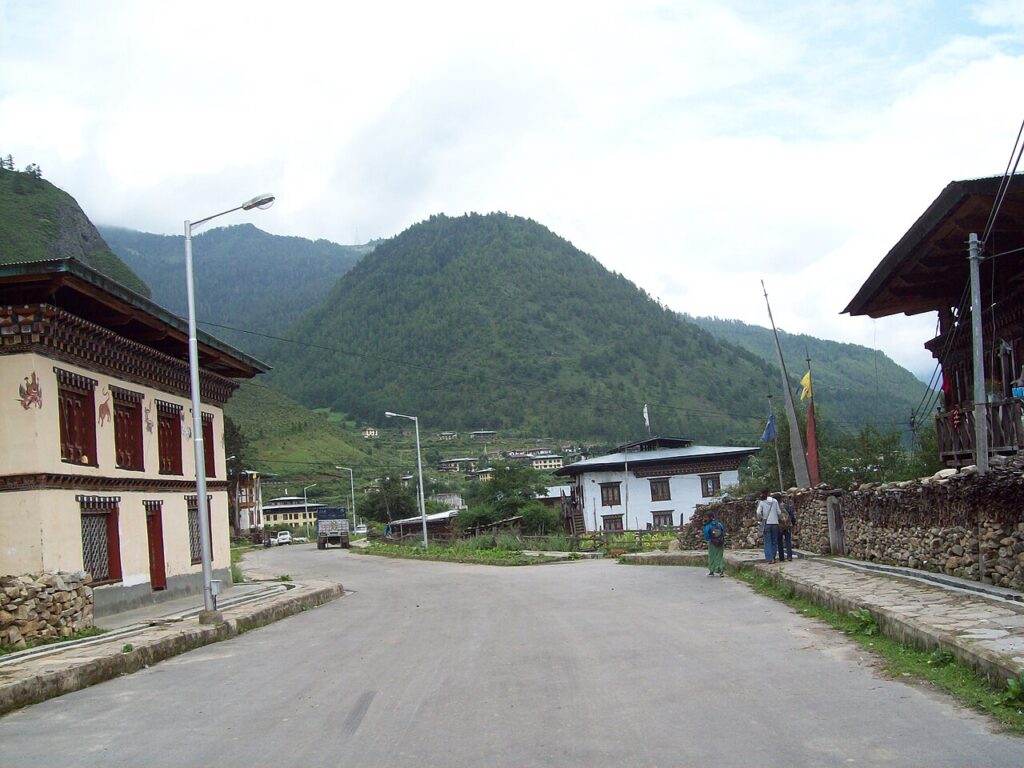
Haa District, Bhutan Weekend: Sacred Valleys (2026)
You step off the dusty road and into the cool, pine-scented air of Haa Valley, the only sound the distant chant of monks from the Wangchuk Lo Dzong and the rustle of prayer flags in the wind. A farmer passes, leading a yoked ox, offering a gentle smile. This is Bhutan’s forgotten western valley—raw, unpolished, and sacred.
Quick Facts Before You Go
- Best Months: March–May and September–November for clear skies and moderate temperatures (10–20°C). Avoid July–August heavy monsoon.
- Currency: Bhutanese Ngultrum (Nu) – pegged 1:1 to Indian Rupee. $1 ≈ Nu 82 (2025). Indian ₹ accepted everywhere.
- Language: Dzongkha (official); English widely spoken by younger locals and in hotels/restaurants.
- Budget: Nu 3,500–7,000/day ($43–85) for mid-range meals, entry fees, and basic guesthouse.
- Getting There: Fly into Paro International Airport (PBH) from Delhi (2h), Kolkata (1.5h), or Kathmandu (1h). Then drive 2.5 hours west on winding mountain roads. Book flights at Skyscanner.
Day 1: The Valley of the Blessed – Temples, Trails & a First Evening
You start the morning at the edge of Haa town, where the mist clings to the slopes of Mount Jomolhari’s shadow. The air is thin and crisp, carrying the faint smell of burning juniper from a nearby shrine. Your driver drops you at the trailhead; no other tourists are in sight.
- Morning (8-11am): Visit the Haa Wangchuk Lo Dzong (free entry, donations welcome). Built in 1915 by the first King of Bhutan, this fortress-monastery sits atop a ridge overlooking the valley. Spend an hour wandering its whitewashed halls, listening to the deep hum of chanting monks. Then walk 15 minutes north to the ancient Lhakhang Karpo and Lhakhang Nagpo – the White and Black Temples, said to have been built in the 7th century by the Tibetan King Songtsen Gampo. Entry is free, but you’ll want to offer a small donation (Nu 50–100).
- Lunch: At Zhom Resort Restaurant (a 10-minute walk from the temples). Must-order: Ema Datshi (Bhutan’s spicy chili-and-cheese stew) with red rice, and a plate of Jasha Maru (spicy chicken curry). Cost: Nu 350–500 per person. Locals recommend drinking suja, the salted butter tea, to settle your stomach.
- Afternoon (1-5pm): Hike to the Damthang Monastery (3 km round trip, easy grade, 1.5 hours). You’ll pass through apple orchards and villages where children wave from doorways. At the monastery (founded 12th century, rebuilt in 1960s), a single monk might show you the 500-year-old mural of the four guardians. After, head to Haa Summer Festival Grounds (open year-round, but empty outside July). Stroll the meadow where nomadic herdsmen pitch tents during the festival, and imagine the archery competitions and masked dances. Most tourists skip this site; you’ll have it to yourself.
- Evening: Dinner at Yangkhil Resort’s Mountain View Restaurant (Nu 600–900 per person). Order Phaksha Paa (pork belly slow-cooked with radish) and a glass of ara (local millet wine). The restaurant’s glass wall faces the valley, and as dusk falls, the lights of Haa town twinkle below. Follow dinner with a short walk along the Haa Chu river – you’ll hear only the water and the distant yelp of a fox.

Haa Bhutan location map, Haa District, Bhutan
Day 2: Into the Hidden Villages – Monasteries, Farmhouses & Farewell Feast
You wake to the sound of roosters and the smell of woodsmoke. Today, you leave the main road and venture into the rural hamlets that make Haa special. Travelers often discover that the real Bhutan lives not in the dzongs but in the farmhouse kitchens and the narrow trails that link them.
- Morning (7-10am): Breakfast at Simtokha Farmhouse Café (just off the main road, Nu 250 for a set meal of kewa datshi – potato and cheese stew – with fried eggs and whole-wheat bread). Then hire a local guide (Nu 1,500 for half-day) to walk the Norbu Gang Loop, a 5-km trail that connects three tiny villages: Norbu, Gauphel, and Talung. You’ll cross wooden bridges over rushing streams, pass yak herders, and see prayer wheels spun by the elderly. The secret: ask your guide to stop at the home of Aum Tshering (she’ll serve you fresh butter tea and zow – roasted barley flour – for a donation of Nu 50).
- Midday (10:30am-1pm): The main attraction: Kila Choeling Gompa (Nunnery), perched at 3,200 meters. It’s a steep 45-minute climb from the road, but the view of the entire Haa Valley is worth every step. Insider tip: arrive between 11:00 and 11:30, just after the nuns finish their morning prayers, when they are most welcoming. You can sit with them in the courtyard and watch them spin the giant prayer wheel. Entry is free, but consider buying a handwoven scarf (Nu 300) from the small shop run by the nuns.
- Afternoon (1-4pm): Explore Haa Town Market – the main street is only three blocks long, but you’ll find everything from dried yak meat to handmade incense. Stop at Dorji’s General Store (corner of Norzin Lam) for a bag of khabzey (deep-fried dough twists) – Nu 50 per bag. Then wander the back lanes where houses are painted with phalluses (a traditional fertility symbol) – locals will grin and explain the story. Savvy visitors know that the best souvenirs are the wooden bowls (dza) sold at the small cooperatives; a medium-sized bowl costs Nu 400–600.
- Final Evening: A farewell dinner at Druk Yul Farmhouse (reserve ahead, ask for the “family-style” menu at Nu 800 per person). The meal starts with momo soup (beef dumplings in clear broth), followed by a communal platter of shakam datshi (dried beef with cheese), hoentay (buckwheat dumplings stuffed with turnip greens), and a dessert of fried rice pudding. The host, a former monk named Karma, will play the dranyen (lute) between courses and tell you about the valley’s legends – including the story of the “Blessed Footprint” on a rock near the dzong.
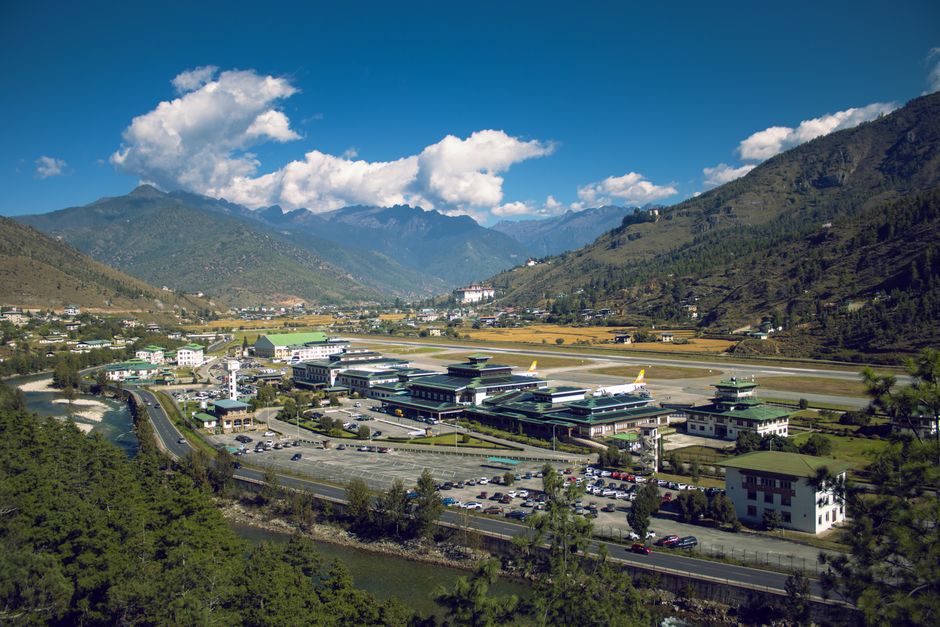
Scenic aerial view of Paro Airport nestled in the Bhutan mountains., Haa District, Bhutan
The Food You Can’t Miss
Haa’s cuisine is the heart of Bhutan’s mountain culture – simple, fiery, and deeply satisfying. You’ll find Ema Datshi everywhere, but the version at Chuphu Restaurant (near the bus station, lunch only) is the most authentic: heaps of green chilies, local cheese, and a side of zow for Nu 180. For street food, look for the woman selling momo from a steaming cart on the main square around 5pm – six pork momos with spicy chilli dip cost Nu 80. She’s been there since 1998, and locals swear her filling has the perfect ratio of meat to fat.

A Bhutan Airlines aircraft parked at Paro Airport with scenic mountain backdrop., Haa District, Bhutan
But the real must-try is suja (butter tea) – not for the faint-hearted. The best is at the Damthang Farmhouse Homestay, where the matriarch, Aum Pema, will invite you into her kitchen and show you how she churns the tea with a wooden paddle and a slab of dried yak butter. One sip, and you’ll understand why it warms you to the bone after hours in the cold. Cost: free, but a donation of Nu 100 is polite.
Where to Stay for the Weekend
In Haa Town Center: For convenience and heritage charm, book a room at Yangkhil Resort (Nu 4,000–6,000/night for a double with valley view). The rooms are wood-paneled with traditional decor, and the attached restaurant serves reliable Bhutanese food. It’s a 5-minute walk from the dzong. Check availability on Booking.com or Airbnb (some listings offer homestays in the farmhouses).
Damthang Valley (6 km south): For a true rural escape, try the Damthang Farmhouse Retreat (Nu 2,500–3,500/night, including breakfast and dinner). It’s a converted farmhouse with only four rooms, shared bathrooms, and no Wi-Fi. You’ll sleep under heavy yak-wool blankets and wake to the sound of a gong calling monks to prayer. Book directly through local tour operators or by asking at the Haa tourism office (phone +975-2-271100).
Budget Option: The Haa Guesthouse (Nu 1,200/night for a dorm bed; Nu 2,800 for a private room) on the main street is clean, basic, and run by a retired teacher who gives free walking maps. It’s the go-to for backpackers and solo travelers.
Before You Go: Practical Tips
- Getting Around: The only way to explore Haa is by car or on foot. You can hire a taxi from Paro airport to Haa for Nu 2,500–3,000 (one way, 2.5 hours). Within Haa, taxis charge Nu 800–1,200 for half-day exploring (negotiate upfront). Alternatively, rent a bicycle from the Adventure Bhutan shop (opposite the market, Nu 500/day) – the valley roads are quiet, but expect steep climbs.
- What to Pack: A warm fleece or down jacket (temperatures drop to 5°C even in summer); sturdy walking shoes (trails are muddy after rain); a reusable water bottle (you can refill at monasteries); and a headlamp (power cuts are common in rural areas). Don’t forget earplugs – roosters start at 4am.
- Common Tourist Mistakes: Many visitors assume Haa is a day trip from Paro. It’s not – the road is narrow and slow, and you’ll miss the evening farmhouse experience by rushing back. Also, avoid wearing shorts or sleeveless tops inside monasteries; locals are polite but find it disrespectful. Always ask before photographing people.
- Money-Saving Tip: The Bhutanese government charges a Sustainable Development Fee (SDF) of $100 USD per person per night (2025 rate) for international tourists, which includes Haa. However, if you stay in a homestay or guesthouse (not a luxury resort), you can request a “cultural visa” exemption from your tour operator – some agencies can reduce the fee to $65/night for remote valleys like Haa. Negotiate before you arrive.

