
Guria, Georgia Weekend: Tea Plantations (2026)
You step off the marshrutka in Ozurgeti and the first thing that hits you is the scent—a warm, earthy blend of damp soil, ripening tangerines, and woodsmoke drifting from a nearby bakery. A rooster crows somewhere behind a corrugated iron fence. This is Guria, Georgia’s greenest secret, where every hillside is draped in tea bushes and ancient vineyards. Over 48 hours, you’ll discover why locals say this small region has the biggest heart.
Quick Facts Before You Go
- Best Months: May through October. You’ll catch the tea harvest in full swing by June, and the tangerine season peaks in October. July and August bring warm days perfect for swimming at the nearby Black Sea beaches of Ureki and Grigoleti.
- Currency: Georgian Lari (GEL). Roughly 2.7 GEL to 1 USD. ATMs are common in Ozurgeti but bring cash for village markets and smaller guesthouses.
- Language: Georgian. English is spoken at most hotels and tourist sites in Ozurgeti, but only a handful of words in rural areas. Download Google Translate offline—it’s a lifesaver. Learning gamarjoba (hello) and madloba (thank you) will earn you warm smiles.
- Budget: A comfortable weekend costs 180–280 GEL ($65–$105) per person, including accommodation, all meals, transport, and a few souvenirs. Budget travelers can manage on 120 GEL ($45) by staying in guesthouses and eating at local bakeries.
- Getting There: Fly into Kutaisi International Airport (45 minutes north), served by budget carriers from 15 European cities. Flight time from Istanbul is just 2 hours. From Tbilisi, it’s a 4-hour drive. Book flights at Skyscanner.
Day 1: The Green Heart of Guria – Tea, Monasteries & A Taste of Tradition
You start the morning in Ozurgeti’s central market, where the air is thick with the mingled scents of fresh coriander, dried persimmons, and smoked sulguni cheese. Vendors call out in rapid-fire Gurian dialect, and you’ll see women in floral headscarves selling bundles of wild mint and tarragon pulled from the hills that morning. It’s a scene that hasn’t changed much in a century—except for the occasional smartphone. Your best bet is to arrive by 8 a.m., before the crowd thins and the best produce is gone.
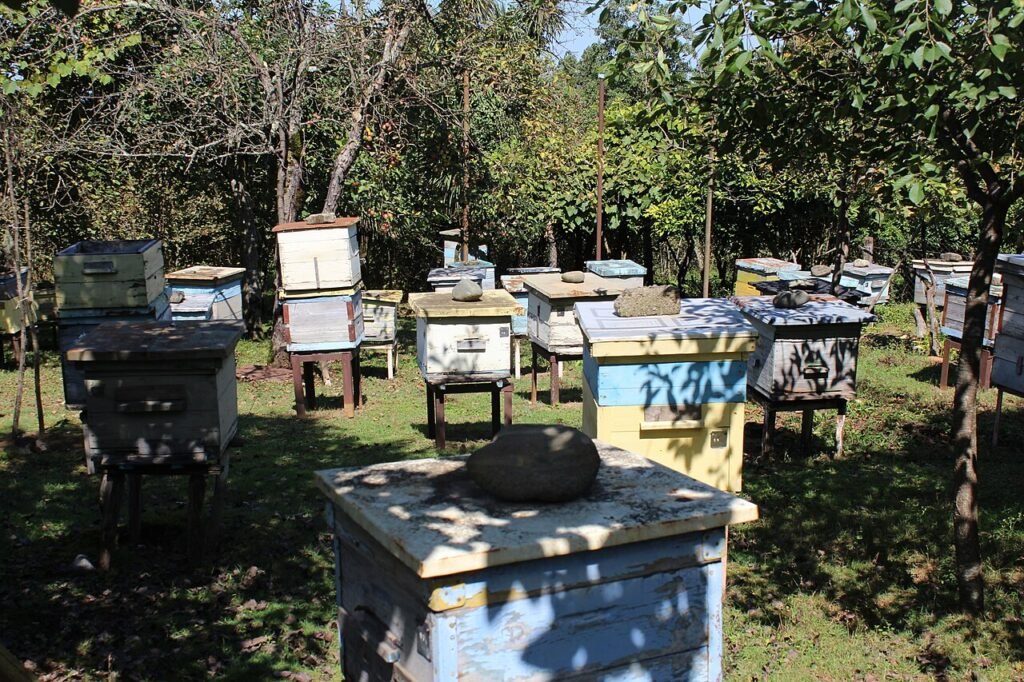
- Morning (8-11am): Dive into Ozurgeti Market (free entry, open daily 7am–2pm). Spend an hour sampling honey from local beekeepers—the chestnut honey is unforgettable—and buy a bag of dried barberries for 3 GEL. Then walk 15 minutes to the Ozurgeti History Museum (5 GEL entry, open 10am–5pm), where you’ll find a fascinating collection of 19th-century Gurian costumes, including the famous chokha coat, and a room dedicated to the 1905 Gurian Republic—a short-lived peasant rebellion that still shapes local pride. Most tourists overlook this museum, but savvy visitors know it’s the key to understanding Guria’s fierce independent spirit.
- Lunch: Head to Restaurant Samusia (22 Rustaveli Street, Ozurgeti; open 11am–10pm). You absolutely must order khachapuri guruli (8 GEL)—a boat-shaped cheese bread baked with a whole egg on top, then sliced into strips for dipping. Locals recommend pairing it with a glass of homemade tkemali (sour plum) sauce on the side. The family that runs this place has been making khachapuri for three generations, and you can taste every one of them. The owner, Nino, will likely come out to ask how you like it—don’t be shy about asking for seconds.
- Afternoon (1-5pm): Take a 20-minute marshrutka ride (3 GEL) from Ozurgeti’s bus station to Shemokmedi Monastery, perched on a forested hill above the valley. Built in the 16th century, this working monastery is home to three elderly monks who still tend the vineyard out back. You’ll find a small chapel with faded frescoes of Saint George slaying the dragon—locals believe touching the icon brings good luck. Spend an hour exploring the grounds, then walk 10 minutes down the path to the nearby Likhauri Church of the Archangel (free entry, always open), a tiny 11th-century stone church with a single bell tower. The view over the tea plantations from the churchyard is worth the detour alone. Seasoned travelers prefer the late afternoon light for photos. On your way back, stop at Guria Tea House (at the monastery entrance, open 10am–6pm) for a free tasting of their organic green tea—they’ve revived a Soviet-era plantation and now export to Japan.
- Evening: For dinner, book a table at Guria Triptych (12 Shota Rustaveli Avenue, Ozurgeti; open 6pm–midnight). This is the region’s most celebrated restaurant, set in a converted 19th-century merchant’s house with a grapevine-covered courtyard. Order the kharcho (18 GEL), a beef and walnut stew thickened with sour plum paste and spiced with coriander and fenugreek—it’s the Gurian version, earthier and more aromatic than the one you’ll find in Tbilisi. Follow it with a glass of Chkhaveri, a local amber wine from the nearby Bakhvi Valley (6 GEL per glass). After dinner, locals recommend a short walk to the Ozurgeti Central Square (5 minutes on foot), where you’ll often find spontaneous perkhuli dance performances—a traditional Gurian round dance with intricate footwork. On summer evenings, musicians gather under the linden trees and the whole square sways.

Guria, Georgia
Day 2: Vineyards, Black Sea Breezes & The Art of Slow Living
Your second day begins with a different rhythm. You’ll trade the market’s bustle for the quiet hum of cicadas in the Bakhvi Valley, where the morning mist clings to the vine rows and the only sound is a winemaker’s shears snipping a distant shoot. Travelers often discover that Guria reveals its soul not in its towns, but in its landscapes—and today, you’re about to walk into the postcard.
- Morning: Drive (or hire a taxi for 30 GEL round trip) 30 minutes south to Bakhvi Vineyards & Winery (Bakhvi Valley, open 9am–6pm; reserve tours at bakhviwinery.ge). The estate sits on a south-facing slope overlooking the valley, the same site where 18th-century princes grew grapes for the royal court. Your 90-minute tour (25 GEL per person, includes tasting of 5 wines) takes you through barrel-lined cellars with underground stream cooling—a technique that predates refrigeration. The winemaker, Zurab, will explain how Gurian clay pots (qvevri) differ from those in Kakheti. The Chkhaveri rosé is spectacular, but the golden Bakhvi Mtsvane—a crisp white with notes of pear and wildflowers—steals the show. Buy a bottle (35 GEL) to take home. For breakfast, grab a kubdari (spiced meat pie, 5 GEL) at the winery’s small café, made fresh each morning.
- Midday: Continue 20 minutes south to the Black Sea coast and the village of Ureki, famous for its magnetic black sand beach (free entry, open 24/7). Locals insist the sand has healing properties for joint pain, and you’ll see people burying themselves up to the neck. The beach stretches for 3 kilometers and is lined with pine trees that provide natural shade. Insider tip: arrive by 11 a.m. to claim a spot near the eastern end, where the sand is darkest and the crowd thinnest. Pack a towel and swim—the water is shallow and warm, usually 24°C in July. Savvy visitors know to bring a small spade for digging your own sand bath. The sensation is weirdly pleasant, like being wrapped in a warm blanket of iron filings.
- Afternoon: Head 15 minutes north to Grigoleti Beach, a quieter alternative to Ureki (free entry, always open). Here, you’ll find the Kolchida Forest Reserve (entry 5 GEL, open 9am–6pm), a coastal wetland of linden and alder trees where you can rent a bicycle (12 GEL per hour) and ride through the dunes. The trail loops 4 kilometers past observation platforms overlooking the Black Sea—look for herons and, if you’re lucky, the rare Dalmatian pelican that nests here. Most tourists skip this reserve, but it’s where you’ll find the most serene stretch of the Gurian coast. Stop at the reserve’s café (open 10am–5pm) for a glass of fresh-squeezed tangerine juice (4 GEL)—October is harvest season and the fruit is spectacular.
- Final Evening: Return to Ozurgeti for a farewell dinner at Rcheuli Khinkali (8 Gogebashvili Street, open 6pm–11pm). This no-frills spot specializes in Gurian-style khinkali (dumplings, 0.80 GEL each, minimum order 10). The filling is a mix of pork and beef with a hint of dried savory—not as peppery as the Tbilisi version, but juicier. The owner, Malkhaz, makes his own wine from a small vineyard behind the restaurant, and he’ll pour you a complimentary glass of qvevri amber wine if you ask about the traditional clay pot brewing method. Order the pkhali (6 GEL) as a starter—a vegetable pâté made with spinach, walnuts, and pomegranate seeds, served chilled. For a sweet end, try the churchkhela (2 GEL), a candle-shaped candy of grape must and walnuts, hanging from a string—it’s the same recipe locals have used for centuries. Raise a glass of chacha (grape vodka, 5 GEL for a shot) and toast gaumarjos (to victory). You’ll leave with a new favorite song in your heart.

A group of people standing on top of a snow covered hill, Guria, Georgia
The Food You Can’t Miss
Gurian cuisine is the bold, earthy cousin of Georgia’s better-known culinary traditions, and it deserves your full attention. The cornerstone is khachapuri guruli, a boat-shaped cheese bread that’s recognizably related to the Adjarian version but distinct in its crispier crust and a filling that mixes sulguni, imeruli, and a hint of sheep’s milk cheese for extra tang. At Samusia in Ozurgeti, the bakers shape the dough by hand and bake it in a wood-fired oven until the edges char just slightly. Cost: 8 GEL. Come hungry—one bread feeds two as a main course.
Street food enthusiasts will fall hard for kubdari, a flaky pie stuffed with minced pork or beef, onions, and a blend of dried coriander, dill, and savory. You’ll find it at roadside stalls near the Ozurgeti market for 4–5 GEL each, wrapped in paper and eaten on the spot. The best version comes from Guria Bakeri (at the market’s eastern gate, open 7am–1pm), where the dough is laminated with butter for an almost croissant-like texture. Locals recommend buying one fresh, then walking 50 meters to the market tea stall for a glass of chai (0.50 GEL) to wash it down.
For a sit-down meal that showcases the region’s full repertoire, Guria Triptych is your best bet. Beyond the kharcho beef stew, you should try satsivi (roast chicken in walnut sauce, 22 GEL), a dish that reaches its peak complexity here—the sauce uses at least 12 ingredients including cinnamon, cloves, and dried marigold petals. Pair it with mchadi (cornbread, 3 GEL), a Gurian staple more rustic and dense than the version eaten elsewhere in Georgia. The secret, locals say, is cooking the cornmeal in buttermilk instead of water, which gives it a slight tang that cuts through the richness of the walnut sauce.

A snowy landscape with a mountain in the background, Guria, Georgia
Where to Stay for the Weekend
Your home base for a Gurian weekend should be in or near Ozurgeti, the region’s compact capital. For maximum charm, choose the Old Town neighborhood around Gogebashvili Street, where cobbled lanes lead past 19th-century wooden balconies and the owners of Guria Boutique Hotel (5 Gogebashvili Street) have restored a merchant’s house into six rooms with exposed brick and antique Persian rugs. Doubles start at 180 GEL per night including breakfast (check availability at Booking.com). The hosts serve a homemade breakfast with fresh cheese from their cows and preserves from their orchard.
If you prefer to be closer to the coast, Ureki Beach Village (on the beachfront, 300 meters east of the main entrance) offers modern guesthouses with sea views. Guesthouse Shukura (at number 22, Ureki Beach Road) has four rooms with private balconies overlooking the black sand, plus a shared garden with hammocks. Doubles average 190 GEL per night. The owner, Nata, knows all the best spots for a sunset swim and can arrange horse-drawn cart rides along the beach for 25 GEL per person. Book via Booking.com or directly through Airbnb—look for hosts with “Guria” in their listing title for the most authentic experiences.
Before You Go: Practical Tips
- Getting Around: The backbone of local transport is the marshrutka (minibus)—frequent, cheap, and bumpy.

