
Guinea-Bissau’s Orango Islands Weekend: Saltwater Hippos (2026)
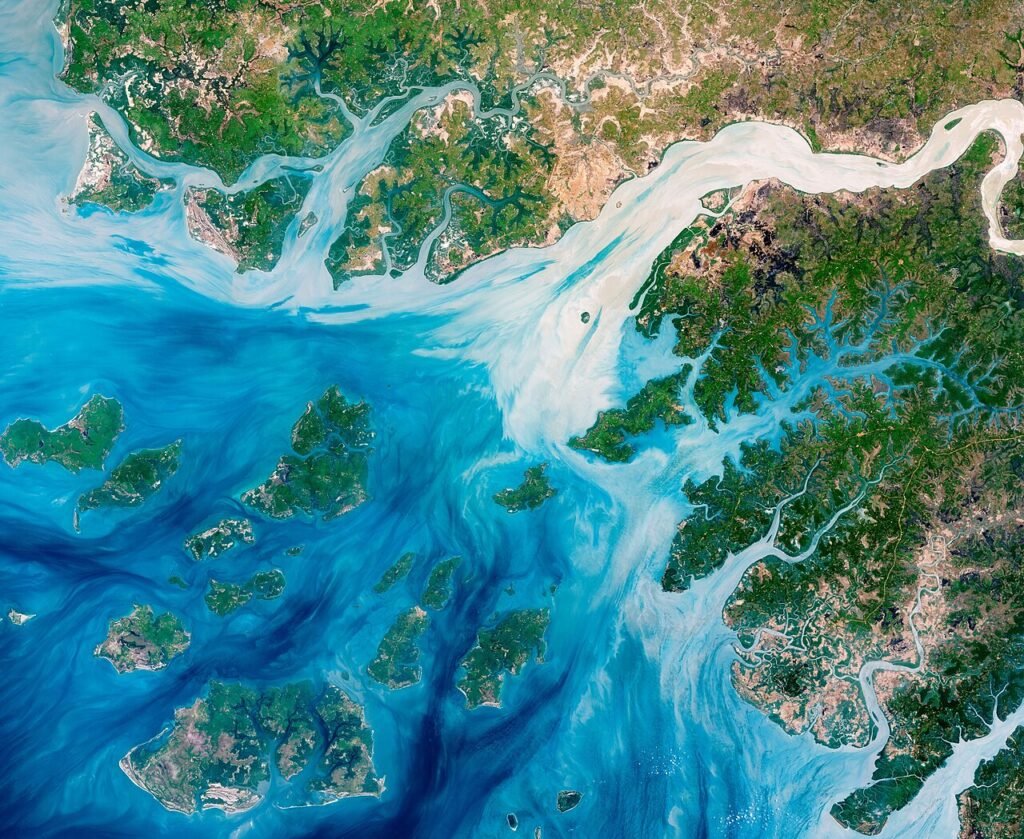
The pirogue engine cuts to a low thrum as you glide through the mangrove channels of Orango Island, and the first sound that hits you is not what you expect from a West African island paradise. It is the guttural snort of a saltwater hippo surfacing fifty meters from your boat, its enormous head breaking the glassy water in a cascade of brackish droplets. The air smells of mud, brine, and crushed mangroves, and somewhere behind the treeline, a drumbeat pulses through the rainforest. You have arrived at one of the most remote, least-visited corners of West Africa—the Bijagós Archipelago, where hippos swim in the Atlantic and women run the show.
Quick Facts Before You Go
- Best Months: December through May (the dry season). These months bring reliable sunshine, calm seas, and the best wildlife viewing, as hippos congregate in shrinking water pools. Avoid June–November when rains make trails impassable and boat crossings treacherous.
- Currency: West African CFA franc (XOF). At press time, US$1 ≈ 600 XOF, €1 ≈ 655 XOF. Bring cash in small denominations—there are no ATMs anywhere in the archipelago.
- Language: Portuguese is the official language, but most locals speak Kriol, the creole lingua franca. English is rarely spoken beyond a few words; knowing a bit of Portuguese or Kriol (a hearty “Bon dia!” goes a long way) will serve travelers well.
- Budget: You’ll spend roughly 35,000–60,000 XOF (US$58–100) per day including boat transfers, park fees, meals, and rustic lodging. This is not a budget-travel bargain-basement experience; it is a remote expedition with a price tag to match.
- Getting There: Fly into Osvaldo Vieira International Airport (OXB) in Bissau—TAP Air Portugal operates direct flights from Lisbon in about 5 hours. From Bissau’s Pidjiguiti port, charter a speedboat or catch a weekly cargo pirogue to Orango (2–3 hours by speedboat). Book flights at Skyscanner and arrange boat transfers through your lodge in advance.
Day 1: Mangrove Labyrinths & The Hippo’s Domain
You wake before dawn at your eco-lodge near the village of Eticoga, the fabric of your mosquito net beaded with condensation. The generator hums to life at 6 a.m. sharp, and a pot of thick, sweet coffee is already bubbling on the propane stove. Outside, a fishing pirogue is being loaded with water jugs and a cool box of fresh barracuda. Your guide, a local Bijagó man named N’Bana, grins and points toward the channel: “Djonka is waiting.” It takes you a moment to realize he means the hippo.

Restaurant of the Orango Parque Hotel in Ponta Anabaca on the Orango island., Guinea-Bissau’s Orango Islands, Guinea-Bissau
- Morning (8–11am): Set out on the saltwater hippo safari that draws intrepid travelers here. You’ll motor through the mangrove labyrinth of the Parque Nacional de Orango (park entry fee: 10,000 XOF per person) as your guide scans for the telltale blowholes and massive eyes breaking the surface. Unlike their freshwater cousins, the saltwater hippos of the Bijagós are uniquely adapted to the brackish Atlantic conditions—a phenomenon found nowhere else on Earth. The best spotting zone is the shallow bay of Anoribe. Boat safari with local guide: 25,000 XOF per group. Keep your camera at high shutter speed; these giants surface, snort, and submerge in seconds.
- Lunch: Return to the lodge for a humble, glorious meal: grilled caldo de peixe (fish stew with palm oil, lime, and chilies) served with white rice that tastes like a warm hug. Your lodge will charge a flat 5,000 XOF per meal, and you’ll eat whatever the fishermen caught that morning. Do not ask for a menu; there isn’t one, and that is the point.
- Afternoon (1–5pm): Hike the palm-fringed trail to the village of Ambeno, where a council of matriarchs governs daily life. This is the heart of the Bijagós’ famous matriarchal society—a lineage system that has given women control over land, rituals, and politics since before the Portuguese arrived. The trail passes a sacred orihó (forest shrine) marked by gnarled baobabs hung with white cloth offerings; visitors may look but never photograph. Arrive by 3 p.m. to catch a vibrant canturinha dance performance, traditionally organized by the village women (donation of 2,000–3,000 XOF welcomed). The rhythmic hips, cowrie-shell headdresses, and call-and-response singing will stay with you long after you leave.
- Evening: As the sun melts into the Atlantic, head to the rickety wooden deck at Bar Cabana, the island’s only attempt at a sunset spot, where a cold beer (1,500 XOF) and a plate of grilled mangrove crab (4,000 XOF) accompany the spectacular sky. Locals recommend finishing the night with a bottle of canu de caju—the local cashew wine that packs a deceptively fluffy punch. If the moon is full, you may hear ceremonial drums from the village well past midnight; do not investigate uninvited. This is sacred ground.
Day 2: Turtle Beaches & The Weave of the Matriarchs
Your second morning begins with a different rhythm. The wind has shifted east, carrying the dry breath of the Sahel over the salt flats. Today, you’ll shed the jungle clamminess for open-sky coastal panoramas and an encounter with ancient reptiles, ancient crafts, and the bittersweet quiet of a place that asks little and gives everything.

Peaceful road lined with palm trees in Malabo, Equatorial Guinea., Guinea-Bissau’s Orango Islands, Guinea-Bissau
- Morning: Rise early for the two-hour coastal walk to Ponta D’Agulha, a crescent of white sand where green and hawksbill turtles nest between July and November. Even outside nesting season, the beach is spectacular—a conch-shell graveyard, tidal pools trembling with turquoise blennies, and the occasional sunbathing monk seal sighting (seriously; the Bijagós are one of the few places in the tropics they still visit). Stop at a local breakfast spot en route: Mama Fatu’s unnamed food stand in Eticoga, where you’ll fuel up on a plate of mancarra (peanut and sweet potato stew over rice) and fresh papaya slices for just 1,000 XOF. When you reach the beach, honor the unspoken rule: shoes off, voices low, footprints fewer.
- Midday (11am–1pm): Return to Eticoga for the Orango Community Museum (entry: 2,000 XOF), a small but profound collection of sacred masks, initiation ritual instruments, and centuries-old clay pottery sherds. The most striking exhibit is the story of the 1535 Portuguese shipwreck—the moment the Bijagós famously massacred and enslaved the survivors, then used the hull timber to build a new ceremonial house. This is a piece of history European guidebooks rarely mention; your guide Antoine will tell it with a wry, unapologetic smirk. Insider tip: visit during the midday heat when other travelers are napping, and you’ll often have the museum to yourself.
- Afternoon: Dedicate the afternoon to the artisans of Ambeno’s clay quarter, a sandy lane of workshops beneath towering cashew trees. Here, matriarchs mold intricate ceramic figures representing ancestors, animal spirits, and the famed oriki (twin effigies) used in fertility rituals. Watching them work is mesmerizing; buying a piece (5,000–15,000 XOF depending on size) is the single best souvenir purchase you will make in all of Guinea-Bissau. Travelers often discover that the women will happily show you how to shape a coil pot—an impromptu masterclass for the price of a smile and a few leftover peanuts.
- Final Evening: End your weekend where it began: at the lodge’s communal dinner table. Tonight, the fishermen have delivered a massive spiny lobster, which the cook prepares with a lightning bolt of lime, fresh chilies, and a drizzle of palm oil. It arrives with a side of steamed swamp rice and a bottle of locally bottled cashew juice (surprisingly dry, surprisingly refreshing). As you eat, the generator hums, the tamarind trees rustle, and you’ll find yourself running the numbers on how soon you could possibly return. You’ll know it’s time for bed when the stars—brilliant, unspoiled by city glow—make you feel small in the best possible way.
The Food You Can’t Miss
Let’s be real: the Orango Islands are not a fine-dining destination. There are no tasting menus, no wine lists, no linen tablecloths. But the food you’ll eat here—cooked by families over open flames, seasoned with wind and sea salt—will outshine many a Michelin-starred meal in your memory. The cornerstone of every meal is rice grown in the island’s flooded paddies, a plump, fragrant grain with a clay-like mineral depth you will not find elsewhere. It gets served with everything from grilled grouper to chicken in a dense peanut sauce called mancarra, the archipelago’s de facto comfort food.
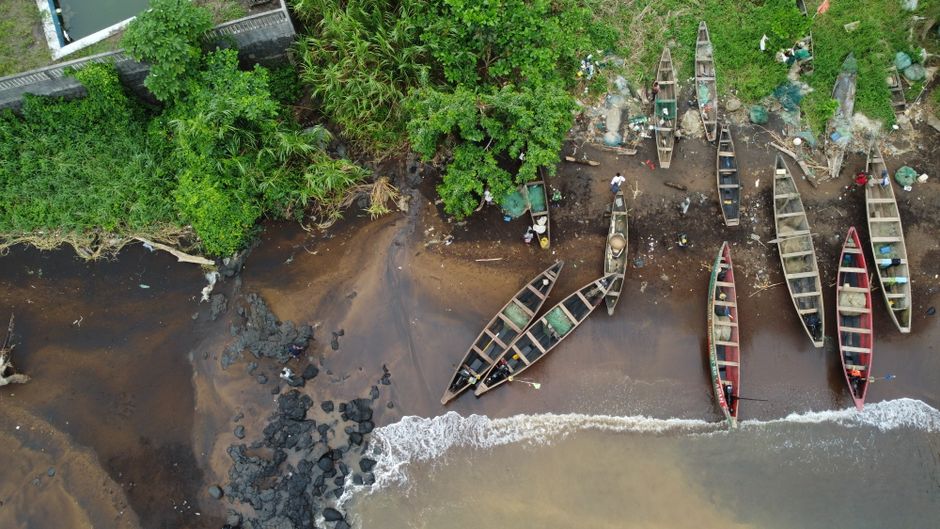
Aerial view of canoes along Nicholls Island, Guinea-Bissau’s Orango Islands, Guinea-Bissau
For street food, you cannot skip a visit to the bustling morning market in Eticoga (run Thursday and Saturday, 6–10 a.m.), where vendors hawk fat beignets de poisson (fish fritters, 500 XOF for three), plantain chips fried in bright red palm oil (also 500 XOF), and—if you’re lucky—a steaming bowl of caldo de chabeu, a smoky smoked-fish and okra soup traditionally eaten for breakfast. Wash it all down with a coconut cracked open with a machete (300 XOF). Locals recommend asking for the freshest fish at the market and having it grilled on the spot by any fisherman with a coal brazier; the fifteen minutes of waiting, watching pirogues drift in from the sea, is part of the experience.
Where to Stay for the Weekend
Accommodation on Orango is refreshingly simple, which suits the island’s wild spirit perfectly. Your best bet is the Orango Parque Eco-Lodge (from 45,000 XOF per night for a double with breakfast), a collection of six thatched bungalows on stilts near Eticoga’s northern shore. Each unit comes with a veranda, a bucket-shower mosquito-net cocoon, and a view of the mangroves where the hippos grumble at dusk. The staff can arrange every tour, meal, and boat transfer on the island. Book well in advance at Booking.com; there are only six rooms and demand grows every season.
If you prefer something deeper in the island’s interior, the Ambeno Guesthouse (35,000 XOF per night) is a three-room community-run stay set among cashew groves and the sound of village life. You’ll share a courtyard with wandering goats, roosters, and the occasional curious child, and meals are taken with the family—an immersive exchange that’s part cultural homestay, part adventure headquarters. Savvy travelers who want the full matriarchal experience can arrange a homestay with families through the community tourism office in Ambeno for around 20,000 XOF per night, which may include participation in daily chores like palm winnowing and pottery-making. Check Airbnb for a few rare, locally listed options, though most bookings happen via WhatsApp or the tourism office directly.
Before You Go: Practical Tips
- Getting Around: There are no cars on the island. Your feet, a shared pirogue (30,000–40,000 XOF for a day hire), and a local guide’s knowledge are your only transport. Budget an extra 5,000–10,000 XOF per day for a guide; they are mandatory for hippo safaris (for safety reasons, and rightly so) and invaluable for village visits. Bicycles can be borrowed from the eco-lodge for free, but the sand will humble you within 200 meters.
- What to Pack:

