
Gorongosa Reserve, Mozambique: Epic Wildlife Resurgence, Untamed Wilderness & Conservation Triumph (2026)
In 2004, the Gorongosa Restoration Project began with a bold vision: to bring a park back from the brink. After a 16-year civil war decimated over 90% of its large mammal populations, this 4,000-square-kilometer Eden in central Mozambique was a silent, empty landscape. Today, the roar of lions has returned, herds of over 1,000 buffalo thunder across the floodplain, and pioneering travelers witness one of the planet’s most successful conservation stories unfolding in real-time. This isn’t just a safari; it’s a front-row seat to a miracle of ecological healing.
Why Gorongosa Reserve, Mozambique Stands Out
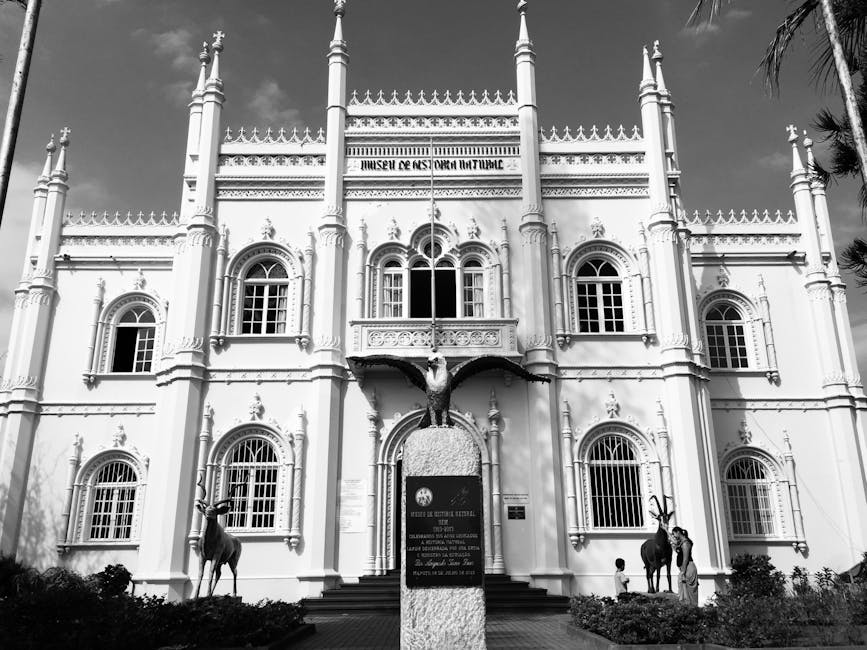
A black and white image of the iconic Museu de Historia Natural in Maputo, Gorongosa Reserve, Mozambique
- Historic Architecture: The iconic Montebelo Gorongosa Lodge & Safari, originally built in the 1930s, blends colonial-era charm with modern luxury, serving as a historic gateway to the park’s wilderness.
- Cultural Scene: Engage with the Gorongosa Coffee Project, where local farmers cultivate shade-grown coffee on Mount Gorongosa, blending sustainable agriculture with community empowerment.
- Local Specialties: You must try Matapa, a rich, creamy stew of cassava leaves cooked in coconut milk, often served with prawns or peanuts and *xima* (maize porridge).
Pro Tip: For the absolute best wildlife viewing with minimal crowds, target the dry season from May to October. Animals congregate around permanent water sources like Lake Urema, and the sparse vegetation makes spotting predators like lions and leopards dramatically easier. Avoid the peak of the wet season (January-March) when some roads become impassable.
Map of Gorongosa Reserve, Mozambique
Use these interactive maps to explore Gorongosa Reserve, Mozambique and plan your route:
📍 View Gorongosa Reserve, Mozambique on OpenStreetMap
🗺️ Open Gorongosa Reserve, Mozambique in Google Maps
Planning Your Trip: Practical Essentials
Getting There and Around
- By Air: Most visitors fly into Beira International Airport (BEW), a 2-3 hour drive from the park’s main gate. LAM Mozambique Airlines offers connections from Maputo and Johannesburg. Pre-book a private transfer with your lodge. Book flights at Skyscanner for best deals.
- By Train: While scenic, Mozambique’s rail network isn’t a practical option for direct access to Gorongosa. Your best bet is to fly or drive.
- By Car: A 4×4 is mandatory for self-driving within the park. The main access is via the EN1 highway from Beira, turning onto the EN217 towards Vila Gorongosa. Driving in Mozambique requires caution. Compare car rentals at RentalCars.com.
- Local Transport: Within the park, transport is exclusively via guided game drive vehicles or transfers arranged by your accommodation. There is no public transport.
Best Time to Visit
Gorongosa’s seasons dictate the experience. The dry winter offers unparalleled game viewing, while the green summer transforms the landscape into a birder’s paradise and a lush, dramatic spectacle.
| Season | Weather | Highlights |
|---|---|---|
| Dry Season (May–Oct) | Sunny, warm days (20-28°C), cool nights. Virtually no rain. | Peak wildlife viewing at waterholes, excellent predator sightings, clear skies. High season for tourism. |
| Wet Season (Nov–Apr) | Hot, humid with frequent afternoon thunderstorms (25-35°C). | Lush, green scenery, migratory bird arrivals, newborn animals, dramatic skies, and far fewer visitors. |
| Shoulder (Apr/Nov) | Transitional weather; shorter rains or beginning of dry spell. | A good mix of scenery and wildlife, with lower rates and smaller crowds as seasons change. |
Budgeting for Gorongosa Reserve, Mozambique

A blue pushpin marks Zimbabwe on a colorful close-up map highlighting its g…, Gorongosa Reserve, Mozambique
| Category | Budget | Mid-range | Luxury |
|---|---|---|---|
| Accommodation | $50-100 (camping, basic rest house) | $250-450 (comfortable safari lodge) | $600+ (all-inclusive luxury tented camp) |
| Meals | $15-25 (lodge restaurant) | $30-50 (full board at lodge) | Included (premium all-inclusive) |
| Transport | $50/day (park entry & fuel for 4×4) | $100-150 (guided game drive) | $200+ (private guide & vehicle) |
| Activities | $30 (guided walk) | $75 (sunset cruise) | $150 (specialist birding tour) |
| Daily Total | $150-200 | $450-700 | $950+ |
Top Attractions and Must-See Sights
| Attraction | Description | Hours | Entry Fee |
|---|---|---|---|
| Lake Urema Floodplain | The park’s beating heart, a vast wetland attracting massive herds of waterbuck, buffalo, and countless birds. | Dawn to Dusk (park hours) | Included in Park Fee ($20/day) |
| Mount Gorongosa | A sacred, biodiverse mountain rainforest with waterfalls, rare birds, and community coffee plantations. | Daylight hours, guided only | ~$50 for guided hike |
| Community Tourism (Vinho) | Visit the Vinho community village for cultural immersion, traditional dance, and insights into human-wildlife coexistence. | By prior arrangement | ~$25 per person |
| Gorongosa’s “Lion House” | The park’s research and monitoring HQ, where you can sometimes learn about lion collaring and conservation science. | Varies; ask at lodge | Often included in special tours |
3-Day Itinerary: Gorongosa Reserve, Mozambique’s Highlights & Hidden Gems
Day 1: Arrival & The Great Floodplain
- Morning: Arrive at Chitengo Camp, settle in, and embark on your first game drive (7-11 AM) towards the Lake Urema floodplain. Your guide will point out the park’s famous “waterbuck lawns” and the recovering elephant herds.
- Afternoon: Lunch at the Chitengo Safari Camp restaurant, trying the fresh peri-peri grilled chicken. Later, take a guided walking safari (3-5 PM) near camp to learn about the smaller wonders—tracks, insects, and plants.
- Evening: Enjoy a sundowner drink overlooking a waterhole before a hearty buffet dinner at camp, listening for the nighttime calls of hyenas and lions.
Day 2: Predators, Birds & Cultural Connection
- Morning: Pre-dawn game drive ($80-120) targeting predators. Search for the park’s renowned lion prides and elusive leopards in the woodlands around the Mussicadzi River.
- Afternoon: Visit the Vinho community village ($25) for a traditional lunch and storytelling. Later, take a serene birding boat cruise ($75) on the Nhandare River, looking for kingfishers, fish eagles, and hippos.
- Evening: Dine under the stars at your lodge, perhaps enjoying a classic piri-piri prawn dish, and attend a talk by a Gorongosa researcher on the park’s restoration.
Day 3: Mountain Majesty & Departure
- Morning: Take a guided excursion (4-5 hours, ~$50) up the slopes of Mount Gorongosa. Hike to a stunning waterfall, learn about the sacred forest, and visit a coffee cooperative.
- Afternoon: Enjoy a picnic lunch on the mountain before descending. Make one final short game drive en route back to Chitengo, savoring last glimpses of sable antelope or wildebeest.
- Evening: Transfer back to Beira airport or relax with a final drink on the lodge deck, reflecting on a journey that’s as much about hope as it is about wildlife.
Cultural Insights & Etiquette
- Language: Portuguese is official; Sena and Ndau are local languages. Learn “Bom dia” (Good morning), “Obrigado/a” (Thank you), and “Está bem?” (Is it okay?).
- Customs: Always greet people politely before asking questions. Ask permission before photographing local community members. The mountain is considered sacred; respect all guidelines from local guides.
- Tipping: Tipping is appreciated. For guides, consider $10-15 per person per day. For general staff, a collective tip box at your lodge is common.
- Dress Code: Casual, comfortable safari clothing in neutral colors. For community visits, modest dress (covering shoulders and knees) is respectful.
- Business Hours: Park gates open around 6 AM and close at 6 PM. Lodges operate on their own schedules. Major national holidays may affect services.
Where to Eat: Gorongosa Reserve, Mozambique’s Best Bites
Dining in Gorongosa is almost exclusively lodge-based, focusing on fresh, hearty meals to fuel your safari days. Expect a mix of international cuisine and local Mozambican flavors, with an emphasis on grilled meats, fresh seafood from the coast, and tropical fruits.
Must-Try Local Specialties
- Matapa: The national dish of stewed cassava leaves in coconut milk. Your lodge kitchen will often prepare an authentic version, best served with *xima* (maize porridge) to scoop it up.
- Piri-Piri Prawns: Large, succulent prawns marinated in the famous African bird’s eye chili sauce and grilled over charcoal. A coastal delight often featured on lodge menus.
- Gorongosa Coffee: Don’t miss a cup of the park’s own shade-grown, arabica coffee. It’s smooth, rich, and supports local farming communities directly.
Restaurant Recommendations by Budget
| Type | Restaurant | Specialty | Price Range |
|---|---|---|---|
| Budget | Chitengo Camp Cafeteria | Simple, filling buffet meals and sandwiches for self-drivers. | $10-15 per meal |
| Mid-range | Montebelo Gorongosa Lodge Restaurant | Elegant plated dinners with Portuguese-Mozambican fusion, great wine list. | $25-40 per meal |
| Fine dining | Private Bush Dinner (arranged by lodges) | A multi-course meal under the stars in a remote location, with personal service. | $80+ per person |
Where to Stay
Accommodation ranges from basic camping to sublime luxury, all focused on immersion in the wild. Most are clustered near the Chitengo area for access to the park’s core. Compare prices and book at Booking.com or Airbnb for apartments in nearby towns, but book park lodges directly for the best safari packages.
Best Neighborhoods for Accommodation
- Chitengo Area: The park’s hub, with a range of options from camping to the upscale Montebelo Lodge. Pros: central location, access to restaurants, main gate. Cons: less remote feeling. Suits first-time visitors and self-drivers.
- Urema River Area: Home to exclusive tented camps like Muzimu Camp. Pros: incredible riverfront views, deep wilderness feel, prolific wildlife nearby. Cons: higher cost, accessed by longer drives. Suits luxury seekers and romantics.
- Mount Gorongosa Foothills: For a completely different, cooler climate experience. Pros: unique rainforest ecology, community interaction. Cons: far from main game viewing areas. Suits hikers, birders, and those extending their stay.

Dramatic view of a shipwreck on Beira beach with stormy skies and crashing …, Gorongosa Reserve, Mozambique
FAQs: Your Gorongosa Reserve, Mozambique Questions Answered
1. Is Gorongosa Reserve, Mozambique safe at night?
Within the park confines and at your lodge, yes, it is very safe. You will be escorted after dark due to wildlife. Always follow your guide’s instructions. When driving to/from the park, stick to daylight hours on main roads and be aware of your surroundings.
2. What currency is used and are credit cards accepted?
The Mozambican Metical (MZN) is the local currency. US Dollars and South African Rands are often accepted at lodges. Major lodges accept Visa/Mastercard, but connectivity can be intermittent—carry sufficient cash (USD is best) for tips, community visits, and incidentals.
3. How do I get from the airport to the park?
From Beira Airport (BEW), it’s a 2-3 hour drive. Your best bet is to pre-book a private transfer through your lodge (approx. $150-200 one-way). Self-driving requires a reliable 4×4. Book airport transfers at GetYourGuide for convenience, but confirm they service this specific route.
4. Do I need to speak the local language?
No. English is widely spoken by guides and lodge staff. Portuguese is useful for interactions outside the park. Learning a few basic greetings in Portuguese or Sena, however, will be met with warm appreciation.
5. What’s the appropriate dress code?
Neutral-colored, lightweight clothing for game drives (greens, khakis, browns). Include a warm layer for early mornings. Sturdy, closed-toe shoes are essential. For evenings, smart-casual is fine at lodges. A wide-brimmed hat, sunglasses, and high-SPF sunscreen are non-negotiable.
Final Thoughts: Gorongosa Reserve, Mozambique Awaits
Gorongosa is more than a destination; it’s a testament to resilience. You’ll discover a landscape where every elephant trumpet and lion sighting carries the weight of a profound comeback. Savvy visitors know they’re investing in a future where wilderness and communities thrive together. Don’t just come for the wildlife—come for the story. Your visit directly fuels the continuation of one of Africa’s greatest conservation victories. Plan to spend your evenings not just recounting the day’s sightings, but discussing the powerful sense of hope that this remarkable place instills in everyone who journeys here.

