
Geyikli, Turkey Weekend: Olive Groves (2026)
You step off the ferry from Bozcaada and the first thing that hits you isn’t the sea salt — it’s the smell of olive oil, warm bread, and wild thyme drifting from the hills. The late afternoon sun paints the stone houses in honey gold, and somewhere a muezzin’s call mingles with the clatter of backgammon tiles. This is Geyikli, the quiet, sun-bleached gateway to the Troad region, where travelers discover that the best Turkish weekends aren’t spent on crowded resort beaches, but in olive groves, ancient ruins, and a market that has been pulling farmers from three provinces for over a century.
Quick Facts Before You Go
- Best Months: April to June and September to October — the weather is warm but not scorching, the wildflowers are out in spring, and the olive harvest begins in autumn. July and August are hot and crowded with day-trippers from Bozcaada.
- Currency: Turkish Lira (TRY). At time of writing, roughly 30 TL to 1 USD, though the rate fluctuates. Always carry some cash for the market and village shops.
- Language: Turkish. English is limited in Geyikli itself — you’ll find it spoken at hotels and a few restaurants, but knowing a few phrases like Merhaba (hello) and Teşekkür ederim (thank you) will open doors and smiles.
- Budget: 800–1,500 TL per day for a mid-range traveler, including accommodation, meals, transport, and entry fees. Couples can stretch it to 1,000 TL if they skip pricier seafood dinners.
- Getting There: Fly into İstanbul Airport (IST) or Sabiha Gökçen (SAW), then a connecting flight to Çanakkale Airport (CKZ) — about 55 minutes. From Çanakkale, it’s a 45-minute drive south to Geyikli. Alternatively, take a bus from İstanbul’s Esenler Otogar directly to Geyikli (about 6–7 hours, 250 TL). Book flights at Skyscanner.
Day 1: The Market, The Kebab & The Olive Oil Baptism
You wake to the sound of roosters and the distant rumble of trucks loading crates. It’s Thursday — market day — and Geyikli’s sleepy streets are already pulsing with farmers hauling sacks of almonds, women balancing trays of fresh gözleme, and the sweet, earthy smell of ripe figs. This is the heartbeat of the week, and you’re about to be swept into it.
- Morning (8–11am): Head straight to Geyikli Pazarı (the Thursday market), located just off the main square near the mosque. Arrive by 8am to beat the crowds and see the farmers setting up. You’ll find everything from hand-pressed olive oil (60 TL per liter) to wild sage, goat cheese, and handwoven kilims. Cost: Free to browse; bring 200–300 TL for shopping. Insider tip: Look for the stall run by a grey-bearded man named Hasan — his olive oil is cold-pressed from century-old trees in his own grove, and he’ll let you taste it on a chunk of bread.
- Lunch: At Köy Sofrası, a family-run restaurant a five-minute walk from the market. Order the keşkek (a slow-cooked wheat and meat stew, 45 TL) and the zeytinyağlı enginar (artichoke in olive oil, 35 TL). The terrace overlooks the olive groves, and the owner, Mehmet, will likely bring you a glass of çay on the house. Open 11am–8pm daily except Fridays.
- Afternoon (1–5pm): You have two excellent options. Option A: Visit the Ancient City of Alexandria Troas, a 15-minute drive west of Geyikli. This sprawling Hellenistic and Roman site (free entry) is mostly unexcavated, which means you’ll wander through fields of marble columns, a Roman bath, and an ancient harbor — with not a single souvenir stand in sight. Option B: Drive 20 minutes to Bozcaada Island via the ferry from Geyikli pier (ferry runs hourly, 25 TL per person, 25 min crossing). On Bozcaada, rent a bike (50 TL per hour) and cycle to the vineyards or the Greek Orthodox monastery on the hill. Travelers often discover that the island’s best beach, Ayyıldız Plajı, has nearly zero crowds on autumn afternoons.
- Evening: Dinner at Geyikli Balıkçısı, a no-frills fish restaurant right on the main street. The catch of the day — usually levrek (sea bass) or çupra (sea bream) — is grilled over charcoal and served with a wedge of lemon and a bowl of rocket salad (around 120 TL per person). After dinner, walk to Cennet Bahçesi, a tiny tea garden tucked behind the mosque, where old men play okey under the mulberry trees. Order an apple tea (5 TL) and watch the stars appear. The atmosphere is pure, unhurried village life.

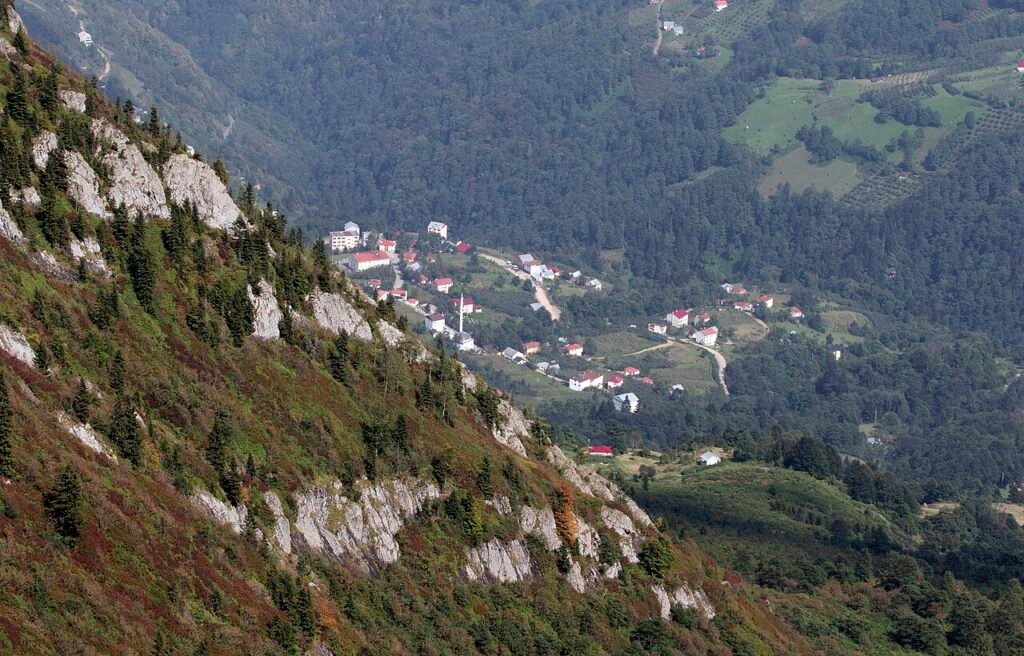
A partial view of Geyikli from the hill of Sisdağı Mt, Geyikli, Turkey
Day 2: Troy, Island Farewell & The Art of Doing Nothing
- Morning (8:30–11am): Breakfast at Şekerpare Pastanesi, a local institution that has been baking since 1952. Order a menemen (scrambled eggs with tomatoes and peppers, 25 TL), a fresh simit (5 TL), and a glass of taze sıkılmış portakal suyu (fresh orange juice, 12 TL). The owner, Nuran, still makes her own jams — ask for the sour cherry, it’s legendary. Locals recommend arriving before 9am, when the pastries are still warm from the oven.
- Midday (11am–2pm): Drive 15 minutes north to Ancient Troy (Truva), the UNESCO World Heritage site that inspired Homer’s Iliad. Entry fee: 100 TL. The site is smaller than you might expect, but walking through the nine layers of civilization — from 3000 BC to Roman times — is genuinely moving. The iconic wooden horse (a 1970s addition) is a fun photo op, but the real magic lies in the ruins themselves. Savvy visitors know that the best way to avoid crowds is to arrive at opening time (8:30am) or during your lunch hour, when tour groups are eating. The site takes about 1.5 hours to explore properly.
- Afternoon (2–5pm): After Troy, head back toward Geyikli and stop at the Köy Pazarı (village market) in the small hamlet of Gülpınar, a 10-minute drive south. Here, you’ll find a tiny, covered bazaar selling local honey (30 TL per jar), organic olive oil soap (15 TL), and hand-embroidered linens. The real attraction, though, is the Apollo Smintheus Temple, a 2nd-century BC sanctuary dedicated to the god of healing, set in a peaceful olive grove. There’s almost never another visitor. Entry is free. Wander the ruins, sit under the pines, and listen to the bees.
- Final Evening: Your farewell dinner demands something special. Book a table at Taş Bahçe, a farm-to-table restaurant hidden in the olive groves of Küçükkuyu, a 20-minute drive south of Geyikli. The setting — lantern-lit, stone-walled, with a wood-fired oven under the stars — is straight out of a dream. Order the tandır kuzu (slow-roasted lamb, 140 TL), which falls off the bone, and the yöresel ot salatası (wild herb salad foraged from the hills, 30 TL). Finish with künefe (shredded wheat with cheese and syrup, 45 TL). Reservations essential in summer — call a day ahead. After dinner, drive back to Geyikli and take one last walk through the sleeping village, the air thick with the scent of jasmine and the distant hum of cicadas.
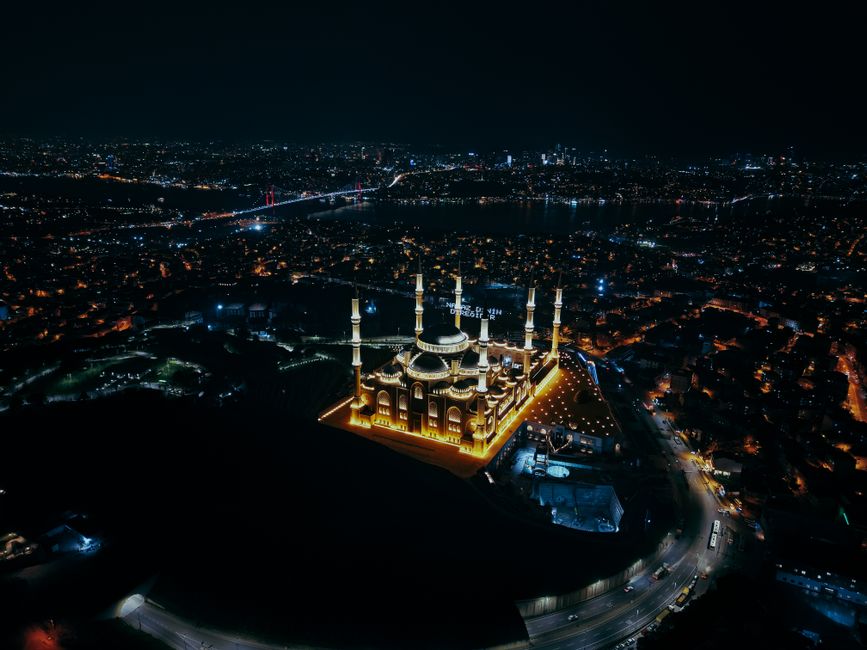
Stunning aerial night view of the Grand Camlica Mosque illuminated in Istanbul, Geyikli, Turkey
The Food You Can’t Miss
Geyikli is a place where food isn’t just fuel — it’s memory. The local cuisine is built around what grows and grazes in the surrounding hills: olives, wild greens, chickpeas, lamb, and fish from the Aegean. The most important meal is breakfast, and you’ll quickly learn that a Turkish village breakfast is a spread of a dozen small plates — olives, cheese, honey, jam, cucumbers, tomatoes, eggs, and fresh bread — eaten slowly over two hours with endless glasses of çay. Köy Sofrası (mentioned above) does an excellent version for 70 TL per person, served on a terrace overlooking the groves.
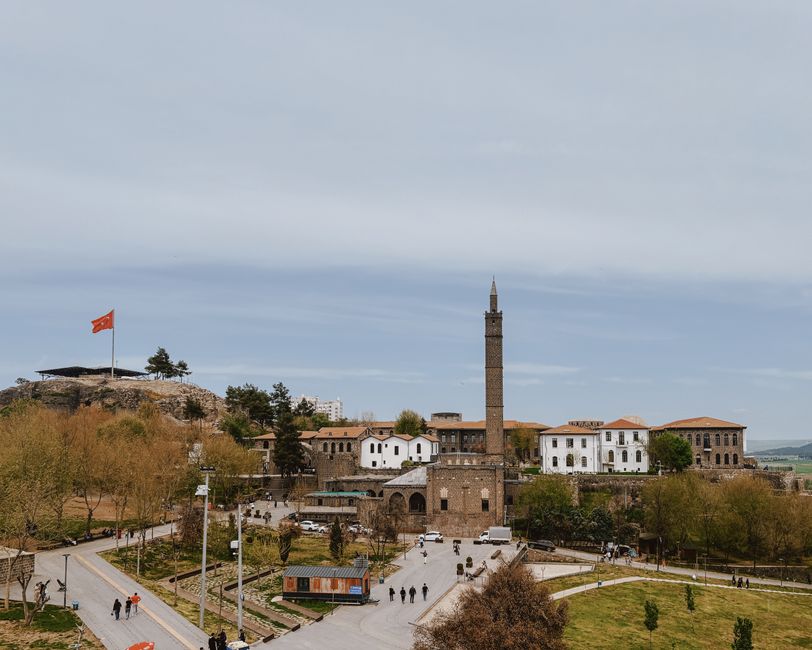
Discover the architectural splendor of Diyarbakır, Geyikli, Turkey
For lunch, you must try pide, the Turkish flatbread, from Geyikli Pide Salonu, a family-run spot near the market. The kuşbaşılı pide (with diced lamb, 40 TL) is baked in a stone oven and arrives blistering hot, the edges crisp and the filling juicy. Travelers often discover that the mercimek çorbası (lentil soup, 15 TL) here is the best for miles — ask for a squeeze of lemon and a pinch of red pepper flakes. For street food, look for the elderly woman selling gözleme at the Thursday market — she sets up near the fountain at 7am and folds fresh spinach and peynir (cheese) into paper-thin dough, griddled to golden perfection. One is enough for a light lunch (20 TL).
Dinner is a ritual here. At Taş Bahçe in nearby Küçükkuyu, you’ll taste why the region’s olive oil is considered some of the best in the world. The owner, Mustafa, will tell you the story of his grandfather’s olive trees as he pours a dark green, peppery oil over your salad. The deniz börülcesi (sea purslane) — a salty, crunchy shoreline plant — is a seasonal specialty, served with garlic and lemon. Plan to spend about 200–250 TL per person for a full dinner with a glass of local wine from Bozcaada’s vineyards. It’s worth every kuruş.
Where to Stay for the Weekend
Your best bet for a weekend break is to stay outside the village center, where the silence is almost complete. The olive groves south of Geyikli (toward Küçükkuyu and Altınoluk) offer the most atmospheric accommodation — think restored stone houses with terraces overlooking the sea and hillsides of silver-green trees. Nightly rates at a mid-range boutique hotel or Airbnb here range from 800 to 1,500 TL depending on the season.
If you prefer to be in the village itself, Geyikli’s main street offers a handful of small pensions and family-run hotels. Geyikli Konukevi is a charming 5-room guesthouse with a garden and homemade breakfast included (around 600 TL per night). You’ll be steps from the market and the tea gardens, which is ideal for solo travelers and those who want to soak up the local rhythm. For a splurge, Bozcaada’s boutique hotels (on the island across the strait) are a 30-minute ferry-and-taxi combo from Geyikli — the Sensus Hotel in Bozcaada’s old Greek quarter starts at 1,800 TL per night and offers vineyard views, a pool, and exceptional breakfasts.
Book accommodations early in summer (July–August), as Geyikli fills with Turkish families visiting from Istanbul and locals returning for the season. You’ll find a wide selection at Booking.com for hotels, and Airbnb for private olive grove houses and villas. Off-season rates drop by 30–40%.
Before You Go: Practical Tips
- Getting Around: A rental car is essential for exploring Geyikli, Troy, and the surrounding villages. Rent from Çanakkale airport or the town itself — prices start at around 400 TL per day for a small car. Taxis areavailable but can be expensive for longer journeys (Geyikli to Troy: about 150 TL one-way). Buses between Geyikli and Çanakkale run every hour (30 TL, 45 minutes).
- What to Pack: Daytime temperatures can reach 35°C in summer, so pack lightweight cottons, a wide-brimmed hat, and strong sunscreen. The evenings cool down significantly — even in August, you’ll want a light jacket or cardigan. Good walking shoes are non-negotiable for the ruins and olive groves. A Turkish phrasebook or translation app will make a huge difference.
- Common Tourist Mistakes: Many visitors assume Geyikli is just a ferry port for Bozcaada and rush through — they miss the Thursday market, the ancient ruins of Alexandria Troas, and the incredible food. Don’t. Also, some travelers forget that most shops and restaurants close from 1pm to 4pm during the summer heat for the afternoon siesta — plan your sightseeing around this rhythm.
- Money-Saving Tip: If you’re visiting on a Thursday, do your souvenir shopping at the Geyikli Pazarı in the morning, but wait until the last hour (around 1pm) to buy. Farmers would rather sell remaining stock at a discount than haul it back. You can often get two liters of olive oil for the price of one, or a bag of almonds for 20 TL less than the morning price. Also, bring your own water bottle — the public fountains at the market and at Alexandria Troas have perfectly safe, cold drinking water, and you’ll save 10 TL a day.

