
Fatu Hiva, French Polynesia for Adventurers: The Hanavave Ridge Trek That Makes You Forget Fiji Ever Existed (2026)
The wind tears across the basalt ridge at 700 meters, tugging your backpack straps as you crouch low. Far below, the needles of the Bay of Virgins pierce the turquoise South Pacific like cathedral spires from a forgotten world. Your legs burn, but you can’t stop grinning. You’ve just found the adventure of your life on the most remote island in French Polynesia.
The Main Event: The Hanavave Ridge Trek
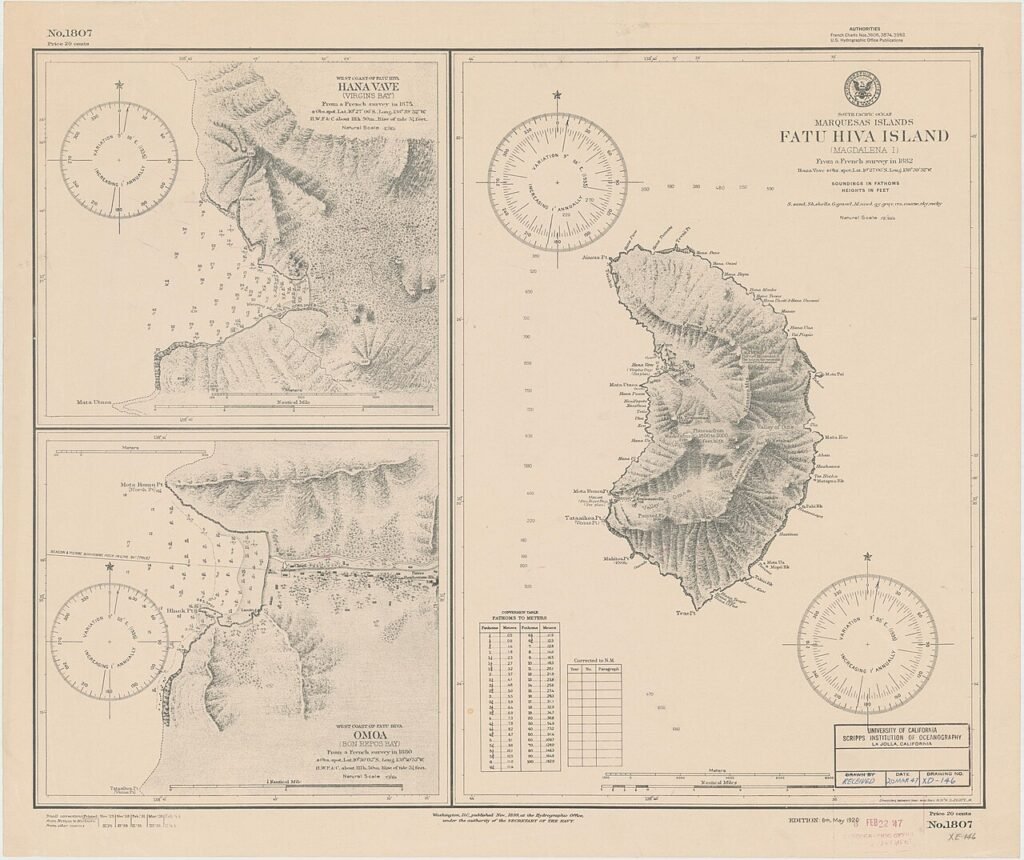
This isn’t a groomed path – it’s a hand-and-foot scramble up volcanic ridgelines that plunge into the sea on both sides. You’ll start in the village of Omoa at 6:30 AM sharp, when the morning light turns the cliff faces gold. Your guide, typically a local from the village like Uta or Kahaia, will charge you around 6,000 XPF (approximately USD 55) per person for a small group. The trek takes 4 to 6 hours one way depending on how often you stop to gawp. Difficulty is hard – serious exposure, loose rock in places, and a relentless 800-meter climb. You’ll want sturdy boots, at least 2 liters of water, and a rain shell because squalls blow in fast. The insider trick: bring a pair of old gloves for the final scramble rope section at the saddle. Your reward? The view of Hanavave Bay’s basalt pinnacles that have graced a thousand postcards – but from above, they look like jagged teeth reaching for an impossible sky.
Once you’re up there, seasoned travelers often sit silently for a full ten minutes – the scale of the place stuns you into reverence. The ridge is not a maintained trail, so you’ll likely see only a handful of other hikers per week. You’ll traverse through dense pandanus forests and wind-whipped grassland, with the constant soundtrack of seabirds and surf on cliffs hundreds of meters below. If you’re lucky, a pod of spinner dolphins will play in the bay beneath you – locals say they appear nearly every clear morning, almost as if the island is showing off. Descend the same route in the afternoon, or ask your guide to bring a boat to pick you up at the base of the cliffs near Hanavave village – it costs an extra 2,000 XPF, but it saves your knees for tomorrow’s adventures.
Activity #1: Vaipo Waterfall & Canyon Swim
Locals call it the “Secret Garden” and they guard it carefully. You’ll meet your guide at the edge of Hanavave village at 8 AM, paying 4,500 XPF per person for a small-group trip that includes a machete-wielding escort – the jungle reclaims the path within days of clearing. After a 45-minute hike along the Vaii River, you’ll reach a natural amphitheater where 100-meter cliffs drip with ferns, and the Vaipo waterfall thunders into a deep emerald pool. The water temperature floats around 22°C (72°F), shockingly cool after the tropical heat. Your guide will show you the best entry point – a smooth rock ledge that gives you a natural “water slide” into the pool. Savvy visitors bring a waterproof phone case for lightning-fast photos between splashes. The whole adventure takes 3 hours round trip, and you’ll be back in time for a late lunch. Bring your own snorkel mask – the underwater rocks reveal ancient petroglyphs that only reveal themselves through the crystal-clear water.
Activity #2: Sea Kayaking Around Hanavave Bay
For a different adrenaline rush, rent a fiberglass kayak from the village cooperative at the Hanavave jetty – costs 3,000 XPF per half day, and they’ll throw in a paddle and life vest. You’ll launch at 7:30 AM to catch the glassy morning calm, just after the sun crests the ridgeline. From the water, you’re dwarfed by the pinnacles you’d previously conquered on foot – the basalt needles rise straight from the sea like serpent tongues. Paddle close, but not too close; locals warn that swells can slam you into the rocks. Follow the northern shoreline for about 2 kilometers and you’ll find a hidden beach of black volcanic sand, called Anahoa. It’s the perfect spot to swim, spot rays in the shallows, and eat the baguette-and-cheese lunch you’ll have packed. Your arms will burn, but the payoff is the feeling of being the only human within a hundred miles, surrounded by absolute spectacular ruin. By noon, the sea breeze picks up, so head back before it turns the bay choppy.

Baie des Vierges (Hanavave), Fatu Hiva, Marquesas Islands, French Polynesia, Fatu Hiva, French Polynesia
Refuel: Where Adventurers Eat
After a day of physical abuse, your body craves fuel, and Fatu Hiva delivers in unpretentious style. Chez Pauline in Omoa offers the most legendary poisson cru on the island – raw tuna marinated in lime and coconut milk, served with taro and breadfruit chips. It’s 1,500 XPF for a massive plate, and you’ll eat on a covered terrace overlooking the pig pens and the jungle beyond. For a post-trek snack, head to Snack Te Ava in Hanavave village, where they serve fresh grilled fish sandwiches (800 XPF) and cold Hinano beers that taste like victory after a long descent. Sit at the plastic tables, wave to the village kids, and swap trail notes with fellow hikers. For a more sit-down experience, La Baie des Vierges – literally “Bay of Virgins” – is attached to the island’s only pension and offers a three-course dinner for 4,000 XPF, featuring crayfish tempura and chicken stewed in coconut cream. Locals recommend arriving by 7 PM; the generator shuts down at 10 PM, and you’ll want to finish your dessert by candlelight anyway.
Base Camp: Where to Stay
You won’t find big resorts on Fatu Hiva, and that’s exactly why you’re here. The Pension Moea in Omoa is the go-to for active travelers, offering basic bungalows with mosquito nets from about 10,000 XPF per night. They’ll do laundry for 500 XPF, pack you a lunchbox at dawn, and even store your kayak or hiking gear in their workshop. The early breakfast (from 5:30 AM) includes homemade banana pancakes and strong coffee – essential before your ridge treks. For a more immersive stay, Chez Boude in Hanavave village sits right off the bay, giving you a 10-minute head start to the kayak launch. Expect simple but spotless rooms, and a family that treats you like a relative. Book ahead through Booking.com often lists both options in the French Polynesia region. If you’re really pushing it, you can camp – ask at Pension Moea, and they’ll let you pitch a tent by their garden for 2,000 XPF, with access to a solar-heated shower.

A hut with a thatched roof overlooks the ocean, Fatu Hiva, French Polynesia
Gear & Prep Checklist
- Knee-high waterproof hiking boots – the volcanic mud on Fatu Hiva is a living creature that will swallow any ordinary trail shoe.
- A 3-liter hydration bladder or two 1.5-liter bottles – no shops on the trail, and no guaranteed water sources after rain.
- Optimal “gloves for rope ascents” – the fixed ropes on the Hanavave Ridge are nylon and can shred unprotected hands.
- Pre-fitness: aim to be able to climb 1,000 vertical meters in rough terrain without stopping – the island’s ridges hit you hard.
- Safety: register your trek with the village chief before you go – the cell signal is nonexistent, and rescue is a boat ride away, so someone must know your plan.
Getting There & Around
- Flights: Fly into Hiva Oa’s Atuona Airport (AUQ), which receives daily flights from Tahiti. From Atuona, you’ll catch a local cargo boat or chartered fishing vessel to Fatu Hiva – that’s a 3-4 hour ride that can be rough in high seas (around 8,000 XPF per person). Book your airfare well ahead at Skyscanner.
- Local Transport: Once on the island, you’ll walk or hitch a ride on the back of pickup trucks that bounce along the unpaved coastal track between Omoa and Hanavave – a bumpy 20-minute ride that costs about 500 XPF. For kayak or boat routes, your pension can organize a local fisherman to ferry you for 2,000–3,000 XPF for short hops.
- Best Season: May through October are the dry and calm months, ideal for trekking, sea kayaking, and boat transfers. From November to April, expect torrential rains that turn trails into waterfalls and swells that can trap you for days – adventurous souls still go, but always with a flexible schedule.

Brown wooden houses on water near green mountain under blue sky during daytime, Fatu Hiva, French Polynesia

