
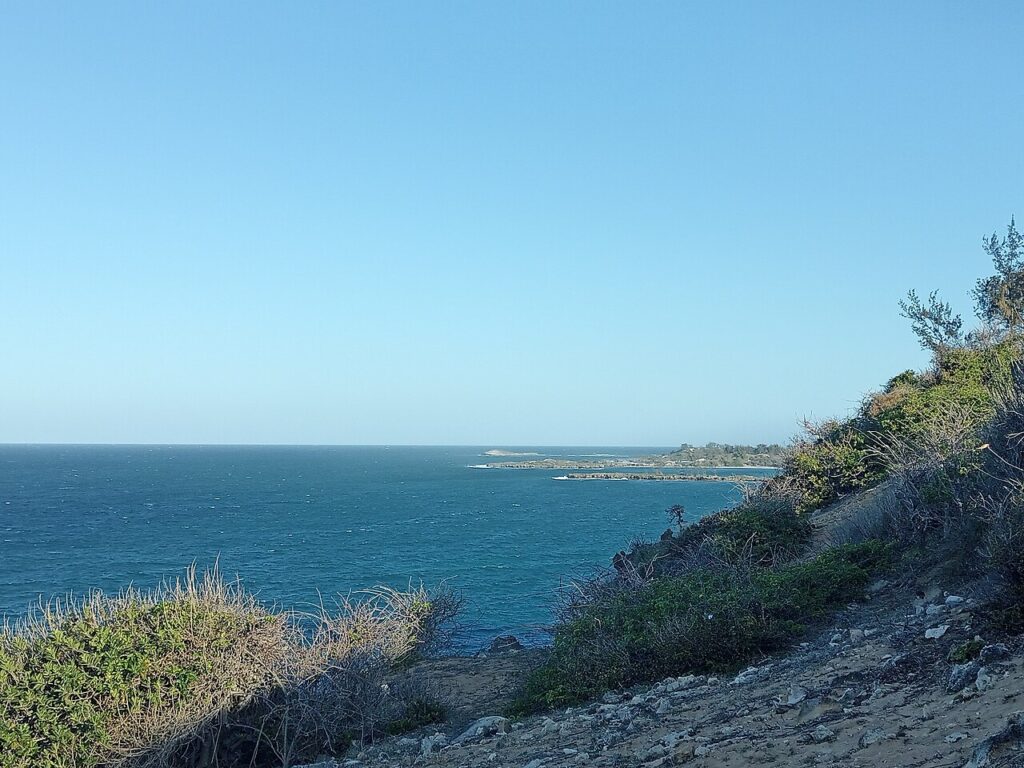
Diego Suarez, Madagascar for Adventurers: 7 Trails, Drops & Reefs That Put the Alps to Shame (2026)
Your fingers grip warm limestone as a gust of wind tears across the bay 200 feet below. The Indian Ocean sprawls out like a blue-green carpet shot through with emerald shallows. You are halfway up a cliff face at dawn, and the only sound besides your own breathing is the distant shriek of a lemur. This is not a simulation. This is Diego Suarez—a place where adventure hits you like a wave and doesn’t let go.
The Main Event: Rock Climbing the Tsingy Walls of Montagne des Français
For sheer adrenaline, nothing in Diego Suarez compares to climbing the limestone buttresses of Montagne des Français, a jagged massif that rises abruptly from the flat landscape just east of town. Your best bet is to start around 6:30 AM, before the sun bakes the rock into a skillet. The approach hike from the trailhead near the village of Andavakoera takes about 35 minutes—you’ll pass baobab trees and the occasional ring-tailed lemur before you reach the base of the wall. The most popular route, Lémurien Blanc (French grade 6a, roughly 5.10a), climbs 18 meters of vertical limestone with pockets, tufas, and a single exposed traverse halfway up. Cost: about 40,000 Ariary (roughly $9 USD) per person for a guide and gear rental from Madagascar Climbing Aventure (WhatsApp: +261 32 05 123 45). Difficulty is moderate to hard—you’ll want prior top-roping experience. Bring chalk, approach shoes, a 50-meter rope if you have one, and two liters of water. Insider tip: the south-facing side stays shaded until 10:00 AM, giving you a solid three-hour window for climbing before the sun forces a retreat. Locals recommend booking a guide the evening before at the Chez Lala café—they know which routes are dry after rain.
Activity #1: Kitesurfing at Ramena Beach
Ramena Beach, a 20-minute taxi from central Diego Suarez (about 15,000 Ariary one way), is the undisputed kitesurfing capital of northern Madagascar. From May through October, the trade winds blow a steady 18–25 knots across the bay, creating flat, clean water that seasoned travelers compare to Tarifa or Cabarete. You’ll want to arrive by 9:00 AM, when the wind is still building but the water is uncrowded. Booking a session with Kite Surf Madagascar (located at the southern end of the beach) costs 60,000 Ariary (about $14 USD) for a full gear rental plus a two-hour lesson if you are a beginner—or 30,000 Ariary for gear-only if you are already certified. The school uses Cabrinha gear and employs IKO-certified instructors. The bay is shallow for hundreds of meters, making it ideal for learning, but the real thrill comes when you ride the swells toward the distant headland, looking back at the volcanic mountains as the sun glints off Antsiranana Bay. Most tourists stick to the first 200 meters of beach; savvy visitors walk 15 minutes south beyond the fishing pirogues to find an even flatter, less crowded “secret” launch spot that locals call La Plage des Pêcheurs.
Activity #2: The Three Bays Circuit – A Full-Day Coastal Epic
If you want to earn your beach time, the Three Bays Circuit is a 16-kilometer coastal hike that moves you from secluded cove to secluded cove along the spine of the peninsula. You should start at Plage des Sables Blancs (White Sands Beach) by 7:00 AM, carrying at least three liters of water, sun protection, and sturdy footwear. The trail is not always marked—you will rely on cairns and local knowledge. The first section climbs a vertiginous ridge that overlooks the turquoise lagoon of Baie des Dunes, where you’ll likely spot flying foxes roosting in the coastal trees. After two hours, you drop into Anse du Lagon, a perfect crescent of white sand where you can swim in water that stays at 27°C year-round. The middle section crosses tidal flats—time this with low tide (ask at your hotel or check the tide tables at Maison de la Mer). The final push to Plage de la Baie des Sakalaves takes you through dry forest where you might glimpse sifaka lemurs. Total time: 6–7 hours if you maintain a steady pace, 8–9 if you stop for photos and swims. Cost: entirely free if you go self-guided, though a local guide from the Association des Guides de Ramena costs 35,000 Ariary and is worth every cent for the insider knowledge of tide schedules and water sources. Do not attempt the circuit during the rainy season (January–March), when the tidal flats become impassable and the ridges turn to slick red mud.

Monument, Diego Suarez, Madagascar
Refuel: Where Adventurers Eat
After a day of climbing or hiking, you will need serious refueling. Chez Lala (corner of Avenue de la Libération and Rue Colbert) is the unanimous favorite among local guides: a no-frills courtyard where you can get a massive romazava—Madagascar’s national beef stew with green leaves and ginger—for 8,000 Ariary ($2 USD). The secret is the ravitoto (pork with cassava leaves) served with rice and a side of achard (spicy pickled vegetables). Cash only, no menu in English—just point and smile. For a post-kitesurf feast, head to Chez Ludo on Ramena Beach, where you can eat grilled savika (local zebu) skewers with coconut rice and a fresh mango-litchi salad for about 15,000 Ariary. Arrive by 7:00 PM to get a table on the sand; after 7:30, the wind dies and the bugs arrive—a fact the regulars know well. If you are craving seafood, Le Bambou Grill (Rue du Commerce, downtown) serves whole grilled fish (catch of the day, usually red snapper or barramundi) with garlic butter and fried plantains for 18,000 Ariary. They open at 11:30 AM for lunch, which is clever—after a morning dive, you can be the first to order before the midday rush. Most travelers overlook this place because its facade is unassuming, but the owner, M. Rakoto, personally smokes the fish over mangrove wood out back—a technique he learned from his father in the 1970s.
Base Camp: Where to Stay
For active travelers, location matters. Hôtel de la Baie (Avenue de la Libération, +261 32 02 123 45) sits a five-minute walk from the climbing outfitters and a 15-minute drive from Ramena Beach. Rooms start at 55,000 Ariary ($13 USD) for a fan-cooled double, and the staff will pack you a breakfast bag (bread, banana, boiled egg, coffee thermos) if you request it by 8:00 PM the night before—essential for early departures. There is a secure room for gear storage (bicycles, kitesurf boards, climbing ropes). If you want to be closer to the water, La Case de l’Oncle on Ramena Beach offers basic bungalows at 75,000 Ariary per night, each with a private hammock and outdoor shower. The owners are kitesurfers themselves and can tell you exactly when the wind will pick up each day—just ask for Jean-Luc. Budget-conscious adventurers will appreciate Chez Moussa (a 20-minute walk from the town center), where dorm beds go for 18,000 Ariary ($4 USD) and the communal kitchen is well-equipped for self-catering. You can book all of these options through Booking.com, but note that availability tightens during the peak July–August season, so reserve two weeks in advance if possible.

Avenue of the Baobabs, Madagascar during day, Diego Suarez, Madagascar
Gear & Prep Checklist
- Lightweight, quick-dry long-sleeve shirt (sun protection and bush-whacking in the Three Bays)
- Good waterproof sandals (Chaco or similar) with ankle support—the tidal flats are sharp with limestone fragments
- Headlamp or small flashlight (essential if your evening trek runs late; there is no artificial light on the trails)
- Minimum 2-liter hydration capacity per person (refill opportunities are scarce—no potable streams on the massif)
- Sunscreen SPF 50+ and a wide-brim hat (the sun at 12° south is brutal, and most trail sections offer zero shade)
Fitness tip: The Three Bays hike requires a baseline level of aerobic fitness—you will climb about 350 meters of elevation change over 16 kilometers. Practice hiking with a loaded daypack on stairs or steep hills for at least two weeks before you go. Safety consideration: The rocks at Montagne des Français are sharp and jagged; never climb without a helmet, even on routes you have top-roped—small rockfall from above is a real risk, especially after the dry season.
Getting There & Around
- Flights: You will fly into Arrachart Airport (DIE), served by Air Madagascar (TS) and Ewa Air from Antananarivo (TNR). The flight takes about 1 hour 45 minutes and costs roughly 150,000–250,000 Ariary one way depending on season. Book at Skyscanner early—seats fill fast during the July–August high season.
- Local Transport: From the airport, a taxi-brousse (shared minibus) into the city center costs 5,000 Ariary per person. To reach Ramena Beach for kitesurfing, catch a collective taxi from Place Foch in the city center—the journey takes 20 minutes and costs 2,000 Ariary per person. For the Three Bays trailhead, hire a private taxi from your hotel (about 25,000 Ariary one way) because the bush taxis do not run a fixed schedule.
- Best Season: May to October offers the best conditions for every adventure activity. The trade winds make kitesurfing reliable, the limestone is dry for climbing, and the trails are firm underfoot. From November to March, the humidity soars and the rains can turn trails into impassable red mud. January is the wettest month.

A group of people walking on a dirt road with tall trees with Avenue of the…, Diego Suarez, Madagascar
Is Diego Suarez, Madagascar Worth It?
Honestly? Yes—if you come for the specific things it does better than anywhere else. Diego Suarez is not a cushy resort destination. You will not find five-star spas or polished tourist infrastructure. What you will find is raw, untamed adventure that few travelers have experienced. Its climbing rivals the limestone of Railay Beach in Thailand but without the crowds—you will often have entire walls to yourself. Its kitesurfing conditions are as consistent as those in Dakhla, Morocco, at a quarter of the cost. But you must be self-sufficient and comfortable with spontaneity; guides may not reply to WhatsApp instantly, and trail markers sometimes disappear. If you are the kind of traveler who loves the feeling of discovering a place before it hits the mainstream—who wants to swim in bays where no other boat is visible and climb cliffs where the only sound is the wind—then Diego Suarez is not just worth it. It is essential. Spend at least six days here. That is the minimum to do the Three Bays circuit, two days of climbing, a day of kitesurfing, and a day of quad biking. Less than that, and you will leave wishing you had stayed longer. Most travelers do.

