
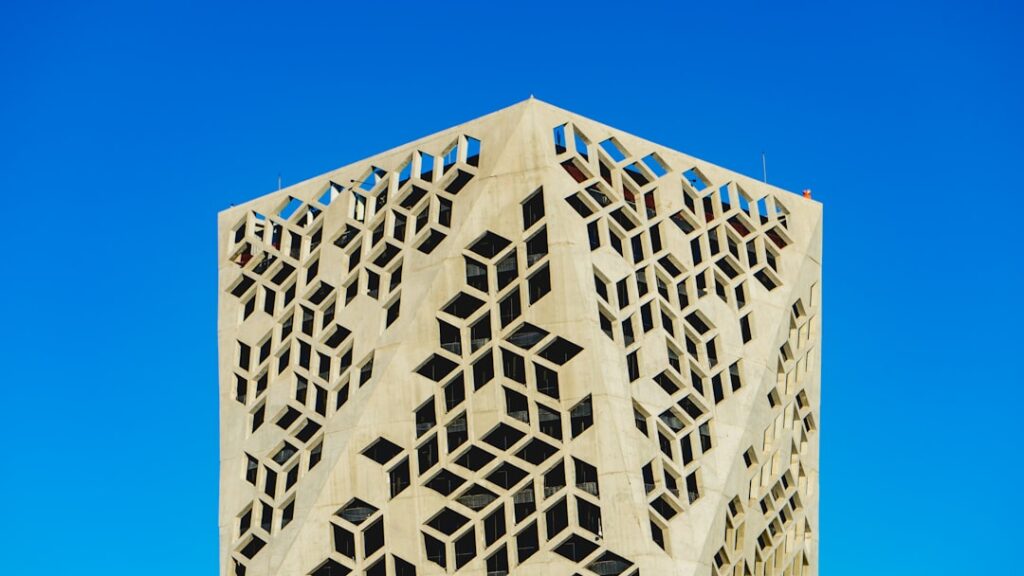
Córdoba, Argentina’s Hidden Mountains, Music & Colonial Majesty (2026)
While crowds flock to Buenos Aires for tango and Mendoza for wine, Córdoba delivers authentic Argentine culture without the tourist premiums. Here, you can sip a world-class Malbec for $4, explore a UNESCO-listed Jesuit Block older than the United States, and hike through the Sierras Chicas mountains—all within a single day. Savvy travelers choose Córdoba for its perfect blend of colonial history, vibrant student energy, and breathtaking natural escapes just beyond the city limits.
Why Córdoba, Argentina Stands Out

Silhouette of flowers during sunset, Córdoba, Argentina
- Historic Architecture: The Manzana Jesuítica (Jesuit Block), founded in 1613, is a UNESCO World Heritage site showcasing one of the earliest university systems in South America.
- Cultural Scene: The city pulses with the energy of over 100,000 university students, fueling a legendary live music and nightlife scene in neighborhoods like Güemes.
- Local Specialties: You must try a hearty locro (a rich stew of corn, beans, and meat), especially during national holidays.
Pro Tip: Visit during the shoulder seasons of March to May or September to November. You’ll avoid the peak summer heat (Dec-Feb) and the winter chill (Jun-Aug), enjoy smaller crowds, and find better accommodation rates, all while experiencing pleasant, sunny days perfect for exploration.
Map of Córdoba, Argentina
Use these interactive maps to explore Córdoba, Argentina and plan your route:
📍 View Córdoba, Argentina on OpenStreetMap
🗺️ Open Córdoba, Argentina in Google Maps
Planning Your Trip: Practical Essentials
Getting There and Around
- By Air: Ingeniero Aeronáutico Ambrosio L.V. Taravella International Airport (COR) is served by domestic flights from Buenos Aires (1.5 hrs) and other major cities. Book flights at Skyscanner for best deals.
- By Train: Long-distance passenger rail is limited; your best bet is the comfortable long-distance bus network. Reserve tickets at Trainline or the national railway website.
- By Car: Renting a car is ideal for exploring the surrounding Sierras. Major routes like RN9 are well-maintained. Compare car rentals at RentalCars.com.
- Local Transport: The city has an extensive bus system (AR$50 per ride). Taxis and ride-shares like Uber are affordable and plentiful for cross-town trips.
Best Time to Visit
Córdoba enjoys a temperate climate with four distinct seasons. The ideal time balances pleasant weather with local festivals.
| Season | Weather | Highlights |
|---|---|---|
| Summer (Dec–Feb) | Warm to hot, 68°F to 88°F (20°C-31°C), frequent afternoon thunderstorms. | Vibrant street life, trips to nearby lakes and rivers, but also peak tourist crowds and heat. |
| Winter (Jun–Aug) | Crisp and dry, 41°F to 66°F (5°C-19°C), chilly nights. | Clear mountain air perfect for hiking, cozy café culture, and lower prices. |
| Shoulder (Mar–May/Sep–Nov) | Mild and sunny, 50°F to 77°F (10°C-25°C), minimal rain. | The sweet spot: perfect weather for city walks and sierra excursions, fewer crowds, and ideal photography light. |
Budgeting for Córdoba, Argentina

People walking on sidewalk near river during daytime, Córdoba, Argentina
| Category | Budget | Mid-range | Luxury |
|---|---|---|---|
| Accommodation | Hostel: AR$15,000-20,000/night | 3-4 star hotel: AR$40,000-70,000/night | 5-star/boutique estancia: AR$100,000+/night |
| Meals | Street food/empanadas: AR$2,000-4,000 | Restaurant meal with drink: AR$8,000-15,000 | Fine dining tasting menu: AR$25,000+ |
| Transport | City bus: AR$50/ride | Taxis/Uber: AR$2,000-4,000 per trip | Private driver for day trips: AR$40,000+ |
| Activities | Free walking tours, plaza visits | Museum entry (AR$2,000), guided tour (AR$10,000) | Private guided sierra tour with lunch (AR$30,000+) |
| Daily Total | AR$25,000-35,000 | AR$60,000-90,000 | AR$150,000+ |
Top Attractions and Must-See Sights
| Attraction | Description | Hours | Entry Fee |
|---|---|---|---|
| Manzana Jesuítica (Jesuit Block) | A stunning UNESCO complex with a church, university, and residences showcasing 17th-century colonial architecture. | Mon-Sat 9am-6pm, Sun 10am-1pm | Free (church); museums ~AR$2,000 |
| Iglesia Catedral (Cathedral) | A magnificent blend of Baroque, Neoclassical, and indigenous details, dominating Plaza San Martín. | Daily 8am-1pm & 4pm-8pm | Free |
| Paseo del Buen Pastor | A beautifully restored former women’s prison, now a vibrant cultural center with cafes, fountains, and art exhibitions. | Center: 24/7; Shops: 10am-10pm | Free to enter |
| Museo de la Memoria | A powerful and moving museum documenting Argentina’s last military dictatorship, housed in a former detention center. | Tue-Fri 10am-5pm, Sat-Sun 10am-2pm | Free (donations appreciated) |
3-Day Itinerary: Córdoba, Argentina’s Highlights & Hidden Gems
Day 1: Colonial Heart & Student Soul
- Morning (9 AM): Start at the heart of it all: Plaza San Martín. Admire the Cabildo (old town hall) and the stunning façade of the Catedral. Then, walk one block to the Manzana Jesuítica. Join the 10:30 AM free walking tour (tip-based) that starts here to get the full historical context.
- Afternoon (1 PM): Head to the bustling Mercado Norte for lunch. Grab a table at El Rincón de los Arrieros inside the market for an authentic and massive bife de chorizo (sirloin steak) for around AR$9,000. After, wander the market stalls.
- Evening (7 PM): Experience the bohemian vibe of Barrio Güemes. Browse independent boutiques and art galleries. For dinner, snag a patio table at El Papagayo (Av. Hipólito Yrigoyen 395) for excellent modern Argentine cuisine. Later, find a peña (folk music club) for live guitar and song.
Day 2: Culture, Views & A Taste of the Sierras
- Morning (10 AM): Visit the evocative Museo de la Memoria (free). Then, walk to the nearby Paseo del Buen Pastor. Time your visit for the noon fountain show if possible. Climb the bell tower of the adjacent Capilla del Buen Pastor for a panoramic city view (small fee).
- Afternoon (2 PM): Take a short taxi (AR$2,500) to the neighborhood of Nueva Córdoba. Have lunch at Almacén de Pizzas, a local institution known for its fugazzeta (onion pizza). Then, stroll through Parque Sarmiento, the city’s largest green space.
- Evening (6 PM): For a taste of the nearby sierras without leaving town, take a 30-minute taxi ride (AR$8,000) to the town of Villa Carlos Paz on the shores of San Roque Lake. Enjoy the sunset over the water and dinner at La Leñera for superb grilled meats before returning to the city.
Day 3: Escape to the Sierras Chicas
- Morning (9 AM): Rent a car or book a guided tour for a day in the Sierras Chicas. Drive 45 minutes northwest to the picturesque town of La Cumbre. Visit the iconic Capilla de San Ignacio and browse its artisan fairs on weekends.
- Afternoon (1 PM): Continue to the even smaller, charming village of La Falda. Have a long, leisurely lunch on the terrace of El Viejo Torino, enjoying regional dishes like goat stew. Explore the ruins of the sprawling Hotel Edén, a famous early 20th-century resort.
- Evening (7 PM): Return to Córdoba. For your final dinner, indulge in a classic parrillada (mixed grill) at the legendary El Candil (Bv. San Juan 136). It’s a no-frills, authentic spot where the focus is squarely on perfectly grilled meat.
Cultural Insights & Etiquette
- Language: Spanish is essential. While some in tourism speak English, learning basics like “Hola“, “Gracias“, and “La cuenta, por favor” (The bill, please) is appreciated.
- Customs: Greetings are important. A handshake is standard, with a single cheek kiss among friends. Dinner starts late, often after 9 PM. Mate (a herbal tea) is a social ritual; never refuse an offer if you want to connect with locals.
- Tipping: A 10% tip is customary in restaurants if service isn’t included. For taxis, rounding up the fare is sufficient.
- Dress Code: Casual but neat. Porteños dress well. For nicer restaurants, smart casual is expected. Pack layers for the variable mountain weather.
- Business Hours: Shops often close for a long siesta from about 1 PM to 5 PM, reopening until 9 PM. Restaurants don’t open for dinner until 8:30 PM at the earliest.
Where to Eat: Córdoba, Argentina’s Best Bites
Córdoba’s food scene is a hearty reflection of its interior location: think robust meats, rich stews, and Italian-inspired classics, all best enjoyed with a glass of local Malbec or a cold Quilmes beer.
Must-Try Local Specialties
- Locro: This thick, hearty stew of white corn, beans, pumpkin, and various meats is Argentina’s national dish, especially beloved on May 25th. Try it at traditional parrillas like El Candil in winter.
- Empanadas Cordobesas: Distinct from other regions, Córdoba’s empanadas often contain a sweeter filling with beef, raisins, olives, and hard-boiled eggs. La Cañada chain is a reliable bet.
- Fernet con Coca: The city’s unofficial drink is a bitter Italian herbal liqueur mixed with Coca-Cola. It’s an acquired taste but a true local ritual, especially among students.
Restaurant Recommendations by Budget
| Type | Restaurant | Specialty | Price Range |
|---|---|---|---|
| Budget | El Rincón de los Arrieros (inside Mercado Norte) | Massive, no-fuss steaks and classic Argentine dishes in a market setting. | AR$7,000-12,000 |
| Mid-range | El Papagayo (Barrio Güemes) | Creative, modern takes on Argentine cuisine in a trendy, leafy patio environment. | AR$12,000-20,000 |
| Fine dining | La Mamma (Nueva Córdoba) | Upscale Italian-Argentine fusion with an excellent wine list and elegant service. | AR$25,000+ |
Where to Stay
Your neighborhood choice defines your Córdoba experience. The city center is best for history, Nueva Córdoba for a youthful vibe, and Barrio Güemes for bohemian charm. Compare prices and book at Booking.com or Airbnb for apartments.
Best Neighborhoods for Accommodation
- Centro (City Center): The historic heart. You’re steps from the main plazas, cathedral, and Jesuit Block. Ideal for first-time visitors who want to walk everywhere. Can be noisy at night.
- Nueva Córdoba: The vibrant student district south of the center. Packed with affordable cafes, bars, and shops. Offers a great mix of hostels, apartments, and mid-range hotels. Lively and energetic.
- Barrio Güemes: The artsy, bohemian quarter. Cobblestone streets lined with antique shops, design stores, and fantastic restaurants. Perfect for travelers seeking character, great dining, and a more local, upscale feel.

A grassy valley surrounded by rocky mountains under a cloudy sky, Córdoba, Argentina
FAQs: Your Córdoba, Argentina Questions Answered
1. Is Córdoba, Argentina safe at night?
Generally, yes, especially in the main tourist and commercial areas like Centro, Güemes, and Nueva Córdoba. As in any city, practice common sense: stick to well-lit, populated streets, be discreet with valuables, and use ride-shares or taxis for longer distances late at night. Avoid isolated areas.
2. What currency is used and are credit cards accepted?
The Argentine Peso (ARS, sign: $ or AR$) is the currency. Credit cards (Visa/Mastercard) are widely accepted in hotels, restaurants, and larger stores. However, due to complex exchange rates, you often get a significantly better value by paying with cash (pesos obtained from ATMs or official exchange houses). Always carry some cash for smaller establishments, markets, and taxis.
3. How do I get from the airport to the city center?
Ingeniero Taravella Airport (COR) is about 10 km north of the city. Your options are: a taxi or remise (official taxi) for a fixed fare of ~AR$12,000 (20-min ride); a bus (Line AEROBUS) for ~AR$1,000 (45-60 mins); or
Related Guides
Explore more destinations similar to Córdoba:
- Mongolia’s Orkhon Valley, Mongolia: Best Nomadic Spirit, Ancient Empires & Epic Landscapes (2026)
- CN Tower, Canada’s Best Sky-High Views, EdgeWalk Thrills & City Panoramas (2026)
- Haapsalu, Estonia’s Best Seaside Serenity, Medieval Mystique & Healing Mud (2026)
- Longyearbyen, Norway’s Best Arctic Wilderness, Polar Bears & Midnight Sun (2026)

