
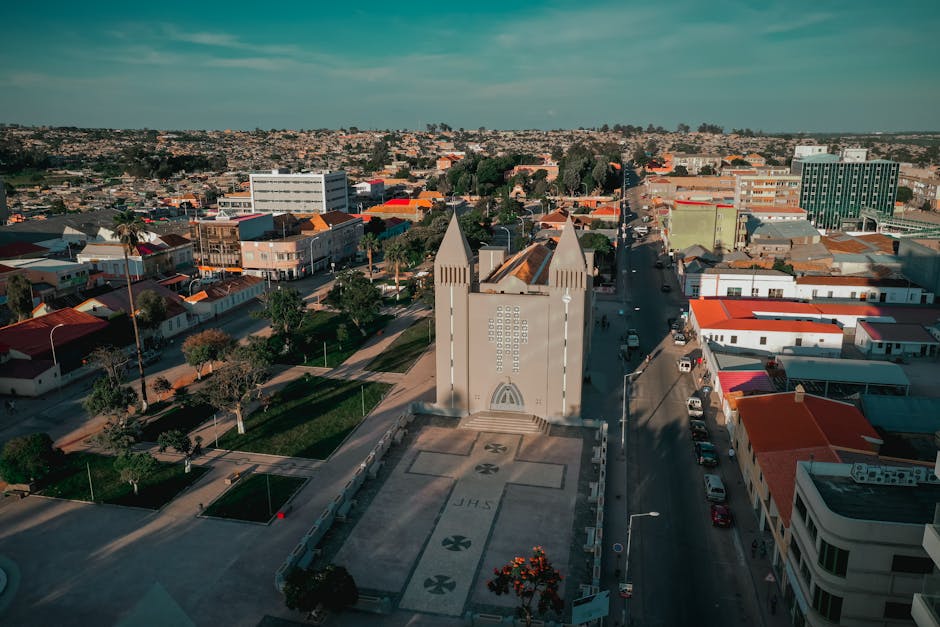
Cafunfo, Angola’s Epic Diamonds, Lunda Culture & Untamed Landscapes (2025)
Ask locals about Cafunfo, Angola, and they’ll tell you about the deep, resonant hum of the Cuango River, a sound that has powered dreams for over a century. Most guidebooks miss this completely, focusing only on its diamond-rich geology. But the reality is a resilient town of 50,000, where the legacy of the Lunda Kingdom and the rhythms of artisanal mining create a raw, authentic narrative you won’t find in polished capital cities. This is Angola’s beating heart, far from the tourist trail.
Why Cafunfo, Angola Stands Out
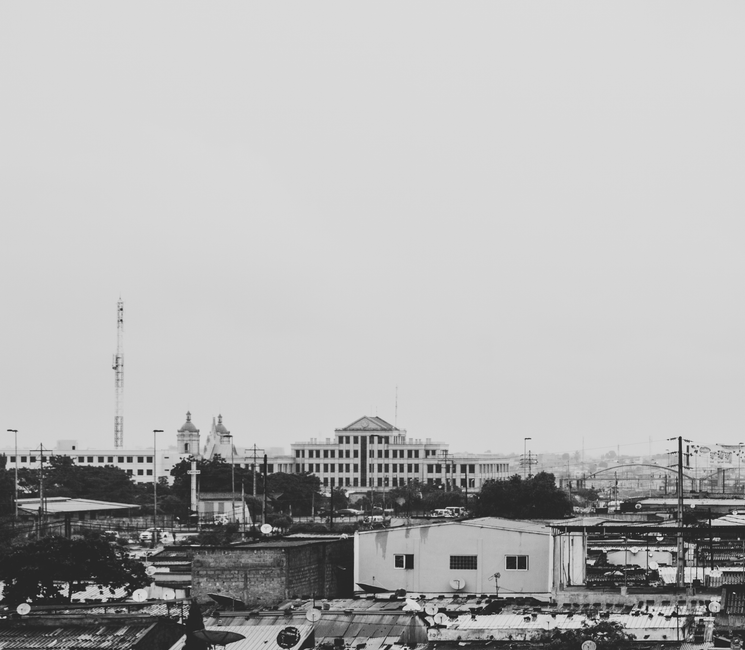
Black and white view of Angola’s urban cityscape with distinctive architecture., Cafunfo, Angola
- Historic Architecture: The faded grandeur of the Portuguese-era administrative buildings from the 1930s, with their colonial arches and cracked facades, tells a story of boom, conflict, and rebirth.
- Cultural Scene: Witness the powerful Mukanda initiation rites of the Lunda-Chokwe people, a profound coming-of-age ceremony steeped in ancestral tradition and masked dance.
- Local Specialties: You must try Muamba de Galinha, a rich, red palm oil chicken stew served with funge (cassava porridge), a staple that fuels the local miners.
Pro Tip: Your best bet is to visit during the dry season, from May to September. Not only are the roads more passable, but you’ll avoid the intense rains that can isolate the town. For a truly unique experience, plan your trip to loosely coincide with local Catholic feast days, which often blend seamlessly with vibrant traditional celebrations.
Map of Cafunfo, Angola
Use these interactive maps to explore Cafunfo, Angola and plan your route:
📍 View Cafunfo, Angola on OpenStreetMap
🗺️ Open Cafunfo, Angola in Google Maps
Planning Your Trip: Practical Essentials
Getting There and Around
- By Air: The nearest major airport is in Luanda (LAD). From there, you’ll need to take a domestic flight to either Saurimo (VHC) or Lucapa. Book flights at Skyscanner for best deals on TAAG Angola Airlines. The final leg to Cafunfo is a 3-4 hour drive on partially paved roads; arrange a 4×4 transfer with your accommodation.
- By Train: There is no direct passenger rail service to Cafunfo. The national railway network is primarily for cargo. Overland travel by road is the standard method.
- By Car: Driving from Luanda is an arduous 700+ km journey only recommended for highly experienced overlanders. The EN-180 and EN-225 roads are challenging. Compare car rentals at RentalCars.com for Luana pick-up, but ensure you rent a robust 4×4.
- Local Transport: Within Cafunfo, you’ll get around on foot or by using motorcycle taxis, known locally as “kupapatas.” A short ride costs around 200-500 Kz (approx. $0.30-$0.80 USD). Always agree on the fare before starting your journey.
Best Time to Visit
Cafunfo has a tropical savanna climate with a distinct wet and dry season. Travelers often discover the dry season offers the only practical window for comfortable exploration and reliable access.
| Season | Weather | Highlights |
|---|---|---|
| Dry Season (May–Sep) | Warm, sunny days (25-30°C / 77-86°F), little to no rain, cooler nights. | Optimal for travel, road access is best, ideal for river visits and outdoor exploration. Peak mining activity visibility. |
| Wet Season (Oct–Apr) | Hot, humid, with heavy daily rainfall (30-35°C / 86-95°F). Roads often become impassable. | Lush, green landscapes. Travel is extremely difficult and not recommended. Some cultural ceremonies occur. |
| Shoulder (Late Apr/Early Oct) | Transitional; can be the start or end of rains, temperatures remain high. | A gamble; you might catch the last/first dry days with fewer visitors (though visitor numbers are always low). |
Budgeting for Cafunfo, Angola
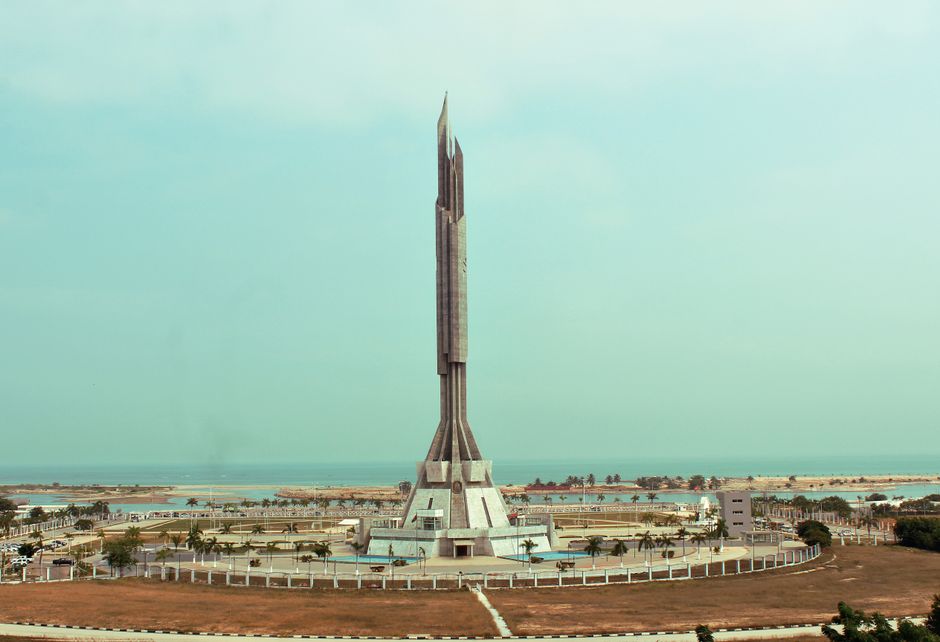
A striking view of the Mausoleum of Neto in Luanda, Cafunfo, Angola
| Category | Budget | Mid-range | Luxury |
|---|---|---|---|
| Accommodation | $30-50/night (basic guesthouse) | $80-120/night (local hotel with AC) | $150+/night (not typically available; this would be a fully serviced private tour) |
| Meals | $5-10/day (street food, local eateries) | $15-25/day (hotel restaurant, nicer town spots) | $50+/day (imported goods, private chef if on tour) |
| Transport | $2-5/day (motorcycle taxis) | $50-100/day (private 4×4 & driver for excursions) | $200+/day (dedicated vehicle & guide) |
| Activities | Free (walking town, market visits) | $20-50 (guided visit to a sanctioned mining co-op, cultural donation) | $100+ (privately arranged cultural experiences) |
| Daily Total | $40-70 | $150-300 | $500+ |
Top Attractions and Must-See Sights
| Attraction | Description | Hours | Entry Fee |
|---|---|---|---|
| The Cuango River Banks | The lifeblood of the region, where you can observe the daily rhythms of life, washing, and small-scale alluvial diamond panning (from a respectful distance). | Daylight hours | Free |
| Cafunfo Central Market | A sensory overload of colors and sounds, offering everything from fresh produce and dried fish to mining tools and local crafts. | 7:00 AM – 5:00 PM | Free |
| Igreja de Nossa Senhora da Conceição | The town’s central Catholic church, a symbol of resilience and community, often hosting services that blend Portuguese and local traditions. | Varies; generally open for mass | Free |
| Lunda-Chokwe Cultural Encounters | Arranged through trusted local guides, these are respectful visits to nearby villages to learn about traditions, crafts, and daily life. | By prior arrangement | ~$20-50 (as a cultural donation) |
3-Day Itinerary: Cafunfo, Angola’s Highlights & Hidden Gems
Day 1: Immersion in Town Life
- Morning (7-9 AM): Start early with a walk along the Cuango River. Watch as the mist clears and the town wakes up. Locals recommend this time for the best light and coolest temperatures.
- Afternoon (12-3 PM): Dive into the bustling Cafunfo Central Market. For lunch, find a small stall serving peixe grelhado (grilled fish) with rice and beans for about 1500 Kz ($2.50).
- Evening (6-8 PM): Enjoy a sundowner at a local bar, then head to Restaurante Oasis for a hearty dinner of Muamba de Galinha (approx. 3000 Kz / $5).
Day 2: Culture & Context
- Morning (8 AM): With a pre-arranged local guide ($40), visit a cooperative mining area to understand the “garimpo” (artisanal mining) process—the economic engine of Cafunfo. Remember, photography is often strictly prohibited.
- Afternoon (1 PM): Have lunch at Pensão Cafunfo. Then, explore the town’s colonial-era architecture, focusing on the old administrative buildings, imagining the diamond rush of the mid-20th century.
- Evening (6 PM): Attend an evening mass at Igreja de Nossa Senhora da Conceição to experience the powerful community spirit, followed by a simple dinner at a quiosque (street kiosk).
Day 3: River & Village Life
- Morning (7:30 AM): Arrange a 4×4 ($60 for half-day) to a designated village on the outskirts. The 45-minute journey reveals the stunning, rugged landscape. Your highlight will be a demonstration of traditional basket weaving or wood carving.
- Afternoon (12:30 PM): Share a communal lunch in the village, likely funge with stewed greens and goat. Be prepared to eat with your hands as is local custom.
- Evening (5 PM): Return to town for your final evening. Savvy visitors know to pick up some local cashews or honey from the market as souvenirs before a farewell dinner.
- Language: Portuguese is the official language. Learning a few phrases in Chokwe or Lunda, like “Moni” (Hello) or “Ukwakujila” (Thank you), will be deeply appreciated.
- Customs: Always greet elders first. Use your right hand for giving and receiving items. Asking direct questions about diamonds or personal wealth is considered rude.
- Tipping: Not widely expected but appreciated for good service. Round up taxi fares or leave 5-10% at sit-down restaurants if service was exceptional.
- Dress Code: Modesty is key. Wear knee-length shorts or trousers and shirts that cover shoulders, especially when visiting villages or religious sites.
- Business Hours: Shops generally open from 8:00 AM to 6:00 PM, with a long break from 12:00 PM to 2:30 PM. Many businesses close on Sundays.
- Muamba de Galinha: The iconic Angolan stew. The red palm oil gives it a distinctive color and flavor, served with funge. Try it at Restaurante Oasis.
- Calulu: Dried fish or meat stewed with tomatoes, onions, okra, and sweet potato leaves. A deliciously complex dish often found at local pensões (guesthouse restaurants).
- Funge: The ubiquitous side of cassava porridge. Its neutral taste is the perfect complement to rich stews. The best is smooth and elastic.
- Town Center: Offers the most convenience, close to restaurants, the market, and transport. It can be noisy. This area suits first-time visitors who want to be in the heart of the action.
- Near the River (Quiet Quarters): A few guesthouses are set slightly back from the main roads. You’ll trade a short walk for more tranquility and a better sense of local residential life. Ideal for travelers seeking a quieter immersion.
Cultural Insights & Etiquette
Where to Eat: Cafunfo, Angola’s Best Bites
Dining in Cafunfo is about substance and flavor over ambiance. You’ll find hearty, calorie-rich meals designed for manual labor, with communal eating being a central part of the culture. Don’t expect a wide variety of international cuisine; the joy is in the local staples.
Must-Try Local Specialties
Restaurant Recommendations by Budget
| Type | Restaurant | Specialty | Price Range |
|---|---|---|---|
| Budget | Market Food Stalls (Central Market) | Fresh, grilled fish and chicken with rice | $2-$4 per meal |
| Mid-range | Restaurante Oasis (Town Center) | Reliable local classics in a simple setting | $5-$8 per meal |
| Fine dining | Pensão Cafunfo Restaurant (Attached to guesthouse) | The most varied menu in town, including Portuguese-influenced dishes | $8-$15 per meal |
Where to Stay
Accommodation in Cafunfo is functional rather than luxurious. Your choice is typically between local guesthouses (pensões) and a couple of basic hotels. The priority is a secure, clean room with mosquito nets and, ideally, a private bathroom and generator-backed power. Compare prices and book at Booking.com for limited listings, or arrange directly via phone—often the only way.
Best Neighborhoods for Accommodation

Stunning drone shot of Luanda’s beachfront showing breakwater and turquoise…, Cafunfo, Angola
FAQs: Your Cafunfo, Angola Questions Answered
1. Is Cafunfo, Angola safe at night?
General personal safety in terms of violent crime is not a major concern for visitors, but standard precautions are essential. Avoid walking alone at night; use a trusted motorcycle taxi even for short distances. The most significant safety issue is the presence of diamond mining security. NEVER wander near mining areas, take photographs of mining activity, or discuss diamonds with strangers. Always follow the advice of your local guide or host.
2. What currency is used and are credit cards accepted?
The Angolan Kwanza (Kz) is the currency. Cash is king in Cafunfo. You must bring enough cash (in clean, newer US dollars or Euros) to exchange locally for your entire stay, as there are no reliable ATMs and credit cards are virtually useless. Exchange money at the informal but trusted exchange points recommended by your hotel.
3. How do I get from the airport to Cafunfo?
There is no airport in Cafunfo. You will fly into Saurimo or Lucapa. You must pre-arrange a private 4×4 transfer with your accommodation or a tour operator for the final 3-4 hour drive. This typically costs between $150-$250 one-way, depending on vehicle and negotiation. Book airport transfers at GetYourGuide for major cities, but for this remote leg, direct local arrangement is your best bet.
4. Do I need to speak the local language?
You can manage with Portuguese, but English is not widely spoken. Learning basic Portuguese phrases for greetings, directions, and ordering food is highly recommended. A phrasebook or translation app will be invaluable. In villages, even a few words in Chokwe will open doors and hearts.
5. What’s the appropriate dress code?
Dress modestly and practically. Lightweight, breathable fabrics that cover knees and shoulders are essential. Sturdy, closed-toe shoes are a must for walking on uneven terrain. Always carry a hat, sunscreen, and a light rain jacket, even in the dry season. When visiting villages or the church, avoid revealing clothing.
Final Thoughts: Cafunfo, Angola Awaits
Cafunfo is not a destination for the casual beach-goer or luxury seeker. It is for the intrepid traveler, the cultural anthropologist at heart, and those seeking a raw, unfiltered understanding of Angola beyond Luanda. You’ll discover a place where history is etched into the landscape and resilience is a way of life. The warmth of its people, the profound cultural traditions, and the dramatic story of its earth offer a travel experience that is challenging, hum
Related Guides
Explore more destinations similar to Cafunfo:
- Louisiana, Liberia’s Hidden History, River Life & Resilient Spirit (2025)
- Kobe, Japan’s Best Beef, Ports & Mountain Vistas (2026)
- Kyrgyzstan’s Ysyk-Köl, Kyrgyzstan: Best Nomadic Spirit, Alpine Lakes & Silk Road History (2026)
- Kankan, Guinea’s Hidden Historic Mosques, Griot Traditions & Riverfront Charm (2025)

