
Cabo Polonio, Uruguay’s Hidden Solitude, Sea Lions & Starlight (2026)
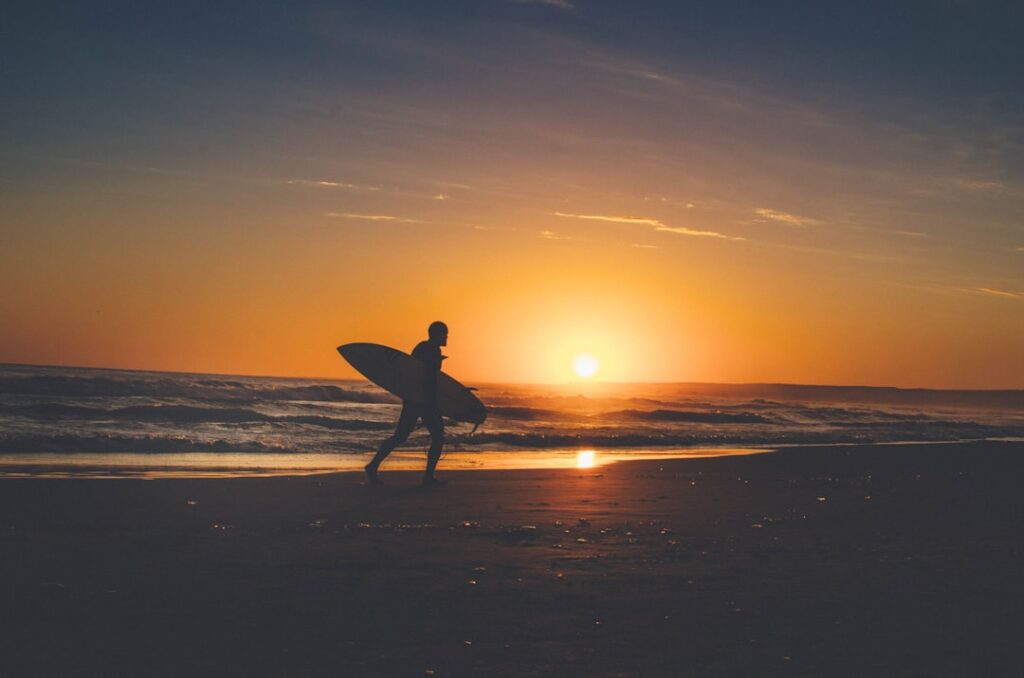
Sunset in Cabo Polonio reveals a world powered by wind and generator, where the Milky Way arcs over a village with no paved roads, no streetlights, and no permanent electricity. The roar of a 3000-strong sea lion colony carries on the salt air, mixing with the scent of woodsmoke from rustic shacks. This is Uruguay’s defiantly off-grid coastal sanctuary, a national park where arriving by 4×4 truck across massive dunes feels less like a commute and more like an expedition into another time.
Why Cabo Polonio, Uruguay Stands Out

Two brown horse and young horse on grass field, Cabo Polonio, Uruguay
- Historic Architecture: The iconic Cabo Polonio Lighthouse, built in 1881 and standing 27 meters tall, is a sentinel of maritime history, offering panoramic views of the dramatic coastline.
- Cultural Scene: The bohemian, transient community of artists and fishermen creates an ever-changing cultural tapestry, best experienced at impromptu drum circles on the beach at sunset.
- Local Specialties: You must try a hearty chivito al plato (a steak sandwich served as a plate) at a rustic parrilla, often cooked over an open fire.
Pro Tip: Visit during the shoulder seasons of March-April or October-November. You’ll avoid the peak summer (December-February) crowds from Montevideo, enjoy milder weather, and have a better chance of securing a unique rental like a refurbished fisherman’s hut. Aim for a weekday arrival for the most serene experience.
Map of Cabo Polonio, Uruguay
Use these interactive maps to explore Cabo Polonio, Uruguay and plan your route:
📍 View Cabo Polonio, Uruguay on OpenStreetMap
🗺️ Open Cabo Polonio, Uruguay in Google Maps
Planning Your Trip: Practical Essentials
Getting There and Around
- By Air: Fly into Capitán de Corbeta Carlos A. Curbelo International Airport (PDP) in Punta del Este, served by LATAM and Aerolíneas Argentinas. From there, it’s a 2.5-hour drive. Book flights at Skyscanner for best deals.
- By Train: Uruguay’s passenger rail network is limited. Your best bet is a bus to the gateway towns of Valizas or La Pedrera. Reserve long-distance bus tickets through companies like COT or Turil at terminal stations.
- By Car: Drive Route 10 along the coast, then park at the official lot at the park entrance (approx. $5 USD/day). The final 7km into the village is via authorized 4×4 trucks only. Compare car rentals at RentalCars.com.
- Local Transport: Your feet and the 4×4 truck shuttles are the only transport. The shuttle from the parking area to the village costs about $8 USD per person each way. There are no roads, just sandy paths.
Best Time to Visit
Cabo Polonio transforms dramatically with the seasons. Summer brings vibrant energy and warmer waters, while winter offers profound solitude and stormy Atlantic drama. The shoulder seasons provide the ideal balance.
| Season | Weather | Highlights |
|---|---|---|
| Summer (Dec–Feb) | Warm, 22-28°C (72-82°F), sunny but windy. | Lively atmosphere, swimming, full community; expect crowds and higher prices. |
| Winter (Jun–Aug) | Cool, 10-15°C (50-59°F), often rainy and stormy. | Extreme solitude, dramatic seascapes, lower prices; many services close. |
| Shoulder (Mar–May & Sep–Nov) | Mild, 15-22°C (59-72°F), pleasant for exploring. | Best balance of good weather, fewer people, and available accommodations. |
Budgeting for Cabo Polonio, Uruguay

The night sky is lit up with stars, Cabo Polonio, Uruguay
| Category | Budget | Mid-range | Luxury |
|---|---|---|---|
| Accommodation | $25-40 USD (camping or dorm in hostel) | $70-120 USD (private cabaña with basic amenities) | $150+ USD (unique, fully-equipped designer hut) |
| Meals | $15 USD (self-catering from small stores) | $25-35 USD (meal at a simple parrilla) | $50+ USD (multi-course dinner with wine) |
| Transport | $16 USD (round-trip 4×4 shuttle) | $16 USD + potential taxi to park entrance | Private 4×4 transfer ($50+) |
| Activities | Free (hiking, beaches, lighthouse exterior) | $3-5 USD (lighthouse entry, guided walk) | $50 USD (private boat tour to see sea lions) |
| Daily Total | $55-75 USD | $110-170 USD | $250+ USD |
Top Attractions and Must-See Sights
| Attraction | Description | Hours | Entry Fee |
|---|---|---|---|
| Cabo Polonio Lighthouse | Climb the 132 steps for breathtaking 360° views of the village, dunes, and rocky islands teeming with sea lions. | 10:00 AM – Sunset (weather dependent) | ~$3 USD |
| Sea Lion Colony (Isla de los Lobos) | Observe one of South America’s largest colonies from the shore—a cacophonous, mesmerizing spectacle of nature. | Always viewable from a distance | Free |
| The Great Dunes | Wander the massive, shifting sand dunes that separate the village from the mainland, offering stunning vistas and solitude. | Always accessible | Free (Part of National Park) |
| Playa de la Calavera (Skull Beach) | A more secluded beach on the northern side, known for its powerful waves and driftwood sculptures. | Always accessible | Free |
3-Day Itinerary: Cabo Polonio, Uruguay’s Highlights & Hidden Gems
Day 1: Arrival & Immersion in Off-Grid Life
- Morning (10 AM): Take the 4×4 shuttle from the park entrance ($8 USD). Feel the adventure begin as you crest the massive dunes for your first view of the village. Check into your cabaña.
- Afternoon (1 PM): Get oriented with a walk along the main sandy path. Have lunch at Lo de Tere, a beloved spot for its simple, massive milanesas and fresh salad.
- Evening (6 PM): Hike to the lighthouse for sunset. Afterwards, join the informal gathering at Bar La Perla for a cold beer and conversation with locals and travelers alike.
Day 2: Wildlife & Wild Beaches
- Morning (8 AM): Walk to the rocky point east of the lighthouse to see (and hear!) the sea lion colony at its most active. Bring binoculars for the best view.
- Afternoon (12 PM): Pack a picnic from the small almacén and hike north to Playa de la Calavera. Spend hours beachcombing and enjoying the powerful Atlantic surf in solitude.
- Evening (7 PM): Enjoy a classic Uruguayan asado at Parrilla María, where the chorizo and beef ribs are cooked over wood coals. Listen for the start of drumming on the main beach afterwards.
Day 3: Dunes, Stargazing & Departure
- Morning (9 AM): Embark on a hike into the heart of the dunes south of the village. The silence and scale are breathtaking. Look for native birdlife like ovenbirds.
- Afternoon (1 PM): A final seafood lunch at El Viejo Lobo, known for its pescado del día (fish of the day). Then, collect your belongings.
- Evening (5 PM): If staying another night, this is prime stargazing time. With virtually no light pollution, the night sky is staggering. Otherwise, catch the last shuttle back to reality, refreshed and recalibrated.
Cultural Insights & Etiquette
- Language: Spanish is essential. Learn basics: “Hola” (Hello), “¿Cuánto cuesta?” (How much?), “Gracias” (Thank you). English is rarely spoken.
- Customs: Life is slow and communal. Greet people you pass. Respect the quiet, natural environment—no loud music. The community is self-regulated and values sustainability.
- Tipping: Not expected but appreciated for good service in restaurants; rounding up the bill or leaving 10% is a kind gesture.
- Dress Code: Utterly casual and practical. Think sturdy sandals, swimwear, layers for wind, a warm fleece for nights, and a reliable headlamp or flashlight (essential after dark).
- Business Hours: Highly flexible and seasonal. In summer, shops and eateries are open longer. In winter, many close. Always carry some cash as card machines rely on generators.
Where to Eat: Cabo Polonio, Uruguay’s Best Bites
Dining here is about hearty, straightforward fuel in a magical setting. Don’t expect gourmet menus; expect generous portions of grilled meat, fresh fish, and pasta, often served in rustic shacks with shared tables.
Must-Try Local Specialties
- Chivito al Plato: Uruguay’s national sandwich deconstructed on a plate: thin steak, ham, cheese, egg, lettuce, tomato, mayo, and olives. Try it at any parrilla.
- Pescado a la Parrilla: Whole fish or fillets, simply grilled over wood fire. El Viejo Lobo is a top spot, depending on the day’s catch.
- Medialunas: Sweet, croissant-like pastries. Grab them in the morning from a small bakery shack with coffee.
Restaurant Recommendations by Budget
| Type | Restaurant | Specialty | Price Range |
|---|---|---|---|
| Budget | Lo de Tere (Central path) | Massive, home-style milanesas and pasta | $8-12 USD |
| Mid-range | Parrilla María (Near the lighthouse path) | Authentic wood-fired asado (mixed grill) | $20-30 USD |
| Fine dining | La Casa de los Peces (Requires booking) | Multi-course seafood tasting menus in an intimate setting | $50+ USD |
Where to Stay
Accommodation ranges from bare-bones hostels to charming, eclectic cabañas. Book well in advance for peak season, and confirm what amenities are included (e.g., cooking gear, bedding, generator hours). Compare prices and book at Booking.com or Airbnb for apartments.
Best Neighborhoods for Accommodation
- Near the Lighthouse: Offers the most dramatic views and proximity to the sea lion colony, but can be windier. Ideal for photographers and solitude-seekers.
- The Village Center (along the main path): Closest to eateries and the shuttle drop-off. Offers more social interaction and convenience, especially after dark.
- The Dune Edge: For true isolation, some rentals sit further out on the dunes. You’ll have unparalleled privacy and starry skies but a longer walk to services.

Brown and white lighthouse during daytime, Cabo Polonio, Uruguay
FAQs: Your Cabo Polonio, Uruguay Questions Answered
1. Is Cabo Polonio, Uruguay safe at night?
Yes, it is remarkably safe. The community is small and close-knit, and there is minimal crime. The primary safety concern is physical: the terrain. Always use a good flashlight or headlamp at night to avoid tripping on uneven paths or in sand. Keep your accommodation locked, as you would anywhere.
2. What currency is used and are credit cards accepted?
The Uruguayan Peso (UYU) is the currency. While some larger establishments may accept credit cards when their generator is running, you must assume cash is king. Bring enough Uruguayan pesos for your entire stay, as there are no ATMs in the village. Get cash in Punta del Este, La Paloma, or Montevideo before arriving.
3. How do I get from the airport to Cabo Polonio?
From Punta del Este Airport (PDP), take a taxi or pre-booked transfer to the Cabo Polonio National Park entrance parking lot (a 2.5-hour drive). From there, you must take the official 4×4 shuttle into the village. For a seamless journey, you can book combined private transfers that include the 4×4 leg through local tour operators on platforms like GetYourGuide for convenience.
4. Do I need to speak the local language?
Basic Spanish is highly recommended and will greatly enhance your experience. English is not widely spoken by shopkeepers or in family-run restaurants. Learning key phrases for food, directions, and prices will help you connect and navigate more easily.
5. What’s the appropriate dress code?
Functional and casual is the only code. Pack for wind, sun, and sand: swimwear, quick-dry shorts/pants, t-shirts, a warm fleece or sweater, a windbreaker/rain jacket, a hat, sunglasses, and sturdy sandals or hiking shoes. A headlamp is non-negotiable for nighttime mobility.
Final Thoughts: Cabo Polonio, Uruguay Awaits
Cabo Polonio is less a checklist of sights and more an experience in sensory recalibration. It asks you to trade convenience for connection—to the rhythms of the ocean, the cycles of daylight, and a simpler pace of life. You won’t find luxury resorts or curated tours here. Instead, you’ll discover the profound quiet of a dune at dawn, the raw spectacle of wild sea lions, and the brilliant tapestry of stars unobscured by artificial light. It’s a destination for the traveler seeking authenticity over amenity. Your best souvenir will be the memory of that first deep, quiet breath of salty air, knowing you’ve found a place that still proudly exists outside the lines. Just remember to pack your flashlight, your sense of adventure, and an open mind.
Related Guides
Explore more destinations similar to Cabo Polonio:
- Hallstatt’s Ultimate Alpine Vistas, Salt Mine History & Lakeside Charm (2025)
- Debrecen, Hungary: Essential Calvinist Heritage, Thermal Waters & Hungarian Plains (2026)
- Vemasse, Timor-Leste’s Best Colonial Echoes, Coastal Serenity & Living Culture (2026)
- Bluefields, Nicaragua: Hidden Caribbean Rhythms, Creole Culture & Coastal Adventure (2025)

