
Bhamo, Myanmar for Adventurers: 7 Trails and River Runs That Put the Alps to Shame (2026)
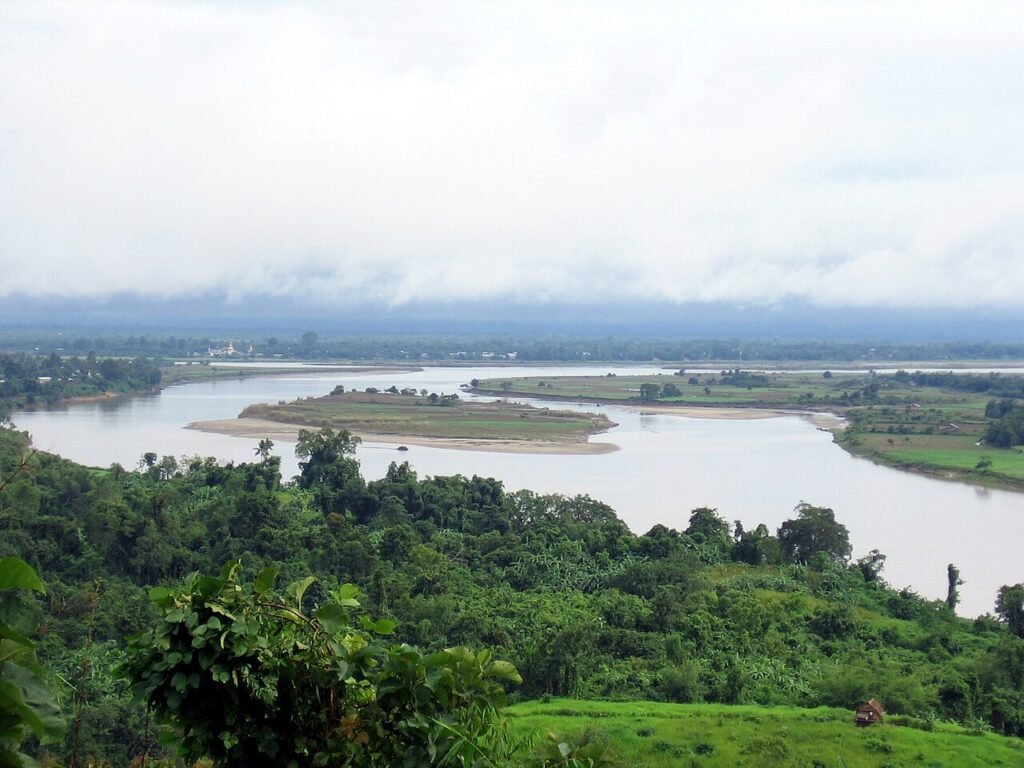
Your boot sinks into the mud as you pull yourself over the final ridge, and then the world opens up: the Irrawaddy River, two kilometers below, coils like a silver serpent through emerald Kachin hills. The air smells of wet earth and wild jasmine. A hornbill explodes from a canopy of teak on your left. Behind you, your guide laughs and points to a remote Kachin village where smoke curls from bamboo-roofed huts. This is Bhamo – a frontier town where adventure isn’t packaged, it’s lived.
The Main Event: Trekking the Kachin Hills
The undisputed king of Bhamo’s activities is a guided trek through the Kachin Hills that ring the city like a fortress of green. You’ll start just after dawn (6:30 AM is perfect – the mist still clings to the river), when the heat hasn’t yet turned the forest into a steam bath. The trek you want is the “Sum-pum Trail,” a 12-mile circuit that locals recommend for its blend of forest, farmland, and breathtaking ridgeline views. You’ll cross three Kachin villages, each with its own wooden church and fields of upland rice, and you’ll earn an 1,800-foot elevation gain over roughly five to six hours of steady, non-technical climbing. Difficulty is moderate – seasoned travelers compare it to a strenuous day in the English Lake District, with more humidity and far fewer map signs.
Your best bet is to book through Bhamo Eco-Trek (look for the blue sign on Bogyoke Road, near the clock tower). The cost is 45,000 kyats (about $22) per person, including a local Kachin guide, all park fees, and a massive lunch of sticky rice, pork curry, and fresh pineapple served in a village elder’s home. The first 30 minutes are the hardest – a relentless switchback through thick bamboo – but you’ll be rewarded with a 360-degree panorama where the Irrawaddy bends north toward China. Insider secret: ask your guide to stop at the “Three Sisters” viewpoint around mid-afternoon. The light hits the river such that it looks like gold leaf, and you’ll likely have the entire slab of rock to yourself. Bring two liters of water, proper hiking boots (trail runners will leave you with blistered toes), and a light rain jacket even in dry season.
Activity #1: Kayaking the Irrawaddy at Dawn
If you want a morning that rewires your soul, paddle the Irrawaddy before the sun fully rises. You’ll meet your instructor, U Tin Maung, at the jetty behind the Shwe Kya Pagoda at 5:30 AM (he’s always there – just wave at the boat with the red stripe). For 35,000 kyats, you get a stable sit-on-top kayak, a life vest, and a two-hour silent glide roughly four kilometers upstream. The river is glassy at that hour, and travelers often discover that the only sounds are the rhythmic dip of your paddle and the calls of kingfishers darting from sandbars. You’ll pass fishing boats with lanterns still burning, water buffalo bathing in the shallows, and the magnificent sight of the Kachin hills black against a pink and coral sky. The current is surprisingly gentle near the shore, so even first-timers feel comfortable. Bring a dry bag for your camera – there’s a 90% chance of splashing. U Tin Maung, a retired river pilot, will point out the exact spot where British explorers anchored in 1837 (look for the old iron ring on a boulder). The secret is to paddle north against the current for 45 minutes, then let the river carry you back – you’ll never miss a train or a bus because you’re already on the water.
Activity #2: Mountain Biking to Manaw Village
After two days of water and hills, crank up the adrenaline with a hair-raising mountain bike descent to Manaw, a Kachin village famous for its master bamboo weavers. Your best bet is to rent a bone-shaking, hardtail Trek from Irrawaddy Explorers (on Strand Road, opposite the old courthouse) for 15,000 kyats per day. The ride starts on sealed road for 20 minutes, heading northeast out of town, then you swing onto a red-earth jeep track that climbs rapidly into rubber plantations. This is hard work – the track is rutted, the heat is oppressive, and you’ll want to push the bike up the steepest sections. But when you crest the plateau after two hours, you’re rewarded with a thrilling 20-minute descent down a technical single-track that locals have nicknamed the “Bone Shaker.” You’ll arrive at Manaw covered in dust, grinning, and ready to collapse. A village guide (always available for a small 2,000 kyat tip) will show you how a family makes those incredible baskets from a single split bamboo section – it’s been the same technique for three centuries. You’ll eat lunch here: a mountain of Kachin-style rice and fermented tea leaf salad (lahpet thoke) that costs just 3,000 kyats. The ride back is a gentler loop through dry forest, finishing around 4 PM. Wear padded shorts, bring a spare tube, and know that the descending is fast – seasoned travelers prefer to walk the first hairpin if they’re not used to loose gravel.

Fishing nets in Ayeyarwady River near Bhamo (Myanmar)., Bhamo, Myanmar
Refuel: Where Adventurers Eat
After a day of exertion, your body needs fuel, and Bhamo delivers – just point at what looks good and smile.
Bhamo Shan Noodle House (No. 42, Merchant Street) is the undisputed local legend. For 2,500 kyats, you get a massive bowl of rice noodles in a rich, turmeric-laced broth, topped with crispy pork cracklings and a handful of fresh coriander. The proprietor, a tiny woman named Daw Kyi, uses a recipe her grandmother perfected in the 1930s. It’s the perfect post-trek recovery food – salty, warm, and impossibly satisfying. Open from 7 AM until they sell out (usually 1 PM).
River View BBQ is your dinner choice after kayaking. Perched on a floating platform near the main jetty, it serves grilled river catfish (6,000 kyats) that you’ll watch being hauled from a basket just minutes before it hits the coals. Locals recommend the “Hills Platter” – skewers of wild boar, chicken, and pork with a spicy tomato-based Kachin dip. The wind-off-the-river cooling your exhausted body, paired with a cold Myanmar Beer (2,000 kyats), is the definition of earned rest. Open 4 PM to late.
For a midday bite between activities, try Green Island Tea Shop on Bogyoke Road. It doesn’t have a menu – just ask for “tea set” and you’ll get a tin of sweet milk tea, a plate of samosas, and a fluffy paratha for 2,000 kyats. This is the unofficial meeting point for local guides; travelers often discover that hanging around here for 20 minutes is the best way to secure a last-minute trek group. And if you crave the secret local breakfast, ask for kha pa – a sticky rice cake with torn pork cracklings – you’ll see it wrapped in banana leaf on the counter.
Base Camp: Where to Stay
Adventurers need a base that doesn’t fight back – a place with good showers, secure storage for your muddy boots and bikes, and staff who understand you need breakfast at 5:45 AM, not 8. Bhamo has three options that fit the bill.
The Irrawaddy River Lodge (Double from $35, Booking.com) is your upmarket choice. Built from reclaimed teak salvaged from an old cargo boat, it sits right on the riverbank, 10 minutes from the kayaking jetty. The rooms are simple but spotless, with high ceilings and mosquito nets. Guests get a dedicated bike rack under cover, a wall of local trekking maps, and a kitchen that will pack you a banana-and-egg sandwich at any hour. If you ask nicely, the manager will organise a laundry drop-off while you’re out – priceless after a muddy descent.
Pioneer Guest House (Room from $12, cash only) is the budget hero. It’s located at 15 Maung Gyi Street, a 20-minute walk from the night market. The plumbing is quirky (don’t be alarmed by the occasional warm-cold shower mix), but the beds are firm, the Wi-Fi works in the ground-floor common room, and the owner, Ko Myint, is a retired trekking guide who will plot your route with surprising precision over a bottle of Shan wine. He’ll also lend you his personal water filter, saving you plastic bottle money.
For those who want to sleep in the hills themselves, Bhamo Eco-Trek Homestay (from $8 per night, book via their main office) places you in a Kachin villager’s home two miles outside town. Expect a bamboo mattress that’s surprisingly comfortable, a squat toilet, and an unforgettable dinner of wild mushrooms and mountain rice. This is not luxury living, but you’ll wake to roosters and mountain mist, and your host will likely teach you a Kachin sword dance after dinner if you show genuine interest. It’s the ultimate way to start your trek early with zero commuting.
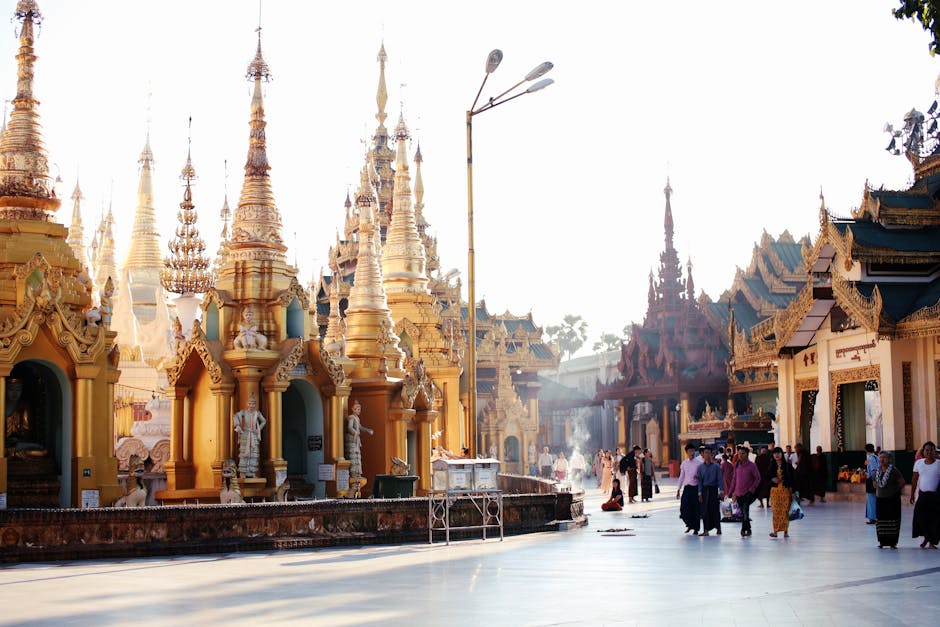
Capture of the iconic Shwedagon Pagoda with visitors, Bhamo, Myanmar
Gear & Prep Checklist
- Waterproof hiking boots with good ankle support – you’ll encounter river crossings, slick clay, and steep scrambles. Trail shoes are not enough.
- Two 1-liter reusable water bottles + electrolyte tablets – the humidity means you sweat twice what you expect. Local drinking water is available, but a filter bottle like a Grayl Geopress saves money and plastic.
- Headlamp with spare batteries – many adventure activities finish after dark, and Bhamo’s streets are dimly lit. For cave or late-night ferry trips, this is non-negotiable.
- A lightweight but warm fleece layer – even in tropical Myanmar, early mornings on the river and high hill ridges can be surprisingly chilly (around 18°C).
- Fitness preparation: be able to walk/cycle for 4 hours without collapsing – the trek has extended climbs, and if you plan to raft the Malika, basic upper-body strength helps. Do shuttle runs and stair climbing for two weeks before you arrive.
- Safety consideration: check the local travel advisory for Kachin State before you go – while Bhamo town and the river areas are stable, the hills can have isolated restrictions. Always walk with a licensed local guide, and never hike alone into the border zones toward China.
Getting There & Around
- Flights: The quickest way to arrive is a 90-minute flight on Myanmar National Airlines from Yangon (RGN) or Mandalay (MDL) to Bhamo Airport (BMO, code is rare – check carefully). Flights operate a few times per week, tickets start at $85 each way. Book early at Skyscanner – the plane is a turboprop, and window seats are spectacular over the Irrawaddy valley.
- Local Transport: Your best bet in town is a motorbike taxi (called “ceiling” in local slang). A ride anywhere costs 1,000 kyats. For activities outside town, you’ll need to hire a shared pickup truck from the Bogyoke Street terminal – expect around 3,000 kyats per person for a trip like Manaw village. For kayaking and trekking pickups, your guide will usually arrange transport (often included in the price). Bargaining is fine, but be friendly – the “smiling face” takes you far.
- Best Season: Aim for November through February, when daytime temperatures hover at a comfortable 28–30°C and humidity is the lowest of the year. The dry-season sun makes rivers clear and trails firm. Avoid March to May (brutal heat) and the monsoon months of June to October, when the river becomes an angry chocolate torrent and trails turn to mud soup.
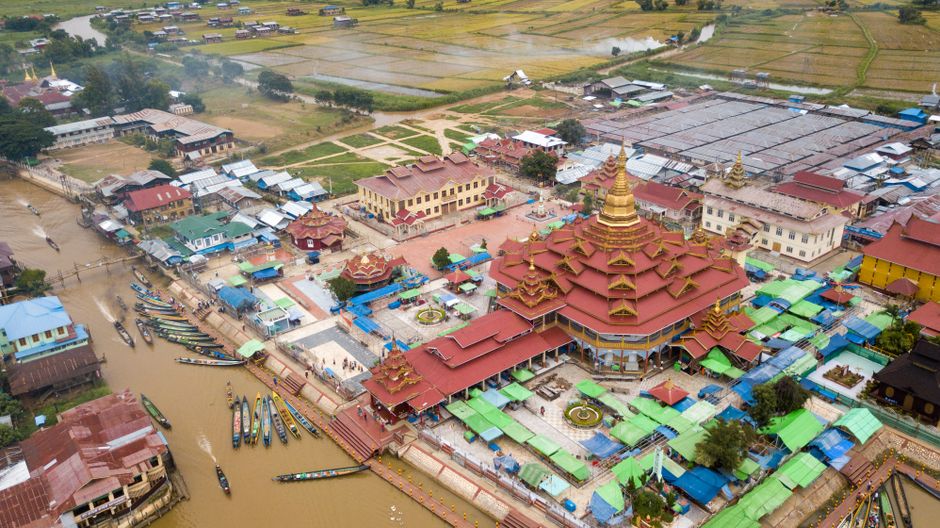
A breathtaking aerial view of Phaung Daw U Pagoda surrounded by lush landsc…, Bhamo, Myanmar
Is Bhamo, Myanmar Worth It?
Honestly? If you’re a traveler who needs organized campsites, cairn-marked trails, and coffee shops at every summit, Bhamo is not for you. Even the most well-run tours here have a scratchy, do-it-yourself feel – you might get rained on, find a road washed out, and fall in love with a village that you can’t find on any map. But if you’re a true adventurer – someone who thrives on the raw, unmanufactured edge of a frontier where the land still dictates the rules – this is your holy grail. Bhamo offers 10% of the crowds but 90%

