
Beyond the Canals: Why Aveiro, Portugal, Seduces Every Traveler Who Ventures North (2026)
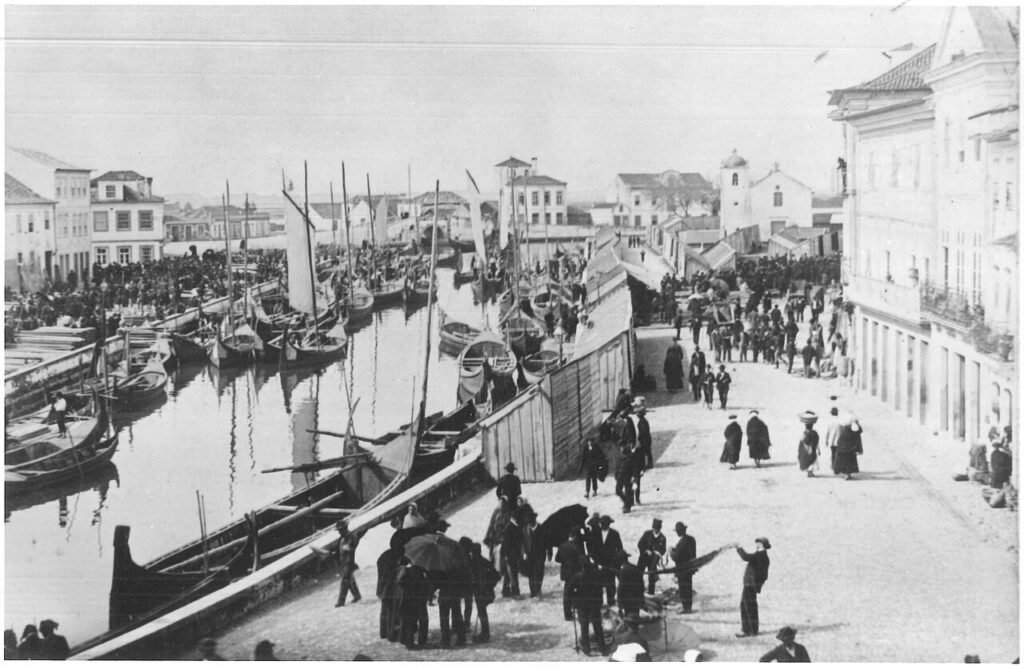
In 1759, a violent storm forced the Barra sandbar to close, choking Aveiro’s vital access to the Atlantic and turning its lagoon into a stagnant swamp. For decades, the “Portuguese Venice” nearly drowned in its own decay, until a daring engineer named José Lúcio do Vabo carved a new inlet in 1808. Today, you can still hear the echo of that breakthrough in the gentle lap of water against the candy-striped moliceiro boats—vessels that once hauled seaweed for fertiliser and now ferry you through a story of resilience.
The closed bar in 1759 nearly doomed the city. Disease from the stagnant waters swept through, and the population halved. Locals tell you that the only thing that kept the spirit alive was the codfish—bacalhau—that could be dried and stored, and the salt that still crystallised in the nearby salterns. When the new inlet reopened the port, Aveiro reinvented itself: first as a centre for shipbuilding, then as a hub for fishing and tourism. Travelers often discover that this history of rebirth is etched into the city’s very layout—each canal, each art nouveau building, each café terrace tells a chapter of survival.
In the 20th century, Aveiro’s economy turned toward tourism, but it never lost its salty, working‑class soul. The University of Aveiro, founded in 1973, injected youth and creativity, and by the 1990s, locals began restoring the grand avenues and lagoon edges. Today, you’ll walk streets that balance cod‑drying racks with contemporary art galleries—a city that has learned to bend without breaking.
Neighborhood by Neighborhood
Beira‑Mar: The Fishermen’s Quarter That Refuses to Be Polished
Step into Beira‑Mar, and you immediately feel the difference. Narrow cobbled lanes twist between whitewashed houses trimmed in bright blue and yellow—colours once meant to ward off evil spirits. The air carries the tang of charcoal grills and the chatter of women scaling fresh sardines at the Mercado do Peixe (Fish Market), open daily from 7 a.m. to 2 p.m. Your best bet is to arrive by 9 a.m., when the catch is still glistening and the local café, O Telhado, serves a plate of grilled cherne (grouper) with a side of caldo verde for only €12. The streets, Rua dos Pescadores and Rua da Liberdade, are lined with tiny tascas where fishermen have eaten for generations—no menus, just the day’s haul. At dusk, the fishermen gather at the quay to mend nets, and you’ll find yourself drawn into a game of dominoes at the Sociedade Recreativa de Beira‑Mar. This is where Aveiro’s old soul still breathes, far from the tourist boats.
Centro Histórico: Art Nouveau and the Sweetest Secret
Cross the canal bridge into the historic centre, and the palette shifts to mustard yellows, sage greens, and the elaborate floral façades of Arte Nova (Portuguese Art Nouveau). The grandest examples line Avenida Dr. Lourenço Peixinho, built after the 1808 inlet re‑opened. Stop at Casa do Maestro (1910), with its ceramic panels of peacocks and poppies—now a museum you can tour for €5. The neighbourhood pulses around Praça da República, where the square’s café terraces overflow with locals sipping cimbalino (coffee) under century‑old plane trees. But the real secret lies in the sweet shops: Ovos Moles à Vista, a bakery on Rua João Mendonça, has been hand‑rolling the city’s iconic ovos moles (egg‑yolk sweets in rice‑paper casings) since 1895. A box of a dozen costs €14, and savvy visitors buy them warm. The narrow alleys behind the cathedral are perfect for getting lost—you’ll stumble upon tiny tile‑covered chapels and workshops crafting the famous moliceiro boat figurines. Plan to spend at least half a day here, just wandering.
Rossio: Where Salt and Youth Collide
South of the canal, Rossio is the modern nerve centre. The vast Praça do Rossio (also called Praça 5 de Outubro) is a traffic‑free rectangle shaded by acacia trees, ringed by gelato shops and bookstores. This is where the university students flock after classes at the nearby campus. On warm evenings, you’ll find them sprawled on the grass, sharing bottles of vinho verde from the nearby Minho region. The neighbourhood’s anchor is the majestic Aveiro Cathedral, originally a Carmelite convent built in 1423, now a museum housing a silver‑gilt altarpiece that took a century to complete. A block away, on Rua do Carmo, the Fábrica da Ciência Viva science centre transforms an old salt warehouse into interactive exhibits—entry €7, and it’s a hit with families. For dinner, locals recommend O Bairro do 8, a taverna on Travessa do Mercado where a plate of arroz de marisco (seafood rice) for two is €35. Rossio is the perfect contrast to Beira‑Mar: young, loud, and tasting of possibilities.
The Local Table: What Denizens Actually Eat
Forget the tourist menus promising “typical Portuguese” dishes. In Aveiro, the table is a geography of the lagoon. The defining ingredient is salt—not just for seasoning, but crystallised into the city’s history. You’ll find it in sal grosso (coarse salt) rubbed into bacalhau that hangs like laundry in market stalls. But the true emblem of Aveiro’s cuisine is caldeirada de enguias, a rich eel stew cooked with tomatoes, onions, and a fistful of coriander—eels are caught in the same lagoon where moliceiro boats once harvested seaweed. The eels are small, sweet, and intensely local; seasoned travelers insist you try them at O Moliceiro, a family restaurant on Rua do Almirante Cândido dos Reis that has served the dish since 1950. A bowl costs €18, and you eat it with crusty corn bread and a robust red from the Bairrada region.

Our Lady of Piety, Aveiro, Portugal
The second pillar is ovos moles, a confection born from convent kitchens where egg yolks were used to starch habits. The nuns discovered that mixing yolks with sugar and shaping them into barrels, fish, or shells created a sweet that could be kept for weeks. Today, every doçaria (sweet shop) claims its recipe is the “original”—but the crowds always queue at Casa dos Ovos Moles on Rua de Dom Jorge de Lencastre, where the 4‑generation owner will explain the art of crimping the rice‑paper edges. Buy a box before you leave, but also eat one fresh: the outside should be barely crisp, the inside a trembling custard. The secret is to pair it with a strong espresso to cut the sweetness.
Finally, you cannot leave without visiting the Saturday morning market at the Mercado Municipal do Peixe (6 a.m. to 2 p.m., only on Saturdays). This is where locals stock up on sardinhas (sardines) for grilling, berbigão (cockles), and the seasonal caranguejo real (king crab). Stand at O Cantinho do Mercado and order a prato do dia (plate of the day) for €9—you’ll be handed a paper plate piled with grilled fish, boiled potatoes, and a drizzle of olive oil. Eat standing at a high counter, sharing a table with fishermen and professors. This is the real Aveiro on a plate.
Art, Music & Nightlife
Aveiro’s creative pulse beats strongest during the Festas de São Mateus, held from mid‑August to early September. This 10‑day celebration fills the Rossio square with live music stages, art installations, and a nightly fireworks show over the lagoon. Traditional rancho folclórico groups perform the vira dance in full costume, while young bands play fado in the open‑air bars. For a quieter taste, head to the Galeria do Lago on Avenida Dr. Assis, a former salt warehouse turned contemporary art space that rotates exhibitions of Portuguese and international artists every six weeks. Admission is free on the first Sunday of each month.

Group of people beside water, Aveiro, Portugal
Come nightfall, the scene shifts to the canal‑side bars of Rua de Almeida Garrett. Pinguim Café is a student‑favourite, serving craft beers from the nearby Cervejaria do Lago (€3 per glass) and hosting acoustic sets on Thursday evenings. A few doors down, Mágico Soul draws a thirty‑something crowd with live jazz and blues on Fridays and Saturdays, starting around 10 p.m. If you prefer a more intimate experience, book a table at Fábrica do Fado on Rua do Lavadouro, where a €25 dinner show includes grilled choco (cuttlefish) and a fado performance by local singer Maria do Rosário—reservations are essential because she performs only twice a week (Wednesdays and Saturdays at 9 p.m.). The songs are mournful and beautiful, and you’ll understand why the Portuguese call it saudade.
Practical Guide
- Getting There: Fly into Porto’s Francisco Sá Carneiro Airport (OPO), served by TAP, Ryanair, and easyJet. From the airport, take the Metro (Line E) to Porto’s São Bento station (30 minutes, €2.50), then board a direct Alfa Pendular train to Aveiro (1 hour, €12–€18 one way). Alternatively, FlixBus offers direct routes from Porto for €5–€10. Book flights at Skyscanner.
- Getting Around: Aveiro is flat and walkable—you can cross the entire historic centre in 25 minutes. For lagoon excursions, take the iconic moliceiro boat tour (€10 per person, 45 minutes) from the Cais das Lavanderias. Buy tickets at the kiosk by the bridge. Bicycles can be rented from Buga (€15/day) on Avenida da Liberdade.
- Where to Stay: For atmosphere, stay in Beira‑Mar at Hotel Aveiro Palace (double rooms from €80/night, including breakfast). For modern comfort and canal views, Melia Ria Hotel & Spa in the Centro Histórico offers doubles from €110/night. Budget travellers prefer Aveiro Hostel on Rua do Mercado (dorm bed from €20). Check Booking.com for rates.
- Best Time: May and June bring warm days (22–25°C) and the blooming of the jacarandá trees that line the canals. September offers the same pleasant climate with fewer crowds. Avoid August if you dislike intense heat and packed squares.
- Budget: Expect to spend about €55–€75 per day per person, including a mid‑range hotel breakfast, a market lunch (€10), a museum entry (€5), a canal tour (€10), and a three‑course dinner with wine (€25). Add €15 for transportation.

People riding on red and blue boat during daytime, Aveiro, Portugal
What Surprises First-Time Visitors
The biggest shock is how *not* like Venice Aveiro actually is. Travelers often arrive expecting a miniature Italian canal city, but the moliceiro boats are painted in vivid stripes of blue, green, and red—each colour signalling a different owner. The canals themselves are narrower and quieter, bordered by low‑rise pastel houses rather than palazzos. You’ll notice there are no gondoliers singing; instead, the boat guides crack jokes in Portuguese and point out the storks nesting on chimney tops. The real magic lies not in the canals but in the lagoon: a 110‑square‑kilometre salt‑water mirror where flamingos and marsh harriers wade at sunset. Hop on a small ferry from the Cais da Fonte to the fishing village of São Jacinto (€2 one way, 20 minutes) and you’ll find empty dunes that stretch for miles.
Another surprise: the profound connection to salt. You might have assumed “salt” is just a condiment, but here it’s a landscape. Just 5 km outside the city, the salterns of Salinas de Aveiro still produce fleur de sel by hand in the traditional method. Visit the Museu do Sal (open Tuesday–Sunday, €5) to see the pyramid‑shaped piles of salt that were once taxed by weight. The local cuisine is built on it—not just for seasoning, but as a preservative that allowed fishermen to travel far. Third‑generation salt‑harvester Rui will tell you that “salt is the blood of Aveiro.” Most tourists overlook this industrial heritage, which makes it all the more rewarding.
Finally, the pace. You’ll likely plan a tight itinerary, but locals move at a lagoon rhythm—slow, steady, and interrupted by long coffee breaks. Do not try to rush from one church to another; instead, join the afternoon ritual of a cimbalino and a pastel de nata at Café Vianna on Praça da República (€2.50 total). The waitress will not hurry you, and the clock on the station tower will seem to slow down. That’s the true Aveiro: not a destination to tick off, but a place where time loosens its grip.
Your Aveiro, Portugal Questions
Is Aveiro worth visiting if I only have a day? Absolutely. The historic centre is compact enough to explore in four to five hours on foot, including a moliceiro boat tour and a visit to the Museu de Aveiro (Princesa Santa Joana). You’ll want to start by 9 a.m. to catch the market

