
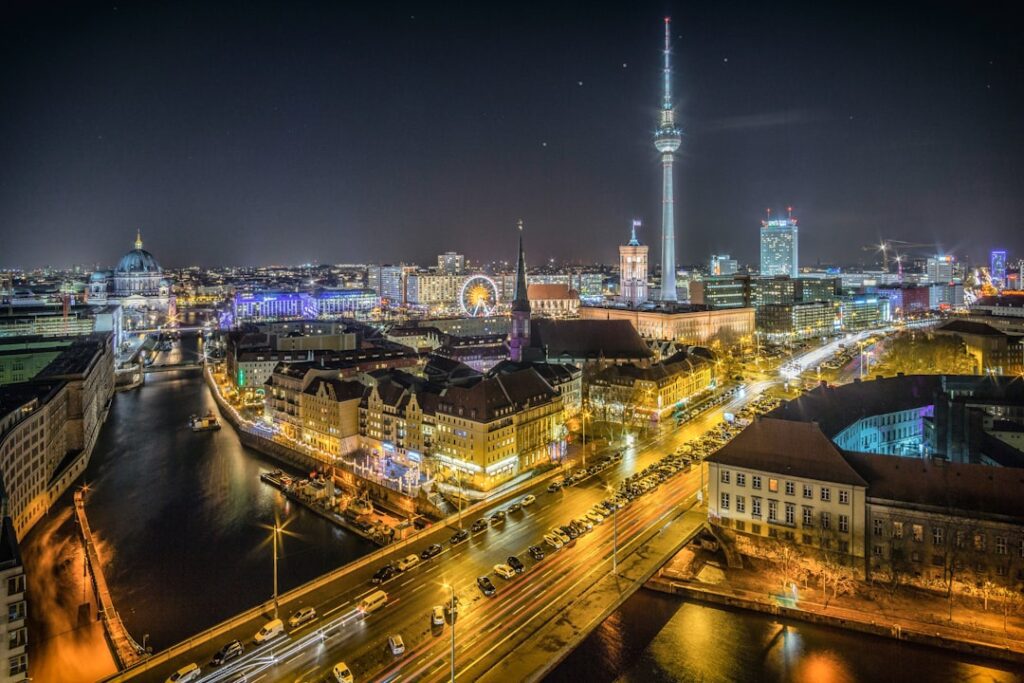
Berlin, Germany’s Incredible History, Art & Unfiltered Energy (2026)
While crowds flock to the manicured perfection of Paris or the classical grandeur of Rome, Berlin delivers a raw, unfiltered energy you can’t find anywhere else in Europe. Here, you’ll walk on cobblestones where history was made just decades ago, then turn a corner into a world-class techno club in a former power plant. This is a city perpetually in flux, where 180 museums sit alongside 1,000+ street art murals, and the past is not just remembered—it’s palpably felt, debated, and built upon every single day.
Why Berlin, Germany Stands Out

Tree near road and pink building, Berlin, Germany
- Historic Architecture: The Reichstag Building, with its iconic glass dome designed by Norman Foster in 1999, symbolizes German transparency and offers a 360-degree view over the reunited city.
- Cultural Scene: The annual Berlin Festival of Lights in October transforms the entire city into an open-air gallery, with stunning light projections on landmarks like the Brandenburg Gate.
- Local Specialties: You must try a Currywurst—steamed then fried pork sausage, sliced and smothered in a spiced ketchup-curry powder sauce, best enjoyed from a street-side Imbiss stand.
Pro Tip: For the best museum experience with minimal crowds, visit Museum Island on a Thursday evening when most museums are open until 8 pm. Locals are often dining out, leaving the galleries surprisingly peaceful.
Map of Berlin, Germany
Use these interactive maps to explore Berlin, Germany and plan your route:
📍 View Berlin, Germany on OpenStreetMap
🗺️ Open Berlin, Germany in Google Maps
Planning Your Trip: Practical Essentials
Getting There and Around
- By Air: Berlin is served by Brandenburg Airport (BER). Major airlines like Lufthansa, easyJet, and Ryanair operate here. The Airport Express (FEX) train gets you to Hauptbahnhof (main station) in 30 minutes for €3.80. Book flights at Skyscanner for best deals.
- By Train: Excellent rail connections via Deutsche Bahn from across Europe. The ICE train from Frankfurt takes about 4 hours. Reserve tickets at Trainline or the national railway website.
- By Car: Driving is efficient but parking in central districts like Mitte or Kreuzberg is expensive and limited. Compare car rentals at RentalCars.com.
- Local Transport: Berlin’s integrated BVG network (U-Bahn, S-Bahn, trams, buses) is superb. A 7-Day Travel Pass (€36) is your best bet for unlimited travel. Always validate paper tickets before boarding.
Best Time to Visit
Berlin shines in different ways each season. Shoulder seasons offer the ideal balance of pleasant weather and manageable crowds, while summer pulses with festival energy and winter transforms the city into a cozy, Christmas market wonderland.
| Season | Weather | Highlights |
|---|---|---|
| Summer (Jun–Aug) | 18–25°C (64–77°F), long days, occasional rain | Open-air cinemas, street festivals, crowded terraces; peak tourist season. |
| Winter (Dec–Feb) | -1–4°C (30–39°F), short days, often gray and cold | Magical Christmas markets (like at Gendarmenmarkt), cozy beer halls, fewer crowds. |
| Shoulder (Apr–May/Sep–Oct) | 10–18°C (50–64°F), mild and changeable | Best for sightseeing, comfortable walking weather, vibrant autumn colors in Tiergarten. |
Budgeting for Berlin, Germany

White and blue concrete building near body of water during daytime, Berlin, Germany
| Category | Budget | Mid-range | Luxury |
|---|---|---|---|
| Accommodation | €50-80 (hostel/private room) | €100-180 (boutique hotel/central Airbnb) | €250+ (5-star like Hotel Adlon) |
| Meals | €15-25 (Imbiss, kebabs, supermarket) | €30-50 (restaurant meal with drink) | €80+ (fine dining at Cookies Cream) |
| Transport | €9.50/day (24-hour BVG ticket) | €20-30/day (supplement with taxis) | €50+ (private driver/tours) |
| Activities | €0-20 (free walking tours, memorials) | €30-50 (museum entry, guided tours) | €75+ (private guides, special exhibitions) |
| Daily Total | €75-135 | €160-280 | €400+ |
Top Attractions and Must-See Sights
| Attraction | Description | Hours | Entry Fee |
|---|---|---|---|
| Brandenburg Gate | The neoclassical symbol of German unity and peace, once part of the Berlin Wall’s “death strip”. | 24/7 (exterior) | Free |
| East Side Gallery | A 1.3 km preserved section of the Berlin Wall featuring iconic murals like “The Fraternal Kiss”. | 24/7 | Free |
| Pergamonmuseum | Home to monumental reconstructed wonders like the Ishtar Gate of Babylon and the Pergamon Altar. | 10 am–6 pm (Thu until 8 pm) | €12 (part of Museum Island pass) |
| Memorial to the Murdered Jews of Europe | A haunting, abstract field of 2,711 concrete stelae designed by Peter Eisenman for contemplation. | 24/7 (Info Centre: 10 am–8 pm) | Free |
3-Day Itinerary: Berlin, Germany’s Highlights & Hidden Gems
Day 1: The Weight of History & Government Quarter
- Morning (7-9 AM): Start at the Reichstag Dome. Book a free timed slot online weeks in advance. The early morning light over the city is spectacular.
- Afternoon (12-3 PM): Walk to the Brandenburg Gate and Memorial to the Murdered Jews of Europe. For lunch, grab a classic Currywurst at Curry 36 on nearby Wilhelmstraße.
- Evening (6-8 PM): Take the S-Bahn to Potsdamer Platz to see modern architecture, then have dinner at Lutter & Wegner for traditional German dishes and excellent Riesling.
Day 2: Art, Culture & Cold War Echoes
- Morning: Explore Museum Island. Focus on the Pergamonmuseum (€12). Savvy visitors know to head straight to the Ishtar Gate to avoid the biggest crowds.
- Afternoon: Cross the river to the raw, artistic heart of Friedrichshain. Walk the East Side Gallery, then have lunch at Scheers Schnitzel for a massive, affordable portion.
- Evening: Experience Berlin’s legendary nightlife. For a more accessible start, try Clärchens Ballhaus, a 1913 dance hall with live music in a hidden courtyard.
Day 3: Kreuzberg Vibes & Prussian Grandeur
- Morning: Take the U1 to Schlesisches Tor in Kreuzberg. Explore the Turkish Market (Tue & Fri) and the street art along the Spree. Visit the Topography of Terror documentation center (free).
- Afternoon: S-Bahn to Charlottenburg for a contrast. Tour Charlottenburg Palace (€12), then have a coffee and cake in the palace café’s garden.
- Evening: Your final dinner should be at Max und Moritz, a century-old brewery restaurant in Kreuzberg with a lively, authentic atmosphere.
Cultural Insights & Etiquette
- Language: German is key. Learn “Guten Tag” (Hello), “Danke” (Thank you), and “Bitte” (Please/You’re welcome). English is widely spoken, but an attempt is appreciated.
- Customs: Punctuality is taken seriously. Recycling is a national passion—separate your trash. Jaywalking (“*Rotgänger*”) is frowned upon.
- Tipping: Round up the bill or add 5-10% for good service. Say the total amount you wish to pay when handing over cash (e.g., for a €18 bill, say “20” and hand over a €20 note).
- Dress Code: Berlin is famously casual and individualistic. “Black” is the unofficial uniform. Dress up for fine dining or opera, but otherwise, comfort reigns.
- Business Hours: Most shops close by 8 pm and are shut on Sundays. Supermarkets in main stations are exceptions. Museums often close on Mondays.
Where to Eat: Berlin, Germany’s Best Bites
Berlin’s food scene is a thrilling mix of down-to-earth German classics and innovative, international fusion. Don’t expect white-tablecloth stuffiness; the best meals are often in buzzing, unpretentious settings.
Must-Try Local Specialties
- Currywurst: The iconic street food. For the classic experience, head to Konnopke’s Imbiss under the U-Bahn tracks at Eberswalder Straße.
- Döner Kebab: Invented in Berlin by Turkish immigrants. Mustafa’s Gemüse Kebap in Kreuzberg is legendary for its veggie-loaded version (expect a queue).
- Eisbein: A hearty boiled pork knuckle, usually served with sauerkraut and mashed peas. Find it at traditional beer halls like Zur Letzten Instanz, Berlin’s oldest restaurant.
Restaurant Recommendations by Budget
| Type | Restaurant | Specialty | Price Range |
|---|---|---|---|
| Budget | Burgermeister (Kreuzberg) | Creative burgers served in a former public toilet under the U-Bahn | €8-12 |
| Mid-range | Katz Orange (Mitte) | “Farm-to-table” German cuisine in a stunning brick-vaulted brewery building | €40-60 |
| Fine dining | Facil (Potsdamer Platz) | Michelin-starred modern European cuisine in a stunning fifth-floor “glass box” | €100+ |
Where to Stay
Your neighborhood choice defines your Berlin experience. Mitte is central for sightseeing, Kreuzberg/Friedrichshain for nightlife and grit, and Charlottenburg/Wilmersdorf for elegant, quieter vibes. Compare prices and book at Booking.com or Airbnb for apartments.
Best Neighborhoods for Accommodation
- Mitte: The historic center. Ideal for first-timers wanting to be near major sights like Museum Island. Can feel touristy and is pricier.
- Kreuzberg/Neukölln: The epicenter of Berlin’s alternative, creative scene. Packed with street art, indie shops, and buzzing bars. Lively, sometimes noisy, and full of character.
- Prenzlauer Berg: A beautifully restored, gentrified area with leafy streets, boutique shops, and family-friendly cafes. Offers a more relaxed, upscale-bohemian feel.

A river running through a city next to a tall building, Berlin, Germany
FAQs: Your Berlin, Germany Questions Answered
1. Is Berlin, Germany safe at night?
Berlin is generally very safe. Standard precautions apply: be aware of your belongings in crowded areas like trains, and some parks are best avoided late at night. The nightlife districts are well-patrolled but stay in well-lit areas.
2. What currency is used and are credit cards accepted?
Germany uses the Euro (€). While cards are increasingly accepted, Germany is still a cash-preference society, especially in smaller restaurants, bars, and shops. Always carry €50-100 in cash.
3. How do I get from the airport to the city center?
From BER Airport, the Airport Express (FEX) or RE7/RB14 trains take 30 mins to Hauptbahnhof for €3.80. Taxis cost €50-60 to Mitte. Book airport transfers at GetYourGuide for convenience.
4. Do I need to speak the local language?
No, but it helps. English is widely spoken in tourist areas, hotels, and restaurants. Learning a few basic German phrases (Danke, Bitte, Entschuldigung/Excuse me) is a sign of respect and will be warmly received.
5. What’s the appropriate dress code?
Berlin is famously casual and individualistic. For most activities, smart-casual or even casual wear is fine. Pack comfortable walking shoes, a jacket for changeable weather, and something all-black if you plan to explore the club scene.
Final Thoughts: Berlin, Germany Awaits
Berlin doesn’t just show you history; it makes you feel its weight and witness its rebirth. It’s a city that challenges and rewards in equal measure, offering profound memorials next to pulsing creative spaces. You’ll leave not just with photos of landmarks, but with a deeper understanding of resilience and reinvention. For one last authentic moment, skip the souvenir shop and buy a piece of the Wall from a certified vendor—a tangible fragment of the history you’ve just walked through. Your journey into the heart of modern Europe starts here.
Related Guides
Explore more destinations similar to Berlin:
- Aore Island, Vanuatu’s Ultimate Secluded Beaches, WWII History & Island Time (2025)
- One World Trade Center, USA: Ultimate Resilience, Skyline Views & American History (2026)
- Tari, Papua New Guinea on a Budget: Cultural Majesty for $40/Day (2026)
- Kobul, Tajikistan (Pamir Highway stop)
{“@context”: “https://schema.org”, “@type”: “FAQPage”, “mainEntity”: [{“@type”: “Question”, “name”: “What is the best time to visit Berlin?”, “acceptedAnswer”: {“@type”: “Answer”, “text”: “The best time to visit Berlin depends on your preferences. Generally, the dry season offers the most pleasant weather for sightseeing and outdoor activities.”}}, {“@type”: “Question”, “name”: “How many days do I need in Berlin?”, “acceptedAnswer”: {“@type”: “Answer”, “text”: “Most travelers spend 3-5 days in Berlin to see the main attractions. A week allows for a more relaxed pace and day trips.”}}, {“@type”: “Question”, “name”: “Is Berlin expensive to visit?”, “acceptedAnswer”: {“@type”: “Answer”, “text”: “Berlin can be visited on various budgets. Accommodation ranges from hostels to luxury hotels, and local restaurants offer affordable dining.”}}]}

