
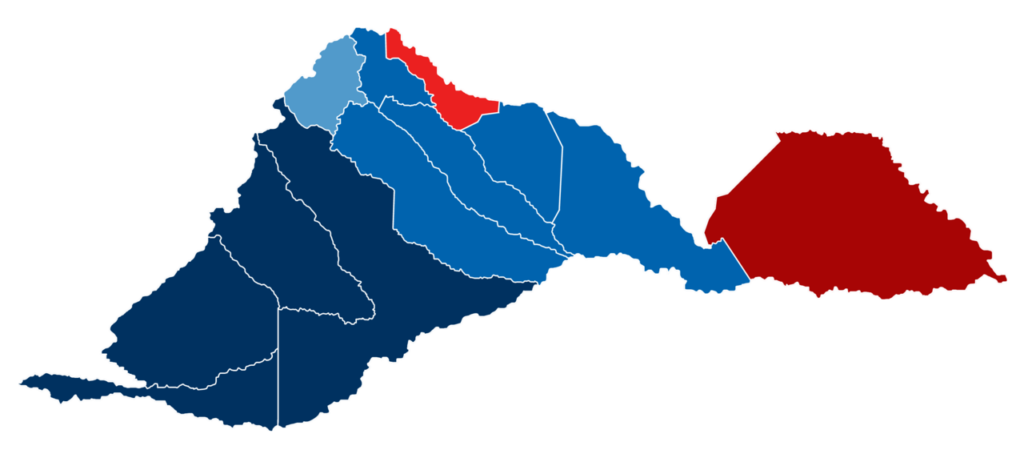
Barinas, Venezuela Weekend: Llanero Homesteads (2026)
You step off the bus at dusk, and the air thickens with the smell of charred beef and wood smoke from a dozen street-side parrillas. The distant twang of a cuatro and the thud of maracas drift from a corner bar. In your hand, a cold papelón con limón sweats against the evening heat. This is Barinas—the llanero heart of Venezuela, where cowboys outnumber cars and the Río Santo Domingo cuts a silver ribbon through the golden plains. You have exactly 48 hours to taste, ride, and dance your way into the soul of the plains.
Quick Facts Before You Go
- Best Months: December to March (dry season). The roads are passable, the sun milder, and you’ll catch the tail end of the Feria de Barinas in late January with bullfights and folk music.
- Currency: Venezuelan bolívar (VES) – but the effective currency is the U.S. dollar. Most businesses, even street vendors, accept dollars at around 1 USD = 35 VES (parallel rate). Bring crisp small bills.
- Language: Spanish. Very few locals speak English. Learn “¿Cuánto cuesta?” and “Gracias.” A translation app is your best friend.
- Budget: $25–40 per day per person if you eat like a llanero and stay mid-range. A full parrilla dinner with drinks runs $10–15; a decent hotel room costs $20–30.
- Getting There: Fly into Barinas Airport (BRM) from Caracas (1 hour, $50–70 one way). Buses from Caracas take 8–10 hours ($15–20). Book flights at Skyscanner.
Day 1: Plaza Life, Market Colors & the Llanero Savanna
The morning sun already glares off the cobbles of Plaza Bolívar when you step out for your first cup of Venezuelan coffee. The air is filled with the screech of parakeets and the rumble of a mototaxi. You feel the slow pulse of a city that wakes late—but once it does, it comes alive with the clatter of market stalls and the sizzle of arepas. Today, you’ll taste the city’s soul on a plate and under a shaded tree.
- Morning (8–11am): Head to the Mercado Municipal de Barinas (Calle 10 with Avenida 23 de Enero). Arrive at 8:30 to avoid the fiercest heat. Wander the labyrinth of stalls selling everything from handmade leather belts (the llaneros’ essential) to fresh catch from the Orinoco basin. Buy a bag of freshly roasted cashews ($1) and a mango on a stick dusted with chili and salt (50 cents). The real prize: a collared shirt of checkered llanero fabric—look for the stall run by Doña Carmen near the meat aisle. Cost: $5–8.
- Lunch: Walk three blocks to El Algarrobo (Carrera 8 #12-45, inside the Mercado de las Flores building). This is where the butchers eat. You order a “pabellón criollo” ($4) – shredded beef, black beans, rice, and fried plantains with a side of queso llanero (a squeaky fresh cheese). The secret? Ask for a “pabellón barinés” – they add a fried egg and a slice of avocado for an extra 50 cents. Wash it down with a papelón con limón (sugarcane drink with lime) for $0.75.
- Afternoon (1–5pm): The heat is punishing, so you retreat to the shaded courtyard of the Museo de los Llanos (Avenida 23 de Enero, near the cathedral). Entry is $1. Inside, the museum tells the story of the llaneros – the cowboys who fought in the independence wars. You’ll see ancient saddles, a preserved jaguar skin, and a room dedicated to the joropo dance. The staff (if you find them) might play a track of harp and maracas. Most tourists miss the museum; you won’t. After, walk two blocks to Parque La Federación, a small hilltop park where locals nap in hammocks strung between trees. The view over the city and the distant Andes is worth the sweat. Stay for the breeze and a fresh coconut water ($0.50) sold by a woman with a wheelbarrow.
- Evening: Dine at Parrilla El Llano (Carrera 6 #14-25). This open-air spot is famous for its “carne en vara” – beef skewers roasted over a wood fire. You choose your cut: lomito ($8) or churrasco ($6). It comes with arepas, grilled onions, and a tangy “salsa de ají” (spicy chili sauce). The atmosphere is pure llanero: checkered tablecloths, a jukebox with joropo and salsa, and the occasional horse clip-clopping by on the cobbled street. Arrive by 7:30 to get a table near the grill. After, wander to Plaza Bolívar at 9pm; often there’s a free concert or dance troupe performing in the gazebo. Grab a beer from the kiosk ($1) and join the locals swaying to the harp’s hypnotic rhythm.

Barinas, Estado Barinas, Venezuela
Day 2: River Ride & Rancho Rhythms
Your second morning dawns with the promise of adventure beyond the city limits. Today, you trade pavement for dirt paths and the rumble of trucks for the soft thud of hooves. Barinas is a gateway to los llanos – the vast savanna – and you’ll get a taste of cowboy life without spending a week on horseback.
- Morning (7–10am): Leave early (6:30am) for the short drive to Hato El Morichal, a working cattle ranch 30 minutes south of town along the Troncal 5. You can arrange a taxi for $10 round trip. The ranch offers a two-hour horseback ride through the grasslands and along the Río Socopó for $15 per person. You’ll see capybaras basking on the banks and maybe a caiman sliding into murky water. Your guide – a llanero in a wide-brimmed hat – will crack jokes in Spanish and point out birds like the scarlet ibis. Return to the ranch house for a breakfast of “arepas de chicharrón” (crispy pork rind arepas) and coffee ($3). Book ahead through your hotel or contact the ranch directly (+58-414-736-2212).
- Midday (11am–1pm): Head back into Barinas and find Doña Cata’s Arepera (Calle 11 #16-32). This no-frills spot does the best arepas in town. The fillings? “Reina pepiada” (shredded chicken with avocado and mayonnaise, $2) or “pelúa” (shredded beef and cheese, $2.50). You order two, plus a “jugo de parchita” (passion fruit juice, $1). Insider tip: avoid the 12:30 lunch rush – locals come in droves for the Friday special of “pabellón en arepa” ($3).
- Afternoon (2–5pm): Take a taxi to the Malecón de Barinas (Río Santo Domingo riverbank). This newly renovated stretch of riverfront is where families come to escape the heat. At 3pm, you can rent a pedal boat ($2 per half hour) and glide past leafy islands where howler monkeys call. On the east bank, find the Mercado Artesanal (open until 5pm). Here, you’ll buy a “ruana” (llanero poncho) handwoven from cotton for $8–12 – a steal compared to Caracas. The vendors are friendly; barter a little, but don’t insult. Savvy visitors know the best buys are the leather “alpargatas” (sandals, $5) and the small harps called “arpas llaneras” (tiny souvenirs for $3).
- Final Evening: For your farewell dinner, go to El Fogón de la Abuela (Carrera 5 #18-22). This is a traditional restaurant set in a restored colonial house with a courtyard full of bougainvillea. You must order the “costilla de res al horno” (oven-roasted beef ribs, $10) – the meat falls off the bone, glazed with a sweet-savory salsa de papelón. Pair it with “yuca frita” (fried cassava) and a glass of “guarapita” (sugarcane liquor with fruit, $2). The owner, Doña María, often emerges from the kitchen to ask if you liked it. Accept the offer of a free “dulce de lechoza” (papaya dessert) – it’s a sign of llanero hospitality. After dinner, walk to La Matica – a peña (folk music club) at Calle 9 #13-20, open Friday and Saturday nights 9pm–2am. No cover. You’ll hear live joropo and see couples dancing the “vals criollo.” The rum is cheap ($1 a glass), and the energy is infectious. Stay until the harp player starts to sweat – that’s when the real magic begins.

Grayscale photo of man in plaid shirt and cap standing in front of wooden panel, Barinas, Venezuela
The Food You Can’t Miss
Barinas isn’t on many foodie maps, but that’s exactly why you’ll discover its raw, honest cuisine. The llanero diet is meat-heavy, rooted in the days of the open range. At the heart of it is the parrilla: wood-grilled beef that ranges from tender “lomito” to the charred, chewy “carne en vara.” You find this everywhere, from street carts near the bus terminal (a skewer of “churrasco” for $2) to sit-down spots like Parrilla El Troncal (on the outskirts, $8 all-you-can-eat Friday nights). Locals recommend the “sangría llanera” – a drink made of red wine, fruit, and a splash of rum – sold at the market for $1 a cup.
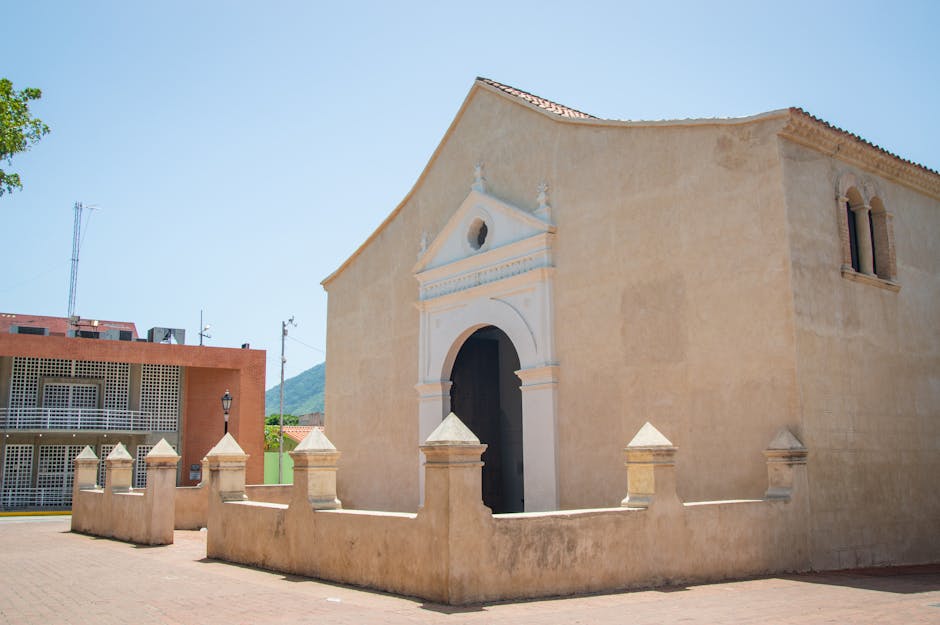
A side view of La Asuncion Cathedral, Barinas, Venezuela
Street food defines the afternoon. Around 4pm, you’ll see women setting up portable grills with “tequeños” – fried cheese sticks wrapped in dough – and “cachapas” – sweet corn pancakes filled with cheese and pork. The best cachapa in town comes from a stall on Avenida Andrés Eloy Blanco, near the university. The woman there, known only as “La Gorda,” will ask if you want “con todo” (with everything: cheese, pork, butter) for $2. Say yes. She’ll also sell you “manzana de agua” (a crisp, red fruit) for 25 cents to cleanse your palate.
For a sweet finale, visit Dulces de la Abuela (Calle 12 #15-30) for “dulce de lechoza” (papaya candy) or “bienmesabe” (coconut cream with rum, $1.50). The shop also sells “guarapo” – a fermented sugarcane drink that’s more like a mild beer. Savvy visitors buy a bottle ($2) to take home as a souvenir – just wrap it well for the flight.
Where to Stay for the Weekend
Barinas doesn’t have a huge range of lodgings, but you’ll find comfortable options that put you close to the action. The best area is Centro, within a few blocks of Plaza Bolívar. Here, the streets are lively, and you can walk to most day 1 activities. Try Hotel Don Pancho (Carrera 7 #15-40) – a clean, no-frills place with air conditioning, a small pool, and a restaurant that serves a decent breakfast (rooms $25–35 per night). For a bit more character, Hotel Barinas (Avenida 23 de Enero #10-15) has colonial-style rooms around a courtyard, plus a rooftop terrace where you can sip coffee at sunrise (rooms $30–40).
If you want a quieter spot, consider staying near El Malecón on the river. Posada Río Santo Domingo (Calle Malecón #1) offers simple cabins with hammocks on the porch, a view of the water, and breakfast included ($20–30). The trade-off: you’ll need a taxi (15 minutes, $3) to reach the central market and restaurants. For backpackers, a few hostels are popping up – check Hostal La Querencia (Calle 10 #14-22) for dorm beds at $8 per night. Book all options via Booking.com or Airbnb.
Before You Go: Practical Tips
- Getting Around: Taxis are the main mode – no meters, so negotiate before getting in. Short rides within Centro cost $1–2; to Malecón or bus terminal $3–5. For the day trip to Hato El Morichal, hire a taxi for $10–15 round trip (waiting included). Buses (“busetas”) cost 25 cents but are crowded and unmarked – not recommended for first-time visitors.</li

