
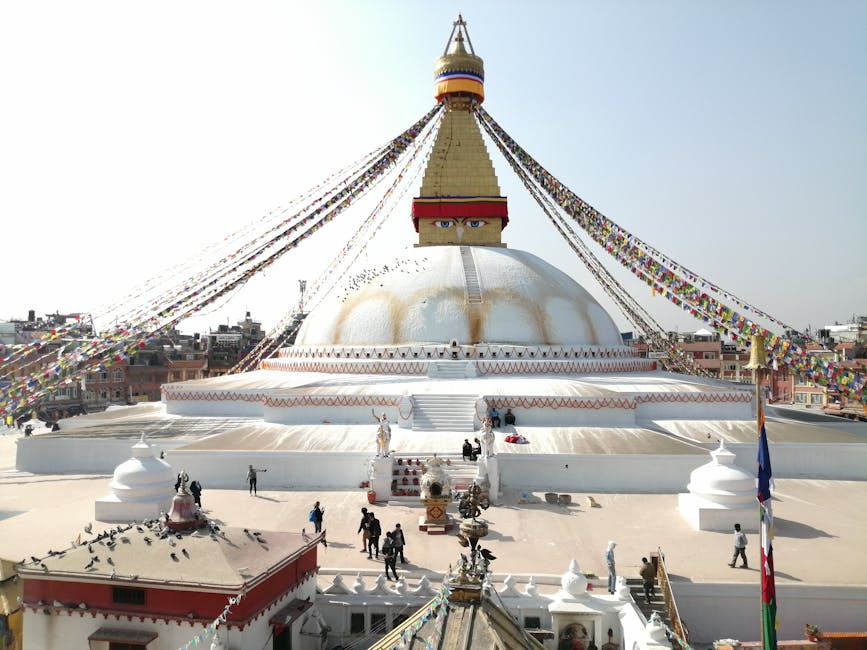
Bardia National Park, Nepal’s Essential Tigers, Wilderness & Tharu Culture (2025)
While over 150,000 visitors a year jostle for a glimpse of a tiger in Chitwan, Bardia National Park, Nepal’s largest and wildest lowland reserve, sees fewer than 5,000. This isn’t a compromise; it’s an upgrade. Here, your jeep won’t be the fifth in line at a sighting. Instead, you’ll track pugmarks on empty riverbanks and hear the jungle’s true, undisturbed symphony, where the chance of a truly solitary, awe-inspiring encounter with a Bengal tiger is not just a dream, but a tangible, thrilling possibility.
Why Bardia National Park, Nepal Stands Out

Travelers trek across a suspension bridge amid lush green terraces in Nepal., Bardia National Park, Nepal
- Historic Architecture: The ancient, 150-year-old Karnali Bridge, a traditional suspension bridge made of iron chains and wood, stands as a testament to local engineering and is a gateway to the park’s western sector.
- Cultural Scene: The vibrant Maghi Festival in January, celebrated by the indigenous Tharu people with traditional dance, music, and feasts, offers a profound cultural immersion just outside the park boundaries.
- Local Specialties: Don’t miss *Dhikri*—a steamed, savory rice flour cake often served with spicy lentil curry or wild boar meat, a staple of Tharu cuisine.
Pro Tip: For the ultimate wildlife experience, plan your visit for the late dry season (late March to early May). While it’s hot, animals congregate around the few remaining water sources like the Babai and Karnali rivers, dramatically increasing your chances of spotting tigers, rhinos, and vast herds of elephants. Avoid the monsoon (June-September) when the park is closed.
Map of Bardia National Park, Nepal
Use these interactive maps to explore Bardia National Park, Nepal and plan your route:
📍 View Bardia National Park, Nepal on OpenStreetMap
🗺️ Open Bardia National Park, Nepal in Google Maps
Planning Your Trip: Practical Essentials
Getting There and Around
- By Air: The nearest airport is in Nepalgunj (NEP), a 1.5-hour drive from the park. Buddha Air and Yeti Airlines operate daily 1-hour flights from Kathmandu. From Nepalgunj, you’ll need a pre-arranged jeep transfer (approx. $40-50). Book flights at Skyscanner for best deals.
- By Train: No direct train service exists in Nepal. The overland journey is by road. International travelers can connect via Indian rail networks to border towns like Rupaidiha, then cross to Nepalgunj.
- By Car/Bus: A long but scenic drive from Kathmandu takes 14-16 hours. Tourist buses run to Nepalgunj (12 hours, ~$15), followed by a local bus or jeep to Thakurdwara (the park’s gateway village). For flexibility, hire a private jeep from Kathmandu (~$250 one way). Compare car rentals at RentalCars.com for Nepalgunj pick-up.
- Local Transport: Within the park, all movement is via guided jeep safaris, elephant-back, or on foot with an armed scout. In Thakurdwara village, you can walk or rent a bicycle to explore local communities.
Best Time to Visit
The ideal visit balances pleasant weather with optimal wildlife viewing. The park’s rhythm is dictated by the monsoon, which transforms the grasslands into an impenetrable, flooded maze. Savvy travelers target the windows when nature is most accessible and active.
| Season | Weather | Highlights |
|---|---|---|
| Summer/Monsoon (Jun–Sep) | Hot, humid, heavy rain (25-35°C). Park is closed from July-September. | Not recommended for travel. Surrounding areas are lush but inaccessible for core wildlife activities. |
| Winter (Oct–Feb) | Pleasant days, cool nights (10-25°C). Morning fog is common. | Excellent birdwatching with migratory species. Comfortable for jungle walks. Clear skies and good visibility. |
| Shoulder/Dry (Mar–May) | Very hot, especially in May (20-38°C). Extremely dry. | Prime tiger and megafauna spotting. Animals cluster at waterholes. Best photographic light. Fewer tourists than Chitwan. |
Budgeting for Bardia National Park, Nepal
Narayanhiti Palace Museum against a bright sky in Kathmandu, Nepal., Bardia National Park, Nepal
| Category | Budget | Mid-range | Luxury |
|---|---|---|---|
| Accommodation | $10-20 (Basic guesthouse in Thakurdwara) | $40-80 (Comfortable lodge with AC & meals) | $150-300+ (All-inclusive safari lodge) |
| Meals | $5-10 (Local Tharu eateries, daal bhaat) | $15-25 (Lodge restaurant meals) | Included in lodge package |
| Transport | $15 (Local bus from Nepalgunj) | $50 (Private jeep transfer from Nepalgunj) | Private charter flight & luxury vehicle included |
| Activities | $30 (Half-day jungle walk) | $80-120 (Full-day jeep safari) | $200+ (Private guided multi-day tracking expedition) |
| Daily Total | $60-80 | $150-250 | $400+ |
Top Attractions and Must-See Sights
| Attraction | Description | Hours | Entry Fee |
|---|---|---|---|
| Jeep Safari in Core Area | The best way to cover vast terrain and search for tigers, elephants, and the rare Gangetic dolphin in the Karnali River. | Dawn (6-10 AM) & Dusk (3-6 PM) | Park Fee: ~$20/day + Jeep/Guide: ~$80-120 |
| Jungle Walk with Armed Scout | An intimate, thrilling way to experience the jungle, tracking animals on foot and learning about smaller flora and fauna. | Morning & Afternoon slots | Park Fee + Scout/Guide: ~$30-50 |
| Tharu Village & Cultural Museum | Visit a local Tharu village to see traditional mud huts and the excellent Tharu Cultural Museum in Thakurdwara. | Museum: 9 AM-5 PM | Museum: ~$2, Village visit often free (tip expected) |
| Elephant Breeding Center | Observe resident elephants and their calves in a conservation setting, a short drive from the park headquarters. | 7 AM – 5 PM | ~$5 |
3-Day Itinerary: Bardia National Park, Nepal’s Highlights & Hidden Gems
Day 1: Arrival & Immersion in the Wild
- Morning (7-9 AM): Arrive at your lodge in Thakurdwara. After a quick refresh, take a guided nature walk around the lodge perimeter. Your naturalist will point out bird species like the Paradise Flycatcher and animal signs, setting the context for your safari.
- Afternoon (12-3 PM): Visit the Tharu Cultural Museum to understand the indigenous people’s deep connection to the forest. For lunch, try the local eatery Tharu Kitchen for an authentic *Dhikri* and chicken curry plate (~$5).
- Evening (6-8 PM): Embark on your first jeep safari into the park’s buffer zone for a sunset drive. Return for a communal dinner at your lodge, sharing stories with other travelers under the stars.
Day 2: The Deep Jungle & Tiger Tracking
- Morning (5:30-10 AM): Pre-dawn full-day jeep safari into the core area ($100-120). With packed breakfast, head to the Babai River basin, a prime tiger habitat. The early light is magical, and the chance of spotting a tiger near a waterhole is highest.
- Afternoon (12-3 PM): Enjoy a picnic lunch by the river. Continue the safari, looking for rhinos, wild elephants, and deer species like the spotted chital. Your guide will teach you to read the jungle’s signs—alarm calls, fresh scat, and pugmarks.
- Evening (6-8 PM): Back at the lodge, unwind. Opt for a visit to a nearby Tharu village for a traditional Stick Dance performance (arranged by lodges, ~$10 per person).
Day 3: River, Conservation & Departure
- Morning (7-10 AM): Take a guided canoe trip on the Geruwa River (a branch of the Karnali), a serene activity perfect for birdwatching and looking for gharials and dolphins (~$40). It’s a peaceful contrast to the jeep safari.
- Afternoon (12-3 PM): Visit the Elephant Breeding Center. Afterwards, have a farewell lunch at Bardia Wildlife Resort, enjoying their excellent Tharu thali. Pack and prepare for your transfer.
- Evening: Depart for Nepalgunj airport or begin your overland journey back to Kathmandu, filled with memories of one of Asia’s last great wildernesses.
Cultural Insights & Etiquette
- Language: Nepali is the national language, but Tharu languages are spoken locally. Useful phrases: “Namaste” (Hello), “Dhanyabaad” (Thank you), “Ramro” (Good). Most guides and lodge staff speak good English.
- Customs: Always receive items with your right hand. Remove shoes before entering homes or temple rooms. The head is considered sacred—avoid touching anyone’s head, even children.
- Tipping: Tipping is appreciated. For guides/scouts, consider 10-15% of the activity cost. For lodge staff, a collective tip at the end of your stay is customary.
- Dress Code: Modest, comfortable clothing is key. For jungle activities, wear muted colors (khaki, green, brown). Avoid bright reds, whites, or blues. Women should consider covering shoulders and knees in villages.
- Business Hours: Government offices open 10 AM-5 PM, Sunday-Friday. Shops have longer hours. The park has strict entry/exit times for all activities.
Where to Eat: Bardia National Park, Nepal’s Best Bites
Dining in Bardia revolves around your lodge. Most visitors are on full-board packages. However, venturing into Thakurdwara village offers authentic, budget-friendly Tharu cuisine. The food is hearty, often centered around rice, lentils, and locally foraged greens or game meat (where legally permitted).
Must-Try Local Specialties
- Dhikri with Ghonghi Curry: Steamed rice cakes served with a spicy curry made from freshwater snails, a Tharu delicacy. Best tried at a local homestay or Tharu Kitchen in the village.
- Bhatmas Sadheko: A spicy, marinated soybean salad, often served as a beer snack. A flavorful vegetarian option found in most lodge menus.
- Wild Boar Curry (Bandel Ko Masu): A rich, gamey curry, traditionally cooked with local spices. Ensure the meat is sourced legally and sustainably; reputable lodges will know.
Restaurant Recommendations by Budget
| Type | Restaurant | Specialty | Price Range |
|---|---|---|---|
| Budget | Tharu Kitchen (Thakurdwara) | Authentic, no-frills Tharu thali sets | $3-7 per meal |
| Mid-range | Bardia Wildlife Resort Restaurant | Western/Nepali fusion, great curries and pasta | $8-15 per meal |
| Fine dining | Tiger Tops Karnali Lodge Dining | Multi-course gourmet meals with local ingredients, served in an elegant setting | Included in stay ($300+/night) |
Where to Stay
Accommodation is clustered in Thakurdwara, the park’s gateway. Choices range from basic homestays to internationally renowned eco-lodges. Most operate on full-board packages including meals and safari arrangements, which is highly recommended for seamless logistics. Compare prices and book at Booking.com or Airbnb for local homestays.
Best Neighborhoods for Accommodation
- Thakurdwara Village: The main hub, walking distance to the park gate. Offers all budget ranges, eateries, and the cultural museum. Perfect for independent travelers and those on a budget. It can be dusty and basic.
- Riverside Lodges (Geruwa/Karnali): Lodges situated along the river, a short drive from the gate. Offer serene settings, beautiful views, and direct access for canoeing. Suits mid-range to luxury travelers seeking tranquility.
- Remote Bush Camps: For the ultimate wilderness experience, a few operators run seasonal tented camps inside the buffer zone. You’ll fall asleep to the sounds of the jungle. This is for adventurous luxury seekers and requires booking well in advance.

Intricate stone statues illuminated by twilight at Bhaktapur Durbar Square …, Bardia National Park, Nepal
FAQs: Your Bardia National Park, Nepal Questions Answered
1. Is Bardia National Park, Nepal safe at night?
Within your lodge compound, yes. However, the jungle is active at night, and it is strictly forbidden to wander outside after dark. Always listen to your guide’s instructions. In Thakurdwara village, it’s generally safe but poorly lit; use a flashlight and common sense.
2. What currency is used and are credit cards accepted?
The Nepalese Rupee (NPR) is the currency. Carry ample cash (rupees) as credit cards are only accepted at a few top-end lodges. ATMs are scarce and unreliable in Nepalgunj and non-existent in Thakurdwara. Exchange money in Kathmandu or at Nepalgunj airport.
3. How do I get from the airport to the park?
From Nepalgunj Airport (NEP), it’s a 90-minute drive (approx. 60 km). Your best bet is to have a transfer pre-arranged by your lodge ($40-50). Taxis are available but negotiation is required. Shared jeeps are cheaper but unpredictable. Book reliable airport transfers at GetYourGuide for convenience.
4. Do I need to speak the local language?
Not for a safari. All reputable guides speak excellent English. Learning a few Nepali phrases is a respectful gesture that will be warmly appreciated by locals, but it’s not necessary for logistics or safety.
5. What’s the appropriate dress code?
For safaris: durable,
{“@context”: “https://schema.org”, “@type”: “FAQPage”, “mainEntity”: [{“@type”: “Question”, “name”: “What is the best time to visit Bardia National Park?”, “acceptedAnswer”: {“@type”: “Answer”, “text”: “The best time to visit Bardia National Park depends on your preferences. Generally, the dry season offers the most pleasant weather for sightseeing and outdoor activities.”}}, {“@type”: “Question”, “name”: “How many days do I need in Bardia National Park?”, “acceptedAnswer”: {“@type”: “Answer”, “text”: “Most travelers spend 3-5 days in Bardia National Park to see the main attractions. A week allows for a more relaxed pace and day trips.”}}, {“@type”: “Question”, “name”: “Is Bardia National Park expensive to visit?”, “acceptedAnswer”: {“@type”: “Answer”, “text”: “Bardia National Park can be visited on various budgets. Accommodation ranges from hostels to luxury hotels, and local restaurants offer affordable dining.”}}]}
Related Guides
Explore more destinations similar to Bardia National Park:

