
Babak, Iran for Adventurers: 7 Trails That Put the Alps to Shame (2026)
Your boots scrape against loose scree at 2,600 meters, the wind whipping your jacket as you grip the iron handrail carved into the cliffside. Below, the Arasbaran forest stretches like a green ocean, and above, the crumbling ramparts of Babak Fort loom against a piercing blue sky. Your heart pounds—not from fear, but from the raw, unfiltered thrill of standing where Persian rebels once defied an empire. This is Babak, Iran, and it does not merely offer adventure; it demands it.
The Main Event: Summiting Babak Fort via the Western Ridge Trail
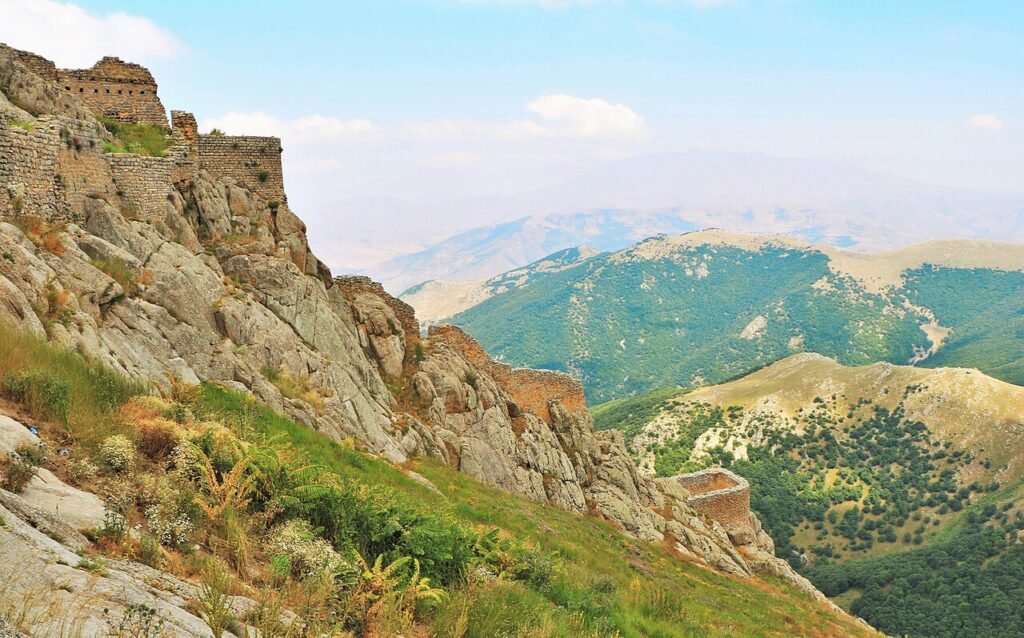
The undisputed king of adventures here is the Western Ridge Trail ascent to Babak Fort, a 9th-century mountain fortress that became the last stronghold of the Persian rebel leader Babak Khorramdin. You will start your climb from the village of Kaleybar, about 60 kilometers north of Ahar, at an elevation of 1,700 meters. The trail gains nearly 900 meters over 4.5 kilometers, making it a strenuous but non-technical hike that takes most adventurers between 2.5 and 3.5 hours one way. Begin no later than 7:00 AM—the summer sun turns the exposed upper ridge into a furnace after 11:00 AM. The cost is zero for the trail itself, though you will want to hire a local guide from the Kaleybar tourism office for around 800,000 IRR (about $5 USD). Bring at least 2 liters of water per person, a windproof jacket, and sturdy hiking boots with aggressive tread. The trick most tourists overlook: start your descent by 1:00 PM to avoid the afternoon thunderstorms that roll in from the Caspian Sea during late spring and early autumn.
The path begins gently through walnut orchards and oak groves, where locals still harvest wild pears and medlars in late September. After about 45 minutes, you hit the first switchbacks. Travelers often discover that the middle section—a steep, zigzagging climb through thorny scrub—is the most punishing, but it is also where you will spot the golden eagles that nest on the cliffs above. The final 400 meters require scrambling over loose rock and using the aforementioned iron handrail, installed by the Iranian Cultural Heritage Organization in 2012. When you finally step onto the fortress plateau at 2,350 meters, the view alone is worth every drop of sweat: the Aras River valley unfurls north toward Azerbaijan, and on clear days, you can see the snowcaps of the Talysh Mountains. The fort itself—with its original stone walls, cisterns, and a small museum displaying 9th-century pottery—is open to visitors year-round, though the caretaker (who lives in a stone hut on the plateau) will unlock the gate for you if you arrive between 8:00 AM and 5:00 PM.
Activity #1: Arasbaran Forest Multi-Day Trekking
If you have more than a single day, the Arasbaran Forest—a UNESCO-listed biosphere reserve—offers some of the most underrated multi-day trekking in the Middle East. You will find the best routes start from the village of Asheqlu, 25 kilometers southeast of Kaleybar, and wind through dense oak-hornbeam forests, past abandoned stone villages, and along crystal-clear streams that feed the Aras River. A popular two-day itinerary covers 20 kilometers of moderate terrain, culminating at a shepherd’s hut called “Darband-e Aras” at 1,900 meters. Your best bet is to book with Visit Iran’s local trekking operators, who offer guided trips for $50–$80 per day, including a tent, meals, and a mule for your gear. The ideal season is late April through early October, though May and June bring carpets of wild irises and poppies. Most tourists overlook this forest because they rush straight to the fort, but savvy visitors know the real magic is in the silence of the oak groves where you can hear the Persian fallow deer moving through the underbrush. Local guides recommend bringing a portable water filter—the streams are clean but a precaution never hurts—and a lightweight sleeping bag rated to 5°C, as nights at altitude can drop to 8°C even in summer.
Activity #2: River Rafting on the Aras River

This is a photo of a monument in Iran identified by the ID, Babak, Iran
For a completely different gear shift, you can trade altitude for adrenaline on the Aras River, which forms Iran’s northern border with Azerbaijan. The most reliable outfitter is Iran Rafting Company, which runs half-day trips (3–4 hours) on Class II and III rapids between the Khoda Afarin Dam and the village of Aslanduz, about 90 kilometers north of Kaleybar. The cost is $30 per person, including a wetsuit, life jacket, helmet, and a simple lunch of flatbread, cheese, and fresh herbs. You will need to arrive at the put-in point by 9:00 AM; the current is strongest in the morning after dam releases. The scenery is starkly beautiful—the river cuts through a canyon of rust-colored sandstone cliffs where you can spot wild goats on the ledges and, if you are lucky, the rare Persian leopard. Travelers often discover that the best time for rafting is May and June, when snowmelt from the Sahand and Sabalan mountains swells the river. The trip ends at a sandy beach near Aslanduz, where a van will take you back to your car. Local tip: wear quick-dry shorts over your swimsuit—the sun is strong on the water, and the wetsuit can feel warm after an hour of paddling.
Refuel: Where Adventurers Eat
After a day on the trail or the river, you will need serious fuel. Start at Bagh-e Sabz Restaurant in Kaleybar (follow the main road north from the bazaar, it’s on your right with a green awning). Locals recommend their dizi (a lamb and chickpea stew slow-cooked for hours) for 200,000 IRR—about $1.50—along with fresh bread baked in a tandoor oven right on the patio. The meal is heavy, salty, and exactly what you need after losing liters of sweat on the mountain. For something lighter, head to Cafe Aras in Ahar (35 kilometers south), where the owner, Reza, makes a mean kookoo sabzi (herb frittata) with eggs from his own chickens. A plate with bread and yogurt runs 150,000 IRR, and you will find travelers swapping stories over tea with rock sugar on the terrace. Finally, Shahryar Kabab in Tabriz (a 90-minute drive from Kaleybar) is worth the detour for their chelo kabab barg—marinated lamb fillets grilled over charcoal, served with fluffy saffron rice. A full meal costs 300,000 IRR, and the owner, a former climber named Fardin, always has a recommendation for lesser-known routes in the region. Do not leave without trying their doogh (yogurt drink) with mint and black pepper—it is the perfect palate cleanser after the rich lamb.
Base Camp: Where to Stay

Man in white dress shirt sitting on brown wooden chair, Babak, Iran
For adventure travelers, proximity to the trails matters more than luxury. Babak Fort Eco-Lodge (booking available via Booking.com) sits 2 kilometers from the trailhead in Kaleybar and offers basic but clean rooms with shared bathrooms for $15 per night. The owner, a former trekking guide named Hossein, will pack you a breakfast of bread, cheese, walnuts, and honey at 5:30 AM if you ask—perfect for an early start. The lodge also has a secure storage room for bikes and climbing gear. A step up is Arasbaran Mountain Hostel in the village of Asheqlu, 25 kilometers east, which caters specifically to trekkers with a gear-washing station, a drying room for wet boots, and a common kitchen where you can cook your own meals. Dorm beds are $10, and private rooms $25. The hostel arranges shared taxis to the Kaleybar trailhead for about 100,000 IRR per person. For those who prefer a hotel, Parsian Ahar Hotel in Ahar (35 kilometers south) has comfortable rooms with private bathrooms, a restaurant serving local breakfasts, and a staff that can arrange guided trips to the fort. Double rooms start at $40, and the hotel is open year-round.
Getting There & Around
- Flights: The nearest international airport is Tabriz International Airport (TBZ), served by Turkish Airlines and Pegasus from Istanbul, plus domestic flights from Tehran (1 hour, $30–$50). Book at Skyscanner
- Local Transport: From Tabriz, take a shared “savari” (taxi) to Ahar (90 minutes, 200,000 IRR per seat). From Ahar, another savari to Kaleybar (45 minutes, 150,000 IRR). Drivers know to drop you at the fort trailhead if you specify “Qaleh-ye Babak.”
- Best Season: Mid-April through early June (wildflowers, moderate temps) and mid-September through late October (golden autumn colors, clear skies). July and August are extremely hot above 2,000 meters—avoid unless you are acclimated to desert heat.
Is Babak, Iran Worth It?
Honest assessment: if you are an adventure traveler who measures a destination by the burn in your legs, the quiet in your ears, and the history beneath your boots, Babak is absolutely worth it. The Western Ridge Trail is a world-class hike that rivals anything in the Dolomites or the Rockies for sheer drama, and the fort’s history—Babak Khorramdin held this mountain against the Abbasid Caliphate for 20 years before his capture in 837 AD—adds a layer of meaning you will not find on a groomed Swiss path. Who might not love it? Anyone who prefers groomed trails, railing-lined pathways, or crowds of fellow hikers will feel isolated here. There are no cafés at the summit, no cable cars, and no English signs once you leave the base. But for those who want to experience a place that has barely changed since medieval rebels used it as a redoubt, this is as good as it gets. Seasoned travelers say: come for the fort, stay for the silence, and leave with a story that no one else in your hiking group will have heard. If you have done the Inca Trail, the Tongariro Alpine Crossing, or the Tour du Mont Blanc, add this to your list—it is not easier or harder, but it is radically different, and that difference is exactly the point.

Iconic Azadi Tower in Tehran, Babak, Iran

