
Anakao, Madagascar Weekend: Vezo Fishermen Beaches (2026)
Quick Facts Before You Go
- Best Months: April to November (dry season with calm seas; June to September offers prime humpback whale watching as mothers and calves gather in the channel)
- Currency: Malagasy Ariary (MGA) — roughly 4,600 MGA to 1 USD. ATMs are nonexistent in Anakao, so bring enough cash from Toliara
- Language: Malagasy and French are widely spoken; English is limited to lodge staff and guides. Learning “Misaotra” (thank you) and “Veloma” (goodbye) goes a long way
- Budget: $60–$120 per day per person (includes mid-range lodging, three meals, and a boat excursion). Budget travelers can manage $40/day with basic bungalows and street food
- Getting There: Fly to Toliara (TLE) via Antananarivo (TNR) — roughly 2 hours from the capital. Then a 45-minute pirogue ride from Toliara’s fishing port to Anakao. Book flights at Skyscanner
Day 1: Vezo Encounters & Reef Whispers
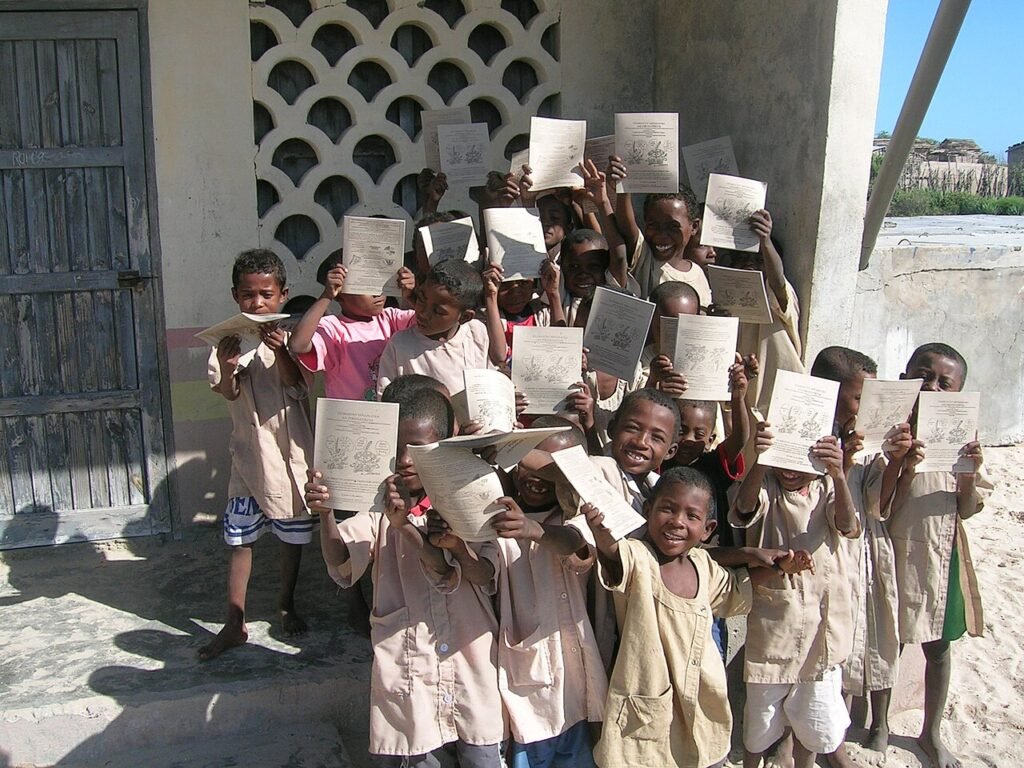
You step off the wooden pirogue onto Anakao’s main beach, your feet sinking into powdery sand as Vezo children paddle their miniature canoes alongside yours, laughing and waving. The village stretches lazily along the coast—a scatter of thatched bungalows, fishing boats, and a single sandy main track. By the time you drop your bag at your lodge, the rhythm of island life has already taken hold of you.
- Morning (8-11am): Start with a guided walk through the Vezo fishing village. Locals recommend meeting Papa Tovo, a retired fisherman who offers informal tours (20,000 MGA, or $4.50) through the sandy lanes. You’ll watch women weaving palm-frond baskets, men repairing nets the way their great-grandfathers did, and children sorting the morning’s catch of zebra fish and octopus. The sense of community here is palpable—no one is a stranger for long.
- Lunch: Head to Chez Norbert, a beachfront shack with plastic tables planted in the sand. Order the grilled lobster with coconut rice and a side of rougail tomate (a spicy tomato relish). The lobster costs 35,000 MGA ($7.50) and arrives charred, buttery, and smelling of wood smoke. Locals eat here daily, and you’ll understand why after one bite.
- Afternoon (1-5pm): Join a snorkeling trip to the nearby coral reefs of Nosy Ve, a small islet 20 minutes by pirogue from Anakao. Travelers often discover that the reef here rivals more famous spots in the Indian Ocean—expect parrotfish, moray eels, and if you’re lucky, a green sea turtle gliding past. Book through Anakao Dive Center (60,000 MGA, or $13, including gear). The water is bathwater-warm at 26°C (79°F) in April. Afterward, climb the islet’s lighthouse for a panoramic view of the Mozambique Channel—you’ll spot pirogues returning home like tiny specks on turquoise glass.
- Evening: Dinner at Le Grand Bleu, a lodge restaurant that serves the best seafood platter in the village (70,000 MGA, or $15, per person). The catch changes daily—you might get grilled grouper, octopus salad, prawns, and fried bananas under a thatched roof lit by kerosene lanterns. After dinner, walk the beach with a local guide; the bioluminescent plankton in the shallows sparkles like stars trapped in the tide.

L’altra facia de la luna, Anakao, Madagascar
Day 2: Baobabs, Salt Lakes & Farewell Sundowners
Day two in Anakao reveals a different side of Madagascar—a landscape of stark, haunting beauty that feels a million miles from the beach. Travelers who venture inland to the Tsimanampetsotsa National Park discover a world of blinding white salt flats, ancient baobabs, and flamingos painting the horizon pink. This is the Madagascar you came to find.
- Morning (6-10am): Rise early for a 4×4 trip to Tsimanampetsotsa National Park (45 minutes from Anakao, 90,000 MGA or $20 per person including guide). The park is otherworldly—a 45,000-hectare expanse of limestone karst, spiny forest, and a salt lake that mirrors the sky. You’ll walk among century-old baobabs, their swollen trunks twisted like ancient dancers. Locals recommend the “Lemur Trail,” where you might spot the endangered Verreaux’s sifaka leaping between the spiny pachypodium trees. The silence here is profound—broken only by the wind and the crunch of fossilized coral underfoot.
- Midday (11am-1pm): After the park, stop for a simple breakfast at the park entrance—rice, beans, and grilled zebu meat (10,000 MGA, $2.20), cooked by a local family. Travelers often say this humble meal, eaten with your hands on a wooden bench overlooking the salt lake, is the most memorable of the trip. The zebu is tender, the rice fragrant, and the view utterly still.
- Afternoon (2-5pm): Back in Anakao, rent a kayak from Kayak Paradise (20,000 MGA, $4.30 per hour) and paddle south along the coast to the Anakao Lagoon. The water is calm, the mangroves dense, and you’ll likely have the entire stretch to yourself. Savvy visitors know to pack a dry bag with snorkel gear for a spontaneous dip among the coral gardens just offshore. Alternatively, visit the local market at the village center—women sell handwoven lamba (traditional Malagasy cloth) for 15,000 MGA ($3.30) and polished seashell necklaces for half that.
- Final Evening: Your farewell dinner belongs to La Plage, a beachfront restaurant where tables are set directly on the sand under a canopy of stars. Order the whole grilled red snapper with garlic butter and coconut milk (45,000 MGA, $9.80) and a bowl of tomato-avocado salad. As the sun dips below the horizon, the sky turns violet and orange, and Vezo fishermen pull their pirogues up beside your table. Raise a glass of Madagascar’s own Three Horses Beer as the first stars appear—the perfect goodbye to Anakao.
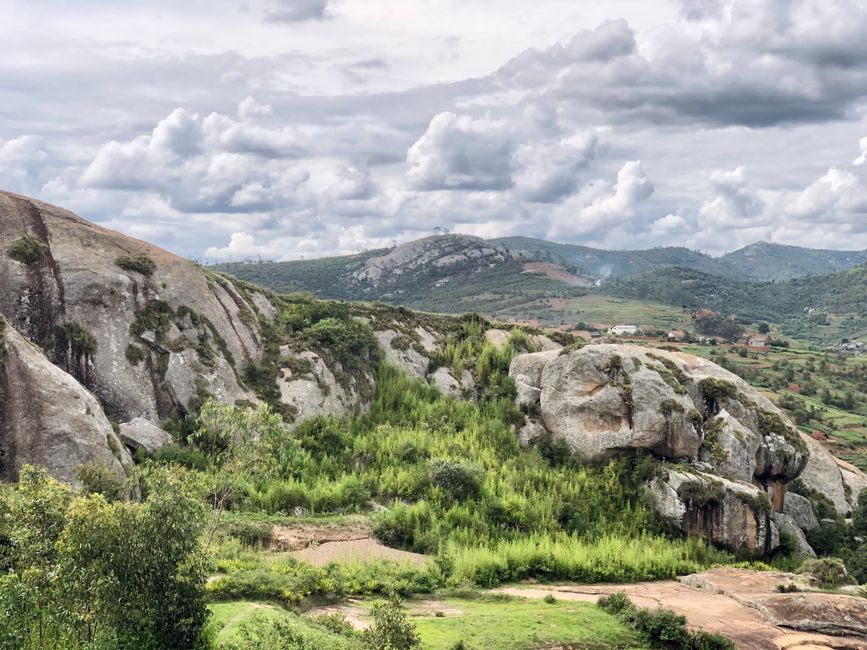
Breathtaking view of rocky terrain and lush greenery under a cloudy sky in …, Anakao, Madagascar
The Food You Can’t Miss
Anakao’s food culture is simple, generous, and defined by the sea. Vezo fishermen head out at 4am in their hand-carved pirogues, and by breakfast, the morning catch is being grilled over coconut husk coals on the beach. You’ll find no elaborate sauces or fusion experiments here—just honest ingredients cooked with the confidence of generations. The village’s culinary rhythm is dictated by the tides: lobster in the calm months (April to November), octopus year-round, and zebu steak from the dry inland plains.
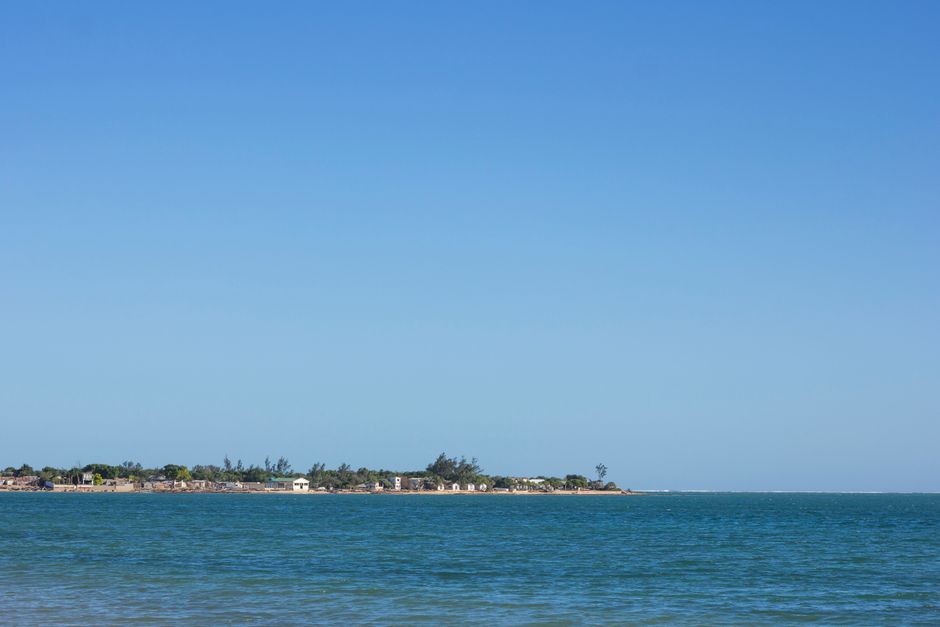
Serene coastal landscape of Ifaty with clear skies and ocean views in Madagascar, Anakao, Madagascar
Street food is a revelation in Anakao, even if the “street” is a sandy path. Look for Mama Tiana’s cart near the main jetty around 5pm, where she sells mofo gasy (fried rice donuts) stuffed with beans and banana, two for 2,000 MGA ($0.45). Locals line up for her koba too—a sweet, steamed block of ground peanuts, rice flour, and banana wrapped in banana leaves. For a proper meal, you cannot miss the plateau de fruits de mer at Chez Norbert—a platter of grilled prawns, fried calamari, and garlic butter lobster that arrives piled high like a pirate’s bounty, all for 40,000 MGA ($8.70). Pair it with a chilled THB (Three Horses Beer) and watch the sun melt into the channel.
For a deeper food experience, book a cooking class at Village de Nautilus (60,000 MGA per person, $13). You’ll walk through the market, pick out fresh ingredients, and learn to make romazava (Madagascar’s national beef and vegetable stew) and achard (spicy pickled vegetables) in a Vezo family kitchen. The meal ends with litchi seasonally—local lychees sweet as honey—and the family’s grandmother will insist you take seconds. You will.
Where to Stay for the Weekend
Accommodation in Anakao is much about location and atmosphere. The main beach stretches for four kilometers, and each lodge offers its own slice of paradise. Most places operate on half-board (breakfast and dinner included), so factor that into your budget.
Beachfront Bungalows (Luxury – $100–$160/night): Princesse du Soleil Anakao is the undisputed queen of the coast, with polished wooden bungalows shaded by tamarind trees, a saltwater infinity pool, and a restaurant that serves the best lobster thermidor in the area. The property sits on the northern end of the beach, offering privacy and views across to Nosy Ve. Book direct for the best rates. Check availability on Booking.com
Mid-Range Thatched Charm ($50–$90/night): Anakao Vanilla Lodge offers bungalows built by Vezo craftsmen using local materials—palm thatch, teak wood, and coral stone. Your outdoor shower has hot water (a rarity in Anakao), and the terrace hammock is the perfect spot for afternoon naps. The lodge organizes diving excursions and pirogue trips. Find listings on Airbnb
Budget Eco-Cabins ($25–$45/night): Le Rayan Vert is a family-run operation with simple, clean bungalows 20 meters from the water. The rooms have mosquito nets, fans, and solar-powered lights. The owners, Marie and François, are former marine biologists who lead free snorkeling walks at low tide. You’ll share meals at a communal table with other travelers, trading stories over grilled fish and rice.
Before You Go: Practical Tips
- Getting Around: Anakao has no cars and barely any roads. The primary mode of transport is your own two feet or a pirogue taxi (10,000–15,000 MGA, or $2.20–$3.30, to nearby beaches). For trips to Tsimanampetsotsa National Park, arrange a 4×4 through your lodge—expect to pay 120,000 MGA ($26) for a half-day trip, including driver. Boats to Toliara run daily at 7am and 3pm (20,000 MGA, or $4.30, per person, 45 minutes).
- What to Pack: Beyond the obvious (reef-safe sunscreen, insect repellent, and a hat), bring a headlamp (evening power outages are common), a 2-liter water bottle with built-in filter (tap water is not safe), a rash guard for snorkeling (protection from sun and coral), and a sarong or lightweight scarf (used by local women for modesty when visiting villages). Travelers regularly express regret for not bringing snorkel gear—rentals are available but masks can leak, and your own is always better.
- Common Tourist Mistakes: The biggest mistake first-time visitors make is assuming they’ll find ATMs or card payment facilities in Anakao. There are none—none at all. The nearest cash machine is in Toliara, and if you miss it, you’ll be relying on the generosity of lodge owners. The second mistake is disrespecting Vezo customs. Always ask before taking photos of children or elderly villagers; a small gift of school supplies or soccer balls is a gracious gesture that will forge genuine connections.
- Money-Saving Tip: Book a full-day pirogue charter with three other travelers from your lodge. A pirogue with captain, fuel, and lunch costs 200,000 MGA ($43) total for up to six people—split four ways, that’s just 50,000 MGA ($10.80) per person. You’ll explore hidden coves, snorkel pristine reefs, and eat grilled fish on a deserted beach. Travelers who do this consistently say it’s the best money they spent in Anakao.

