
Al-‘Uqair, Saudi Arabia’s Ultimate Ancient Ports, Coral Houses & Empty Beaches (2026)
While crowds flock to the skyscrapers of Riyadh or the resorts of Jeddah, Al-‘Uqair, Saudi Arabia delivers a profound, windswept connection to the Kingdom’s pre-oil history without a single souvenir shop in sight. Here, on the pale sands of the Arabian Gulf, you’ll find the crumbling, coral-stone walls of what was once the eastern province’s primary seaport, a place where pearl divers and pilgrims once set sail, now whispering tales of a forgotten era to the few who seek it out.
Why Al-‘Uqair, Saudi Arabia Stands Out

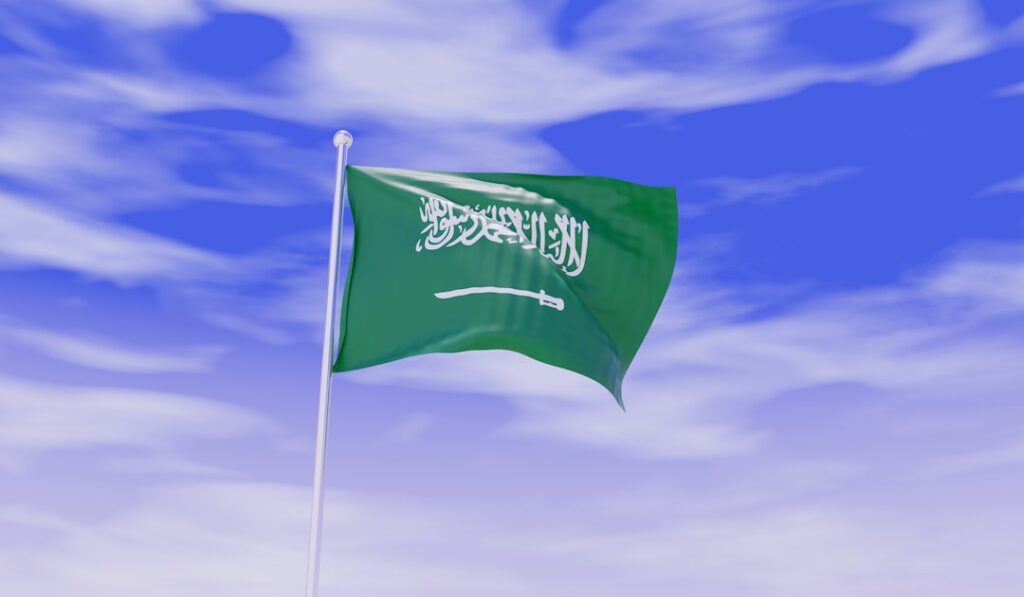
A view of a street with a lot of green flags, Al-‘Uqair, Saudi Arabia
- Historic Architecture: The Al-‘Uqair Fort, built from fossilized coral and gypsum in the 1800s, stands as a sentinel over the old port, its geometric designs a textbook example of Najdi military architecture.
- Cultural Scene: The annual Al-‘Uqair Heritage Festival, typically held in winter, transforms the site with traditional Ardah dances, falconry displays, and souks showcasing ancient crafts like sadu weaving.
- Local Specialties: You must try Ma’amoul, a delicate date-filled cookie often flavored with rosewater, best enjoyed with strong Saudi coffee (gahwa) from a local vendor.
Pro Tip: Visit between late October and early April, and always aim for a weekday morning. You’ll have the entire historic site to yourself under the gentle winter sun, avoiding the weekend crowds from nearby Dammam and allowing for the best photography light on the ancient walls.
Map of Al-‘Uqair, Saudi Arabia
Use these interactive maps to explore Al-‘Uqair, Saudi Arabia and plan your route:
📍 View Al-‘Uqair, Saudi Arabia on OpenStreetMap
🗺️ Open Al-‘Uqair, Saudi Arabia in Google Maps
Planning Your Trip: Practical Essentials
Getting There and Around
- By Air: Fly into King Fahd International Airport (DMM) in Dammam, a major hub served by Saudia, Flynas, and others. Al-‘Uqair is a 90-minute drive south. Book flights at Skyscanner for best deals.
- By Train: No direct rail service to Al-‘Uqair. The nearest high-speed (SAR) station is in Dammam. From there, you’ll need a rental car or taxi. Reserve tickets at Trainline or the national railway website.
- By Car: The most flexible option. Take Highway 95 south from Dammam; the drive is straightforward. Parking at the heritage site is free and ample. Compare car rentals at RentalCars.com.
- Local Transport: There is no public transport within Al-‘Uqair. Your options are your own vehicle or hiring a taxi for the day from Dammam/Al Khobar (cost: ~300-400 SAR).
Best Time to Visit
The climate dictates your experience here. The sweet spot is the cooler winter months, when exploring the open archaeological site is a pleasure rather than a test of endurance.
| Season | Weather | Highlights |
|---|---|---|
| Summer (Jun–Aug) | Extremely hot & humid (35°C-45°C/95°F-113°F) | Not recommended for outdoor exploration; very few visitors. |
| Winter (Dec–Feb) | Mild & pleasant (15°C-25°C/59°F-77°F), cool evenings | Perfect for site seeing; potential for heritage festivals; ideal season. |
| Shoulder (Apr–May/Sep–Oct) | Warm to hot (25°C-35°C/77°F-95°F) | Manageable with early starts; fewer visitors than peak winter weekends. |
Budgeting for Al-‘Uqair, Saudi Arabia

A row of palm trees next to a brick wall, Al-‘Uqair, Saudi Arabia
| Category | Budget | Mid-range | Luxury |
|---|---|---|---|
| Accommodation | 200-300 SAR/night (guesthouse in nearby Hofuf) | 400-600 SAR/night (4-star hotel in Al Khobar) | 800+ SAR/night (5-star beach resort in Half Moon Bay) |
| Meals | 50-80 SAR/day (local eateries, shawarma) | 150-250 SAR/day (restaurant meals) | 400+ SAR/day (fine dining in Dammam) |
| Transport | 50 SAR/day (shared taxi contribution) | 150-200 SAR/day (rental car fuel) | 500+ SAR/day (private driver) |
| Activities | Free (site exploration, beach) | ~100 SAR (museum fees, guided tour tip) | Private guided historical tour (~800 SAR) |
| Daily Total | 300-430 SAR | 800-1150 SAR | 2000+ SAR |
Top Attractions and Must-See Sights
| Attraction | Description | Hours | Entry Fee |
|---|---|---|---|
| Al-‘Uqair Archaeological Site & Fort | The heart of the visit: explore the restored fort, old mosque, watchtowers, and merchant houses built from coral and gypsum. | 9:00 AM – 5:00 PM (Sat-Wed), 4:00 PM – 8:00 PM (Thu-Fri) | Free |
| The Old Port & Customs House | Walk along the silted-up harbor where dhows once loaded dates and pearls, and see the small customs building that regulated trade. | Open access, daylit hours | Free |
| Al-‘Uqair Beach | A vast, serene stretch of coastline perfect for a quiet walk, with views back toward the historic skyline. | Open access | Free |
| Nearby: Al-Ahsa Oasis (UNESCO) | A 90-minute drive west, this vast palm oasis with ancient springs and Al Qarah Mountain offers a stunning contrast to the coast. | Varies by site | Varies (Al Qarah Cave ~50 SAR) |
3-Day Itinerary: Al-‘Uqair, Saudi Arabia’s Highlights & Hidden Gems
Day 1: History Unearthed on the Coast
- Morning (7-9 AM): Depart from your base in Al Khobar. Drive south on Highway 95, stopping for a traditional breakfast of foul medames and tamees (flatbread) at a roadside stop. Arrive at Al-‘Uqair by 9:30 AM when the site opens.
- Afternoon (12-3 PM): Explore the fort and ruins in detail. For lunch, pack a picnic or drive 15 minutes to the simple local eateries in the modern town for grilled chicken and rice (expect to pay ~35 SAR).
- Evening (6-8 PM): Walk along Al-‘Uqair Beach at sunset—the light on the coral buildings is magical. Drive back to Al Khobar for dinner at Al Nakheel Restaurant on the corniche, famous for its seafood machboos (~80 SAR).
Day 2: Oasis & Mountains Inland
- Morning (7 AM): Early drive (90 mins) west to the Al-Ahsa Oasis, a UNESCO World Heritage site. First stop: Al Qarah Mountain (entry ~50 SAR). Explore the dramatic caves and caverns, a cool respite with a history spanning millennia.
- Afternoon (12-3 PM): Visit the Ibrahim Palace in Hofuf, an Ottoman-era castle. For lunch, savor authentic Hasawi cuisine at Mataam Al Areedh—order the lamb jareesh (crushed wheat dish) and margoog stew (~60 SAR).
- Evening (6-8 PM): Wander the bustling Al Qaisariyah Souq in Hofuf, one of Arabia’s oldest markets. Return to Al Khobar and enjoy a relaxed dinner at a Lebanese restaurant like Layali Al Sham.
Day 3: Coastal Relaxation & Deeper Dives
- Morning (8 AM): Return to Al-‘Uqair for a more contemplative visit. With your historical context from Day 1, revisit the port area and imagine the bustle of the pearling era. Chat with any onsite caretakers—they often share unscripted stories.
- Afternoon (12-3 PM): Enjoy a final seaside picnic. Then, take a short drive north to the Half Moon Bay area. You can simply relax or opt for an activity like kayaking (rental ~100 SAR/hour).
- Evening (6-8 PM): Conclude your trip with a memorable dinner at Myazu in the InterContinental Al Khobar, offering stunning Gulf views and superb Japanese-Peruvian fusion cuisine (budget ~250 SAR per person).
Cultural Insights & Etiquette
- Language: Arabic is official. English is understood in hotels but limited at the Al-‘Uqair site. Learn “As-salamu alaykum” (hello), “Shukran” (thank you), and “Ma’a as-salama” (goodbye).
- Customs: Public behavior is conservative. Avoid public displays of affection. During Ramadan, eating, drinking, or smoking in public during daylight hours is prohibited by law.
- Tipping: Not mandatory but appreciated. In restaurants, 10% is customary if service isn’t included. For guides, 50-100 SAR for a half-day is generous.
- Dress Code: For men and women, clothing should cover shoulders and knees. Women travelers are no longer required to wear an abaya by law, but a loose, modest dress or long shirt with pants is respectful, especially at historical/religious sites.
- Business Hours: Government sites like Al-‘Uqair close for prayer times (approx. 30-45 mins around noon, mid-afternoon, and sunset). Friday is the day of prayer and rest; most things open after 4 PM. The weekend is Friday-Saturday.
Where to Eat: Al-‘Uqair, Saudi Arabia’s Best Bites
Dining in Al-‘Uqair itself is a humble affair, focused on simple, hearty local fare. For a wider variety, you’ll rely on the nearby cities of Al Khobar, Dammam, and Hofuf, where you can experience the rich culinary traditions of the Eastern Province, heavily influenced by Gulf, Levantine, and Indian flavors.
Must-Try Local Specialties
- Kabsa: The national dish—spiced rice with tender lamb or chicken, often served communally. For an authentic version, try Al Romansiah in Al Khobar.
- Hasawi Dates with Gahwa: The dates from Al-Ahsa are legendary. Pair them with traditional Saudi coffee (lightly roasted, cardamom-spiced, unsweetened) at any majlis or reception area.
- Mutabbaq: A delicious stuffed pastry, often filled with spiced meat, eggs, or vegetables, perfect for a snack. Look for small bakeries in Hofuf.
Restaurant Recommendations by Budget
| Type | Restaurant | Specialty | Price Range |
|---|---|---|---|
| Budget | Local Eateries near Al-‘Uqair Town Center | Grilled chicken & rice, fresh bread | 25-40 SAR per meal |
| Mid-range | Najd Village, Al Khobar | Atmospheric setting with traditional Saudi dishes served in private “hut” rooms | 80-150 SAR per person |
| Fine dining | Nozomi, Al Khobar | Exquisite Japanese cuisine with theatrical teppanyaki shows | 250+ SAR per person |
Where to Stay
There are no hotels directly in Al-‘Uqair. Savvy visitors use the nearby metropolitan area of Dammam/Al Khobar as a comfortable base, or for a more unique experience, consider the heritage guesthouses in Hofuf. Compare prices and book at Booking.com or Airbnb for apartments.
Best Neighborhoods for Accommodation
- Al Khobar Corniche: Offers beautiful Gulf views, a long waterfront walkway, and easy access to many restaurants. It’s a 75-minute drive to Al-‘Uqair. Best for those who want a scenic, resort-like stay.
- Hofuf (Al-Ahsa): Staying in the heart of the oasis puts you closer to Al-‘Uqair’s inland counterpart. Options range from international chains to unique heritage houses. Ideal for culture and history enthusiasts.
- Dammam City Center: The most urban option, with the widest selection of business hotels, malls, and services. Convenient for logistics but less scenic.

A tall clock tower lit up at night, Al-‘Uqair, Saudi Arabia
FAQs: Your Al-‘Uqair, Saudi Arabia Questions Answered
1. Is Al-‘Uqair, Saudi Arabia safe at night?
Yes, Saudi Arabia has a very low crime rate. However, Al-‘Uqair itself is an unlit archaeological site after hours. Your safety consideration is less about crime and more about practicality—there are no facilities, lighting, or people there at night. Always visit during official daylight hours.
2. What currency is used and are credit cards accepted?
The Saudi Riyal (SAR) is the currency. Credit cards (Visa, Mastercard) are widely accepted in hotels, malls, and restaurants in the cities. However, at the Al-‘Uqair site and in small local eateries nearby, you will need cash. ATMs are available in the modern town center.
3. How do I get from the airport to the city center?
From King Fahd International Airport (DMM) to Al Khobar/Dammam city center (approx. 50km), you have three main options: a metered taxi (cost: ~120-150 SAR), a ride-hailing app like Uber or Careem (~100-130 SAR), or a pre-booked private transfer. Book airport transfers at GetYourGuide for convenience.
4. Do I need to speak the local language?
No, but it helps immensely with gestures. In tourist hotels and upscale restaurants in Al Khobar/Dammam, English is common. At the Al-‘Uqair heritage
{“@context”: “https://schema.org”, “@type”: “FAQPage”, “mainEntity”: [{“@type”: “Question”, “name”: “What is the best time to visit Al-u2018Uqair?”, “acceptedAnswer”: {“@type”: “Answer”, “text”: “The best time to visit Al-u2018Uqair depends on your preferences. Generally, the dry season offers the most pleasant weather for sightseeing and outdoor activities.”}}, {“@type”: “Question”, “name”: “How many days do I need in Al-u2018Uqair?”, “acceptedAnswer”: {“@type”: “Answer”, “text”: “Most travelers spend 3-5 days in Al-u2018Uqair to see the main attractions. A week allows for a more relaxed pace and day trips.”}}, {“@type”: “Question”, “name”: “Is Al-u2018Uqair expensive to visit?”, “acceptedAnswer”: {“@type”: “Answer”, “text”: “Al-u2018Uqair can be visited on various budgets. Accommodation ranges from hostels to luxury hotels, and local restaurants offer affordable dining.”}}]}
Related Guides
Explore more destinations similar to Al-‘Uqair:
- Ambrym, Vanuatu’s Ultimate Volcanoes, Sand Drawing & Kastom Culture (2025)
- Kpandu, Ghana’s Best Lake Views, Volta Culture & Riverside Serenity (2026)
- Cádiz, Spain’s Ultimate Atlantic Breezes, Ancient Streets & Carnival Magic (2025)
- Tbilisi’s Svaneti Region, Georgia: Best Medieval Towers, Alpine Trails & Ancient Traditions (2025)

