
Al-Qunfudhah, Saudi Arabia Weekend: Coffee, Coastlines & The Ancient Port of Al-Leeth (2026)
In 1925, a pivotal moment unfolded not on a battlefield, but on its shores. As the forces of King Abdulaziz Al Saud consolidated the nascent nation, the strategic port of Al-Qunfudhah became a crucial gateway. Its deep harbor and ancient trade legacy transformed it into a lifeline, receiving ships laden with supplies that would help forge a kingdom. This quiet coastal city, long a guardian of maritime routes, suddenly found itself at the heart of a nation’s birth.
The Story Behind Al-Qunfudhah, Saudi Arabia
To understand Al-Qunfudhah is to listen to the whisper of the Red Sea winds. For centuries, this wasn’t merely a coastal town; it was a vital maritime node on the ancient incense and spice routes. Long before modern borders were drawn, its natural harbor offered shelter to dhows sailing between Yemen, East Africa, and the wider Indian Ocean world. The city’s history is etched in the comings and goings of merchants, sailors, and pilgrims, its identity shaped more by the ebb and flow of the tide than by the shifting sands of the desert interior.
The 19th and early 20th centuries saw Al-Qunfudhah rise as a regional administrative and economic center under the Ottoman Empire and later, the Sharifate of Mecca. Its significance was cemented by its agricultural hinterland, famed for fertile valleys like Wadi Yebah that produced precious grains and fruits. However, the true turning point arrived with the unification of Saudi Arabia. Under King Abdulaziz, the city’s port was recognized for its strategic value, becoming an official entry point and a cornerstone for development in the southwestern region. This legacy of connection—to the sea, to trade, and to the nation’s foundation—is the bedrock upon which modern Al-Qunfudhah stands.
Neighborhood by Neighborhood
Al-Balad (The Old Town)
Step into Al-Balad, and you step back in time. This is the historic heart, where the city’s layered past is most palpable. You’ll wander through a labyrinth of narrow, shaded alleyways, the air carrying the faint, salty breath of the nearby sea. The architecture here tells a story of adaptation: traditional Hejazi-style homes with their distinctive rawashi (projecting wooden windows) stand beside structures built from coral stone, a testament to the builders’ resourcefulness. The central souq here isn’t a tourist spectacle; it’s a living, breathing marketplace. Your senses will be engaged by the scent of freshly ground coffee beans, piles of vibrant spices, and the murmur of daily commerce. Locals recommend visiting in the early morning or late afternoon when the light casts long, dramatic shadows and the pace is most authentic.
Al-Corniche and the Port District
For a complete contrast, head to the Corniche. Here, the city opens its arms wide to the Red Sea. A long, sweeping waterfront promenade invites you for a leisurely stroll, with the endless blue horizon on one side and the modern, bustling city on the other. This is where you feel Al-Qunfudhah’s pulse as a working port. You can watch fishing boats, their hulls painted in bright blues and greens, bobbing in the harbor as they unload the day’s catch. At sunset, the Corniche transforms into a social hub. Families gather on the grassy areas, friends share tea, and travelers find a perfect spot to watch the sky erupt in oranges and purples. The energy here is one of openness and leisure, a world away from the enclosed mystery of Al-Balad.
Al-Nuzha and the Modern City Center
To see the city’s confident present, explore the Al-Nuzha district and the modern downtown areas. This is where you’ll find broad, tree-lined avenues, contemporary government buildings, and bustling commercial centers. The vibe is energetic and forward-looking. Here, you can sip a perfectly crafted Arabic coffee in a modern café, shop in air-conditioned malls stocked with both international and local brands, and witness the dynamic daily life of a thriving Saudi city. It’s in these neighborhoods that you’ll see the seamless blend of tradition and modernity that defines today’s Saudi Arabia. Locals come here for everything from business meetings to evening shopping sprees, and as a visitor, it offers all the practical comforts alongside a glimpse of contemporary Saudi urban life.
The Local Table: What Locals Actually Eat
The cuisine of Al-Qunfudhah is a direct reflection of its geography: a glorious marriage of mountain and sea. While the inland valleys provide lamb, wheat, and honey, the Red Sea delivers an astonishing bounty. Dining here is a celebration of this duality. You won’t find elaborate, fussy presentations; instead, you’ll discover robust, flavor-packed dishes meant for sharing. The culinary philosophy is one of freshness and simplicity, allowing the quality of the local ingredients to shine.
One dish you absolutely must seek out is **Sayadiyah**. This isn’t just fish and rice; it’s a cultural icon. Traditionally made with white fish like hamour or najil caught that very morning, the fish is pan-fried until golden and served atop a bed of fragrant rice, deeply colored and flavored with caramelized onions, warming spices like cumin and cardamom, and a subtle hint of tamarind for a touch of tang. It’s a symphony of textures and tastes. For the most authentic experience, savvy visitors head to the small, family-run eateries near the port, like **Matam Al-Sayad**, where the day’s catch dictates the menu. Plan to spend around 35-45 SAR per person for a feast. Before your meal, wander the **fish market** at the port just after dawn; it’s a spectacle of silvery scales and lively bargaining that connects you directly to the source of your dinner.

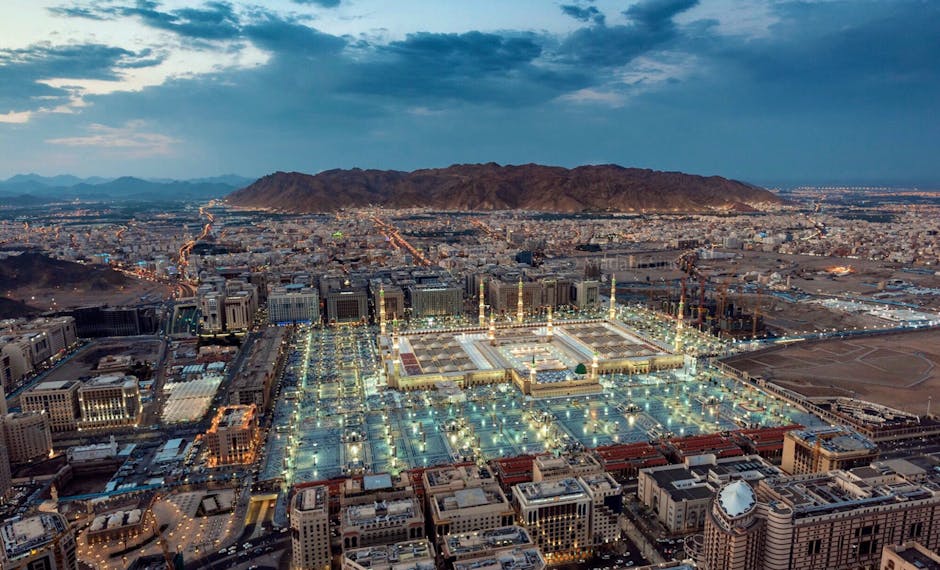
Beautiful mosque with minarets stands against rugged mountain landscape, Al-Qunfudhah, Saudi Arabia
Art, Music & Nightlife
Don’t come expecting a western-style “nightlife” scene; the cultural heartbeat here is found in different rhythms. The artistic expression of Al-Qunfudhah is deeply rooted in its Hijazi heritage. As evening falls, the social life blossoms in majlis gatherings, where stories are shared over cardamom coffee and incense. You might be lucky enough to hear the rhythmic, poetic cadence of **Al-Majrour** or **Al-Zamil**, traditional forms of sung poetry that once echoed in the courts and now find life in cultural festivals and family celebrations.
For visual arts, look to the craftsmanship. The intricate woodwork (najjarah) on old doors and windows is a form of legacy art. Today, this tradition is being revitalized. Keep an eye out for local cultural events, often hosted by the **Al-Qunfudhah Literary Club** or during the **National Day celebrations** in late September, where exhibitions showcase contemporary Saudi artists alongside traditional crafts. The music you’ll hear in cafes and cars is often the soulful, rhythmic sounds of Khaleeji (Gulf) music, a modern soundtrack to this ancient city. The real “performance” is in the daily life—the call to prayer echoing over the city, the laughter from a family picnic on the Corniche, the storyteller’s voice in a cozy corner of a café.
Practical Guide
- Getting There: The nearest major airport is King Abdullah bin Abdulaziz Airport in Jizan (IATA: GIZ), about 150 km south. Fly in via Saudia or Flynas from Riyadh or Jeddah. From Jizan, you can hire a private taxi for the 1.5-2 hour drive (cost: approx. 200-250 SAR) or rent a car. Book flights at Skyscanner
- Getting Around: Your best bet is to use ride-hailing apps like Uber or Careem, which are reliable and affordable (short trips within city: 10-20 SAR). Taxis are also readily available. For maximum freedom to explore the surrounding valleys and coasts, renting a car is highly recommended.
- Where to Stay: For atmosphere, look for locally-run apartments or smaller hotels near the Corniche for sea views. For modern amenities, the newer hotels in the city center (Al-Nuzha) are your best choice. Check availability and reviews on Booking.com
- Best Time: Visit between **October and April**. This is when the fierce summer heat has subsided, and daytime temperatures are a pleasant 25-30°C (77-86°F), perfect for exploration. The winter months are especially mild.
- Budget: Al-Qunfudhah is very affordable. Plan a daily budget of **250-400 SAR** per person for a comfortable trip covering a mid-range hotel, local meals, transportation, and sights.
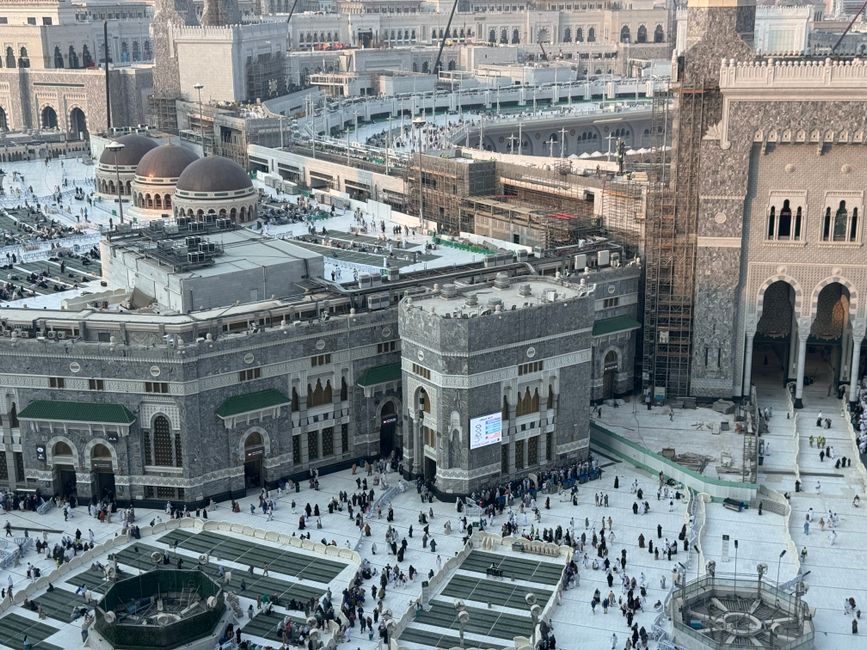
A stunning aerial view of the Masjid al-Haram, Al-Qunfudhah, Saudi Arabia
What Surprises First-Time Visitors
Many travelers arrive expecting a small fishing village and are stunned by the city’s scale and vibrant urban energy. The dramatic contrast between the historic, coral-stone alleyways of Al-Balad and the sleek, modern promenade of the Corniche—all within a few minutes’ drive—is a delightful shock. The city feels both deeply rooted and dynamically forward-looking, a duality that is captivating.
The greatest surprise, however, is the profound warmth of the people. Hospitality is a sacred duty here, but in Al-Qunfudhah, it feels particularly effortless and generous. You might be invited for a cup of tea by a shopkeeper curious about your journey, or a family on the Corniche might offer you a slice of fruit. There’s a palpable pride in their city, a desire to share its under-the-radar charms. Visitors often leave remarking not just on the beautiful sea views, but on the memorable conversations and genuine smiles that defined their trip. It’s a place that offers not just sights, but heartfelt connections.
Your Al-Qunfudhah, Saudi Arabia Questions
Is Al-Qunfudhah conservative? What should I wear? As with all of Saudi Arabia, travelers should dress modestly out of respect for local culture. For men, this means long trousers and shirts. For women, an abaya (a long cloak) is required by law and is easily purchased locally; many visitors find them comfortable in the heat. Headscarves are not legally mandatory for foreign women, but carrying one is advisable for visiting mosques. The atmosphere is welcoming, and locals appreciate the effort to respect their customs.
Can I take a boat trip or go snorkeling? Absolutely! The Red Sea coast here is pristine and less developed than in the north. Your best bet is to ask at your hotel or along the port to arrange a private boat trip with a local fisherman. They can take you to secluded coves for swimming and snorkeling. While there aren’t large, organized dive shops as in Jeddah, the underwater world is teeming with life. Bring your own snorkel gear for the best experience.
What’s a good day trip from the city? Locals highly recommend a drive into **Wadi Yebah**. This fertile valley, just inland, is the agricultural breadbasket of the region. You can see stunning mountain scenery, traditional farming villages, and lush plantations of dates, mangoes, and citrus. It’s a completely different landscape that showcases the diverse beauty of the province. Rent a car or hire a driver for the day to explore at your own pace.
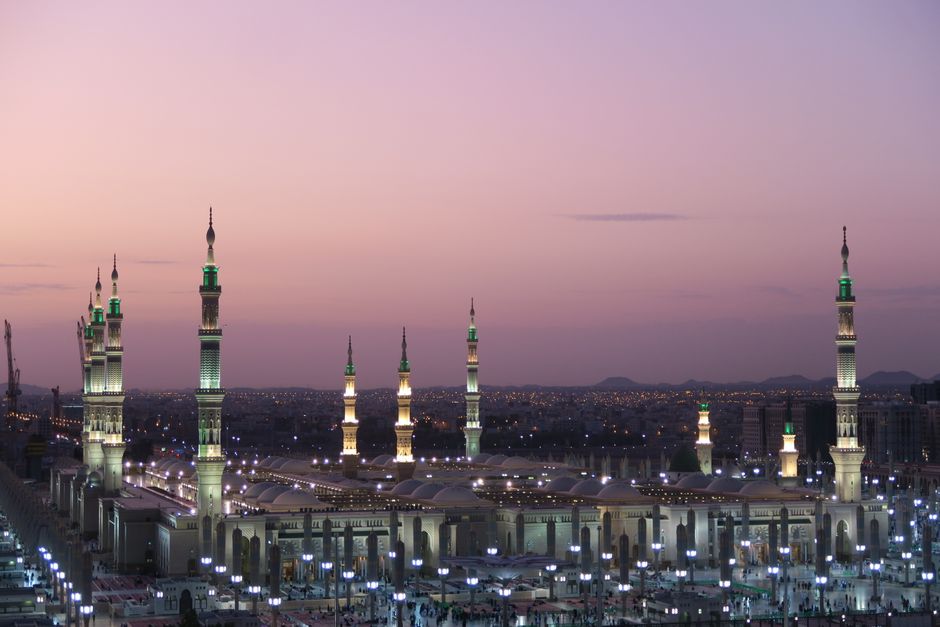
Al-Masjid an-Nabawi with its illuminated minarets at twilight in Medina, Al-Qunfudhah, Saudi Arabia
Related Guides
Explore more destinations similar to Al-Qunfudhah:

