Olancho, Honduras on a Budget: How to Live Like a King for $35/Day (2026)
While tourist-heavy Roatán routinely charges $120 for a scuba dive and Copán’s hotels hover around $80 a night, Olancho, Honduras—the country’s vast, untamed eastern frontier—serves up authentic cowboy culture, prehistoric cave systems, and river-swimming days for the price of a single lift ticket at a mediocre US ski resort. You’ll spend $30 a day here and live better than you do back home: eating grass-fed steak, drinking fresh coffee from volcanic hillsides, and sleeping under star-filled skies so dark you’ll see the Milky Way like a spilled river of milk. Travelers who make the journey discover a Honduras most guidebooks don’t even bother mentioning.
7 Free (or Nearly Free) Things to Do in Olancho, Honduras
- Explore Cuevas de Talgua’s Hidden History: Technically a few dollars and absolutely worth it—the Cave of the Glowing Skulls, discovered in 1994 by two Juticalpa students exploring near Catacamas, houses the ossuary remains of 200+ indigenous people dating back to ~900 CE. The calcite-coated bones literally glitter when your flashlight beam hits them. Visit with a local guide from the Catacamas tourism office (ask for Don Rigoberto, who’s walked these tunnels for 20 years). The $3 entrance keeps it blissfully crowd-free; you’ll likely have the entire cave system to yourself.
- Swim in the Guayape River: This is the gold-bearing river that drew conquistadors and later 49ers south in the 1850s. Locals recommend the swimming holes near San Esteban, about 30 minutes east of Catacamas by chicken bus. Find the natural rock slides at “Paso Real” where kids cannonball off boulders worn smooth by centuries of rush. Pack a picnic; there’s no entrance fee and you’ll spend hours floating in water so clean you can drink it upstream.
- Visit the Catedral de Juticalpa at Golden Hour: The cathedral’s 19th-century neoclassical facade faces the Parque Central, where old paisanos in felt cowboy hats play checkers under mango trees. Step inside when the evening sun slants through the stained-glass windows—the warm light paints the whole sanctuary gold. It’s free, and the parish priest (Padre Luis) has lived here since 1987 and loves telling travelers the story of how the church survived the 1974 hurricane.
- Hike Cerro de la Cruz: The hill overlooking Juticalpa is a 45-minute steady climb from the town center. At the summit, a whitewashed chapel and a giant cross mark where locals hold Good Friday processions. The panoramic view across the valley—cattle pastures, tobacco fields, and the blue silhouette of Sierra de Agalta in the distance—beats any paid viewpoint in Central America. Bring water and go early (6:00 AM) before the heat kicks in; you’ll catch the sunrise turning the church spires pink.
- Sunday Market in Catacamas: You haven’t experienced Olancho until you’ve walked this weekly feria, where ranchers, coffee pickers, and indigenous Pech traders converge in a chaos of livestock, tropical fruits, and hand-woven bags. Wander the stalls, sample free slivers of fresh coconut, and watch horses being saddled in the corral behind the market hall. It’s the cheapest place in the department to buy supplies—a whole bag of pineapples costs under $1. The social spectacle itself is priceless.
- Stroll a Working Cattle Ranch: Olancho is the Texas of Honduras, raising most of the nation’s beef. Ask your guesthouse owner (or really any friendly local) to connect you with a ranch near Catacamas; they’ll usually be happy to let you wander and watch the vaqueros (cowboys, straight out of a Cormac McCarthy novel) work cattle. Most visitors just get a charming wave and maybe a cup of café de olla simmering over the fire. Tip a dollar or two if they rope a steer for a photo.
- Absorb History in El Patio Colonial, Danlí: The colonial courtyard in Olancho’s historic core where revolutionaries once watered their horses is now a peaceful plaza with crumbling adobe walls, flowering bougainvillea, and one old woman selling fresh corn tamales wrapped in banana leaves for 80 cents. Sit for an hour, sketch, journal, or just soak in a way of life—cowboys, coffee traders, school kids in uniforms—that hasn’t changed in 150 years. Free, always open, utterly soul-nourishing.
Cheap Eats: Where Locals Actually Eat

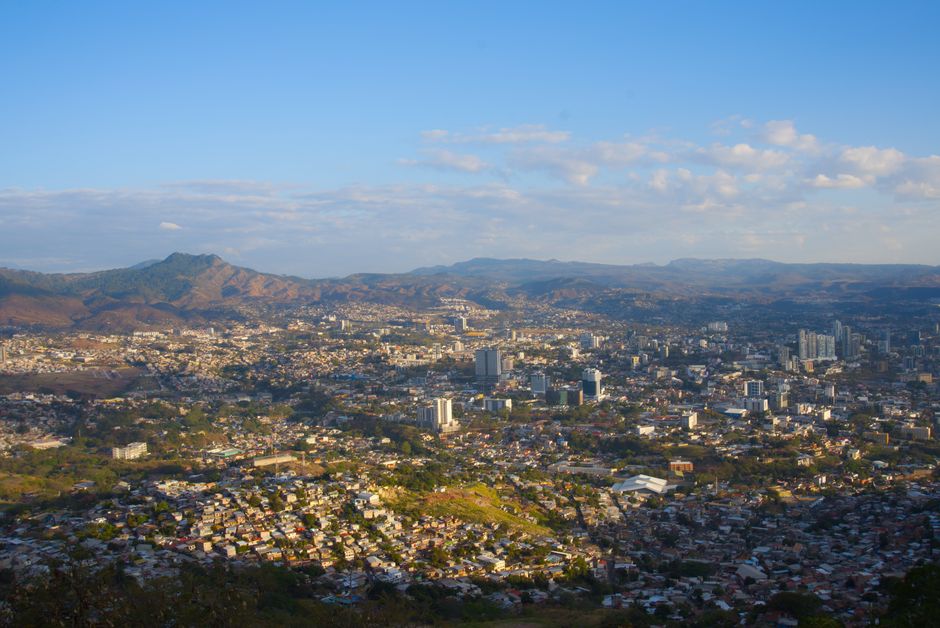
Beautiful Olancho, Honduras scenery
- Comedor Katia (Barrio El Centro, Juticalpa, half-block from the Parque Central): This unmarked spot with a yellow door feeds the town’s lawyers and cattle ranchers alike. The menu changes daily, but travelers rave about her carne asada con chimol (grilled beef with fresh salsa). $2.50 including dessert. She opens at 11:00 AM and sells out by 1:30 PM. Show up hungry.
- Baleada Express (Bulevar Centroamérica, Catacamas, near the bus terminal): Baleadas are the official street food of Honduras: a thick flour tortilla folded over refried beans, crema, and crumbled cheese. For 50 cents more, you get huevo (fried egg) and aguacate (avocado). This hole-in-the-wall serves them hot, flattened on the plancha while you wait. The cheese is fresh from local dairies and the crema is gloriously tangy. One fills you; two cost a dollar total.
- Mercado Municipal de Juticalpa (Block east of the cathedral, open 6 AM–3 PM): Skip restaurants entirely and graze the market. Start with a cup of café con leche (30 cents) from Doña Marta’s stall, grab a taco de dorada (crispy fried corn tortilla with shredded chicken, 50 cents), and finish with a bowl of sopa de res (beef soup) from the comedor in the back corner. You can feed yourself for a day for $4 here, and you’ll taste ingredients you’ve never encountered—including chipilín (a wild herb soup) and candied papaya verde.
- Asados El Vaquerito (Carretera a San Esteban, just outside Catacamas – evenings only): This roadside rancho with picnic tables under a mango grove is where locals celebrate. Order the tabla olanchano—a wooden board mounded with grilled chorizo, beef, plantains, cheese, and handmade tortillas. It’s meant for two, costs $8 total, and you’ll need a nap afterward. This is your splurge; it’s still a fraction of what any steakhouse charges in San Pedro Sula.
Getting There Without Going Broke
- Cheapest Route: Fly into Toncontín International Airport (TGU) in Tegucigalpa (with a connection via San Salvador or Panama City on Avianca or Copa, typically $250–450 round trip from the US). From the airport, take a taxi to the bus terminal for Terza Express (2 km away, $2). The bus to Juticalpa departs at 6:00 PM daily, takes 6 hours winding through cloud forest and river valleys, and costs $6 for a regular seat. Book one day ahead if possible; the 4:30 AM departure on Tuesdays and Fridays is sometimes the only one with seats.
- Pro Tip: Avoid flying into San Pedro Sula and busing overland—that’s a grueling 12-hour, $30 ride through the most congested roads in the country. The Tegucigalpa route is shorter, and the Terza Express bus is air-conditioned (bring a sweater!). Also, book your outbound bus the day you arrive: Olancho seat availability is tight on weekends when ranchers head to the capital.
- From the Airport: The official taxi into town is $25–30, but your best bet is to walk 200 meters outside the terminal gate, where colectivo shared taxis to the bus terminal cost $3 per person. Your driver will wait to fill all four seats. Seasoned travelers never pay the airport surcharge.
Compare flights at Skyscanner
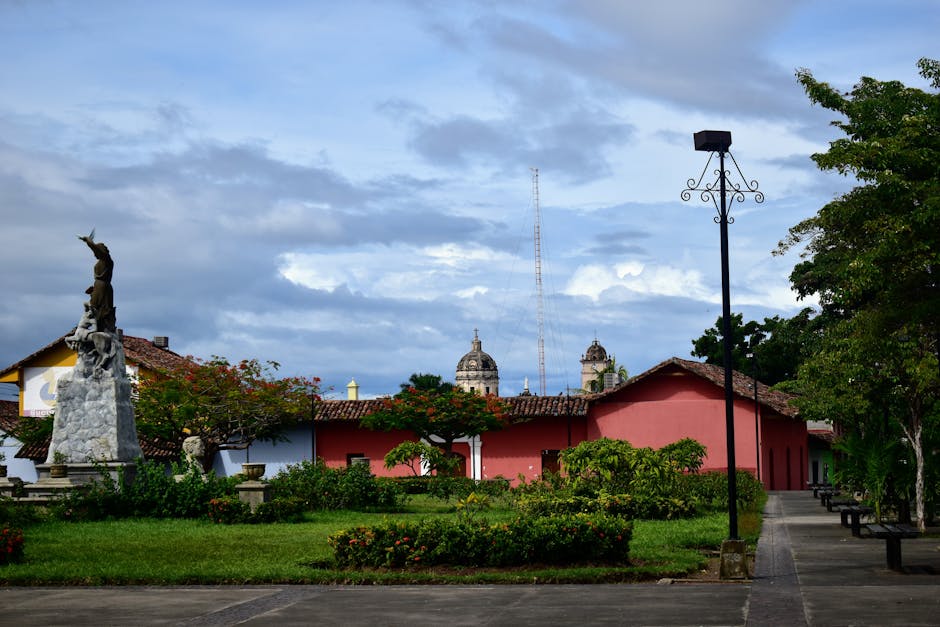
Colonial architecture and statue in a scenic town square on a cloudy day., Olancho, Honduras
Budget Accommodation Guide
Olancho is not built for mass tourism, which means accommodation prices are refreshingly low and, ironically, the people are incredibly warm. Your best bet is to base yourself in Juticalpa (the department capital, best transport connections, more dining options) and do day trips to Catacamas, which is 45 minutes east by bus ($1.50) and is the launch point for Sierra de Agalta National Park and the Cuevas de Talgua.
In Juticalpa:
- Hostal La Casa Vieja (Barrio La Merced, $10–12 per person dorm, $18–20 private): A converted 1920s coffee merchant’s mansion with high ceilings, a bougainvillea-filled courtyard, and a shared kitchen. The owner, Doña Made,

Aerial view of Tegucigalpa city with mountain backdrop under a clear blue sky., Olancho, Honduras