
Altamira, Brazil: River Beaches, Amazon Wildlife & Indigenous Heritage (2026)
At 6 AM on the Xingu River waterfront, the morning mist lifts off the water as açaí boats tie up at the wooden docks, their purple loads stacked shoulder-high. The air smells of wet mud, diesel, and boiling tacacá from a nearby stall. Altamira, Brazil, is the Amazon as it actually lives—a frontier town of 110,000 people where river beaches appear and vanish with the seasons, where indigenous voices from over 10 ethnic groups mix with the roar of motorbikes, and where you’ll pay a quarter of what you’d spend in Santarém or Belém for a day that feels like a discovery. Here’s what you’re missing.
Why Altamira, Brazil Stands Out
- Historic Architecture: The Catedral de São José, built in 1950 with Gothic-inspired lines and locally fired clay tiles, stands as the town’s spiritual and visual anchor.
- Cultural Scene: The Festival do Açaí in November celebrates the region’s berry harvest with riverboat processions, indigenous dance, and an endless supply of the purple superfood.
- Local Specialties: You can’t leave without trying tacacá—a hot, tangy soup made with jambu leaves, dried shrimp, and tucupi broth from the manioc root, served in a gourd.
Pro Tip: Plan your visit between June and November, when the Xingu’s water level drops to form sandbar beaches called “praias de rio.” The best stretch—Praia da Catedral—appears only during these months, so check the river gauge before you book your trip.
Map of Altamira, Brazil
Use these interactive maps to explore Altamira, Brazil and plan your route:
📍 View Altamira, Brazil on OpenStreetMap
🗺️ Open Altamira, Brazil in Google Maps
Planning Your Trip: Practical Essentials

A mata fechada, Altamira, Brazil
Getting There and Around
- By Air: Altamira Airport (ATM) receives daily direct flights from Belém via Azul and LATAM, with a flight time of about 1 hour and fares from R$250 (roughly $50). A taxi from the terminal to the town center costs R$30 and takes 15 minutes. Book flights at Skyscanner for best deals.
- By Train: There are no railways reaching Altamira—the rain forest has never seen a train. The nearest rail connection terminates in Parauapebas, 400 km away, so your best bet is to fly or take an overnight bus from Belém.
- By Car: Driving from Belém is a full-day adventure on the BR-230 Transamazonica, a legendary dirt-and-paved highway (about 870 km). You’ll pass logging trucks, macaws, and occasional river ferries. A 4×4 is strongly recommended, especially in the wet season from December to May. Compare car rentals at RentalCars.com.
- Local Transport: Moto-taxis are the city’s workhorses—any ride inside town costs R$5 and you’ll be clinging to a cheerful local driver. Regular taxis are R$10 to R$15. City buses run from 6 AM to 10 PM for R$3. Check the official Altamira transport Facebook page for route updates.
Best Time to Visit
Altamira has two distinct personalities. The dry season (June through November) exposes broad sandbars and makes river trips and jungle trails manageable. The wet season (December through May) fills the Xingu with fast chocolate-colored water, and the surrounding forest becomes a bird-watcher’s paradise. Travelers who want the full river-beach experience should aim for the dry months, but those who prefer wildlife photography and fewer tourists will relish the green intensity of the rains.
| Season | Weather | Highlights |
|---|---|---|
| Summer (Jun-Aug) | 26–32°C, minimal rain, bright skies | Praia da Catedral sandbars, riverboat trips, low mosquito pressure; moderate crowds |
| Winter (Dec-Feb) | 24–30°C, heavy afternoon downpours, high humidity | Lush forest, flooded igapó channels for canoe exploration, fewer visitors; some trails muddy |
| Shoulder (Apr-May/Sep-Oct) | 25–31°C, transition showers, warm sun | Mixing both worlds—beach days in September, forest-bloom adventures in April; best value on flights |
Budgeting for Altamira, Brazil
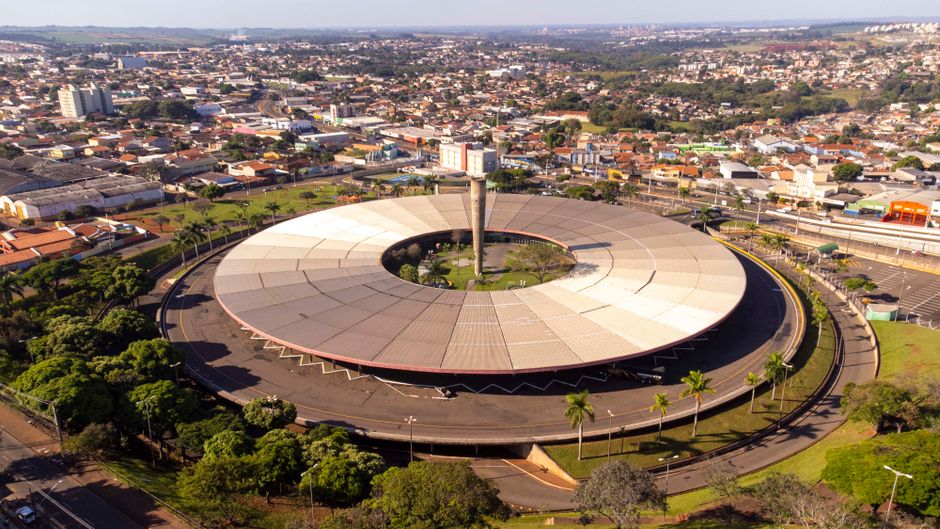
Aerial shot of the Londrina bus terminal with cityscape background, Altamira, Brazil
Compared with the rest of Brazil, Altamira is refreshingly inexpensive. Most travelers find they can live well on less than R$200 per day. Here’s what you can expect to pay:
Top Attractions and Must-See Sights
| Attraction | Description | Hours | Entry Fee |
|---|---|---|---|
| Praia da Catedral | The star of Altamira—a vast white sandbar that appears on the Xingu River every dry season, with shallow swimming pools and beach bars serving ice-cold coconut water. | Sunrise to sunset (best before 10 AM) | Free; boat transfer R$10 |
| Catedral de São José | Historic 1950s cathedral with tall local-brick portico and stained-glass depictions of Amazonian saints; the plaza out front hosts evening music. | Mass at 7 PM Mon–Sat; tours upon request | Free |
| Museu Municipal de Altamira | Small but fascinating museum in a converted rubber mansion, displaying indigenous artifacts, photos of the Transamazonica construction, and Xingu riverine history. | Tue–Fri 8 AM–5 PM; Sat 9 AM–1 PM | R$5 |
| Volta Grande do Xingu | The “Great Bend” of the Xingu River—dramatic rapids and huge granite rocks that mark a geological and cultural frontier. You’ll see family groups bathing and indigenous canoes. | Daylight hours; hire a boat guide | Boat hire from R$120 per group |
| Serra do Pardo National Park | A protected mosaic of dry forest and savanna, 60 km south, home to jaguars, giant anteaters, and the world’s last wild Spix’s macaw habitat initiatives. | Requires advance authorization; check with ICMBio | Free; guide service R$200 |
3-Day Itinerary: Highlights & Hidden Gems of Altamira, Brazil

Captivating view of Pampulha Church in Belo Horizonte, Altamira, Brazil
Day 1: River Life & Sandbar Beaches
- Morning: Head to the Porto do Açaí dock at 7 AM and catch a communal boat (R$10) across to Praia da Catedral. You’ll have the sandbar nearly to yourself for an hour of swimming before the sun intensifies. Locals recommend bringing your own chair—the beach bars only set up around 10 AM.
- Afternoon: Return to town at noon and walk to Açaí da Praça at Praça São José for a bowl of giant açaí with granola and banana (R$8). Then explore the small artisan market next door—look for Araweté feather earrings and carved seed necklaces.
- Evening: At 6 PM, grab a bench on the riverfront wall along Av. Tancredo Neves to watch the sky turn pink over the Xingu. For dinner, order the grilled pirarucu at Restaurante Ariú (R$45) and finish with cachaça-infused cupuaçu juice.
Day 2: History, Architecture & Jungle Trails
- Morning: Start at 8 AM with a pastry and strong coffee at Padaria Riviera, then walk to the Catedral de São José and the Museu Municipal. The museum’s photo collection of the Transamazonica construction in the 1970s will give you a deep appreciation for the town’s frontier grit.
- Afternoon: Hire a moto-taxis driver (R$15) to take you to the Trilha do Jabuti, a 3 km jungle loop behind the university campus. You’ll see giant kapok trees, trogons, and maybe the occasional monkey troop. Lunch at Tacacá da Dona Maria—order the namesake bowl with extra jambu for the tingly mouth sensation.
- Evening: As dusk falls, join families at Praça do Leão for free forró dancing on Sundays, or grab a cold beer at Bar do Peixe if you’re visiting mid-week. The bar’s fried filhote fish nuggets are legendary.
Day 3: Indigenous Culture & The Great Bend
- Morning: Take a guided 4×4 (organize the night before; about R$250 per person with lunch and guide) east along the BR-230 to the Volta Grande do Xingu. You’ll pass cacao groves and see the river bend from a viewpoint that looks like a green ocean of canopy. Your guide will point out arapaima surfacing in the shallows.
- Afternoon: Visit the Associação Indígena Araweté just outside town. The community welcomes travelers to learn about featherwork, cassava cultivation, and their recent battle for land recognition. Purchase a woven basket directly from the artisan—your money goes straight to the village. Lunch is a communal meal of grilled tambaqui and manioc flour.
- Evening: Back in Altamira by 5 PM, celebrate your last night with a riverfront dinner at Peixaria do Xingu. Order the caldeirada (fish stew for two) and watch the lights of the cargo boats drift by. Raise a glass of cold Guinness—the local favorite—to your adventure.
</

