
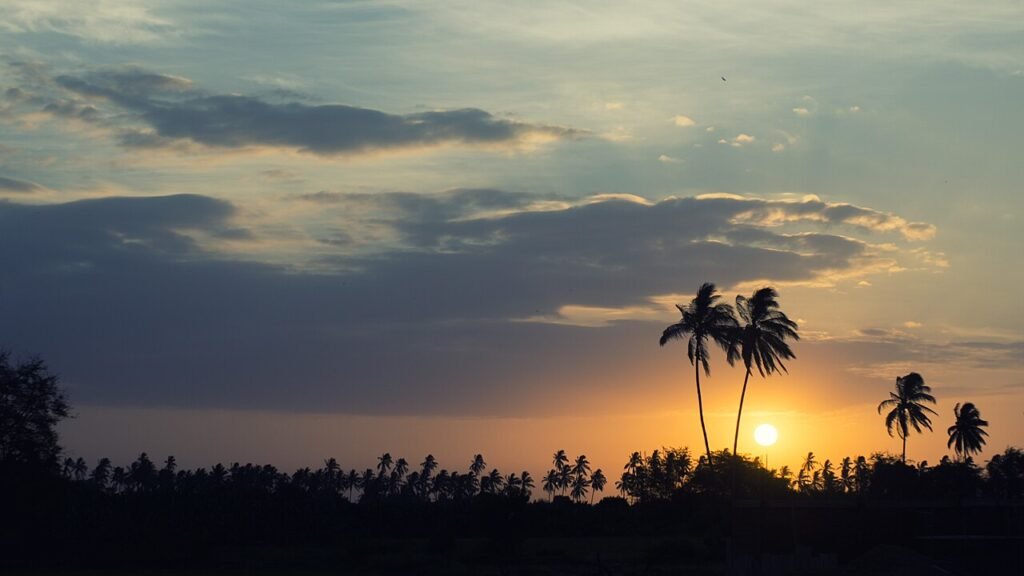
Sullana, Peru Weekend: Markets, Mangoes & the Soul of the Chira Valley (2026)
You step off the combi and into the thick, honeyed air of Sullana—a smell of ripe mangoes, diesel fumes, and wood-fired humitas wafting from a corner cart. The heat wraps around you like a wool blanket as a street vendor shouts “¡Ceviche, ceviche! A punto de mar!” and the clatter of mototaxis becomes the city’s pulse. For a weekend, you trade tourist trails for raw, vibrant northern Peru.
Quick Facts Before You Go
- Best Months: April through November (dry season, fewer mosquitoes, clear skies for the Chira River)
- Currency: Peruvian Sol (PEN). As of early 2025, 1 USD ≈ 3.7 soles. Budget 180–280 soles per day for moderate comfort.
- Language: Spanish. English is rarely spoken outside a few hotels; travelers should pack a phrasebook or app.
- Budget: 120–180 soles (budget), 300–500 soles (midrange) daily including food, transport, and a basic room.
- Getting There: Fly into Piura’s Capitán FAP Guillermo Concha Ibérico Airport (PIU) – 45 minutes from Sullana by taxi/colectivo (30–40 soles). Book at Skyscanner.
Day 1: Mango-Scented Markets and River Secrets
You start your weekend before the sun fully burns off the haze. At 7:30 a.m., the streets near the Plaza de Armas are already alive—shopkeepers hosing down sidewalks, children running to school in white uniforms, and the first line of people queuing at a stall that sells tamales wrapped in banana leaves. Sullana wakes early, and so should you.
- Morning (8–11am): Head straight to Mercado Modelo de Sullana (Jirón 28 de Julio, free entry). Wander the chaotic aisles of stalls piled high with giant mangoes (the region’s pride), fresh catches from Paita, and bundles of yerba buena. Locals recommend you try a glass of chicha de jora (corn beer) from Doña Rosa’s stand at the far end—1 sol a glass, a sour-fermented taste of the north. Budget: 5–10 soles for a snack and drink.
- Lunch: Walk two blocks to El Ñato Cevichería (Jr. San Martín 450). The ceviche mixto (15 soles) comes with lime, red onion, cancha, and a whole fried fish head staring at you—and it’s the best you’ll have east of the Pacific. Pair it with an Inca Kola or a cold bottle of Cusqueña beer (4 soles).
- Afternoon (1–5pm): Take a mototaxi (7 soles, 15 minutes) to the Poechos Reservoir (also known as Lago Poechos). Locals come here to kayak, paddleboard, or just sit under the carob trees watching the Chira River widen into a lake. Kayak rentals run 25 soles per hour. For a quieter experience, visit the smaller La Bocana viewpoint on the east side—you’ll often have it to yourself. If you prefer land, the Bosque de los Naranjos (a small nature path with citrus trees) is a 20-minute hike from the dam.
- Evening: Return to town for dinner at La Chira Vieja (Av. Grau 123, near the bridge). The vibe is casual, almost family-restaurant style, with a terrace overlooking the river. Their seco de chavelo (goat stew slow-cooked with aji and cilantro, 18 soles) is a northern classic. Afterwards, catch the sunset from the Puente de Integración pedestrian bridge—vendors sell lucuma ice cream (2 soles) and the sky blazes orange over the water. Travelers often linger for an hour, just watching the light fade.

Street Shot Sullana, Peru
Day 2: Churches, Craft Guilds, and a Last Feast
Sunday morning in Sullana is slower, more devout. Church bells echo from the neogothic San Miguel Arcángel Cathedral and families stroll the main square in their best clothes. You’ll feel a calm that contrasts sharply with Saturday’s market frenzy.
- Morning (8–10am): Breakfast at Don Batata’s (Jr. Bolívar 210). Here you order a pan con chicharrón (crunchy fried pork in bread, 6 soles) with a shot of hot camote (sweet potato) and rocoto cream. Perfect with a cup of dark local coffee (2.50 soles). The owner will likely tell you the story of how his father brought the recipe from Catacaos.
- Midday (10am–1pm): Walk to the Iglesia de San Miguel Arcángel (Plaza de Armas, free). Step inside to see the gilded altars and the wooden crucifix said to have survived the 1975 flood that swept half the city. Locals recommend climbing the bell tower (ask the sacristan, small donation of 5 soles) for a panoramic view of the city and the Chira Valley quilted with rice fields. Insider tip: go before 11 a.m. to avoid the choir practice that echoes loudly.
- Afternoon (1–4pm): Explore the Barrio de los Artesanos (Craftsmen’s Quarter) around Jirón 2 de Mayo, three blocks from the cathedral. Here, weavers and potters work open storefronts. Don’t miss Taller de Doña Cachi (Jr. 2 de Mayo 456), famous for her tejido de paja toquilla—the fine straw hats used in the region. A simple hat costs 40–60 soles; a handwoven sombrero sulleño can run 120 soles. You’ll also find pottery painted with scenes of the Chira River. Bargaining is light, but a friendly smile and a “¿cuánto lo último?” (your best price?) works.
- Final Evening (5–7pm): For your farewell dinner, go to Restaurante La Perla del Chira (Av. Circunvalación 789, near the bus terminal). It looks unassuming from the street, but the arroz con pato (duck rice, cilantro-infused, 25 soles) is legendary. The duck is so tender it falls off the bone. Order a side of yuccas fritas (5 soles). If you still have room, finish with mango con crema (12 soles)—slices of the region’s famous fruit with sweetened condensed milk. As you eat, you’ll watch mototaxis rumble past and families packing up their stalls—a perfect closing scene.
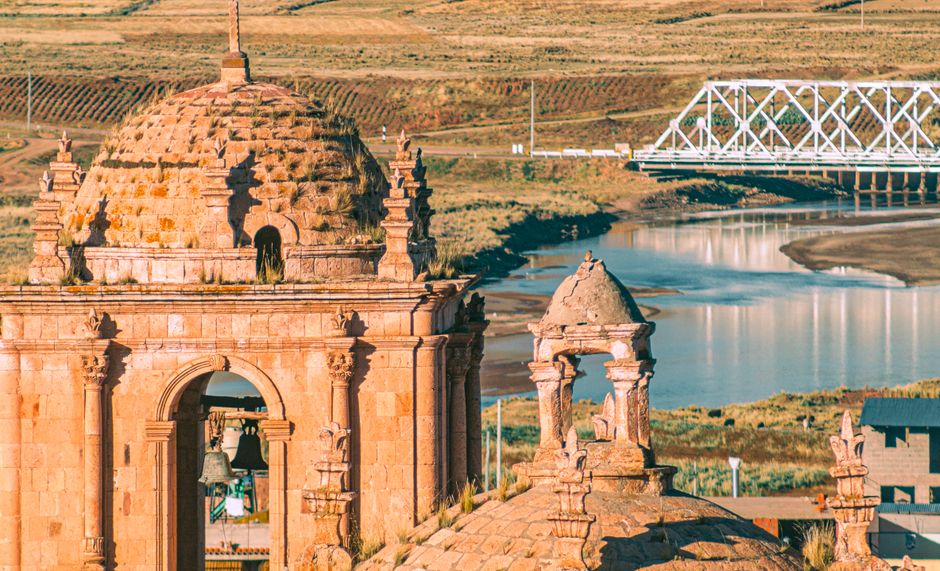
Majestic ancient temple with bridge over a tranquil river in a rustic landscape., Sullana, Peru
The Food You Can’t Miss
Food in Sullana is not subtle. It’s loud, bright, and unapologetically rich—like the city itself. You’ll discover that the Chira Valley supplies most of Peru’s mangoes and rice, so expect those in everything. Street food rules: vendors push carts of humitas (sweet corn cakes steamed in husks, 2 soles) and choclo con queso (large-kernel corn with fresh cheese, 3 soles) on every corner. The most iconic street bite is the salchipapa sulleña—a heap of fried potatoes, sausage slices, and a drizzle of tangy huancaina sauce, wrapped in a paper cone for 6 soles. You’ll find it at stalls near the market every evening.
For a full restaurant experience, El Ñato Cevichería remains the go-to for ceviche, but locals also whisper about Don Washo’s (Jr. 28 de Julio 600), a no-menu spot where fish is whatever the fishermen brought that morning. If you go before noon, you might get jalea (mixed fried seafood, 20 soles) with an astonishing crust of crackly batter. The fire roasted rocoto peppers on the table will make your nose run, but you’ll crave them later. Prices for a full local meal rarely exceed 25 soles per person; splurges like duck rice or grilled river fish run 30–40 soles.

The historic cathedral in Puno, Sullana, Peru
Where to Stay for the Weekend
The best base for visitors is the Centro neighborhood around the Plaza de Armas. It’s walkable, safe at night, and close to the market and cathedral. For midrange comfort, Hotel El Sol (Jr. Grau 301, doubles from 80 soles) offers clean, air-conditioned rooms with hot water and a small pool—a lifesaver in the heat. For a more local experience, Hostal San Miguel (Jr. Bolívar 150, doubles from 45 soles) is basic but friendly, with rooftop views of the cathedral. Budget travelers often stay at Pensión La Perla (Jr. 2 de Mayo 200, dorm beds from 20 soles). If you prefer a quiet escape, consider Eco Lodge Poechos (a 20-minute drive from town, doubles from 120 soles) set right at the reservoir with bungalows and a terrace overlooking the water. Book hotels at Booking.com or find apartments on Airbnb.
Before You Go: Practical Tips
- Getting Around: Mototaxis (tricycle taxis) cost 4–8 soles for short hops within the city. For the reservoir or farther out, shared colectivos (small minibuses, 3–5 soles) run from the main plaza to surrounding villages. Renting a car is not recommended unless you’re experienced with narrow, potholed roads and unpredictable traffic.
- What to Pack: Light cotton clothing (synthetic dries faster in humidity); a wide-brimmed hat and high-SPF sunscreen (the equatorial sun is brutal); insect repellent with DEET (especially for evenings near the river); and a reusable water bottle (street stalls sell filtered water for 0.50 soles per liter).
- Common Tourist Mistakes: Wearing shorts after sunset—mosquitoes carrying dengue are active from dusk, so long pants and repellent save you. Also, don’t expect English menus; download a translation app or learn basic food terms. Gambling at the market’s “three-cup” shell game is a sham—savvy visitors walk past.
- Money-Saving Tip: Eat at the market’s cooked-food stalls (fondo) lunch—a plate of rice, beans, chicken, and salad costs 8–12 soles, enough for two meals. Avoid the tourist-set menu restaurants near the plaza that charge 25 soles for similar food. Dinner at the market closes by 6 p.m., so plan lunch there daily.

