
Bondowoso, Indonesia Weekend: Coffee Plantations (2026)
The morning air hits you first – thick with the sweet, fermented tang of tape manis cooking in cauldrons at Pasar Induk, while the distant rumble of a becak’s horn cuts through the chatter of merchants unloading pyramids of emerald-green coffee cherries. In Bondowoso, East Java’s best-kept secret, you don’t just visit a place – you inhale its story. For 48 hours, you’ll trade tourist trails for volcanic edges, cassava cakes for sunrise on a sulfur-stained crater, and wake up in a corner of Indonesia where the coffee is strong, the locals smile easily, and every street corner whispers of a land that refuses to be tamed.
Quick Facts Before You Go
- Best Months: April to October (dry season). Avoid December–February when heavy rains make Ijen Crater trails treacherous and tape sellers pack up early.
- Currency: Indonesian Rupiah (IDR). At press time, 1 USD ≈ 16,000 IDR. ATM machines cluster around Alun-Alun Bondowoso – carry cash for market purchases.
- Language: Javanese and Indonesian. English is limited outside hotels. Savvy visitors download Google Translate offline and learn three phrases: Matur nuwun (thank you), Pinten regane (how much), and Enak tenan (truly delicious).
- Budget: IDR 400,000–800,000 (USD 25–50) per day for mid-range travelers, including food, local transport, and one major attraction like Ijen.
- Getting There: Nearest airport is Banyuwangi (1.5 hours by car). From Jakarta or Bali, flights land in 1–1.5 hours. Alternatively, take a train to Bondowoso Station from Surabaya (4 hours, IDR 60,000–150,000). Book at Skyscanner for flights.
Day 1: The Aroma of Tape & Java’s Forgotten Coffee
You wake to the clatter of becaks on Jalan Pemuda and the unmistakable smell of tape manis – fermented cassava that locals say is sweeter than any love affair – simmering in a warung down the street. Today is for sinking into Bondowoso’s rhythm: a market that hasn’t changed in decades, a coffee plantation that grows beans you’ll never find in any chain, and a sunset that paints the Ijen Highlands in shades of bruised purple. Travelers often discover that Bondowoso’s real treasure isn’t a single monument – it’s the unhurried way time moves here, measured in sips of robusta and the clink of becak bells.
- Morning (8–11am): Start at Pasar Induk Bondowoso (Jalan Merdeka, free entry). You’ll weave through stalls piled with palm sugar, fresh turmeric, and tape manis sold in banana-leaf wraps – try a bite for IDR 5,000. Don’t miss the coffee corner at Warung Kopi Mbok Darmi (Jalan Ahmad Yani No. 12, open 6am–11am). For IDR 8,000, you get a clay cup of robusta so thick it leaves a grit on your tongue – locals recommend pairing it with a fried banana fritter.
- Lunch: Depot Nanas (Jalan Dr. Sutomo No. 33, +62 332 421234). Order nasi tempong (IDR 25,000) – a plate of steamed rice, crispy fried tempeh, boiled vegetables, and a sambal that will clear your sinuses for days. The secret is the fresh kencur (galangal) in the chili paste. Arrive by 11:30am or risk the queue.
- Afternoon (1–5pm): Take a guided tour of Kebun Kopi Klasik Beans (Desa Sukowono, 20 minutes from town). For IDR 75,000 per person (book via WhatsApp at +62 813-3345-6789), you’ll walk through rows of arabica and robusta trees planted in the 1930s by Dutch colonists. You’ll learn how coffee cherries become the beans that fuel half of Java – and taste a single-origin brew that tastes of chocolate, tobacco, and wild honey. Most tourists overlook this plantation for the more famous Ijen, but seasoned travelers know it’s where you find the real Bondowoso.
- Evening: Head to Warung Makan Mbak Yuni (Jalan KH. Wahid Hasyim, open 5pm–10pm). The specialty is tape bakar (grilled fermented cassava, IDR 12,000) – a sweet-sour explosion that pairs perfectly with es kelapa muda (young coconut ice, IDR 8,000). The air smells of charcoal and coconut, and families knock back mugs of sweet tea while becak drivers smoke clove cigarettes nearby. For a more substantial dinner, order pecel Bondowoso (IDR 20,000) – a peanut-sauce salad with fresh water spinach and cucumber that locals say cures any heat-induced fatigue.

Bondowoso, Bondowoso Sub-District, Bondowoso Regency, East Java, Indonesia, Bondowoso, Indonesia
Day 2: Into the Blue Fire – Ijen Crater’s Dawn
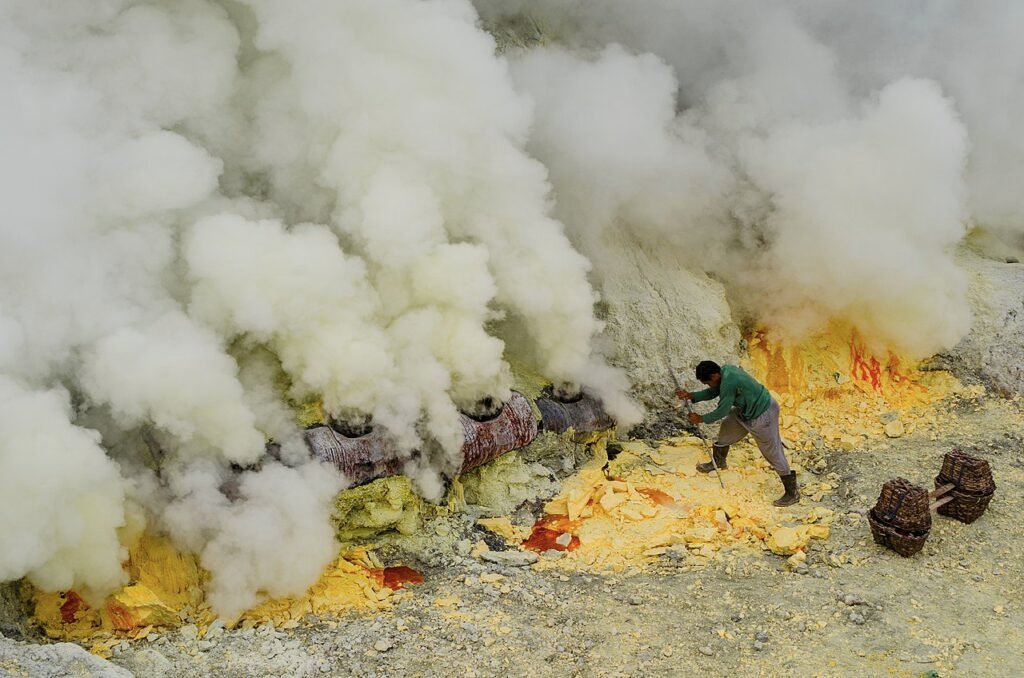
Your alarm screams at 12:30am – and you’ve never been happier to drag yourself out of bed. Tonight, you’re chasing the electric-blue flames of Ijen Crater, a phenomenon that draws travelers from across the globe but remains a secret even to many Javanese. By sunrise, you’ll stand at the edge of Earth’s largest acid lake, sulfur miners trudging past with baskets that weigh 80 kilograms, and the sky bleeding into a palette that no photograph can ever capture. This is Bondowoso’s wild heart: unforgiving, breathtaking, and utterly unforgettable.
- Morning (12:30am–8am): Join a guided tour from Bondowoso (book via Ijen Trekking Expert, +62 813-3987-6543, IDR 350,000 per person including transport, guide, and entry fee). The car picks you up at 1am for a 1.5-hour drive to the Paltuding post. From there, you hike 3 kilometers up a steady incline for 90 minutes – bring a headlamp, jacket (temperatures drop to 10°C), and a disposable mask for sulfur fumes at the rim. By 4:30am, you’ll see the legendary blue flames flickering through cracks in the rock, like Earth breathing fire. The trail closes at 7am for safety, so your window is tight. Savvy visitors bring a windbreaker and earplugs – the miners’ pickaxes echo in the dark.
- Midday (9am–12pm): Back in town, refuel at Warung Sari Rasa (Jalan Diponegoro No. 45, +62 332 423456). Their bubur ayam Bondowoso (chicken congee, IDR 18,000) is a local secret – topped with crispy shallots, soft-boiled egg, and a dollop of sambal that wakes you faster than any espresso. Insider tip: ask for ekstra kerupuk (extra crackers) to add crunch.
- Afternoon (1–4pm): Explore Kampung Tape (Desa Tapen, 15 minutes north of town). This neighborhood is named for its primary product – you’ll see sheets of tape manis drying on bamboo racks in every front yard. Visit Ibu Siti’s Tape Shop (no phone, just ask locals for “Rumah Tape Ibu Siti”). She sells tape goreng (deep-fried cassava, IDR 10,000 for a bag) – the texture is chewy, sweet, and slightly smoky. Try her tape pudding (IDR 5,000) for dessert.
- Final Evening (5pm onwards): Farewell dinner at Rumah Makan Padang Sederhana (Jalan Kyai Haji Agus Salim No. 68, +62 332 421789). Order rendang daging (beef cooked in coconut milk and spices, IDR 35,000) and sambal ijo (green chili sambal, IDR 5,000) – the flavors are so deep they’ve been simmering since your grandparents’ era. Pair it with teh talua (egg tea, IDR 8,000 – a local version of Thai milk tea with a raw egg yolk stirred in for creaminess). As you sip, listen to the call to prayer from Masjid Agung Bondowoso – a sound that has marked time here for over a century.

Green mountain during daytime, Bondowoso, Indonesia
The Food You Can’t Miss
Bondowoso’s food is an orchestra of contrasts: the sour bite of tape manis against the fiery punch of sambal, the cool relief of kelapa muda against the earthy richness of robusta. Your first taste of tape – the city’s iconic fermented cassava – happens the moment you step into any warung. Locals eat it for breakfast, fried as tape goreng (IDR 10,000), or grilled as tape bakar (IDR 12,000), or simply raw with a sprinkle of palm sugar (IDR 5,000). The fermentation process takes three days, and the result is a sweet-sour, slightly alcoholic treat that travels through history – it was a staple for Javanese farmers during Dutch colonial times because its natural yeasts provided energy for long days in the fields.
For a sit-down meal, Depot Nanas is your best bet for nasi tempong (IDR 25,000) – the dish that Bondowoso is known for across East Java. The secret lies in the sambal tempong: a paste of bird’s eye chili, tomato, shrimp paste, and kencur (a root ginger) pounded in a mortar until it releases an intoxicating, earthy aroma. You eat it with steamed rice, fried tofu, boiled spinach, and a side of crispy fried tempeh. Travelers often discover that the real magic is in the krupuk rambak – crackers made from buffalo skin that pop and crackle in your mouth.
Street food lovers shouldn’t miss the sate lilit Bondowoso (IDR 15,000 for 10 skewers), sold by carts near Alun-Alun from 5pm onwards. Unlike Balinese versions, these are marinated in a turmeric-coconut sauce and grilled over charcoal that smells of clove and sea salt. Follow it with es campur (IDR 12,000) from Kios Es Pak Yanto (Jalan Pasar, corner of Jalan Merdeka) – a glass of shaved ice, palm sugar syrup, jackfruit, and condensed milk that’s the perfect antidote to Bondowoso’s tropical heat.

A group of people standing on top of a dirt road, Bondowoso, Indonesia
Where to Stay for the Weekend
You have two distinct options in Bondowoso: sleeping in the heart of town near the markets, or retreating to the cool highlands near Ijen for a more tranquil base. For the weekend, most travelers prefer staying central – it puts you within walking distance of the best warungs and the becak stands that connect everything.
Around Alun-Alun Bondowoso (the town square) – this is where you want to be. Hotel Palm Bondowoso (Jalan Dr. Sutomo No. 18, +62 332 421345, from IDR 250,000/night) offers clean, air-conditioned rooms with private bathrooms. The rooftop terrace serves black coffee at sunrise, and the front desk can organize Ijen tours. For a budget option, Losmen Family (Jalan KH. Wahid Hasyim No. 5, from IDR 100,000/night) is bare-bones but friendly – you’ll share a bathroom and hear becaks all night, but the location is unbeatable. Search Booking.com for both properties.

