
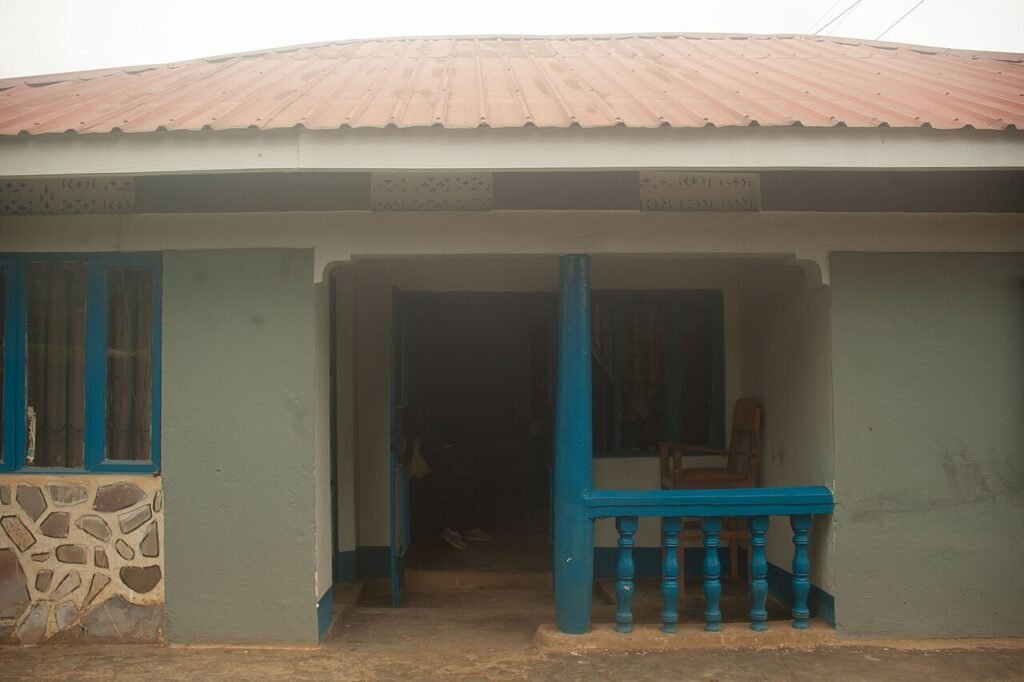
Beyond the Crater Lakes: Why Kabarole’s Crown Still Shines for Those Who Venture West (2026)
On a misty morning in 1906, a young Omukama (king) named Kasagama bowed his head as British officials handed him the keys to a modest brick bungalow perched on a hill overlooking the Ruwenzori foothills. He had returned from exile to rule the Kingdom of Toro, but the colonial administration had something else in mind: they renamed his capital Fort Portal, after a British governor who never actually visited. Kasagama accepted his fate, but the Toro people never forgot. They called their land Kabarole—”the place where things come together”—and today, that stubborn, gracious spirit greets every traveler who arrives.
The Story Behind Kabarole, Uganda
To understand Kabarole, you must first understand the Kingdom of Toro—one of Uganda’s four ancient constitutional monarchies. In the late 19th century, Toro was a breakaway state from Bunyoro, carved out by the ambitious Prince Kaboyo in 1830. But Kabarole’s true transformation began in 1891, when the young prince Kasagama was restored to the throne with British support after fleeing to Buganda. In exchange for protection, Kasagama signed a treaty opening Toro to British administration, and by 1901, the colonial authorities had established Fort Portal as their district headquarters.
The red-brick architecture you’ll see throughout the town center—the old post office, the district headquarters, the St. John’s Cathedral—dates from this period, built by Indian artisans who arrived with the British to construct the railway. But travelers often discover that Kabarole’s character runs deeper than its colonial grid. The Toro Kingdom retains a powerful cultural presence: the Omukama still resides in the Karuziika Palace (completed in 1963), and each August, the Empango ceremony draws thousands for a three-day celebration of drumming, dance, and royal tradition. Locals recommend visiting during this period, not only for the pageantry but because the town swells with a joyous energy you won’t find any other time of year.
The turning point for modern Kabarole came in 1992, when the Ndali–Kasenda crater lake region was designated a Ramsar wetland site. Since then, sustainable tourism has quietly reshaped the local economy. Today, travelers come primarily for the dozen emerald crater lakes that dot the rolling hills west of town, but they stay—often longer than they planned—for the unhurried rhythm of a community that has learned to balance tradition with change.
Neighborhood by Neighborhood
Boma (Old Town)
Boma is where Kabarole’s layered history is written onto street corners. Centered on Rukidi Road and the roundabout with its curious cow statue—a tribute to the Ankole longhorn that sustained the Toro people—this neighborhood feels like a living museum of 20th-century East Africa. The buildings here are painted the deep red of local clay bricks, with wide verandas and corrugated iron roofs that clatter softly in the rain. You’ll find the old post office (constructed 1911) still operating, and, across the street, the Fort Portal Central Market, where the scent of ripe jackfruit and smoked fish drifts upward in the morning cool. The best time to explore Boma is just after dawn, before the heat sets in; you can watch the women lay out woven baskets of groundnuts, dried cassava, and the tiny, spicy “Nyonyo” peppers that locals grind into paste. Don’t miss the St. John’s Cathedral compound on Kabarole Road—the stone church, built in 1936, has stained-glass windows depicting scenes from the life of Jesus set against Rwenzori peaks. A small donation of 5,000 UGX (about $1.30) gains you entry to the peaceful garden, where the silence is broken only by the bell calling the faithful to noon prayer.
Rwaihamba (The Crater Lake Gateway)
Just six kilometers west of Boma, Rwaihamba is the neighborhood that bridges town and countryside. This is where travelers base themselves for crater lake adventures, and the shift in atmosphere is immediate: the paved road turns to graded murram, the red dust coats your boots, and houses give way to tea plantations that roll across the hillsides like green corduroy. Rwaihamba’s lodges and guesthouses are built in a relaxed, eco-conscious style—think solar-heated showers and wooden decks overlooking Lake Nkuruba or Lake Nyabikere—and the neighborhood hums after sunset with conversations of travelers from a dozen countries gathered around communal fire pits. Local guides congregate near the Rwaihamba Trading Centre each morning at about 8:30 AM, offering crater lake hikes for 40,000–50,000 UGX (around $10–14) per person. A surprising highlight: the Rwaihamba Pottery Workshop, where women produce traditional Toro cooking pots using techniques passed down through six generations. You can buy a small pot for 10,000 UGX, and the proceeds support the local school. Savvy visitors know to arrive by late afternoon, when the light turns the lake waters the color of tarnished copper and the Angola colobus monkeys begin their chattering chorus from the canopy.
Kasese Road Corridor
Heading south out of town toward Kasese and the national parks, this four-kilometer strip is Kabarole’s commercial and transport spine—dusty, chaotic, and absolutely full of life. Unlike Boma’s historical grace or Rwaihamba’s calm, the Kasese Road Corridor is pure utility: motorcycle taxis (boda-bodas) swarm the intersections, trucks groan past carrying matoke and timber, and roadside stalls sell everything from phone credit to roasted maize cobs slathered in lime and chili powder. This neighborhood rewards the curious traveler. About two kilometers from the town center, you’ll find the Toro Botanic Garden, a surprisingly serene 250-acre reserve established in 1940 for research on indigenous plants. The entry fee of 10,000 UGX covers a self-guided walk through a canopy of mahogany, fig, and palm trees, where you might spot black-and-white colobus monkeys or the elusive blue turaco. Locals recommend visiting between 10 AM and noon, when the light filters through the leaves in shafts of gold and the garden is at its quietest. The corridor also hosts the best fuel stations and supply shops—if you’re self-driving to Kibale or Queen Elizabeth National Park, this is where you fill your tank and buy extra water. Most tourists rush through this area, but your best bet is to allocate at least an hour to stroll the main strip, greet the fabric sellers, and sample fresh sugarcane juice from a vendor near the TotalEnergies station.
The Local Table: What Denizens Actually Eat

Mpanga market is the biggest permanent market in Fort Portal Municipality a…, Kabarole, Uganda
Kabarole’s food culture, like most of the Rwenzori region, is built around matoke (steamed green bananas), groundnut sauce (ebinyobwa), and generously sized portions of boiled cassava or sweet potato. But what distinguishes Toro cuisine from other Ugandan traditions is the role of dairy. The Ankole longhorn cattle that graze these hills produce rich, creamy milk that locals drink fresh, ferment into amashurwa (a tangy yogurt-like drink), or cook into omukaro—a thick porridge of millet and milk that is the prototypical breakfast food. You cannot visit Kabarole without trying eshabwe, a soft, salty ghee that is spooned over matoke or beans, and which Toro elders claim originated in the palace kitchens of Bwamba centuries ago.
For a true taste of how locals eat, make your way to the Mama Rose’s food stall in the Boma Market, a short walk from the cathedral. Mama Rose has been serving her signature matoke with groundnut sauce and steamed cassava since 1999, and she operates on a simple system: you sit on a wooden bench under a blue tarpaulin, she brings you a portion on a banana leaf, and you eat with your hands as generations of Toro people have done. A full plate costs 5,000 UGX. The dish is humble, but the secret is in the sauce—groundnuts roasted in a pan, ground with a stone mill, and simmered in milk and fresh sorrel leaves. If you want to experience the region’s dining at its finest, book dinner at Kyaninga Lodge on the crater rim, where the menu weaves local ingredients into Continental dishes; the beef comes from local Ankole cattle, and the vegetables are foraged from the neighboring farms. A three-course meal runs about 75,000 UGX—not cheap, but exceptional. And on Sunday mornings, travelers often discover the weekly community feast at Rwempala Village, where women of the Bukonzo Cooperative serve a buffet of local dishes (roasted goat, millet bread, pumpkin stew) for 15,000 UGX per person, with proceeds funding the village school. It runs from 11 AM to 2 PM, and the vibe is family-style, loud, and unforgettable.
Art, Music & Nightlife
Kabarole’s creative scene hums under the radar. The Toro people are renowned for their oral tradition of empako—praise poetry recited to honor the Omukama and clan elders—and the art of pottery-making that has survived largely unchanged for centuries. At the Rwaihamba Pottery Workshop, you can watch women fashion clay into cooking pots, water jars, and children’s toys, then purchase a piece to take home. But the most unexpected art encounter in Kabarole is the Fort Portal Art Gallery, a small, airy space on Kamwenge Road, where a collective of young Ugandan painters and sculptors exhibit works influenced by Rwenzori landscapes, Toro mythology, and contemporary African identity. The gallery is free to wander, and the artists often work in residence; you can commission a small painting for about 200,000 UGX. It’s open Monday through Saturday, 10 AM to 6 PM.
For music and nightlife, you’ll find little that resembles a Kampala club. Kabarole’s evenings are about the outdoor community experience. On Fridays and Saturdays, from about 8 PM onward, the outdoor Empaka Social Centre on Kasese Road hosts live performances of omweso (the local board game) accompanied by traditional drumming, and the atmosphere is a mix of serious competition and social gathering. You can sit with a bottle of Nile Special beer and watch elders school younger challengers in the ancient game, accompanied by the deep thud of the engalabi drum. If you want something louder, the Mountains of the Moon Hotel lounge has a DJ on Saturday nights, playing Ugandan pop and reggae until midnight, and you’ll find a mix of travelers and local professionals. For a quieter evening, the Rwaihamba Campfire at the crater lake lodges draws travelers for acoustic guitar and storytelling under an impossibly starry sky—bring a jacket, as the altitude makes nights cool even in the dry season.
Practical Guide
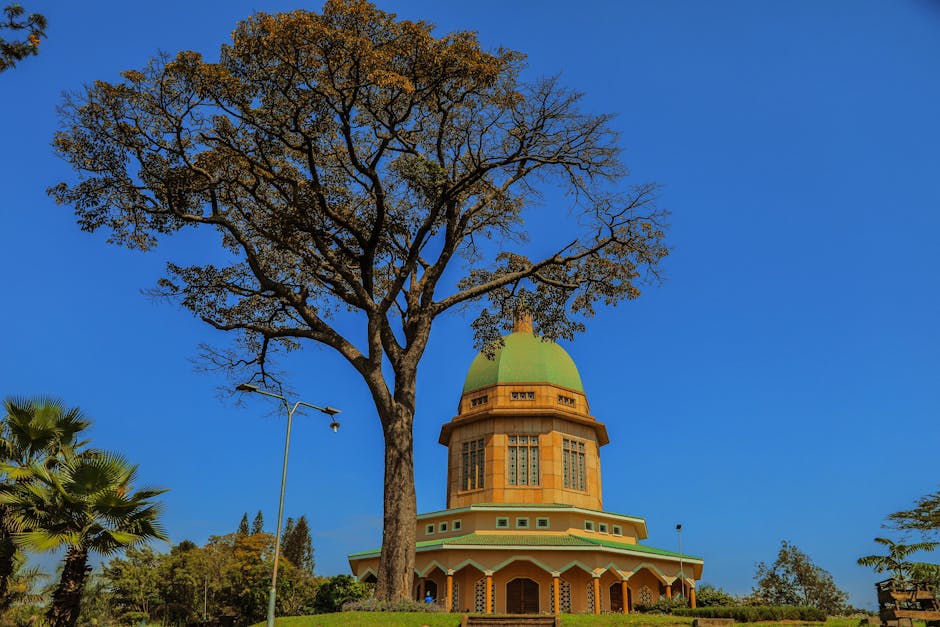
Stunning architecture of a religious building with a distinctive dome near …, Kabarole, Uganda
- Getting There: Fly into Entebbe International Airport (EBB) from major hubs in East Africa, Europe, or the Middle East. From Entebbe, take a domestic flight with Aerolink Uganda or Bar Aviation to Kasese Airport (about 1 hour, $80–100 one way), then hire a taxi to Kabarole (45 minutes, 60,000–80,000 UGX). The more common approach is a 5–6 hour road journey from Kampala via Mubende and Fort Portal town; private taxis from Kampala cost 150,000–200,000 UGX per person. Book flights at Skyscanner
- Getting Around: The town center is walkable, but to reach crater lakes and lodges in Rwaihamba you will need transport. Boda-boda (motorcycle) rides cost 2,000–5,000 UGX for short trips within town, 10,000–15,000 UGX for longer rides to crater lake trailheads. Private taxis (hired for half-day or full day) cost around 150,000–200,000 UGX. For a more authentic experience, use the shared matatus (minibuses) that run along Kasese Road; they cost 1,000 UGX for any route within town.
- Where to Stay: For budget travelers, the Rwaihamba Guesthouse in Rwaihamba offers basic rooms with shared bathrooms from 15,000 UGX per night. Mid-range choice: Kabarole House on Boma Hill, a colonial-era guesthouse with four-poster beds and breakfast included, from 65,000 UGX. Splurge at Kyaninga Lodge, perched on the crater rim with panoramic views, private cottages, and an infinity pool; rates start at 300,000 UGX per night. Check Booking.com
- Best Time: December to February and June to August are the two dry seasons. These months offer sunny skies, manageable roads, and the best wildlife viewing. The Empango royal ceremony falls in August—book accommodation months in advance if this is your aim. Avoid April and May; the rains make red clay roads treacherous and crater lake trails slippery.
- Budget: A budget traveler can manage on about 40,000–50,000 UGX (around $11–14) per day, including basic lodging, local meals, and boda-boda transport. Mid-range travelers spending 80,000–120,000 UGX daily have more comfortable accommodation and can afford guide fees. Luxury travelers budgeting 200,000+ UGX per day can enjoy lodges, fine dining, and private safari guides.
What Surprises First-Time Visitors
Many travelers arrive expecting Kabarole to be merely a pit stop between Kampala and the national parks—and they quickly learn how wrong that assumption is. The first surprise is the climate. Situated at nearly 1,500 meters above sea level, Kabarole enjoys a cool, almost Edenic atmosphere, even when Kampala is sweltering. You will wear a light jacket even in the middle of the dry season, especially in the mornings and evenings, and the mists that roll across the crater lakes give the landscape a perpetually romantic, half-revealed quality. The second surprise is the ease of interaction. Toro people are famously welcoming—more so than in many Ugandan towns. It is common for strangers to greet you with a cheerful “Oli otya?” (How are you?), and for shopkeepers to chat as if you were a returning neighbor. Many visitors find this openness disarming and, honestly, a little humbling.
Perhaps the most profound surprise is the quiet majesty of the crater lake region itself. You may have seen photos of the emerald lakes from the road, but standing on the rim of Lake Nkuruba as the sun sets—with the Rwenzori peaks turning pink to the south and the lake reflecting the sky like a polished gem—is an experience that sticks. Seasoned travelers often discover that the crater lakes rival the lakes of Italy or Switzerland for beauty, without the crowds or the infrastructure. Finally, visitors are often taken aback by how rich Kabarole is in fresh, local produce. The market offers fruits and vegetables that change with the season: jackfruit, mangoes, passion fruit, avocados the size of your hand. Learning to eat in Kabarole means learning to eat what the land gives you. Travelers regularly report returning home with a renewed appreciation for simple, seasonal food, and a resolve to chase it more often in their own countries.
Your Kabarole, Uganda Questions

A stunning aerial shot of Uganda National Mosque, Kabarole, Uganda
Is it safe to walk around Kabarole alone?
Yes, and this is a pleasant discovery for many travelers. Kabarole is considered one of the safer towns in Uganda, with a low rate of street crime and a community where people generally look out for one another. You can walk through Boma and Rwaihamba during daylight hours without hassle, though you should take usual precautions at night—stick to lit streets, avoid carrying valuables visibly, and travel by boda-boda after dark. Local police are present at the main roundabout, and residents are quick to intervene if they see anything unusual. The bigger safety consideration is actually the roads: be cautious of motorbikes and reckless drivers, especially along the Kasese Road corridor, and watch your step on uneven sidewalks in the older parts of Boma.
How long should I stay in Kabarole to really experience it?
Most travelers spend one night, tour two crater lakes the following morning, and then move on to Kibale National Park or Queen Elizabeth. This is a mistake. You should plan at least three full days if you hope to get a real feel for the destination. Day one to explore Boma’s architecture, market, and cathedral, and to take

