
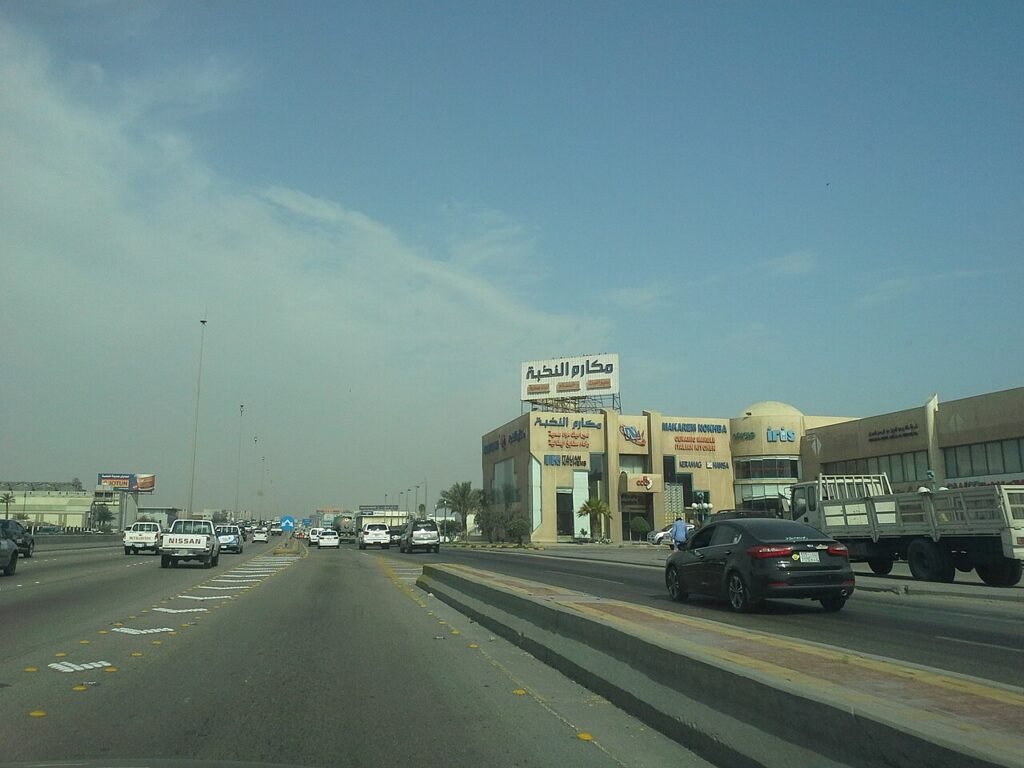
Dammam, Saudi Arabia Weekend: Seafood Breezes (2026)
The first thing you notice is the salt-and-spice air—a mingling of grilled halloumi drifting from a Corniche café and briny Gulf wind curling off the water just beyond the palm trees. It’s late afternoon on a Thursday, the weekend is beginning, and Dammam is warming up to you. Over the next 48 hours, you will walk through souqs that smell of oud and saffron, watch dhows bobbing under sunset gold, and sit cross-legged on a carpet as a plate of kebab arrives so tender it barely holds its shape.
Quick Facts Before You Go
- Best Months: November through February. The Gulf heat lifts, daytime temperatures hover around 22–28°C, and you can walk the Corniche without melting. Summer (June–September) hits 45°C—locals stay indoors until after Maghrib.
- Currency: Saudi Riyal (SAR). Roughly 3.75 SAR to 1 USD. You will find ATM machines everywhere; most shops and restaurants accept international credit cards.
- Language: Arabic is the official language, but English is widely spoken in hotels, malls, and tourist-facing areas. You will manage fine with English alone in the city centre.
- Budget: Moderate. Expect to spend around 400–700 SAR per day all-inclusive (mid-range hotel, meals, transport, and a couple of entry fees). Street food lunches run 20–35 SAR; a sit-down seafood dinner with tea costs 80–150 SAR.
- Getting There: King Fahd International Airport (DMM) serves the city with direct flights from Dubai (1 hour 40 minutes), Doha, Istanbul, and many European hubs during winter. Book at Skyscanner and aim for a Thursday morning arrival to maximise your weekend.
Day 1: The Corniche, the Souq & a Feast by the Sea
You start the weekend with the Gulf breeze in your hair and the distinct feeling that Dammam is a city that wakes up slowly on a Thursday. Forget the frantic pace of Riyadh or Jeddah—here, the morning unfolds at the pace of a tea ceremony. You grab a taxi from your hotel around 9:00 AM and head straight for the water. The Corniche stretches for nearly four kilometres along the coast, and at this hour you will have the promenade nearly to yourself except for a few early joggers and a man selling sweet mint tea from a thermos near the playground. The palm trees cast long shadows, and the sea glitters like hammered tin. It is the perfect introduction: unhurried, open, and entirely yours.
- Morning (8–11am): Walk the Dammam Corniche from Al Shrooq Park to the Water Tower. The path is lined with benches, fountains, and kids’ play areas—plan to stop at the Water Tower viewpoint for your first panoramic photo of the coastline. Free entry. The morning light makes the water look turquoise, and you will catch fishermen casting lines off the rocks. Savvy visitors know to bring a small cup of coffee from a nearby café and sit on the low wall for fifteen minutes just watching the dhows.
- Lunch: Head to Al Fanar Seafood Restaurant on Al Khobar–Dammam Highway. Locals recommend the grilled hammour (local grouper) with rice and a side of tahini salad. A heaping plate with fresh bread and tea costs about 55 SAR. The restaurant is no-frills but spotless, and you will see families eating with their hands from communal platters—join them.
- Afternoon (1–5pm): Spend the afternoon in the old Souq Al Shu’ba (also called Souq Al Dirah). This is where you come for real treasures: frankincense from Oman, handwoven rugs from Yemen, gold jewellery piled high under fluorescent lights, and fabric stalls bursting with silks and cottons. Allow at least two hours to wander the narrow alleys. Most shopkeepers will offer you tea and chat before any transaction—this is part of the ritual. Prices are rarely fixed, so haggle politely. A small string of natural pearls (cultured, not wild) costs about 200–400 SAR. Do not miss the spice stall at the far end—you will smell it before you see it, a cloud of cumin, cardamom, cloves, and za’atar. Buy a small bag of mixed spices for 10 SAR. After the souq, walk five minutes to the Dammam Regional Museum (10 SAR entry, open 8am–2pm Friday, but Thursday hours are 8am–8pm). It is small but thoughtfully curated, with exhibits on the region’s pearl-diving history and Bedouin heritage.
- Evening: Dinner at Layali Al-Haram Restaurant on Prince Mohammed bin Fahd Road. You have not experienced kebab until you have stood at the window of this place and watched the skewers turn over charcoal for four hours. Order the mixed grill platter (85 SAR)—it comes with lamb kebab, chicken tawook, kofta, grilled tomatoes, and a mound of saffron rice. The dining room is loud, tiled, and filled with families—exactly the atmosphere that makes you feel like you have stumbled onto the real Dammam. After dinner, take a slow drive (or a 15-minute walk if you are staying central) along the Dammam Marina, where the yachts and fishing dhows are lit up against the dark water. Stop at one of the small juice stalls near the marina entrance for a glass of fresh sugarcane juice with lime (5 SAR)—locals swear by it as a digestive.

Dammam Saudi Arabia, Dammam, Saudi Arabia
Day 2: Islands, Heritage & a Farewell Feast
Saturday morning arrives with a different energy. The city feels more relaxed still—a weekend that hasn’t quite let go. You are heading out of the city centre today, toward the coast and the quiet islands that most tourists overlook. The air is softer here, the pace slower, and by the time you are standing on a wooden jetty looking out at the Gulf, you will understand why Dammam residents resist leaving on weekends.
- Morning: Breakfast at Abu Nawas Restaurant on King Fahd Street. This is the city’s most beloved breakfast spot, open since 1982. You order foul (stewed fava beans with lemon and olive oil, 12 SAR), a plate of fresh lahm bi ajeen (meat flatbread, 8 SAR each), and a pot of sweet mint tea. The room is full of men reading newspapers and women chatting over steaming bowls—arrive before 8:30 AM to avoid the queue. After breakfast, drive 25 minutes south to the Tarout Island ferry point (or take a taxi, about 60 SAR from central Dammam). The island itself is connected by a causeway—you can drive across or walk if you prefer. The real draw is the Tarout Castle, a fortress dating back to the 16th-century Portuguese occupation. Entry is free. The castle sits on a small hill with a neat courtyard and narrow staircase that leads to a roof with views over the palm groves and the sea. Spend about an hour here exploring the ruins.
- Midday: From the castle, walk or drive five minutes to the Tarout Corniche, a quieter, less developed version of Dammam’s own waterfront. The secret is to go behind the fish market—there is a small cluster of shacks selling fresh fish straight off the boats. You pick your catch (a whole hammour, about 30–50 SAR depending on size), and they grill it over charcoal with salt, lemon, and a smear of clarified butter. There is no restaurant name—look for the blue tarpaulins and the smoke. You will eat with your hands, sitting on plastic chairs, and you will remember this meal long after you leave.
- Afternoon: Return to Dammam and explore the Al Khobar Waterfront, just a 15-minute drive south of central Dammam. It is more polished than the Dammam Corniche, with palm-lined walkways, water features lit by fountains, and a floating restaurant that rotates slowly. Visit the Al Shatee Mall next door for a quick browse—the gold souq on the ground floor is excellent for small souvenirs like 18-carat gold earrings (starting at 400 SAR) or a simple silver bangle (150 SAR). Alternatively, if you prefer a quieter pace, head to the King Fahd Park in Dammam proper—it is one of the largest green spaces in the city, with manicured gardens, a lake, and a children’s play area. Entry is 10 SAR. You will see families picnicking on the grass and teenagers flying kites.
- Final Evening: Your farewell dinner deserves something special. Reserve a table at Al-Mashowa, a traditional Saudi seafood restaurant on Prince Mohammed bin Fahd Road. The signature dish is sayadiyah—spiced rice with fried fish and caramelised onions—which costs 75 SAR for a generous portion. The atmosphere is warm and unhurried, with low seating on cushioned benches and the gentle hum of a fountain in the central courtyard. Order a side of grilled okra in tomato sauce (15 SAR) and finish with a small pot of cardamom-spiced milk pudding called mehalabiya (10 SAR). As you sip your tea, you will feel the weekend wrap itself around you like the softest Saudi shawl—the kind you take home not in your suitcase, but in your memory.

Photography of white mosque during daytime, Dammam, Saudi Arabia
The Food You Can’t Miss
Dammam’s food culture is a love letter to the sea and the open fire. You will find few places as devoted to grilled fish and charcoal-meated kebabs. The local catch—hammour, sheri, and kingfish—appears everywhere, but the best version comes from the shack kitchens of Tarout Island, where fishermen sell their morning catch, and a woman or a grandfather will grill it for you on the spot over dried palm fronds. The price is never listed, but you will pay about 40 SAR for a whole fish with bread and a handful of fresh mint. This is street food at its purest—no menu, no plates, just flavour.
For a sit-down meal, locals recommend Al Fanar Seafood Restaurant (mentioned above) or the newer Saraya Seafood on Prince Mohammed bin Fahd Road, where the jumbo shrimp kebab (90 SAR for six skewers) is marinated in garlic, lemon, and saffron. Do not skip the mezze: a plate of fattoush with crispy bread (15 SAR), mutabbal (creamy smoked aubergine, 12 SAR), and a side of sambousik—crispy fried pastries stuffed with spiced meat (18 SAR for six). You can also find excellent kabsa (the national dish of spiced rice with chicken or lamb) at Al Kabsa House on King Fahd Street—a single plate (25 SAR) is enough for two, and you will be offered a free cup of buttermilk to settle the spices.
The street food scene is less developed than in Jeddah or Riyadh, but you will find small carts around the Corniche entrance near the Water Tower selling shawarma (wrapped in saj bread with garlic sauce and pickles, 12 SAR) and khanfaroush—a local sweet fried dough dusted with sugar and cardamom (5 SAR for a small bag). Vegetarians will find good options: the falafel from Abu Nawas is crisp-edged and fluffy inside, served with tahini and chopped pickles (8 SAR for four pieces).

A body of water with a city in the background, Dammam, Saudi Arabia
Where to Stay for the Weekend
For a classic Saudi hotel experience, choose Al Meroz Dammam on King Fahd Street. It is a 4-star property with a pool, a decent on-site restaurant, and rooms starting at 250 SAR per night for a standard double. The location is central—close to the Corniche and a 10-minute taxi from the souq. International travellers often find this a comfortable, no-surprises base.
For something more atmospheric, consider the Golden Tulip Dammam on Prince Mohammed bin Fahd Road. It sits nearer to the Marina district, and the top-floor restaurant has a lovely view of the Gulf. Rooms cost from 300 SAR per night, and the staff will help you arrange a taxi to Tarout Island or a dinner reservation at Al-Mashowa. Families appreciate the larger rooms and the proximity to Al Shatee Mall.
Budget travellers should look at the Al Hamra Palace Hotel in the quieter Al Faisaliyah district. Rooms start at 180 SAR per night—basic, clean, and with a small kitchenette. The area feels residential, with a handful of local restaurants within walking distance. Book via Booking.com for free cancellation or Airbnb for self-catering options near the Corniche—expect to pay around 200–350 SAR per night for an entire apartment.
Before You Go: Practical Tips
- Getting Around: Taxis are the easiest option—use the Khan or Careem app (Uber’s local competitor) for fixed fares. A ride from the airport to central Dammam costs about 40–50 SAR; a trip across the city rarely exceeds 25 SAR. Public buses exist but are infrequent and not tourist-friendly. Renting a car is straightforward at the airport—you will pay about 120–150 SAR per day through Rentalcars.com—but note that Dammam’s traffic is gentle compared to Riyadh, and parking is plentiful.
- What to Pack: Bring a light scarf or pashmina for entering mosques or more traditional neighbourhoods (you will not need a full head covering, but it is respectful to have one). Pack a layer for evenings—winter nights dip to 15°C and the Corniche can get breezy. Sunscreen is essential even in winter (the Gulf sun is deceptive), and a reusable water bottle will save you from buying plastic every hour—public taps are safe but taste highly chlorinated; stick to bottled water.
- Common Tourist Mistakes: Most visitors assume Dammam is dry (as in no alcohol—correct) but also sleepy. You will find the city has a lively café culture, with shisha spots open until midnight along the Corniche. Another mistake is visiting on a Tuesday or Wednesday—the Saudi weekend is Friday and Saturday, so the city feels quiet and many shops close for Friday prayers (12–2pm). Plan your weekend from Thursday afternoon to Saturday evening for maximum energy.
- Money-Saving Tip: Eat lunch at the souq’s shared food stalls rather than at sit-down restaurants. At Souq Al Shu’ba, the food court at the centre offers a full plate of kabsa or grilled chicken with rice and salad for 15–20 SAR. You can also buy a bag of fresh dates from the souq (about 25 SAR for a kilogram) and snack on them throughout the day—they are cheaper and far superior to anything you will find in a hotel mini-bar.

