
Pinar del Río, Cuba Weekend: Tobacco Fields, Mogotes & The Valley That Slows Time (2026)
You step off the bus in Viñales and the first thing that hits you is the silence – broken only by the clip-clop of horse hooves on cobblestone and the faint rustle of tobacco leaves drying in the breeze. A farmer cycles past with a bundle of fresh guavas balanced on his handlebars, the sweet, earthy aroma mingling with the scent of cigar smoke drifting from a nearby porch. You’ve arrived in Cuba’s most soulful corner, where life moves at the pace of a hand-rolled cigar.
Quick Facts Before You Go
- Best Months: November to March – dry season, cooler days, and perfect light for valley photography.
- Currency: Cuban Peso (CUP). Unofficial exchange: 1 USD ≈ 120 CUP (bring crisp US dollars or euros; avoid exchanging at the airport).
- Language: Spanish. Only a handful of locals speak English; bring a phrasebook or download Google Translate offline.
- Budget: $40–60 per day (mid-range: casa particular $20, meals $10–15 each, activities $10–20).
- Getting There: Fly into José Martí International Airport (HAV) in Havana (3.5 hours from Miami). Then take a Viazul bus ($15, 2.5 hours) or hire a private taxi ($60–80). Book flights at Skyscanner.
Day 1: Valley Views & Tobacco Trails
You wake early in your casa particular, the sun just cresting the jagged limestone mogotes that surround the valley. The rooster crows, and your host, a retired tobacco farmer named Jorge, hands you a steaming cup of sweet Cuban coffee. “Drink fast,” he grins, “the horses are waiting.”
- Morning (8–11am): Horseback ride through the Viñales Valley. Meet at Finca La Victoria (just off the main road). You’ll trot along red dirt paths past tobacco fields still wet with dew. The two-hour ride costs 600 CUP per person ($5). Your guide points out the ancient mogotes – some are 150 million years old – and stops at a hidden cave where indigenous Taíno petroglyphs are barely visible.
- Lunch: Head to 3J’s Bar and Grill on Calle Salvador Cisneros. Order the *ropa vieja* (shredded beef in tomato sauce) with rice and fried plantains – 250 CUP ($2). Grab a concrete table under the thatched roof; locals recommend the fresh mango shake for an extra 50 CUP.
- Afternoon (1–5pm): Visit Finca El Pinar de Viñales, a family-run tobacco farm. The 45-minute tour (300 CUP) shows you every step from seed to finished cigar. Don Juan, the owner, will let you roll one yourself – just don’t drop it like most tourists do. Then walk 15 minutes to the Mural de la Prehistoria, a 120-metre-long painting on a cliff face (entrance 300 CUP). It took 18 artists four years to complete, and it’s both trippy and educational.
- Evening: Dinner at La Casa del Campesino, a rustic paladar on the hill overlooking the valley. The *cerdo asado* (roast pork) is legendary – 400 CUP with sides. Afterward, walk down to Bar La Rueda for live *son* music; locals crowd the street by 9pm. Bring cash – no cards accepted.

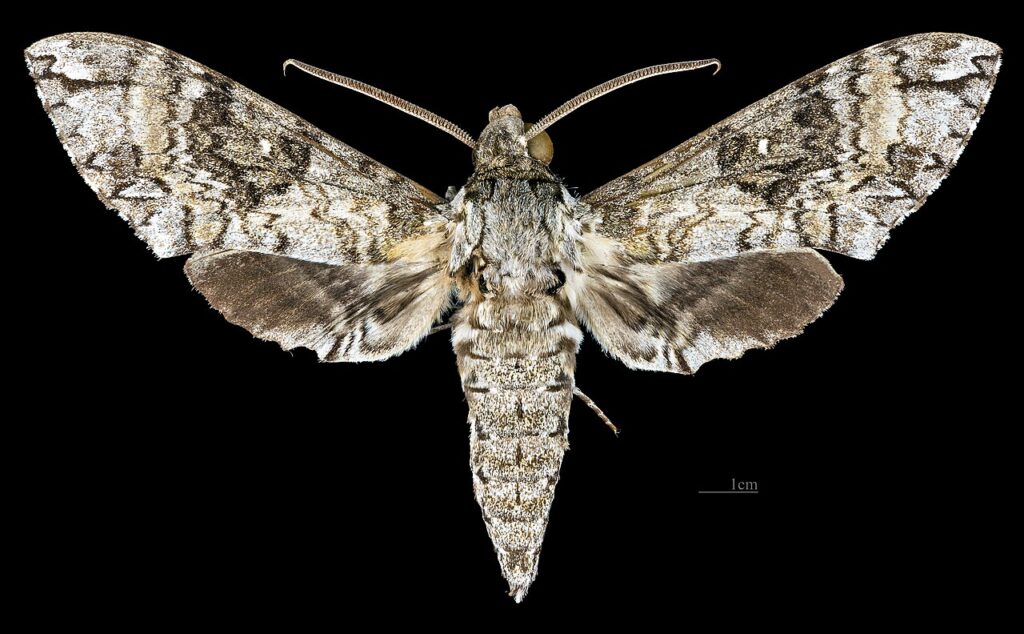
Manduca brontes, Pinar del Río, Cuba
Day 2: Caves, Canvases & Cigar Smoke
Day two feels slower, more deliberate. You’re no longer a tourist; you’re a temporary resident. Over breakfast of fresh papaya, scrambled eggs, and bread you bought from the corner *bodega*, your host tells you about the hidden cave where Che Guevara once hid during the revolution.
- Morning (8–10:30am): Breakfast at El Ranchón San Vicente, a roadside spot near the Cueva del Indio. Order the *pan con lechón* (roast pork sandwich) and a *café con leche* – total 200 CUP. Then hike 10 minutes to Cueva del Indio (entrance 500 CUP, includes boat ride). You float through a 300-metre subterranean river lined with stalactites; the guide points out formations that resemble a crocodile and a saint. Most tourists rush through – take your time, it’s only 20 minutes of boating.
- Midday (11am–1pm): Walk to the Mirador de los Jazmines viewpoint. It’s a 20-minute uphill walk from the cave, but the panoramic view of the valley is worth every drop of sweat. Get there before noon to dodge the tour buses that arrive around 1pm. Bring water – no stalls nearby.
- Afternoon (1–5pm): Explore the town of Viñales itself. Wander down Calle Salvador Cisneros, the main street, and pop into the Mercado de Artesanías (open daily 9am–6pm). Haggle for a hand-stitched leather wallet (300 CUP) or a miniature cigar box. At 3pm, visit the Casa del Veguero (House of the Tobacco Farmer) for a free demonstration of cigar rolling – buy a cigar directly from the roller for 150 CUP each, half the price in hotels.
- Final Evening: Dinner at El Olivo, a Mediterranean-Cuban fusion spot on the corner of Calle 4. Order the *pollo al ajillo* (garlic chicken) with roasted vegetables – 500 CUP. For dessert, the *flan de coco* (coconut flan) is light and creamy. End your night on the rooftop terrace of your casa particular, sipping a mojito made with local mint and Cuban rum – your host will mix one for you for 100 CUP.

A small hut sitting on top of a lush green field, Pinar del Río, Cuba
The Food You Can’t Miss
You’ll quickly learn that Pinar del Río’s cuisine is simple, honest, and rooted in the land. The star ingredient is the *yuca* (cassava), often boiled and served with garlicky mojo sauce. Travelers often discover the *churros* sold from a cart by the Viñales bus station for 20 CUP each – they’re crisp, dusted with sugar, and best eaten while watching the sunset. Don’t overlook the street roasted peanuts (50 CUP a bag) sold by an old man on Calle 6; he’s been there for 40 years.
For a proper sit-down meal, locals recommend Paladar El Cuajaní, tucked away on a quiet side street near the town square. The *langosta* (lobster) is caught fresh daily, grilled with garlic butter, and served with rice and fried green plantains – 700 CUP ($6). Arrive by 7pm to grab a seat on the veranda; by 8pm it’s packed. One bite and you’ll understand why travellers rave about it.
And you can’t leave without trying a *mojito campesino* – a rustic version made with crushed mint from local gardens, lime juice, rum (Havana Club Añejo 3 Años), and a splash of sparkling water. You’ll find the best one at Bar La Rueda for 150 CUP. The bartender, a wiry man named Luis, has been mixing them for 20 years and still insists on using a wooden muddler. “Machines ruin the mint,” he’ll tell you with a wink.
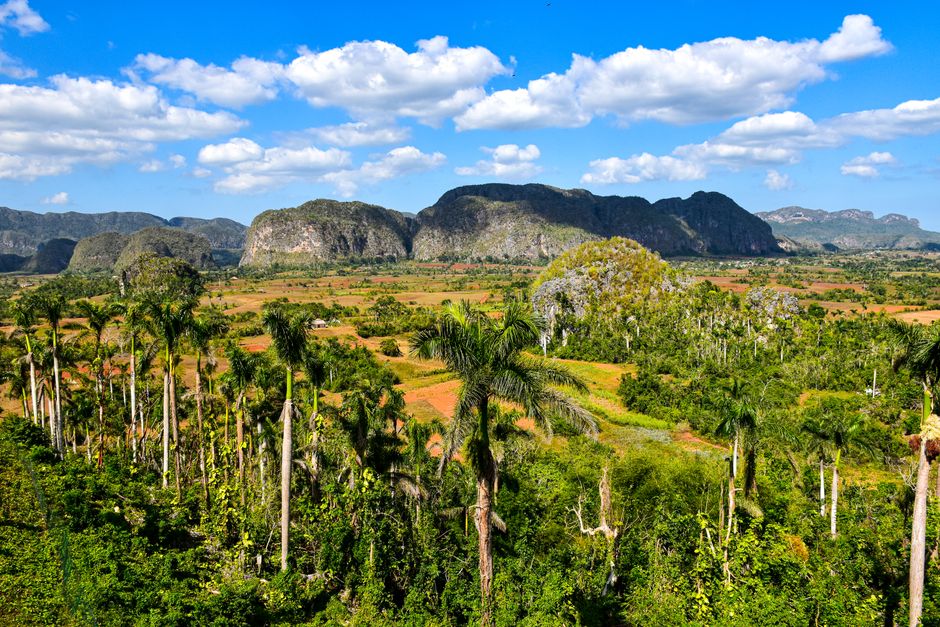
A picturesque view of Vinales Valley in Cuba with lush greenery and strikin…, Pinar del Río, Cuba
Where to Stay for the Weekend
For the most authentic experience, skip the hotels and book a *casa particular* – a private home with one or two rooms for rent. The best area is the heart of Viñales town, within walking distance of cafés and the valley trail. You’ll pay $20–30 per night, often including a simple breakfast. Look for the blue anchor symbol on house fronts – that’s the official government sign.
- Centro Histórico (Calle Salvador Cisneros): Lively, with restaurants and bars at your doorstep. Casa El Paraíso (doubles from $25, rooms with private balcony) – book via Airbnb.
- Valle de Viñales (countryside): For quiet and views, stay on a tobacco farm 10 minutes’ walk from town. Finca La Campana ($20 per night, no wifi but you’ll have horses) – search on Booking.com.
- Near the Mirador: A handful of casas along the road to the viewpoint offer sunrise over the mogotes. Casa Georgina ($30, including dinner) is a standout – but reserve a month ahead.
Whatever you choose, confirm the price in writing (in Spanish) before arriving. Most hosts are honest, but a few inflate rates for last-minute guests.
Before You Go: Practical Tips
- Getting Around: Your best bet is a shared taxi (*colectivo*) from Havana to Viñales – about 500 CUP per person, 2 hours. Within the valley, rent a bicycle (300 CUP per day from Rent a Bike Viñales on Calle 4) or hire a horse-drawn *calesa* for 200 CUP per hour. Avoid renting a car from the airport – you’ll pay $70+ per day plus petrol costs.
- What to Pack: Lightweight long trousers (to protect from mosquitoes and sun), a wide-brimmed hat, sturdy walking shoes (the mogote trails are rocky), and a refillable water bottle. Also bring toilet paper – it’s rarely supplied in public restrooms. A small phrasebook or offline translation app is essential; only about 5% of locals speak English.
- Common Tourist Mistakes: Trusting the exchange rate at the airport or hotels – you’ll get up to 30% less than the street rate. Instead, exchange money at a *CADECA* (government exchange office) in town, or bring Cuban convertible pesos (CUC – now obsolete but still accepted in some places). Another mistake: not negotiating prices at markets and with horse guides – a friendly “*amigo, un mejor precio?*” can knock 20% off.
- Money-Saving Tip: Eat lunch at a *paladar* (private restaurant) instead of a hotel or state-run eatery. A full meal costs 200–300 CUP vs 500–800 CUP at places like the Viñales Hotel. Also, buy bottled water at the small *bodegas* for 20 CUP per litre – corner stalls charge 50.

