
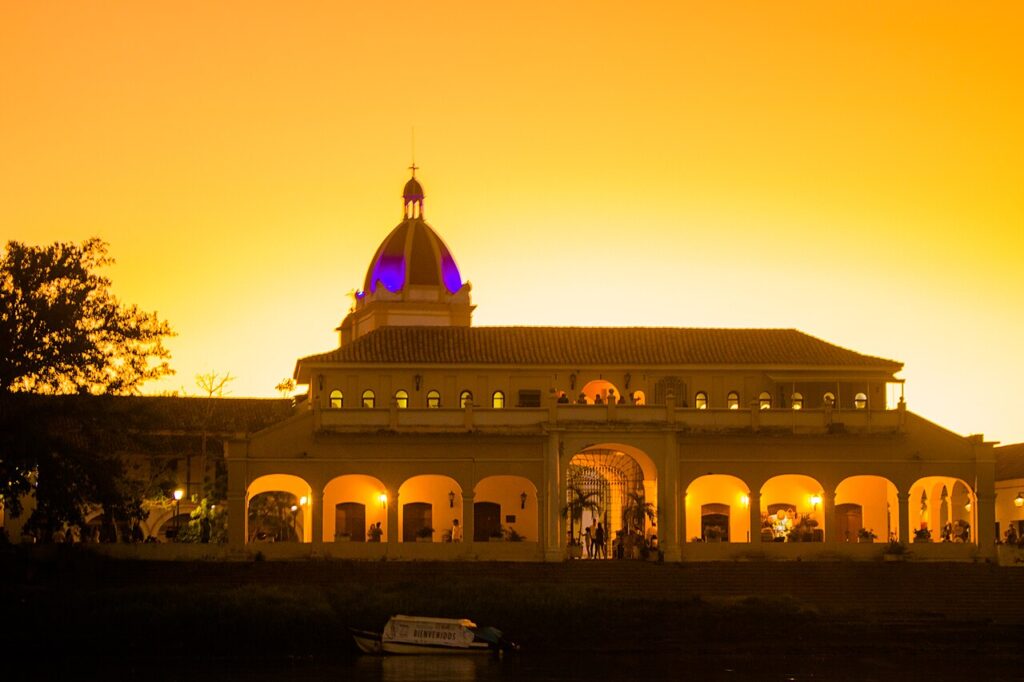
Mompox, Colombia: History, Filigree & River Magic (2026)
Only about 15,000 international travelers discover Mompox annually, yet this UNESCO World Heritage jewel on the Magdalena River boasts 16 colonial churches, a 400-year-old goldsmithing tradition, and Holy Week processions recognized by UNESCO itself. While Cartagena groans under 3 million yearly visitors, Mompox offers you the same 16th-century architecture without the selfie-stick crowds. Here’s what savvy travelers are quietly enjoying…
Why Mompox, Colombia Stands Out
- Historic Architecture: The Santa Bárbara Church (founded 1610) features a stunning Mudejar-style belfry forged from river ironwork, an icon of colonial craftsmanship.
- Cultural Scene: Holy Week (Semana Santa) processions, declared a UNESCO Masterpiece of Oral and Intangible Heritage, transform the cobblestone streets into a living cathedral of sound and devotion.
- Local Specialties: Filigree jewelry – intricate gold and silver handcrafted by local artisans using techniques passed down since the 1700s – is the souvenir you’ll treasure forever.
Pro Tip: Visit between late January and March for the driest weather and minimal crowds. If you come for Semana Santa, book accommodation six months in advance – the town swells from 30,000 to over 100,000 residents overnight.
Map of Mompox, Colombia
Use these interactive maps to explore Mompox, Colombia and plan your route:
📍 View Mompox, Colombia on OpenStreetMap
🗺️ Open Mompox, Colombia in Google Maps
Planning Your Trip: Practical Essentials

This image shows the Parque San Francisco and the San Francisco church in t…, Mompox, Colombia
Getting There and Around
- By Air: Fly into Cartagena’s Rafael Núñez International Airport (CTG) or Sincelejo’s Corozal Airport (CZU). Cartagena sees more daily flights, with airlines like Avianca, LATAM, and Viva Air offering routes from Bogotá and Medellín. From Cartagena, it’s a 4-hour drive or bus ride. Book flights at Skyscanner for best deals.
- By Bus: From Cartagena’s Terminal de Transportes, buses operated by Expreso Brasilia and Unitransco run 3–4 daily departures to Mompox (COP 45,000–60,000, or about $12–$16 USD). The journey takes 4–5 hours, crossing the Magdalena River by ferry near Magangué. Reserve tickets at Trainline or the bus terminal directly.
- By Car: From Cartagena, take the Ruta Nacional 25 south to Troncal de Occidente, then follow signs to Santa Cruz de Mompox via Sincelejo. The final 90 km are on a scenic two-lane road. Park your car safely at your hotel – the central plaza is pedestrian-only after dark. Compare car rentals at RentalCars.com.
- Local Transport: You can explore the entire historic center on foot – it’s a compact grid of cobblestone streets just 12 blocks by 8 blocks. For trips to the riverbank or outlying villages, mototaxis cost COP 3,000–5,000 ($0.80–$1.30) per ride. Negotiate the fare before hopping on.
Best Time to Visit
The best window for your trip is December through March, when the climate offers sunny days, lower humidity, and almost no rain. April has the peak cultural event – Semana Santa – but expect crowds and higher prices. The rainy season from May to November brings fewer tourists and discounted rates, though afternoon showers can disrupt river excursions.
| Season | Weather | Highlights |
|---|---|---|
| Summer (Jun-Aug) | 27–35°C, humid, frequent rain | Low season pricing, fewer tourists, lush green landscapes along the river; expect daily rain around 2–4 PM |
| Winter (Dec-Feb) | 24–32°C, dry, sunny | Perfect weather for walking tours and river boat trips; peak tourist season, so book lodging early |
| Shoulder (Apr-May/Sep-Oct) | 26–33°C, transitional, moderate rain | Easter processions in April (book months ahead); Sep–Oct offers a calm window before the year-end rush |
Budgeting for Mompox, Colombia

Colorful colonial buildings on a sunny day., Mompox, Colombia
| Category | Budget | Mid-range | Luxury |
|---|---|---|---|
| Accommodation | COP 30,000–50,000 ($8–$13) | COP 80,000–150,000 ($21–$39) | COP 250,000–500,000 ($65–$130) |
| Meals | COP 8,000–12,000 ($2–$3) | COP 20,000–40,000 ($5–$10) | COP 60,000–100,000 ($16–$26) |
| Transport | COP 3,000–5,000 ($0.80–$1.30) per mototaxi | COP 15,000–25,000 ($4–$6) for private taxi ride | COP 150,000–250,000 ($39–$65) for airport transfer from Cartagena |
| Activities | Free walking tours, self-guided exploration | Museum entries COP 5,000–10,000 ($1.30–$2.60), guided church visits | Boat tours of the Magdalena River, private goldsmith workshops |
| Daily Total | COP 45,000–80,000 ($12–$21) | COP 130,000–250,000 ($34–$65) | COP 500,000–900,000 ($130–$235) |
Top Attractions and Must-See Sights
| Attraction | Description | Hours | Entry Fee |
|---|---|---|---|
| Santa Bárbara Church | The iconic 1610 church with its ironwork belfry – the symbol of Mompox. Climb the bell tower for panoramic river views. | Mon–Sat 8 AM–12 PM, 2–5 PM; Sun 9 AM–12 PM | COP 5,000 ($1.30) to climb the tower |
| Casa de la Cultura | A restored 18th-century mansion housing the Museum of Gold and Filigree, with exhibits on local goldsmithing dating from the colonial era. | Mon–Fri 9 AM–6 PM, Sat 9 AM–1 PM | COP 3,000 ($0.80) |
| San Francisco Church and Convent | Dating from 1564, this is the oldest surviving church in Mompox. Its fine Baroque altar is a masterpiece of Spanish colonial art. | Mon–Sat 9 AM–12 PM, 2–5 PM | Free (donation requested) |
| Magdalena River Boat Tour | A 2-hour guided motor canoe ride through the river’s channels, spotting monkeys, birds, and river dolphins – you’ll see the same lush landscapes that Gabriel García Márquez described. | Departures 7 AM and 3 PM from the port | COP 40,000–60,000 ($10–$16) per person |
3-Day Itinerary: Highlights & Hidden Gems of Mompox, Colombia

A boat tied to a tree in the water, Mompox, Colombia
Day 1: Colonial Heartbeats
- Morning: 7–9 AM – Start your day at the Plaza de la Concepción as the church bells ring. Grab a coffee and a fresh arepa from the street vendor at Calle 17 #3-15 (COP 3,000). Then spend an hour at the Casa de la Cultura to understand the town’s gold legacy. Local gem: ask the attendant about the secret tunnel that connects the mansion to the river – used by smugglers in the 18th century.
- Afternoon: 12–3 PM – Wander through the filigree workshops on Calle Real del Medio, where you can watch artisans at work. For lunch, head to La Casa de la Yuca (Calle 16 #2-24) and order their specialty: mojarra frita (fried fish) with coconut rice for COP 18,000.
- Evening: 6–8 PM – Take a sunset stroll along the Malecón, the riverfront promenade. Then have dinner at Restaurante Doña Juana (Carrera 2 #14-01), where the chef serves traditional sancocho de pescado in a candlelit colonial courtyard. Expect to pay COP 30,000–45,000 for a full meal.
Day 2: River & Artisan Treasures
- Morning: 7–10 AM – Join a guided boat tour of the Magdalena River (COP 50,000 per person). Your guide will point out the island of La Isla de los Pájaros, where you’ll see thousands of scarlet ibises roosting. One pro tip: bring mosquito repellent, and wear long sleeves – the river life is generous with its fauna.
- Afternoon: 12–3 PM – After the boat trip, head to the market at Calle 19 for a bowl of enyucado (yucca and cheese cake) and a cup of fresh corozo juice (COP 5,000 total). Then tour the Santa Bárbara Church and climb its tower – the view down the Calle Real toward the river is your postcard moment.
- Evening: 6–9 PM – Visit the workshop of master goldsmith Omar de la Hoz (Calle 17 #2-20). He’ll show you his filigree designs – you can watch him weave gold wire into earrings and necklaces. Dinner at El San Felipe (Calle 18 #3-15) for ajiaco criollo – a hearty chicken soup with three kinds of potatoes – COP 22,000.
Day 3: History & Tranquility
- Morning: 8–11 AM – Rent a bicycle (COP 15,000 per day from the shop on Calle 18) and ride 2 km north to the Iglesia de San Agustín (founded 1595). Its facade is modest, but the interior houses a 17th-century wooden crucifix that locals say has performed miracles. Travelers often discover this spot gets almost no visitors – you’ll have the nave to yourself.
- Afternoon: 12–3 PM – Lunch at La Cocina de la Abuela (Calle 17 #3-10) for bandeja paisa, the Antioquian staple, for COP 20,000. In the afternoon, visit the Cementerio Municipal on the town’s northern edge – the Victorian-era tombs and wrought-iron crosses tell stories of Mompox’s wealthy merchants and river pirates.
- Evening: 5–7 PM – Your final evening: watch the sunset from the terrace at Café del Río (Calle 20 #2-25) with a cup of rich Colombian coffee (COP 3,000). Listen for the church bells – Mompox has 16 churches, and they ring in sequence every evening at 6:10 PM, a tradition unbroken since the 1600s.
Cultural Insights & Etiquette
- Language: Spanish is the primary language; English is not widely spoken outside hotels. Learn key phrases: “Buenos días” (good morning), “Por favor” (please), “Gracias” (thank you), “¿Cuánto cuesta?” (How much does it cost?).
- Customs: Colombians are warm and greet with a handshake or a slight nod. When entering a shop or home, say “Buenos días” before asking anything. In churches, women may be asked to cover their shoulders; men should remove hats.
- Tipping: Not obligatory, but appreciated. Round up restaurant bills by 10% for good service. Mototaxi drivers don’t expect tips, but a small “propina” of COP 1,000–2,000 is welcomed. Tour guides: COP 5,000–10,000 per person for a half-day tour.
- Dress Code: Lightweight, breathable fabrics – linen and cotton are your friends. Mompox is hot and humid year-round. Bring walking shoes for cobblestones, a sun hat, and a light jacket for evenings. Modest dress is respectful for church visits.
- Business Hours: Most shops open 9 AM–1 PM and 3–6 PM, Mon–Sat. Many close for a 2-hour siesta around lunch. Banks open 9 AM–4 PM Mon–Fri. ATMs are limited – bring enough cash for your stay.
Where to Eat: The Best Bites in Mompox, Colombia
Mompox’s cuisine is anchored by the Magdalena River. You’ll find abundant fresh fish – mojarra, bocachico, and bagre (catfish) – prepared with coconut rice, patacones (fried plantains), and hogao (tomato-onion sauce). The town also prides itself on traditional costeño (Caribbean-coast) cooking: hearty, slow-simmered stews and fresh fruit juices from local corozo and boroja.
Must-Try Local Specialties
- Mojarra frita: Whole fried tilapia, crispy and golden, served with patacones and an ensalada de frutas (fruit salad). Best at Restaurante Doña Juana (Carrera 2 #14-01), where the chef catches his fish daily.
- Sancocho de pescado: A hearty river-fish stew with yucca, plantain, and cilantro – comfort food that Mompóxians swear by for curing a hangover. Try it at La Cocina de la Abuela (Calle 17 #3-10) on Saturdays, when the broth is richest.
- Enyucado: A sweet, dense cake made from grated yucca, coconut, and anise – baked in banana leaves. The market stalls along Calle 19 sell the freshest versions starting at COP 3,000 each.
Restaurant Recommendations by Budget
| Type | Restaurant | Specialty | Price Range |
|---|---|---|---|
| Budget | Comedor Popular La Esperanza – Calle 18 # |

