
Nuremberg, Germany Weekend: Imperial Castle, Nazi History & The Best Sausages in Bavaria (2026)
The first thing you notice is the smoke—thin, beechwood-scented wisps curling from a tiny grill on the Hauptmarkt, carrying the promise of sausage sizzling in pork fat. A church bell tolls from St. Lorenz, its chime bouncing off half-timbered facades. You’ve landed in a city where history isn’t just preserved; it’s breathed over morning coffee and evening steins.
Quick Facts Before You Go
- Best Months: May–September for sunny beer-garden weather, or the magical two weeks before Christmas for the world-famous Christkindlesmarkt.
- Currency: Euro (€). 1 € ≈ 1.10 USD, so expect roughly equivalent prices.
- Language: German. English is widely spoken in tourist areas and by younger locals; a polite “Guten Tag” goes a long way.
- Budget: €80–120 per day for a comfortable mid-range trip (accommodation, two meals, one attraction, local transport).
- Getting There: Nuremberg Airport (NUE) is a short U-Bahn ride from the city centre. Direct flights from London, Paris, and Amsterdam take about 1.5–2 hours. Book at Skyscanner.
Day 1: Medieval Marvels & Misty History
You start the morning at the Hauptmarkt, the cobbled heart of the Altstadt, where the gilded Männleinlaufen clock on the Frauenkirche springs to life at noon—don’t miss the tiny electors parading around the emperor. The air smells of fresh Lebkuchen and roasting coffee from a nearby cart. You’ll want to get here by 9:00 AM to beat the tour groups and catch the market stalls setting up under red-and-white awnings.
- Morning (8–11am): Climb the Imperial Castle (Kaiserburg). Entry is €8 for adults, and the panoramic view from the Sinwell Tower is worth the 165 steps. Your best bet is to arrive right when the gates open at 9:00 AM—fewer crowds mean you can linger on the deep stone balustrade. Travelers often discover the deep well (50 metres) and the medieval double chapel are the hidden highlights.
- Lunch: Head to Bratwursthäusle at Rathausplatz 1, just off the Hauptmarkt. You must order the classic “Drei im Wecken”—three small Nürnberger Rostbratwürste served in a crusty roll with a dollop of sweet mustard. It costs €6.90, and locals recommend washing it down with a half-litre of Tucher Helles. The wooden benches and outdoor space fill quickly; plan to arrive by 11:45 AM.
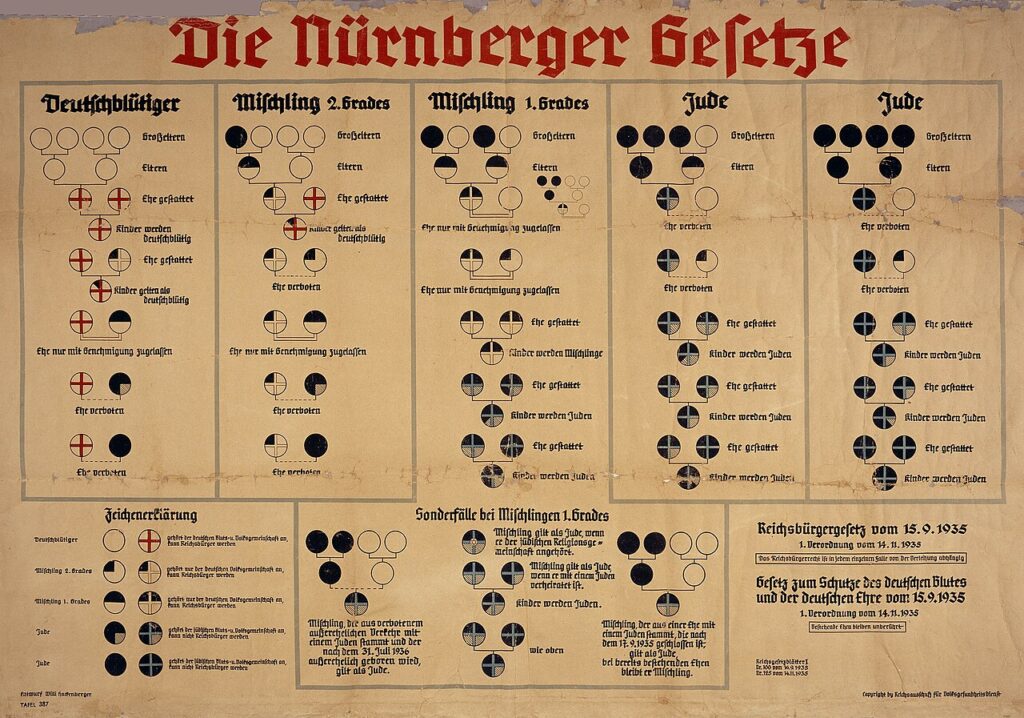
- Afternoon (1–5pm): Visit the Documentation Center Nazi Party Rally Grounds (€5.50 entry, closed Mondays). The museum is housed in the unfinished Congress Hall and offers a sobering, thorough account of the Nazi era. After, walk across the Zeppelinfeld—the massive grandstand where Hitler spoke. The site is a 15-minute U-Bahn ride (line U1 to Luitpoldhain). Back in the Old Town, wander down Weissgerbergasse, a perfectly preserved lane of half-timbered houses dating from the 14th century; many now house artisan workshops and small museums.
- Evening: Dinner at Albrecht Dürer Stube (Agnesgasse 2). The cosy, wood-panelled rooms evoke the artist’s era. Try the Schäufele (roast pork shoulder with potato dumplings, €18.50). After, walk a few minutes to the Henkersteg, the famous covered wooden bridge over the Pegnitz River. The reflection of the half-timbered houses in the water, lit by lanterns, is your perfect photo op.

Heilig-Geist-Spital (Hospital of the Holy Spirit) in Nuremberg, Nuremberg, Germany
Day 2: Culture, Craft & A Sweet Farewell
Your second morning should start slowly—perhaps with a double espresso and a slice of Nürnberger Lebkuchen from the Düll bakery. The city feels quieter now, the trade-wind of tourists still tucking into their hotel breakfasts. You’ll discover that Nuremberg’s true heart beats in its small museums and the side streets where artisans still hammer, bake, and paint.
- Morning: Breakfast at Café Bar Celona on Königstraße. The €11.50 Frühstückstüte includes a fresh-baked pretzel roll, scrambled eggs, and a generous fruit plate. After, visit the Germanisches Nationalmuseum (€8 entry, free after 2 PM on Wednesdays). It’s Germany’s largest museum of art and cultural history, housing everything from a 15th-century globe to Dürer’s original woodcuts. Insider tip: the treasury room in the basement is often overlooked—you’ll find medieval jeweled monstrances and a rare 11th-century chess set.
- Midday (11:30–1 PM): The secret to avoiding crowds at the Imperial Castle? Actually, save the castle climb for Day 1. Today, instead, meander to the Handwerkerhof craft market (near the Königstraße U-Bahn stop). This small arcade of half-timbered houses sells handmade toys, gingerbread, and traditional glass Christmas baubles. Most tourists walk straight past, so you’ll have the narrow lanes almost to yourself.
- Afternoon: Explore the St. Johannis district, a hidden gem northeast of the Old Town. Its winding streets are lined with eclectic boutiques and art galleries. End at the Johannisfriedhof cemetery, where Albrecht Dürer is buried. The grave is simple, marked by a bronze portrait; you can pay respects for free. For a pre-dinner snack, stop by Dürer’s old neighbourhood at the Weinstuben locals adore—the Zum Gulden Strauch (Vordere Sterngasse 7) serves Nuremberg’s best Glühwein in winter and Spätburgunder in summer, a glass from €5.50.
- Final Evening: The perfect farewell dinner is at Essigbrätlein (Weinmarkt 8). This Michelin-starred restaurant offers a six-course tasting menu (€98) that riffs on Franconian tradition—think sourdough broth with woodland herbs and smoked eel. If your budget is tighter, opt for the more casual Zum Gulden Strauch mentioned earlier, where a main dish of roasted duck with red cabbage costs €16.50. Either way, end with a digestif of Obstler (fruit schnapps) and a slice of Lebkuchen from the airport on your way home.

Brown and white concrete house near tower, Nuremberg, Germany
The Food You Can’t Miss
Nuremberg’s culinary soul is smoked over beechwood. The Nürnberger Rostbratwurst—a stubby, marjoram-scented sausage—is the city’s culinary ambassador. You’ll find it everywhere, from street-side grills to white-tablecloth restaurants. Your best bet for the genuine article is the original Bratwursthausle at the Hauptmarkt, where they’ve been grilling them since 1313. Three sausages in a crusty roll with sweet mustard will set you back under €7. The ritual: you stand at a small table, fork poised, and dip each bite into the mustard before finishing with a sip of local beer.
Then there’s Lebkuchen, the gingerbread that Nuremberg has exported for centuries. The most famous producers are Lebkuchen-Schmidt (with a flagship store on the Hauptmarkt) and Düll (near St. Sebald). Travelers often buy the elaborately decorated Elisenlebkuchen—thin, spiced discs with a glossy glaze, costing about €15 for a box of eight. But locals recommend the simpler, cardamom-laced “Pfefferkuchen” from the Handwerkerhof, which stay moist for weeks.
Street food has evolved here too. The city’s large Turkish population means you can find excellent Döner kebab—particularly at Kebab House on Ludwigstraße (€5.50 for a wrap with fresh veg and homemade yogurt sauce). It’s a far cry from the bratwurst tradition, but after two days of sausages, your palate will thank you.

Brown brick building near body of water during daytime, Nuremberg, Germany
Where to Stay for the Weekend
For first-time visitors, the Altstadt (Old Town) is unbeatable. You can walk everywhere, and the half-timbered streets feel like a living museum. Hotel am Sterntor (Tuchergasse 12) offers clean, modern doubles from €110 a night, and its rooftop terrace overlooks the castle. For slightly more charm, Hotel Dürer (Hintere Ledergasse 16) occupies a 16th-century building and includes a lovely inner courtyard—rooms from €130. If your budget is tighter, the Quartier Nest near the train station offers minimalist apartments from €80 a night; it’s a 15-minute walk to the Hauptmarkt. Book via Booking.com or Airbnb—many Altstadt apartments are listed on both.
Before You Go: Practical Tips
- Getting Around: The U-Bahn (subway) is your best friend. A single ticket costs €2.90, but a day-pass (€7.70) is more practical if you’ll use it more than twice. The Altstadt is completely walkable, but for the Nazi Rally Grounds or the Germanic Museum, hop on the U1. A taxi from the airport to the Old Town is about €25.
- What to Pack: Comfortable walking shoes (you’ll log 10,000 steps daily), a light rain jacket (the weather shifts fast), a reusable water bottle (tap water is excellent), and a small backpack for souvenirs. Historic sites require modest dress, but casual attire is fine everywhere else.
- Common Tourist Mistakes: One—showing up at the Hauptmarkt at noon on Saturday and expecting a quiet meal. The market is heaving; aim for a late breakfast at 11 AM and lunch by 11:45. Two—forgetting to check the Documentation Center’s hours: it’s closed Mondays, and the last entry is 5 PM. Savvy visitors also know to book the castle tour online in advance—same-day slots sell out by 10 AM in summer.
- Money-Saving Tip: Buy the Nuremberg Card (€25 for two days). It covers all public transport and free entry to 40+ museums, including the Imperial Castle, Germanisches Nationalmuseum, and the Documentation Center. You’ll save about €20 if you follow this guide. Available at the tourist office on Hauptmarkt.

