
Maio, Cape Verde for Adventurers: Kitesurfing the Atlantic’s Best-Kept Secret (2026)
You tighten your harness as the trade wind hits your chest at 25 knots, the salt spray cooling your sun-warmed skin. Ahead of you, an endless turquoise lagoon stretches toward the horizon, empty but for a few fishing boats bobbing in the distance. Your kite pulls hard, and you carve across the water, alone—truly alone—in one of the world’s most spectacular, undiscovered kitesurfing playgrounds.
The Main Event: Kitesurfing Maio’s Untouched Coastline
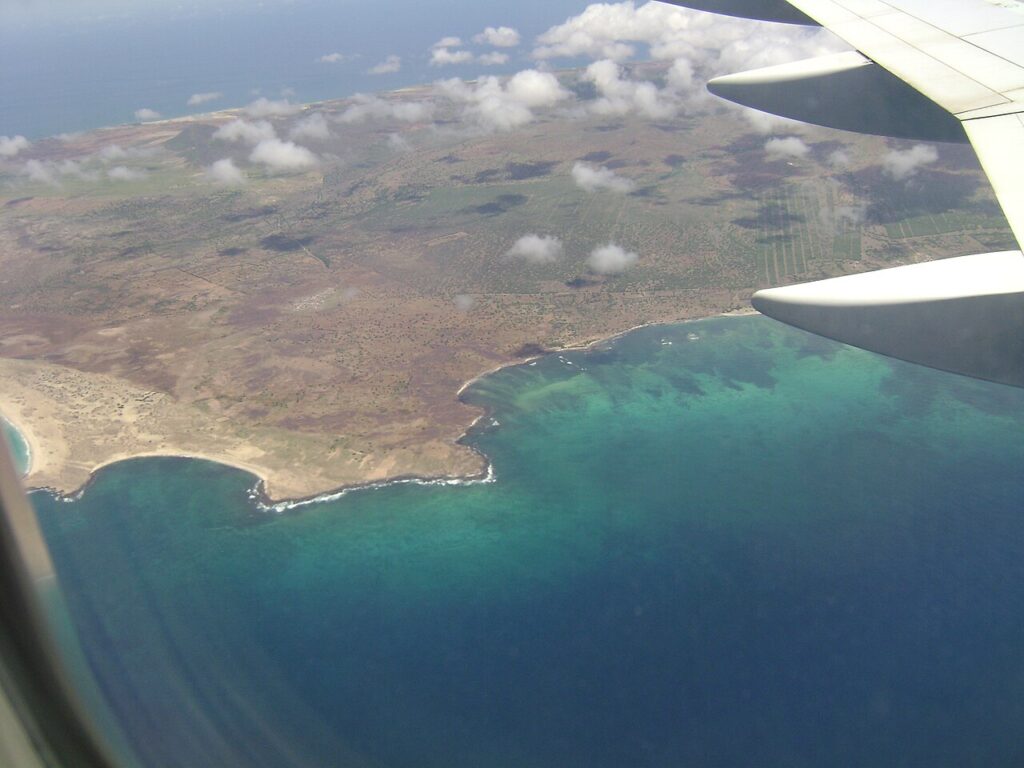
Maio is the flat, windswept jewel of Cape Verde that adventure travelers have been whispering about for years. While Sal and Boa Vista hog the spotlight, savvy kitesurfers know that Maio offers something far rarer: solitude, untouched beaches, and consistent cross-shore winds from November through June that hit 20–30 knots nearly every afternoon. You’ll launch from the beach at Praia Real, a 5-kilometer stretch of fine white sand that faces directly into the prevailing wind. The lagoon here is shallow for nearly 300 meters out—perfect for learning jumps or practicing your transitions without worrying about reefs or rocks. Your best bet is to arrive between 10 AM and 11 AM to catch the wind building, and plan to ride until 4 PM when the sea breeze peaks. Seasoned travelers bring their own gear, but you can rent from the only dedicated kite center on the island, Kite Maio, which charges around €45 per day for a complete set (board, kite, harness, and bar). A two-hour lesson with an IKO-certified instructor runs approximately €80. What you absolutely must bring is a 3/2mm wetsuit—the water temperature hovers around 22°C (72°F) from January to April, and you’ll appreciate the extra warmth after a long session. The insider tip that most tourists overlook? Walk 500 meters south along the beach from the main launch point to find a deeper channel where the wind is cleaner and you can practice your unhooked tricks without the small chop that forms closer to shore.
7 Things to Do in Maio, Cape Verde
| # | Activity | Difficulty | Cost | Time Needed |
|---|---|---|---|---|
| 1 | Kitesurfing at Praia Real | Moderate | €45/day rental; €80/lesson | 3–5 hours |
| 2 | Hike to the summit of Monte Penoso | Moderate | Free (self-guided) or €15 with guide | 2.5 hours |
| 3 | Mountain bike the interior trails to Morrinho | Hard | €25–€30 bike rental | 4–5 hours |
| 4 | Snorkel with sea turtles at Praia de Santana | Easy | €20–€25 with local guide | 2 hours |
| 5 | Windsurfing in the Baía de Porto Inglês | Moderate | €35–€40 rental | 3 hours |
| 6 | Stand-up paddleboarding on the Salinas salt flats | Easy | €15 rental | 1.5 hours |
| 7 | Coastal trail running from Porto Inglês to Praia do Morro | Hard | Free | 2 hours |
Activity #1: Hike to Monte Penoso
You might not think of hiking when you picture Cape Verde, but Maio’s highest point—Monte Penoso, at 287 meters (942 feet)—offers one of the most rewarding, low-effort summit views in the entire archipelago. You’ll start the trail just outside the village of Calheta, 15 minutes by taxi from the main town of Porto Inglês (the ride costs about €5). The path is a well-marked, sandy track that winds through dry forest of acacia and tamarind trees, where locals still harvest the fruit in late summer. The ascent is steady but never steep, and you’ll reach the summit in about 50 minutes if you keep a brisk pace. At the top, you’re rewarded with a 360-degree panorama: the entire island spreads out below you like a map, with the turquoise coast of Praia Real to the east and the distant peaks of Santiago visible on a clear day. The best time to go is at sunrise, around 6:15 AM, when the light turns the cliffs gold and the wind hasn’t yet picked up. You’ll need sturdy trail runners, at least 1.5 liters of water per person, and a windbreaker—even on a calm day, the summit can be gusty. Travelers often discover that the real magic happens on the descent, when you can scramble down a loose scree slope on the north face to reach a hidden valley where wild goats roam. You can book a guided hike through Maio Natural Tours for €15 per person, which includes a local guide and a stop at a traditional dry-stone shepherd’s hut along the way.

Mill that probably dates back to the 18th century, Maio, Cape Verde
Activity #2: Mountain Bike the Interior to Morrinho
If you want to earn your adrenaline on two wheels, Maio’s interior trails deliver a raw, rugged experience that most visitors never attempt. You’ll start from the town of Alcatraz—yes, that’s its real name—and follow a single-track dirt road that cuts through the island’s volcanic interior toward the abandoned settlement of Morrinho. The total loop is roughly 18 kilometers (11 miles) with 400 meters of elevation gain, and you’ll be pedaling over sharp volcanic rock, loose gravel, and sand sections that test your technical skills. Rent a hardtail mountain bike from Bike Maio Adventures for €30 per day; they’ll set you up with a helmet, basic repair kit, and a detailed map. The ride takes about 4 to 5 hours including stops, and you’ll want to start no later than 8 AM to avoid the midday heat. The centerpiece of the ride is the descent into the Ribeira do Poço valley, a 3-kilometer downhill section that drops 150 meters through a canyon of twisted basalt formations. Locals recommend bringing two spare tubes—the thorn bushes along the trail are notorious for punctures. At the end of the ride, you’ll roll into the ghost town of Morrinho, abandoned since the 1970s, where you can explore crumbling stone houses and an old church whose bell tower still stands. The silence here is deafening, broken only by the wind and the occasional bleat of a goat. You can book the bike through Viator or directly through Bike Maio Adventures (whatsapp: +238 991 23 45).
Refuel: Where Adventurers Eat
After a day of wind and sun, your body craves protein, carbs, and cold drinks. Your first stop should be Restaurante O Poeta in Porto Inglês, the undisputed local favorite for grilled fish and seafood. You’ll order the catch of the day—usually garoupa (grouper) or bica—grilled whole with garlic, olive oil, and a squeeze of lime. A full meal with rice, salad, and a local beer (Strela, €1.80) costs about €12. The owner, Sr. Manuel, has been running the place for 23 years and will almost certainly join you for a glass of grogue, the local sugarcane spirit, after your meal. A short walk away, Barraca do Mar is your best bet for a post-kite lunch. It’s a beachfront shack right on Praia Real, where you can eat barefoot at plastic tables in the sand. The specialty is cachupa—Cape Verde’s national stew of beans, corn, and fish—served with a fried egg on top for €7.50. They open from 11 AM until sunset, and the cold ponche (a local rum-based liqueur) is exactly what you need after hours in the water. For a quick breakfast before a big day, head to Padaria Central on Rua 5 de Julho, where the pastéis de nata (Portuguese custard tarts) come out of the oven at 7 AM sharp—€0.80 each, and you’ll want at least three. Travelers often discover that the most authentic meal is at Casa de Pasto da Maria, a family-run spot in the village of Morro where there’s no menu—Maria cooks whatever the fishermen brought in that morning. Dinner there costs around €10, and you’ll eat at a communal table with three generations of her family.

Aerial view of a city nestled in an arid landscape with distant mountains u…, Maio, Cape Verde
Base Camp: Where to Stay
For active travelers, location and practicality matter more than luxury. Your best bet on Maio is Hotel Maio Calheta, a mid-range hotel just 200 meters from the kitesurfing beach at Praia Real. The rooms are simple but clean, with strong wifi, a gear-washing station (crucial for your salt-caked kite gear), and breakfast served from 6:30 AM—early enough for a sunrise hike. Doubles from €65 per night. Book through Booking.com. A more budget-friendly option is Residencial Estrela do Mar in the center of Porto Inglês, where friendly owner Dona Lúcia will store your bike in her courtyard and press you to join her family for dinner. The rooms are basic but spotless, and you’ll pay just €35 for a double with shared bathroom. The terrace on the roof is where you’ll dry your wetsuit and watch the sun drop over the harbor. For those who want to be completely off the grid, Camping Morrinho is a new glamping operation in the interior with four canvas safari tents, each with a proper bed and solar-powered lights. It’s a 20-minute mountain bike ride from the nearest road, and the location is perfect for stargazing and early-morning hikes. Tents from €50 per night, including breakfast. You can also book it through Booking.com.
Gear & Prep Checklist
- 3/2mm wetsuit – essential for kitesurfing and water sports, especially between January and April when the water is coolest.
- Quality sun protection – the Cape Verde sun is relentless, and Maio’s wind keeps you from feeling how much sun you’re getting. Bring reef-safe SPF 50+ sunscreen, a wide-brimmed hat, and polarized sunglasses.
- Hydration pack or multiple water bottles – you’ll need at least 2–3 liters per person for any day-long activity. The interior trails have no water sources.
- Trail runners or approach shoes – the volcanic rock is sharp, and hiking in sandals is not an option on Maio’s interior trails. You’ll thank yourself for bringing shoes with good grip.
- Windproof jacket – even on a sunny day, the trade winds can chill you quickly after a sweaty hike or during a lunch break on the beach.
- First-aid kit with blister care – the sandy trails and long descents can wreck your feet if you’re not prepared. Include zinc oxide tape and antiseptic.
- Headlamp or flashlight – power outages are common in the villages, and if you’re hiking at sunrise or biking late, you’ll need it.

A fisherman pushes a colorful boat towards the shore of Tarrafal Beach in C…, Maio, Cape Verde
Getting There & Around
- Flights: Maio has a small airport (IATA: MMO) with daily flights from Praia, Santiago, operated by Cabo Verde Airlines and Bestfly. Flight time is 35 minutes, and a one-way ticket costs roughly €80–€120. You can book through Skyscanner. Alternatively, you can fly into Sal (SID) and take a 2-hour ferry to Maio—but check schedules carefully, as the ferry runs only 3 times per week in the off-season.
- Local Transport: Once on Maio, you’ll find shared taxis (called “hial”) that cost €2–€5 between towns. To reach the best adventure spots, you’re best off renting a 4×4 from Auto Aluguer Maio for about €45 per day. You can also get around by bike—the island is small enough that you can cycle from Porto Inglês to Praia Real in 20 minutes. For hiking trailheads, your accommodation can usually arrange a taxi drop-off for around €5–€10.
- Best Season: For kitesurfing and wind-dependent sports, come between November and June, when the trade winds are strongest and most consistent. For hiking and mountain biking, the ideal months are January through March, when temperatures sit at a comfortable 22–26°C (72–79°F) and the humidity is low. Avoid August and September, when the wind drops and the rain can turn interior trails into impassable mud.
Is Maio, Cape Verde Worth It?
Honestly? Maio is not for everyone. If you’re looking for nightlife, luxury resorts, or crowds to socialize with, skip it and go to Sal. But if you’re an adventure traveler who values empty waves, 12-kilometer beaches with zero footprints, and trails where you won’t see another soul for hours—Maio is a revelation. The infrastructure is basic, the restaurants are simple, and the internet is slow. What you get in return is raw, unmediated access to one of the Atlantic’s last wild island edges. The kitesurfing alone is world-class, and the combination of consistent wind, warm water, and empty beaches is something you simply can’t find in the crowded kite spots of Sal or the Algarve. Your best bet is to come for a week, rent a 4×4, and divide your time between water sports and inland exploration. Travelers often discover that Maio works its magic slowly—by day three, you’ll stop checking your phone. By day five, you’ll be planning your return. For the adventure traveler who values authenticity over comfort, Maio is not just worth it—it’s essential.

