
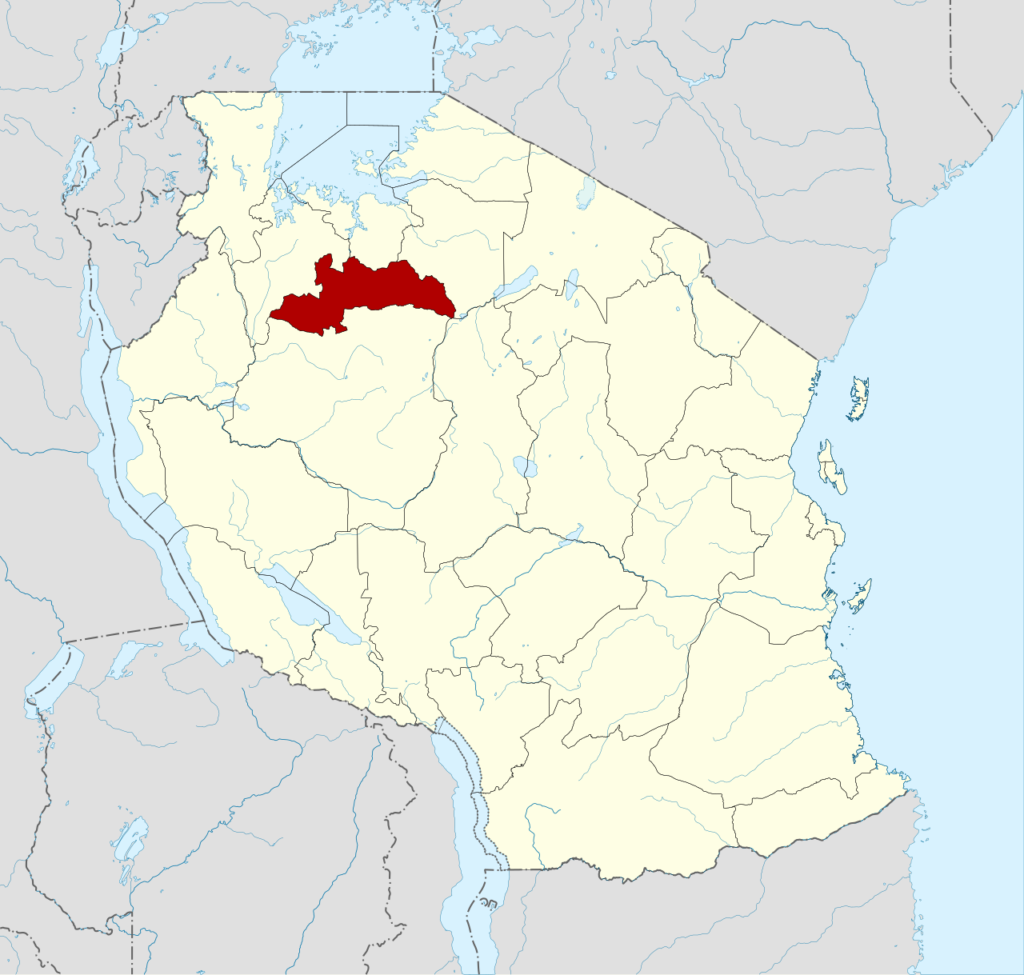
Shinyanga, Tanzania Weekend: Markets, Mosques & The Best Mirikali East of Lake Victoria (2026)
The muezzin’s call drifts over the ochre dust and corrugated rooftops at 5:30 a.m., pulling you from sleep like a rising tide. Within minutes, the scent of sizzling mirikali – golden, spiced doughnuts frying in palm oil – wafts from the stalls near Shinyanga’s central market. You sip a scalding cup of sweet, cardamom-spiced chai as the sun breaks over the Miombo woodlands, and you know this weekend will be something far from the ordinary safari circuit. Travelers who skip Shinyanga for the Serengeti are missing a slice of real Tanzania – where Sukuma traditions, diamond-dusted history, and the sharp tang of street food collide in a dusty, vibrant embrace.
Quick Facts Before You Go
- Best Months: June to September (dry season; roads are passable, the heat is manageable, and the market is at its most bustling). Avoid March–May for heavy rains.
- Currency: Tanzanian Shilling (TZS); roughly 2,500 TZS = 1 USD. Carry small notes for the market.
- Language: Swahili (widely spoken); English is understood at hotels and some restaurants, but a few Swahili phrases go a long way.
- Budget: $35–55 per day per person (including accommodation, meals, transport, and a few souvenirs).
- Getting There: Fly into Mwanza Airport (MWZ) from Dar es Salaam (1.5 hours, round trip ~$180–250) and then take a shared taxi or bus (3 hours, 15,000 TZS) to Shinyanga. Alternatively, Air Tanzania has infrequent flights to Shinyanga’s small airstrip (check ahead). Book flights at Skyscanner.
Day 1: Sukuma Heritage & Market Mornings
You wake to the sound of roosters and the distant clang of metal from the market traders setting up their stalls. After a quick breakfast of chapati and maharage (bean stew) at your guesthouse, you step out into the soft morning light. The streets of Shinyanga are already alive with bajaji (three-wheeled taxis) honking, women balancing baskets of ripe mangoes on their heads, and the murmur of Swahili floating through the air. Today is about immersion – touching the roots of the Sukuma people and diving headfirst into the city’s chaotic, colourful central market.
- Morning (8–11am): Head straight to the Shinyanga Central Market (off Jamhuri Road; free to explore). Arrive by 8:30 a.m. to catch the freshest produce and the row of women selling vitumbua (rice cakes, 500 TZS each). Locals recommend starting with a cup of chai from Mama Asha’s stall (200 TZS) – the milk is thick and the cardamom strong. Wander the aisles of secondhand clothing (mitumba), dried fish, and piles of glowing tomatoes. Don’t miss the spice alley, where heaps of turmeric, cloves, and dried chili scent the air.
- Lunch: At Mama Jema’s Local Kitchen (Mwambao Street, near the mosque), order the nyama choma (grilled goat) with ugali and kachumbari (tomato and onion salad). A generous plate costs 6,000 TZS. The meat is smoky, the ugali thick and comforting. You eat with your right hand, as locals do, dipping the maize meal into the rich, unctuous gravy.
- Afternoon (1–5pm): First, visit the Mwambao Mosque (built 1970s; modest dress required). You can enter the courtyard for a quiet moment – the whitewashed walls and carved wooden doors offer a cool reprieve. Then, take a bajaji (3,000 TZS) to the Sukuma Cultural Museum (located in the grounds of the Bujora village, 15 minutes outside town; entry 5,000 TZS). A small but passionate collection of Sukuma artifacts: drums, headdresses, farming tools, and photographs of the famous bagobogobo dance. The guide, often a local elder, will explain how the Sukuma (“the people of the north”) have shaped this region for centuries. End the afternoon with a walk through Bujora village – you’ll see women weaving baskets from sisal and children chasing goats. Travelers often discover that the village’s simple peace is a perfect counterpoint to the market’s chaos.
- Evening: Dinner at The Golden Eagle Restaurant (Rangi Tatu area; mains 12,000–18,000 TZS). Order the tilapia in coconut sauce – the fish is pulled from Lake Victoria that morning, and the creamy, spiced sauce is a triumph. Sit on the open-air terrace as dusk falls and the bats swoop overhead. Afterward, take a stroll along the main road (Station Road) where food stalls set up with mirikali and grilled mbuzi (goat skewers, 1,000 TZS each). The atmosphere is relaxed and friendly – you’ll be welcomed into conversations by locals keen to practice their English.

The Evangelical Lutheran Church in Tanzania South-East of Lake Victoria Dio…, Shinyanga, Tanzania
Day 2: Mining History & Local Flavours
Your second day dawns cooler, and you’re starting to feel the rhythm of the city. You’ll trade the market’s bustle for a deeper dive into Shinyanga’s less-visited story – the diamonds that put the region on the map, and the dish that makes locals beam with pride. By midday, you’ll be eating the best mirikali of your life, and by evening you’ll understand why savvy visitors call Shinyanga a hidden gem (pun intended).
- Morning: Start at Nyabula Bakery (Mwambao Road, open from 6 a.m.) for fresh maandazi (fried dough, 300 TZS each) and a cup of strong tea. The bakery is tiny, the oil fragrant, and the staff will greet you with a wide smile. Then, take a bajaji (5,000 TZS) to the Shinyanga Diamond Mine Viewpoint (actually the site of the old Williamson Diamond Mine, now active but with a public lookout on the hill behind the perimeter). There is no official tour, but locals near the gate will point you to the best vantage spot. You’ll see the vast open pit from a safe distance – a shocking gash of pinkish earth. Bring binoculars if you have them. The diamond rush here began in the 1940s; Dr. John Williamson discovered the first stones, and the mine still produces gems today. It’s not a polished attraction, but for history buffs, it’s a raw, authentic glimpse into the region’s wealth.
- Midday: Return to the city center and visit Shinyanga’s Old Slave Market Site (on Market Street; a plaque marks the area). It’s a quiet, sobering spot, but travelers often discover that it adds context to the Sukuma resilience. To avoid the midday heat, pop into Kisima Café (near the bus station) for a glass of fresh sugarcane juice (500 TZS) – the vendor will crush it right in front of you.
- Afternoon: Explore the Mjimwema neighbourhood – a maze of tiny alleys behind the market. This is where the best street food lives. Seek out the stall of Bibi Zuhura (look for the yellow umbrella) for kashata (coconut candy, 200 TZS) and the famous mirikali that Shinyanga is quietly famous for. Her version is spiced with cardamom and a whisper of black pepper. Buy a bag for the road (10 pieces for 2,000 TZS). Then, amble through the Shinyanga Craft Cooperative (off Jamhuri Road) – a small store where you can buy hand-carved wooden bowls and Sukuma beadwork. Haggling is expected (start at half the asking price).
- Final Evening: Your farewell dinner should be at Safari Inn Restaurant (Station Road; mains 10,000–15,000 TZS). Order the pilau ya nyama – a fragrant rice and beef dish cooked with cinnamon, cloves, and cardamom. The atmosphere is lively with families and laughter; you’ll feel like a regular by the time you finish. End the night with a final walk along the market road – 8 p.m. is quiet, but the stars are brilliant. If you’re lucky, a group of Sukuma dancers might be practicing in a nearby courtyard; ask permission to watch and tip generously (2,000-3,000 TZS).

Aerial view of Benjamin Mkapa Stadium in Dar es Salaam, Shinyanga, Tanzania
The Food You Can’t Miss
Shinyanga’s food story is written in the stalls and kitchens of its people, not in glossy menus. Travelers who take the time to explore the pavement frying pans are rewarded with flavours that can’t be replicated elsewhere. The star is mirikali – a deep-fried doughnut about the size of a child’s fist, crisp on the outside, pillowy inside, and subtly spiced with cardamom or sometimes a hint of chili. You’ll find the best at Bibi Zuhura’s yellow umbrella stall in Mjimwema (200 TZS each, sold from 3 p.m. until they run out – usually by 6 p.m.). Locals recommend eating them fresh, straight from the oil, doused in a little sugar.

Aerial photograph of Dar es Salaam featuring a church near the coastline un…, Shinyanga, Tanzania
For a real meal, Mama Jema’s Local Kitchen (Mwambao Street, open 8 a.m.–8 p.m.) serves the definitive nyama choma – goat meat grilled over charcoal, served with a fiery pili pili dip. A portion for one costs 6,000 TZS and is generous enough to satisfy a hungry miner. The sides are simple: ugali (stiff maize porridge) and mlogo (greens with onions and tomatoes). Eat with your hands – it’s the only way.
Street breakfasts are the unsung heroes. Nyabula Bakery produces maandazi and chapati that are light, flaky, and cheap (300 TZS each). Pair them with a kanyata (strong, sweet tea) from the chai wagon parked outside the market from 6 a.m. to 10 a.m. For dinner, The Golden Eagle Restaurant offers a sit-down experience that feels special without being expensive – their tilapia in coconut sauce (15,000 TZS) is the kind of dish you’ll crave back home.
Where to Stay for the Weekend
- Hotel Shinyanga (Jamhuri Road; 45,000–60,000 TZS per night for a double, ~$18–24). Clean rooms with mosquito nets, a reliable restaurant, and a small garden. It’s popular with business travellers, so book ahead. Check rates on Booking.com.
- New ShaSha Inn (Station Road; 25,000–35,000 TZS per night). Basic but spotless, with shared bathrooms and a friendly family vibe. It’s a favourite among backpackers; the owners can help arrange bajaji tours. See availability on Airbnb (though the town has few actual Airbnb listings; a secure booking site is better for reliability).
- Bujora Village Homestay (book through the museum’s office, 30,000 TZS per night). For a truly immersive experience, stay with a Sukuma family in Bujora. The rooms are simple mud huts with mats, but you’ll eat home-cooked meals and learn about basket weaving or dancing. It’s not for luxury seekers, but travelers who choose it often call it the highlight of their trip.
Before You Go: Practical Tips
- Getting Around: Bajaji (motorized rickshaws) are everywhere and cheap – most journeys within town cost 2,000–3,000 TZS (about $0.80–$1.20). Negotiate before you board. For longer distances (like Bujora village), a bajaji will cost 5,000–8,000 TZS. Walking is fine during daylight, but you’ll want a bajaji after dark.
- What to Pack: Mosquito repellent (

